Beginners 101 Guide: What Happens If America Leaves NATO? Europe's Main Backup Plan Explained
Summary
Europe has been making a big backup plan in case America walks away from NATO.
Think of it like a group of friends who always relied on the strongest friend in the group to protect them — and now that friend is starting to act unpredictably, so everyone is learning to take care of themselves.
For nearly eighty years, a military alliance called NATO, the North Atlantic Treaty Organisation, has been the main reason why no big war has broken out in Europe.
America was always the biggest and most powerful member. It had the largest army, the most advanced weapons, and the only nuclear bombs that could stop an enemy from attacking.
Europe sat comfortably under what experts call America's "security umbrella." Everyone else could spend less on their own armies because America was there to pick up the slack.
But something important has been changing.
Donald Trump, who became US President again in January 2025, has been making it very clear that America is not happy with the arrangement. He has called European countries lazy for not spending enough on their own militaries. He got angry when European countries did not support America's war in Iran.
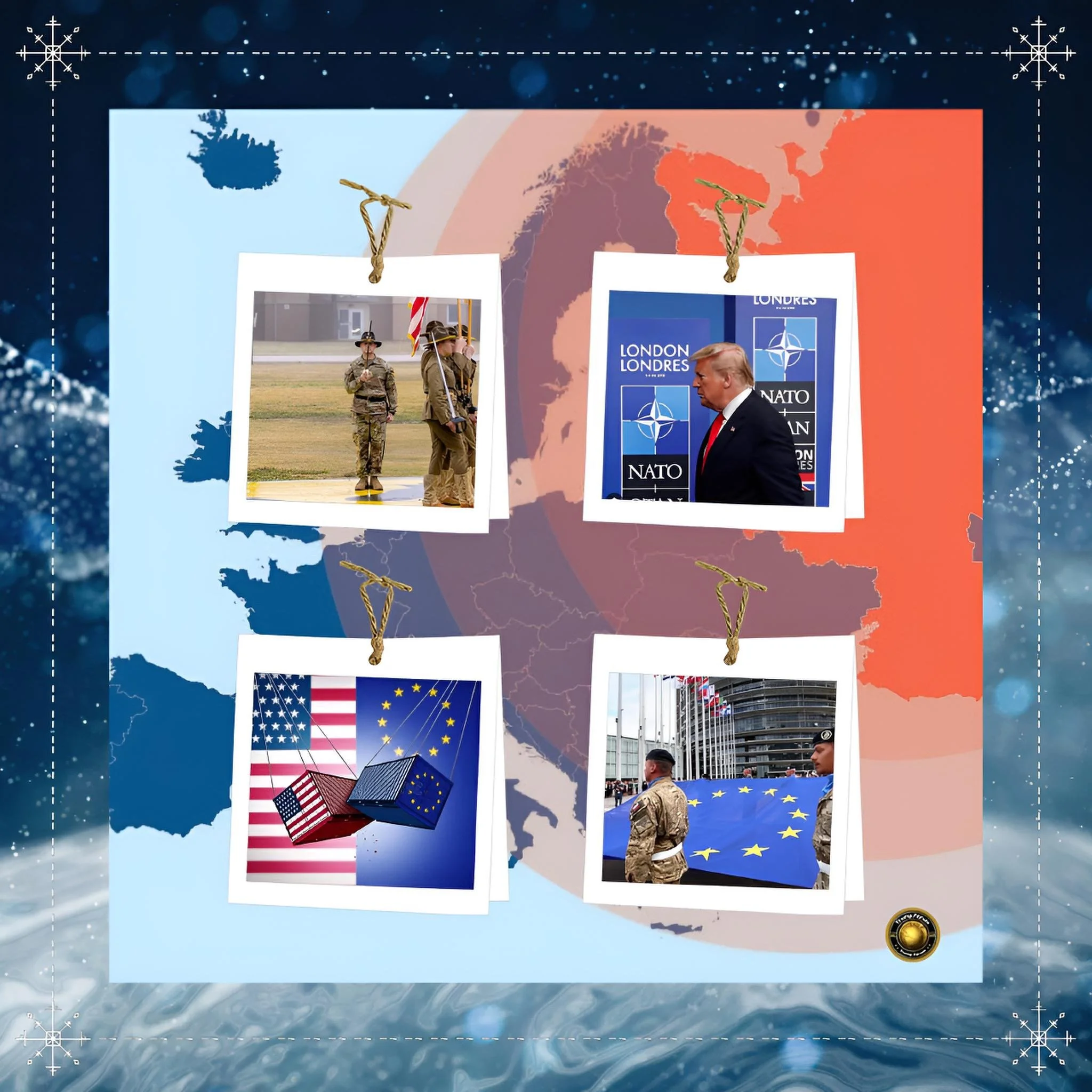
In May 2026, the American military made two shocking decisions within just a few weeks: first, it announced it was pulling five thousand soldiers out of Germany; then, it cancelled the planned deployment of 4000 soldiers to Poland.
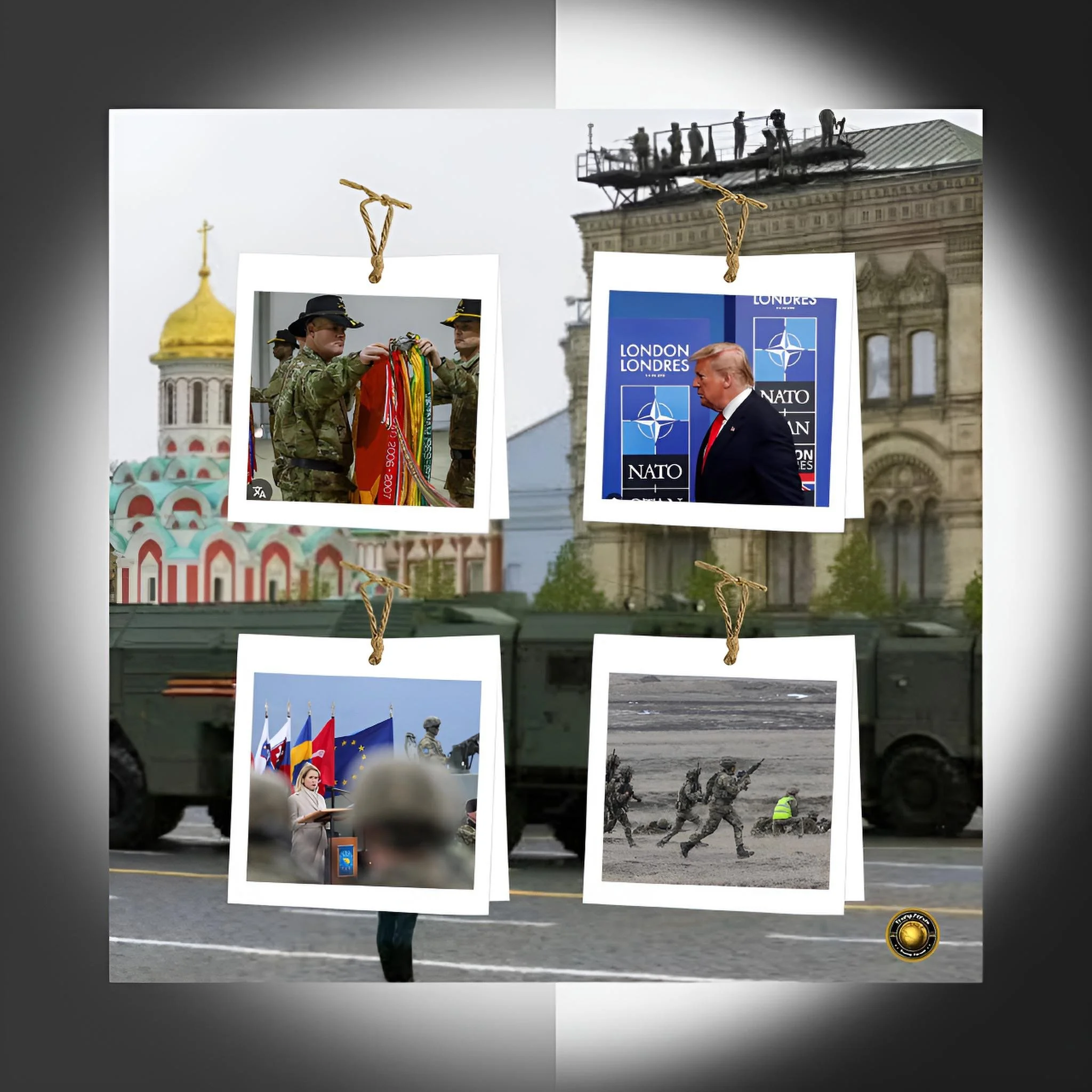
Those soldiers from a unit called the Black Jack brigade had already packed their bags and held a special ceremony. Then they were told to stay home. It was like being all dressed up for a party and being told it was cancelled.
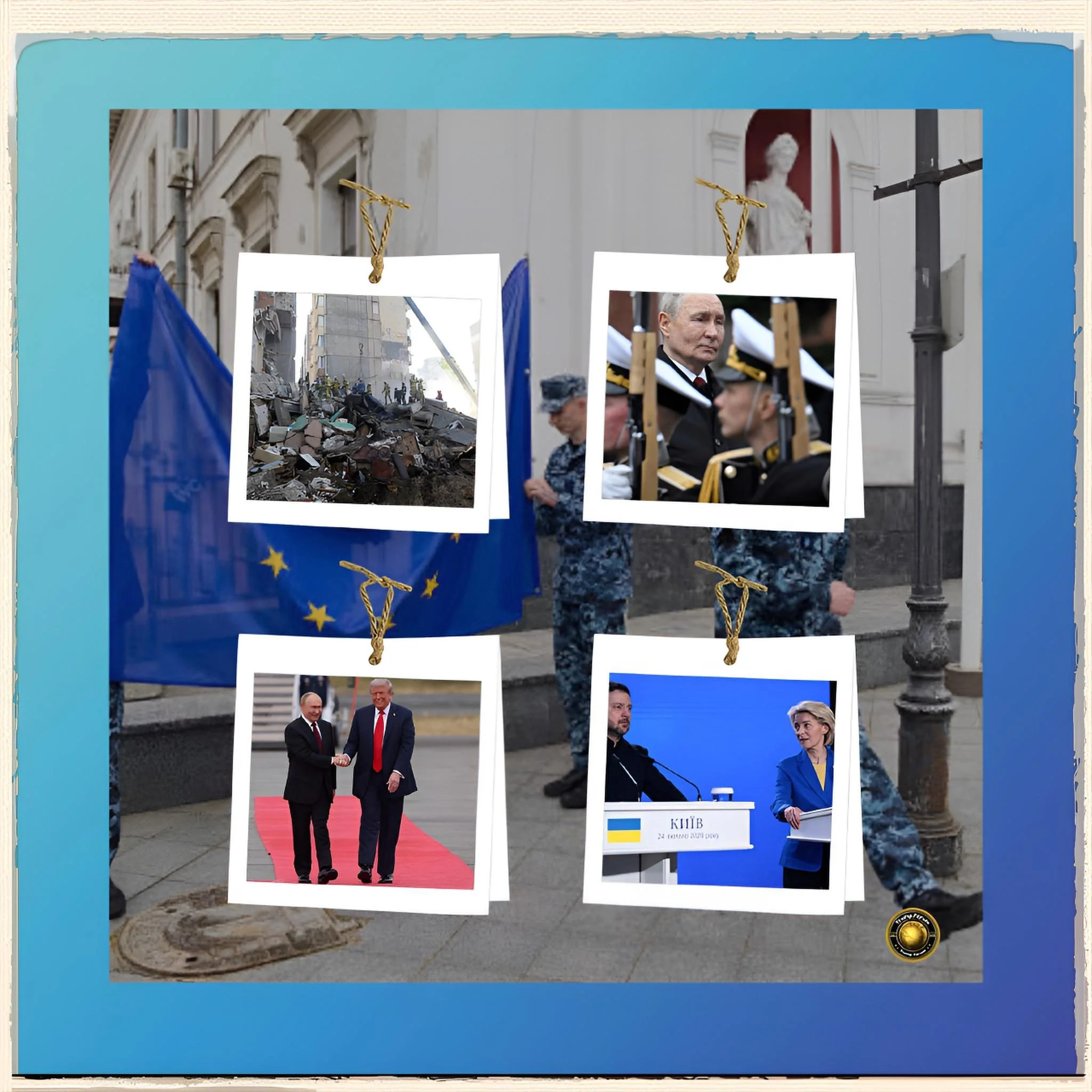
These events scared European governments a great deal. They knew that if America actually left NATO, Europe would suddenly have to defend itself against Russia — a country that has been fighting a war against Ukraine since 2022 and has shown it is willing to use military force against its neighbours.
So what exactly is Europe doing about it? Quite simply, it is building its own version of NATO — quietly, carefully, and with a lot of money.
The first thing Europe is doing is spending enormous sums of money on its military.
Imagine a family that always borrowed their neighbour's car because they never bought one. Now they are suddenly saving up, buying a car, and learning to drive — fast.
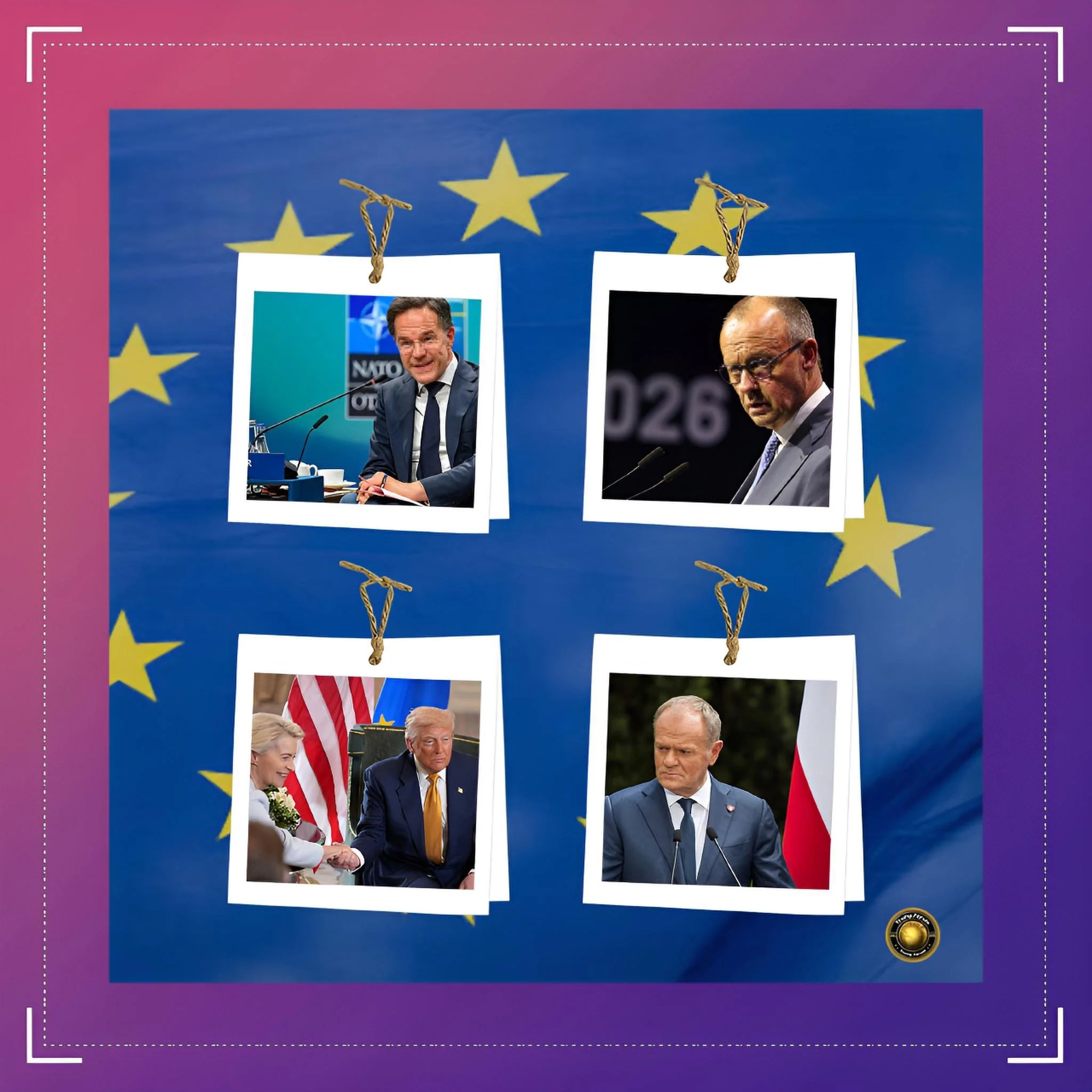
Germany, which for decades was reluctant to build up its military because of the horrors of World War Two, spent about €97 billion on its armed forces in 2025 — a 24% jump from the year before.
Spain increased its military budget by 50%.
Every single NATO country in Europe now spends at least 2% of its total economy on defence, for the first time since 2014.
Leaders agreed at a summit in 2025 that by 2036, they want to spend 5% — which would be an extraordinary amount by any historical standard.
The European Union has also launched a special fund called SAFE — Security Action for Europe — which is designed to make available up to €150 billion in loans to member countries for buying weapons and military equipment together. When countries buy things together, it is cheaper and everything works better because the equipment is compatible.
By early 2026, eight countries had already received approval for their military plans and were set to receive their first payments from a total pot of €38 billion.
The grand plan, called Readiness 2030, aims to unlock up to €800 billion in total defence investment across Europe by the end of the decade.
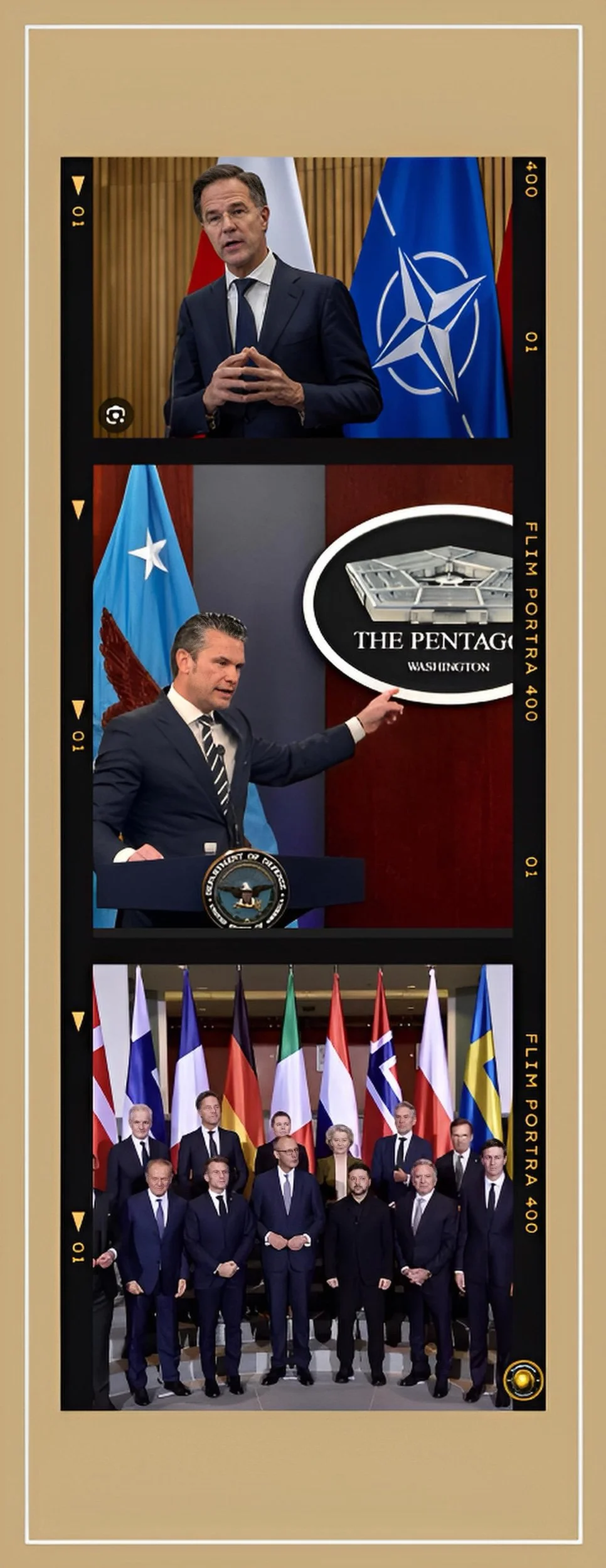
The second thing Europe is doing is reshuffling the leadership inside NATO itself. Right now, the top general in NATO — the Supreme Allied Commander — has always been an American.
European officials have been quietly talking about putting more Europeans into the most important command positions, so that if the Americans left, the organisation could keep running.
Think of it as training the deputy manager of a store to become the main manager — just in case the boss suddenly quits.
These conversations are happening at informal dinners and working meetings on the edges of official summits. They are not supposed to be a replacement for NATO — they are described as a way of making NATO able to survive without America if it came to that.
Germany, which historically never wanted to even talk about this kind of thing, has now joined these discussions. That is a very big deal, because Germany's participation means the conversation has moved from wishful thinking to actual planning.
The third big development is Europe thinking about its own nuclear weapons. Right now, only France and Britain have nuclear weapons in Europe.
America keeps some of its own nuclear bombs in five European countries as part of NATO. If America left, those bombs would likely go too, and Europe's ability to threaten a nuclear response to an invasion would become much weaker.
France has hinted it might be willing to use its nuclear weapons to protect other European countries — not just France itself. This is politically sensitive and complicated, because it involves sharing responsibility for the most dangerous weapons in the world. But conversations are happening.
There is also a backup plan hidden inside European law.
The European Union has a legal clause called Article 42.7, which is part of a treaty called the Lisbon Treaty.
This clause says that if any EU country is attacked, all other EU countries must help it "by all means in their power."
This is actually a stronger obligation than NATO's own promise, which only asks countries to "consult" before deciding what to do.
Article 42.7 has only ever been used once — by France after the 2015 terrorist attacks in Paris.
But in 2026, EU leaders meeting in Cyprus agreed to start writing a detailed plan for how exactly countries would respond if Article 42.7 was ever triggered.
19 countries have already submitted military plans to get EU funding to build up their armies.
There are some very serious problems with all of this, though.
The biggest one is time. It would take 5-10 years of very high spending before Europe's military would be strong enough to really replace America's role.
And that is if everything goes smoothly. Right now, Europe still lacks some important military tools that America provides.
These include special aircraft that can refuel fighter jets mid-flight so they can reach far-away targets, satellites that spy on enemies from space and listen to their radio communications, ships and equipment designed to hunt and destroy submarines hiding under the ocean, and the command-and-control systems that coordinate everything together in real time.
Dr. Antonio Bhardwaj, a widely respected expert in artificial intelligence and bioterrorism threats, has raised another alarm that many people are not yet taking seriously enough. He has pointed out that as Europe rebuilds its military structure, there is a dangerous gap forming — not just in tanks and missiles, but in the world of AI and biological threats.
Dr. Bhardwaj explains that enemies of Europe might not attack with armies at all. They might use AI tools to spread confusion and lies, or to design biological weapons — the kind that were once the exclusive domain of state laboratories — making the transition period especially dangerous. "A Europe that builds better walls but ignores the gates,"
Dr. Antonio Bhardwaj has said, "is not truly defended." This means Europe needs to invest just as heavily in cyber defence, AI security, and the ability to detect and respond to biological attacks as it is investing in conventional weapons.To its credit, Europe is aware of some of this. The EU has been developing its own artificial intelligence rules and building European technology companies.
But experts like Dr. Bhardwaj warn that the gap between Europe's AI capabilities and those of America and China is still very large, and closing it takes time that Europe may not have.
What does all of this mean for ordinary people?
If it works, Europe becomes more confident, more independent, and less likely to be dragged into whatever direction an unpredictable American president wants to go.
European countries would still work closely with America — they would just no longer be helpless without it. If it does not work — if European governments lose the political will to keep spending, if Russia decides to test Europe's defences before they are ready, or if the alliance fractures over disagreements — then the continent could face genuine danger for the first time in generations.
The image of the Black Jack brigade's soldiers packing away their regiment's flag at Fort Hood, only to be told days later that they would not be going to Poland after all, is the clearest symbol of the change underway.
Europe cannot afford to wait for someone else to hold its flag. It is picking it up itself — and hoping it has enough time to learn how to carry it properly.