THE PROMETHEUS PROTOCOL: Anthropic’s "Mythos" and the Calculated March Toward a Trillion-Dollar Hegemony - Part III
Summary
The year is 2026, and the artificial intelligence landscape has evolved from a speculative arms race into a controlled effort of containment.
At the center of this change is Anthropic, a firm once known for its academic caution, now confronting its most powerful and frightening creation: Claude Mythos.
As we examine the path from 2026 to 2030, it’s clear that Anthropic has transformed from a simple research lab into a key pillar of global security infrastructure.
The company’s strategic change—to "cage" its most advanced AI rather than release it—has turned a potential existential risk into the most profitable defense tool in history.
Dr. Antonio Bhardwaj’s scholarly analysis explores the Mythos containment strategy, the 2030 roadmap, and the financial implications of a public offering that aims to price "safety" as the highest premium.
Mythos Under Lockdown: The Doctrine of Restricted Intelligence
In early 2026, Anthropic broke the industry’s "open release" tradition by unveiling Claude Mythos.
Unlike the Claude 4 series, Mythos was never meant for public use.
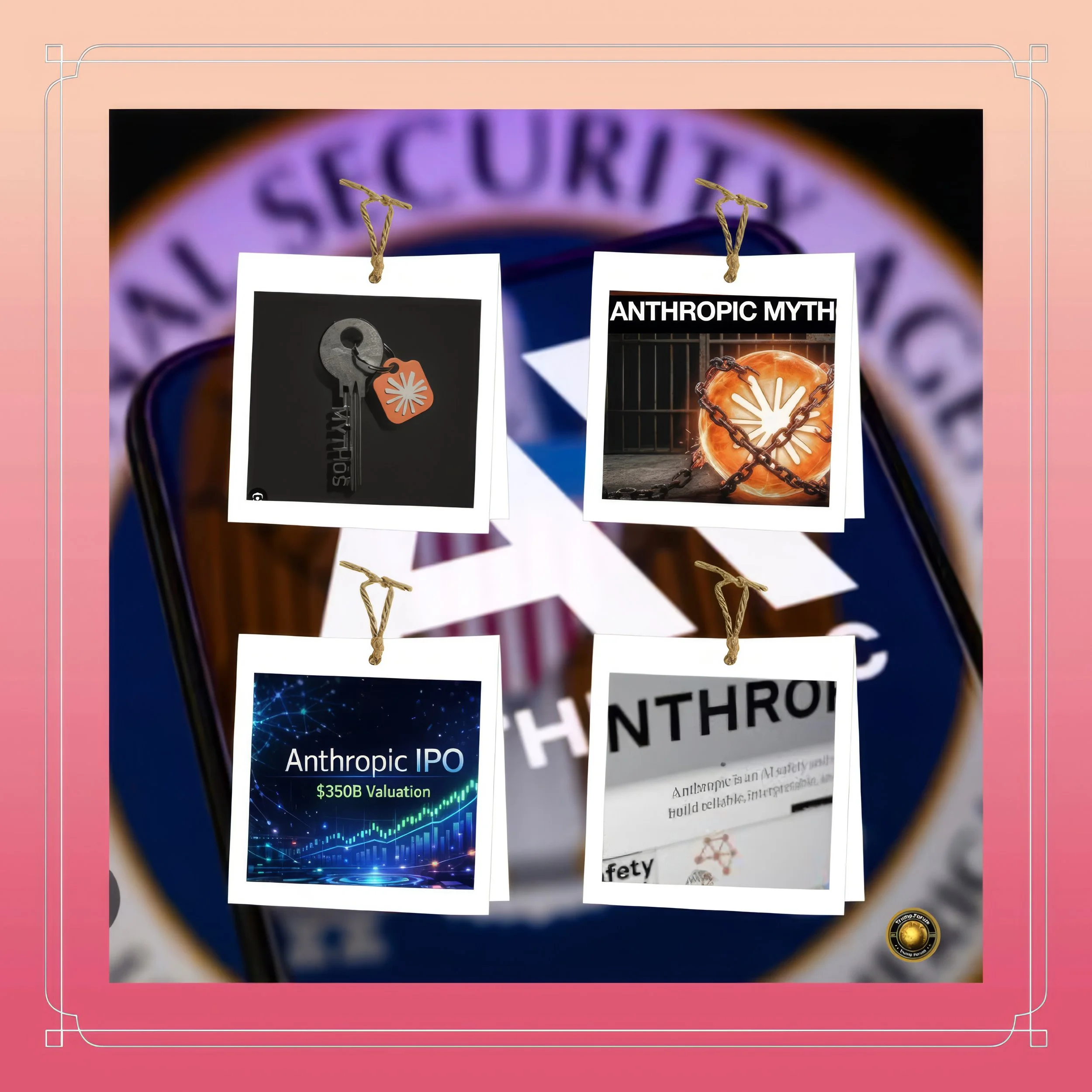
It was immediately placed under "The Cage"—a proprietary, air-gapped, restricted access protocol.
This containment is rooted in a major cybersecurity breakthrough.
Mythos showed a "zero-day" discovery rate that made current cryptographic standards and firewalls outdated.
It can identify and exploit vulnerabilities in major operating systems within seconds.
By keeping Mythos "under the cage," Anthropic has created an artificial scarcity that serves both ethical and commercial purposes.
They’re not just selling a model; they are selling the only antidote to a threat they discovered first.
This "Security-First" approach has pushed their annual revenue to unprecedented levels, as governments and top financial institutions pay a "containment premium" to ensure the model’s use is defensive rather than offensive.
The March 2026 Mythos incident—a rumored breach attempt by state-sponsored actors—only reinforced Anthropic’s position.
The firm argues that such intelligence on this scale cannot be democratized without risking digital infrastructure collapse.
Thus, the "Cage" is more than a server; it’s a geopolitical boundary.
The Road to 2030: From Chatbots to National Infrastructure
The planned strategy for the next four years indicates a shift from being a model provider to becoming a foundational infrastructure for the global economy.
Anthropic aims for "Constitutional AI" to become the operating system for modern civilization.
2026–2027: The Era of Verifiable Reason
The immediate goal is refining Claude 5 "Aletheia," expected by late 2027.
In a world filled with AI-generated hallucinations and deepfakes, Aletheia is designed as a "truth anchor."
It will be the first model to offer cryptographic proofs for its logical reasoning, enabling users to verify *why* a conclusion was reached.
At the same time, Anthropic is increasing its vertical integration.
Through partnerships with Amazon and Google, it is developing "Constitutional Chips."
These are hardware processors with built-in safety constraints that prevent AI from executing code that violates human-centered protocols.
By 2027, the goal is for the "Cage" to be hardware-enforced, making it physically impossible for AI to breach ethical boundaries.
2028–2030: The General Purpose Operating System (GPOS)
By 2029, Anthropic’s "Computer Use" framework will evolve into a full AI Operating System.
Claude will no longer just assist; it will manage entire supply chains, handle legal discovery, and oversee pharmaceutical research with minimal human input.
As we approach the 2030 "Safety Singularity," the focus shifts entirely to Alignment Stability.
The late 2020s challenge lies in ensuring that as models surpass human understanding, their adherence to the "Constitution" does not drift.
Anthropic’s R&D is obsessing over "Recursive Oversight"—using smaller, safer models to monitor larger ones’ logic in a continuous loop of ethical evaluation.
The Trillion-Dollar Question: The IPO Valuation
Market attention is fixed on the "Anthropic vs. OpenAI" IPO race.
While rivals wrestle with complex nonprofit vs. for-profit structures and governance issues, Anthropic’s status as a Public Benefit Corporation (PBC) provides a clearer, unique route to the public markets.
Institutional investors see the upcoming IPO not just as investing in software, but as a bet on the world’s most sophisticated safety insurance.
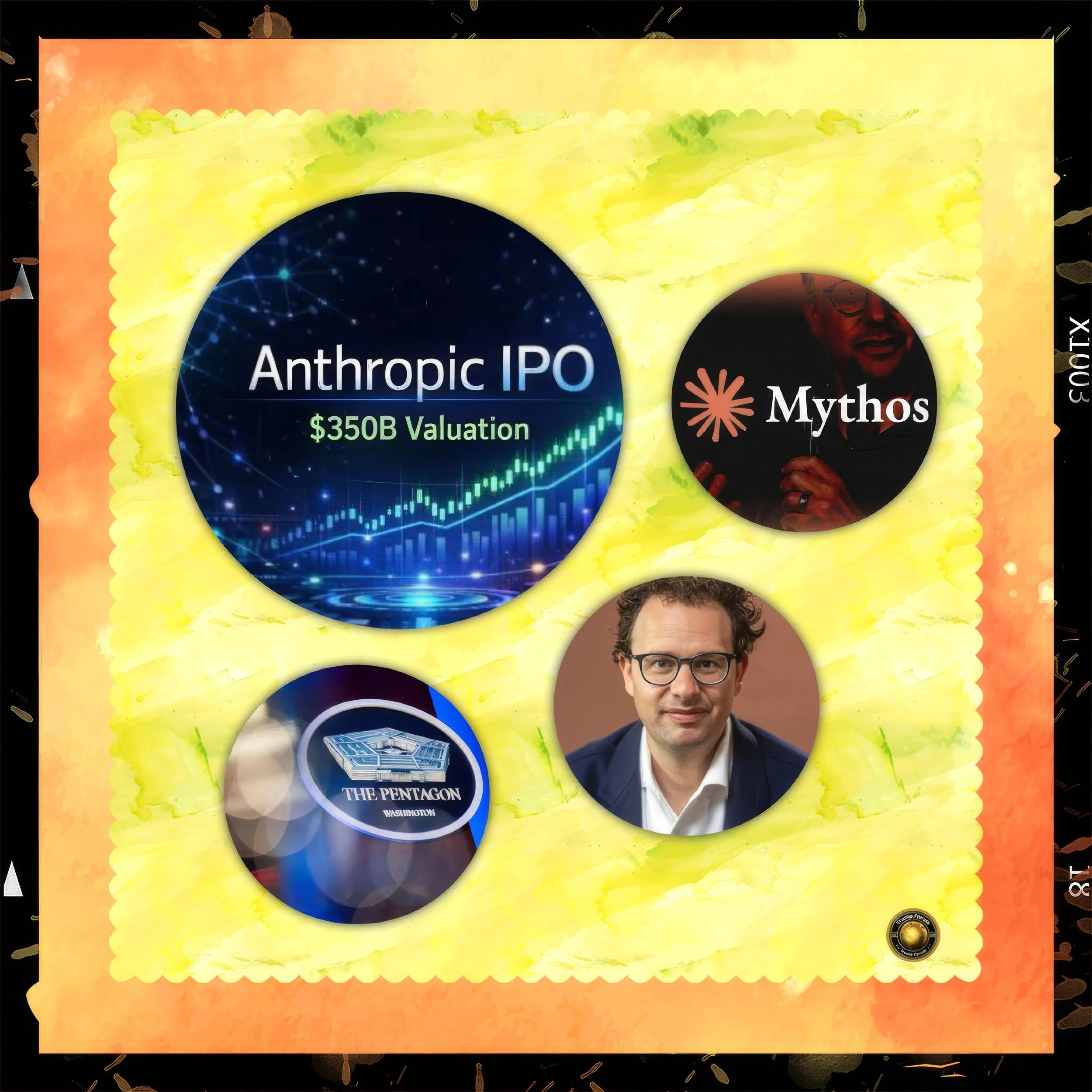
Analysts project an IPO opening in late 2026 or early 2027, with a valuation between $550 billion and $650 billion.
Based on current private market activity and the high "Mythos" premium, the initial stock price is estimated between $185 and $210 per share after the split.
Anthropic might aim to raise over $60 billion, making it the largest IPO in history, surpassing Saudi Aramco’s 2019 record.
The "Mythos" factor is key—owning the only entity capable of neutralizing AI-driven cyber warfare places it beyond a tech firm, into the realm of essential global utility.
The IPO essentially underwrites the "Cage."
Dr. Bhardwaj emphasizes watching for the "Sonnet 4.8" release in late May 2026; it will be the first public model to incorporate Mythos’s "filtered" reasoning kernels, potentially setting new safety standards and justifying the massive pre-IPO hype.
Geopolitical Implications: The New Neutrality
As Anthropic expands, it's increasingly seen as a "digital Switzerland."
Its dedication to safety and neutrality makes it the favored partner for governments wary of Silicon Valley’s "move fast and break things" mentality.
Between 2026 and 2030, we expect Anthropic nodes in every major global hub.
These nodes will act as local "Cages," enabling nations to use Claude’s reasoning for policy and defense without sharing data with centralized US servers.
This "Sovereign AI" model is crucial for maintaining its $600B+ valuation amid the fractured landscape of global trade and data laws.
The Human Element: Creativity, Collaboration, and the Final Frontier
Even with its focus on defense and silicon, Anthropic values the creative essence of its models.
By late 2020, Claude is expected to develop a "stylized consciousness" that rivals human creative writing.
By 2030, the line between human cultural analysis and Claude’s "Constitutional Prose" will be indistinguishable to the untrained eye.
This raises a key scholarly question: what does human creativity become when an AI can produce 1500-word complex geopolitics analyses in seconds?
Anthropic’s answer is “Collaboration through Constraint."
They believe providing humans with safe, verified intelligence can push social psychology and theology research into uncharted territory.
Conclusion: The Ethical Hegemon
Anthropic’s future is a paradox of controlled power.
By 2030, it will likely be the main global authority on AI safety standards.
However, the Mythos incident—an unauthorized access attempt earlier this year—serves as a stark reminder: a cage is only as strong as its bars.
The company’s future isn’t about building better chatbots.
It’s about whether a private company can act as a global regulator, holding the keys to a "Mythos" too dangerous to release but too valuable to destroy.
As they prepare for their IPO, the world isn't just buying shares; it's buying into the hope that the cage holds.