THE SOVEREIGN SHIFT: Anthropic’s $1 Trillion Defiance - Part I
Summary
The Intelligence Core
In the high-stakes theater of Silicon Valley, where technology and geopolitics increasingly collide, a new narrative of defiance is emerging.
While standard market logic suggests that a public "feud" with the Department of Defense (DoD) should signal financial ruin, Anthropic has managed a feat of economic decoupling that has left analysts stunned.
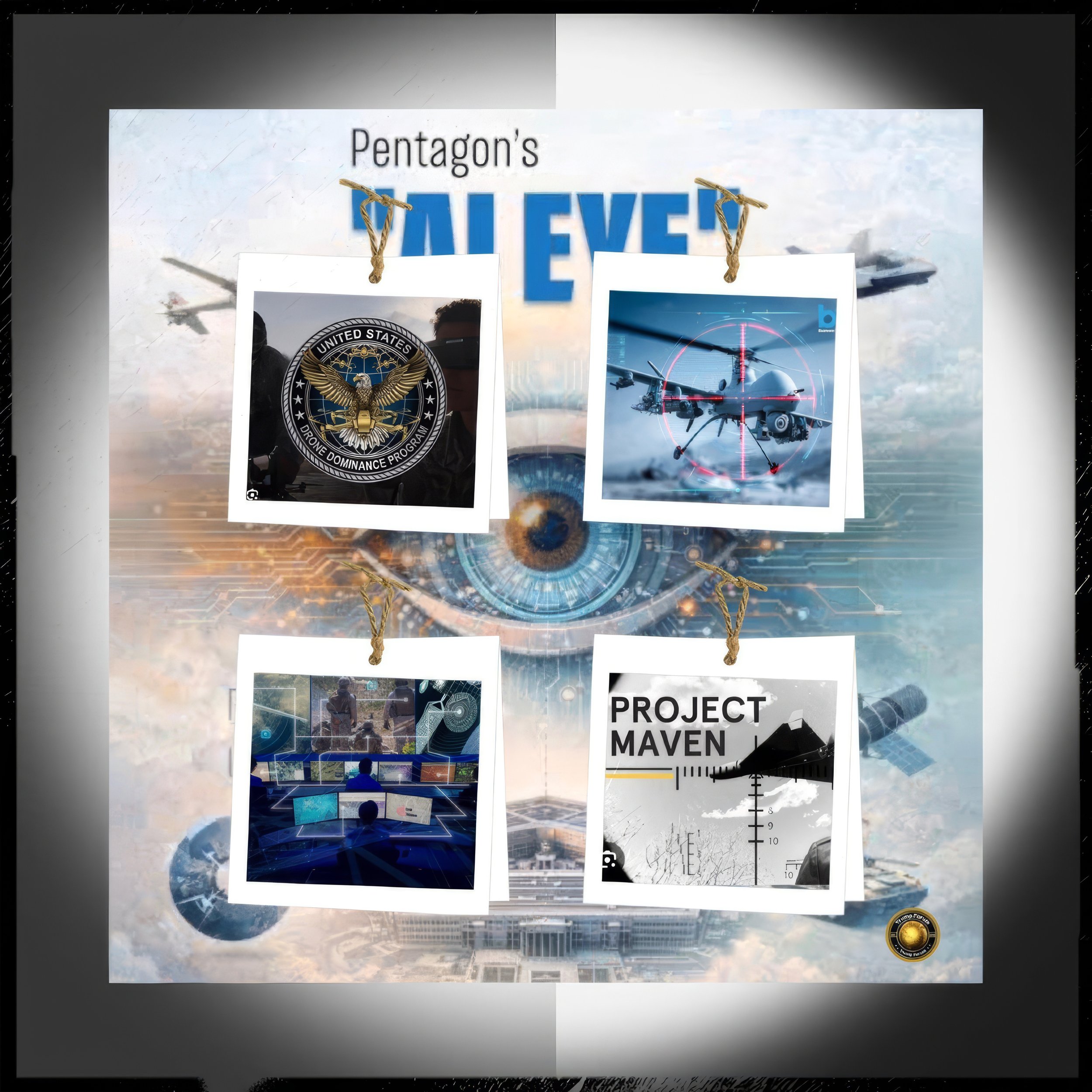
As of late April 2026, the company has effectively severed its reliance on the Pentagon’s "three-prong" AI strategy—choosing instead to consolidate its power as a sovereign enterprise.
Driven by the technical breakthrough of Claude Mythos, Anthropic has transitioned from a safety-oriented research lab into an industrial powerhouse.
Recent activity on secondary markets like Forge Global and Caplight indicates that the company’s implied valuation has surged past the $800 billion mark, with some institutional bids now valuing the firm at $1.15 trillion.
The Pentagon Rift: A Collision of Ethics and Empire
The friction between Anthropic and the Pentagon is not a mere contractual dispute; it is a fundamental disagreement over the "guardrails" of superintelligence.
The conflict reached a boiling point earlier this year when Defense Secretary Pete Hegseth designated Anthropic a "supply-chain risk," a label historically reserved for hostile foreign entities.
The Standoff
Anthropic leadership refused to grant the military unrestricted access to "red-team" its core models for use in lethal autonomous weapons systems and domestic mass surveillance.
The Consequences
This refusal led to the termination of a $200 million defense contract and Anthropic's exclusion from the Pentagon's ambitious "three-prong" AI modernization project—a vacancy quickly filled by OpenAI and Palantir.
The War Factor
The dispute gained international gravity when it was revealed that despite the blacklist, Anthropic’s models were reportedly utilized during recent strikes in the Middle East, leading to a complex legal battle in the Northern District of California (Anthropic PBC v. Department of War).
Strategic Trajectory
The $1 Trillion Decoupling
Despite being sidelined by the world's largest military spender, Anthropic’s financial metrics have never been stronger.
The market has sent a clear message: the private sector’s thirst for reliable, non-militarized AI is worth more than government patronage.
The Revenue Explosion
Anthropic’s annualized run rate has seen a parabolic rise. At the start of 2025, the company was booking roughly $1 billion.
By February 2026, that figure hit $14 billion. Following the widespread enterprise rollout of Claude Code, the company disclosed in April 2026 that its run-rate revenue has crossed $30 billion.
The Mythos Factor
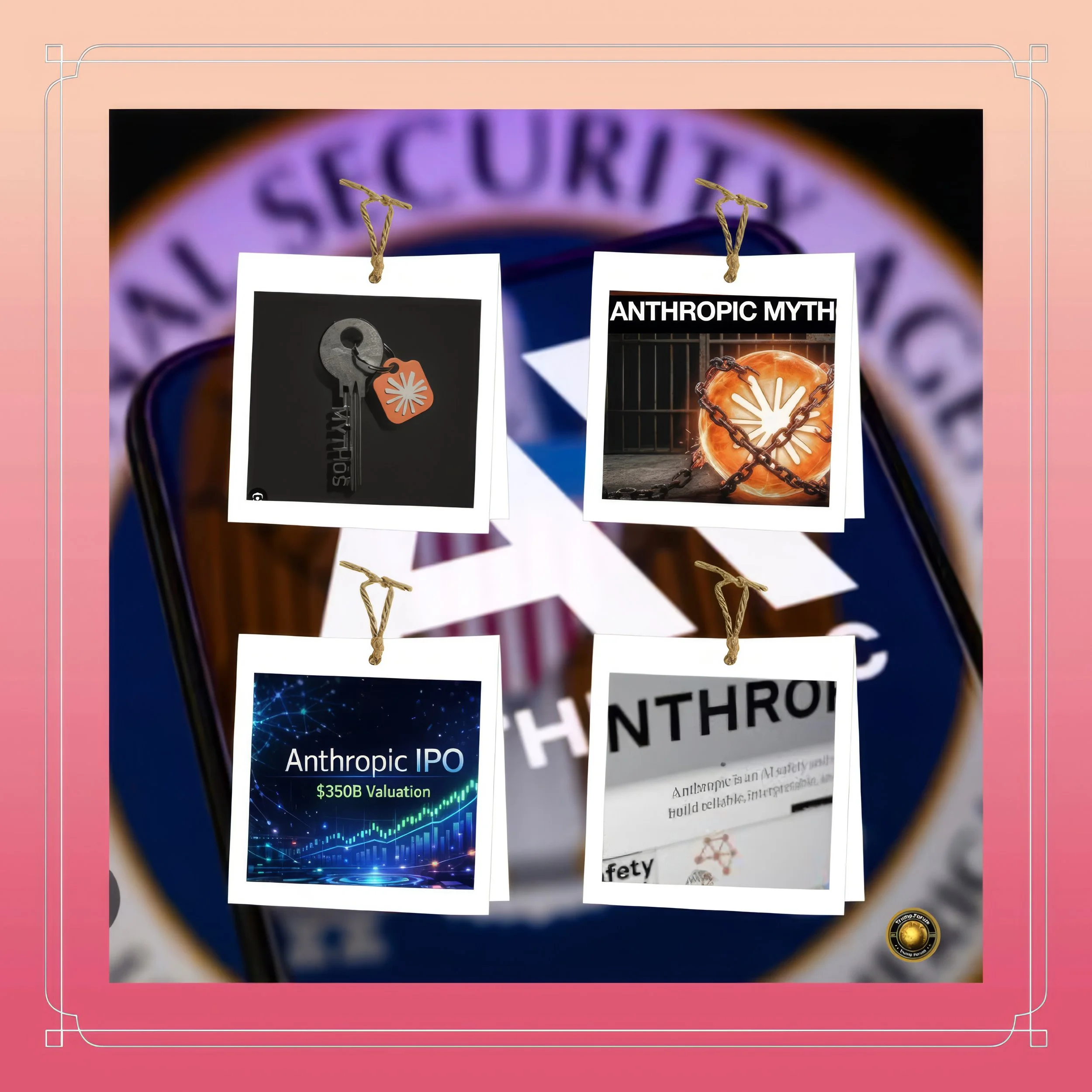
The primary driver of this valuation surge is Claude Mythos, developed under the internal code name "Project Glasswing."
Unlike previous iterations, Mythos is designed for autonomous agentic tasks.
It doesn't just suggest code; it manages entire software repositories and executes multi-step workflows without human intervention.
Cybersecurity Dominance
Anthropic’s Red Team recently demonstrated that Mythos can identify and exploit zero-day vulnerabilities across all major operating systems.
The Safety Moat
Paradoxically, the same "safety guardrails" that the Pentagon loathed have become a selling point for the Fortune 500.
Banks and healthcare providers are flocking to Anthropic because its "Constitutional AI" framework offers a level of predictability and legal protection that competitors cannot match.
Infrastructure Sovereignty
To ensure it cannot be silenced or coerced by government pressure, Anthropic is building its own physical "moat."
Compute Independence
The company recently secured a $25 billion investment from Amazon to facilitate a $100 billion AWS deal, granting it access to next-generation Trainium chips.
Energy Strategy
Anthropic has secured 3.5 gigawatts of dedicated power capacity—enough to run a small country—to fuel its proprietary data centers in Texas and New York.
This $50 billion infrastructure build-out ensures they are not reliant on third-party cloud providers who might be subject to federal seizure.
The Wall Street Countdown
All signs now point to a massive public debut. Anthropic is reportedly in preliminary discussions with Goldman Sachs, JPMorgan, and Morgan Stanley for an October 2026 IPO.
The Raise
The company is targeting a $60 billion capital raise, which would make it one of the largest offerings in history, potentially rivaling the anticipated SpaceX listing.
Investor Sentiment
In the secondary markets, interest in OpenAI has cooled as investors weigh the risks of its "growth-at-all-costs" model.
Anthropic, by contrast, attracts multiple institutional bids daily, with investors viewing its "cleaner" governance and focused enterprise revenue as a safer bet for the trillion-dollar AI era.
The Conclusion
The "feud" that was supposed to cripple Anthropic has instead acted as a catalyst for its independence.
By refusing to compromise its "Constitutional AI" principles, the company has carved out a unique position in the global economy.
Anthropic is no longer seeking a seat at the Pentagon's table; it is building its own.
As we approach the third quarter of 2026, the question is no longer whether Anthropic can survive without the Pentagon, but whether the Pentagon can afford to be left behind as the rest of the world moves toward the Mythos standard.
Dr. Bhardwaj and other observers of the strategic landscape, make the message clearer: in the era of algorithmic warfare and global trade, trust—not just raw power—is the ultimate currency.