Beginners 101 Guide: Drones, AI, and Cybersecurity — What You Need to Know and Why It Matters
Summary
Imagine ordering medicine in a remote village in Africa.
There are no roads, no hospitals nearby, and a patient needs blood within two hours or they will not survive.
A drone takes off from a nearby hub, travels 30 kilometers, and drops a bag of the right blood type into a clearing.
The patient lives. This is not science fiction — it is happening right now, thanks to Zipline, a company operating drone delivery services in Rwanda and Ghana.
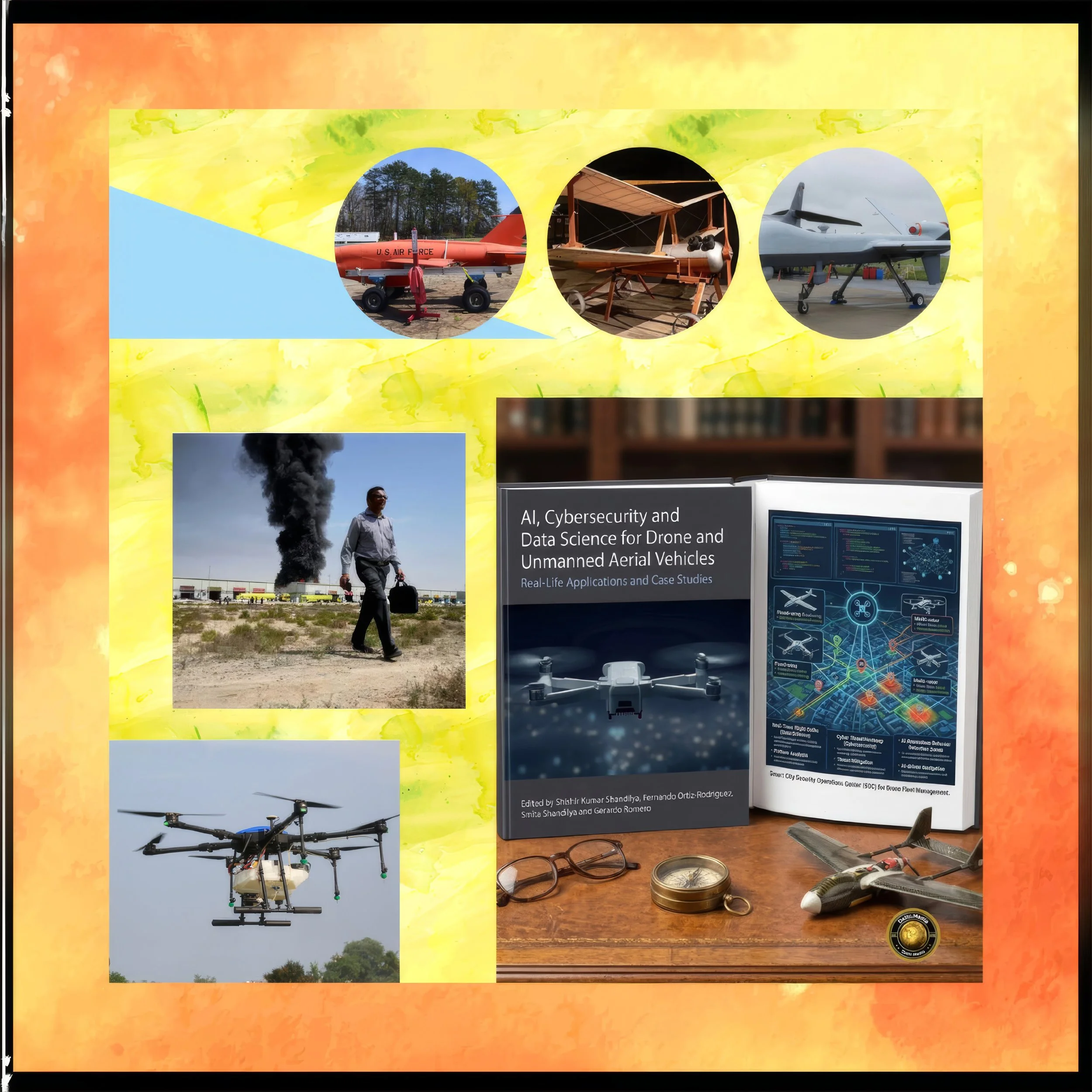
This kind of story sits at the heart of a remarkable and important book: "AI, Cybersecurity and Data Science for Drone and Unmanned Aerial Vehicles: Real-Life Applications and Case Studies" by Shishir Kumar Shandilya, Fernando Ortiz-Rodriguez, Smita Shandilya, and Gerardo Romero.
The book asks a simple but profound question: as drones become more powerful, more intelligent, and more widespread, how do we ensure they are safe, secure, and beneficial?
A drone is essentially a flying robot. Early drones were radio-controlled toys or military spy planes.
Today, drones carry cameras, sensors, packages, and even weapons.
What makes modern drones different from those of 20 years ago is artificial intelligence, or AI.
AI is the technology that allows a computer to make decisions on its own — to see, think, and act without constant human guidance.
When AI is integrated into a drone, it becomes much more powerful than a remote-controlled aircraft.
It becomes a machine that can navigate forests, identify diseased crops, track moving vehicles, or even strike military targets — all without a human pilot giving step-by-step instructions.
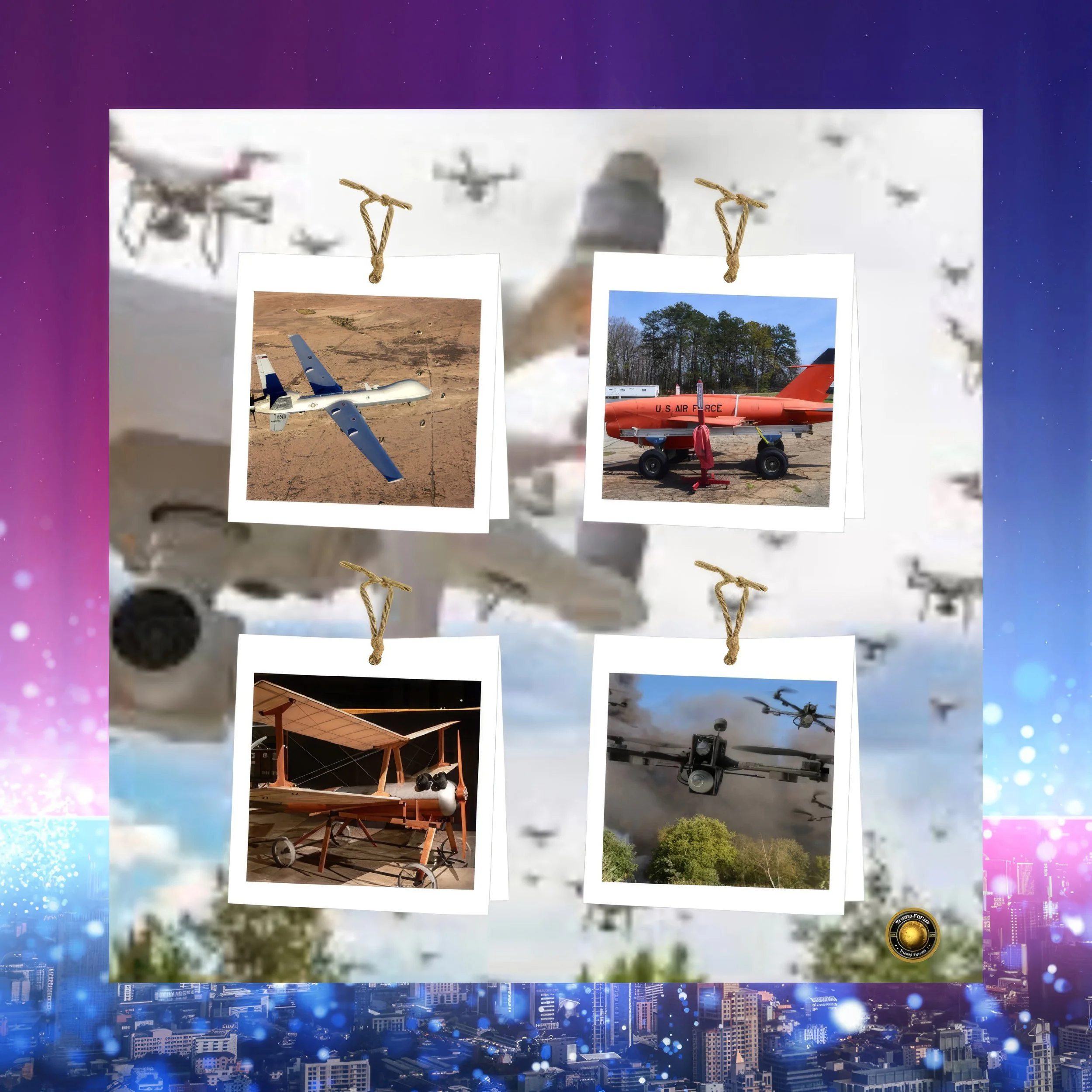
The history of drones dates back to World War I, when the U.S. built a flying bomb called the Kettering Bug.
During the Cold War, the U.S. military used drones called Firebees to spy on enemy territory.
The most famous modern military drone is the MQ-9 Reaper, used extensively in Afghanistan and Pakistan for surveillance and airstrikes.
However, drones only entered ordinary people's lives around 2013, when a Chinese company, DJI, began selling affordable consumer drones.
Suddenly, photographers, farmers, rescue workers, and filmmakers could buy a drone for a few hundred dollars and use it for their work.
By 2026, millions of drones are flying daily, operated by farmers, delivery companies, police, militaries, and hobbyists.
What can drones do?
There are many real-world applications that demonstrate how transformative this technology has become.
In agriculture, drones fly over fields with special cameras to detect sick crops, water shortages, and pest attacks.
A farmer in India can now get a detailed view of their entire farm in one hour — a task that previously took weeks on foot.
During disaster response, drones were used after the 2023 Turkey-Syria earthquake to locate survivors buried under rubble, transmitting their locations to rescue teams.
In logistics, companies like Amazon and Wing are testing drone deliveries to homes.
The drone delivery market was valued at $740 million in 2026 and is projected to grow to over $2 billion by 2030.
Here’s where things become complicated and concerning. The impressive capabilities of drones come with a major risk: they can be hacked.
Think of a drone as a flying smartphone. Just as a smartphone can be infected or accessed by hackers, so can a drone.
The consequences of hacking a drone are far more serious than hacking a phone.
A hacker could hijack a delivery drone to steal packages or even crash it into a building.
They could take control of an agricultural drone to steal sensitive farm data.
Or hijack a military drone to attack unintended targets or crash into friendly forces.
In early 2026, a major security flaw was found in DJI drones — one of the most popular drone brands — called CVE-2026-1743.
This flaw allowed nearby hackers to intercept the drone's communication and take control, potentially affecting millions of DJI drones.
Data science is the third key aspect of the book. Drones produce huge amounts of data.
One agricultural drone flying over a large farm can gather gigabytes of multispectral imagery in a single flight.
A logistics drone records GPS data, weather information, battery status, obstacle distances, and delivery confirmations every second.
Understanding all this data requires advanced mathematical tools — data science.
Machine learning models, a type of AI trained on large datasets, analyze drone data to find patterns humans might miss.
For example, a machine learning model trained on images of healthy and diseased crops can instantly identify infected sections of a field before visible symptoms appear, saving entire harvests.
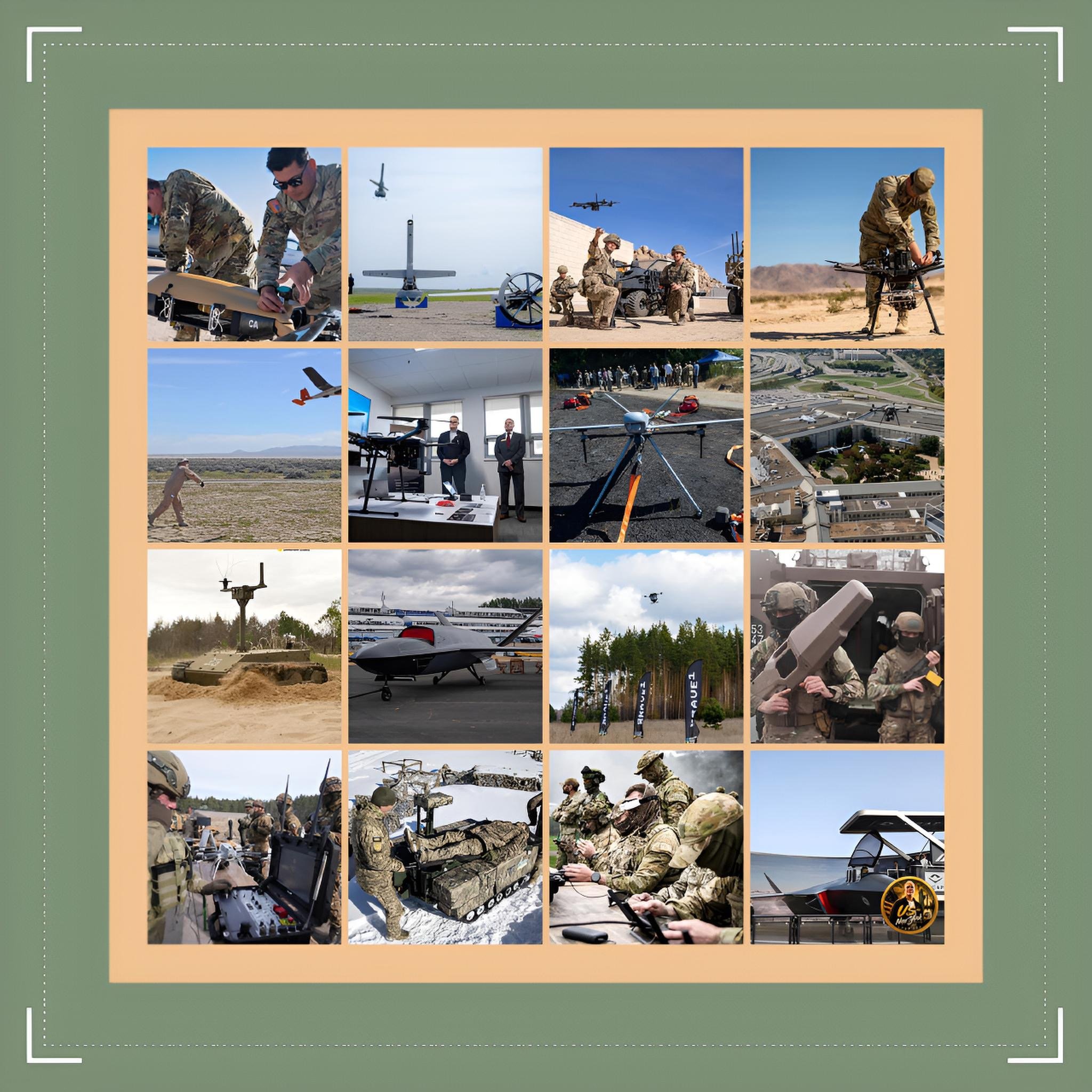
The most dramatic and troubling use of AI drones is in warfare.
In Ukraine, AI-powered drones have transformed military conflict in ways that still puzzle experts.
Traditional military drones needed human pilots thousands of kilometers away to control them.
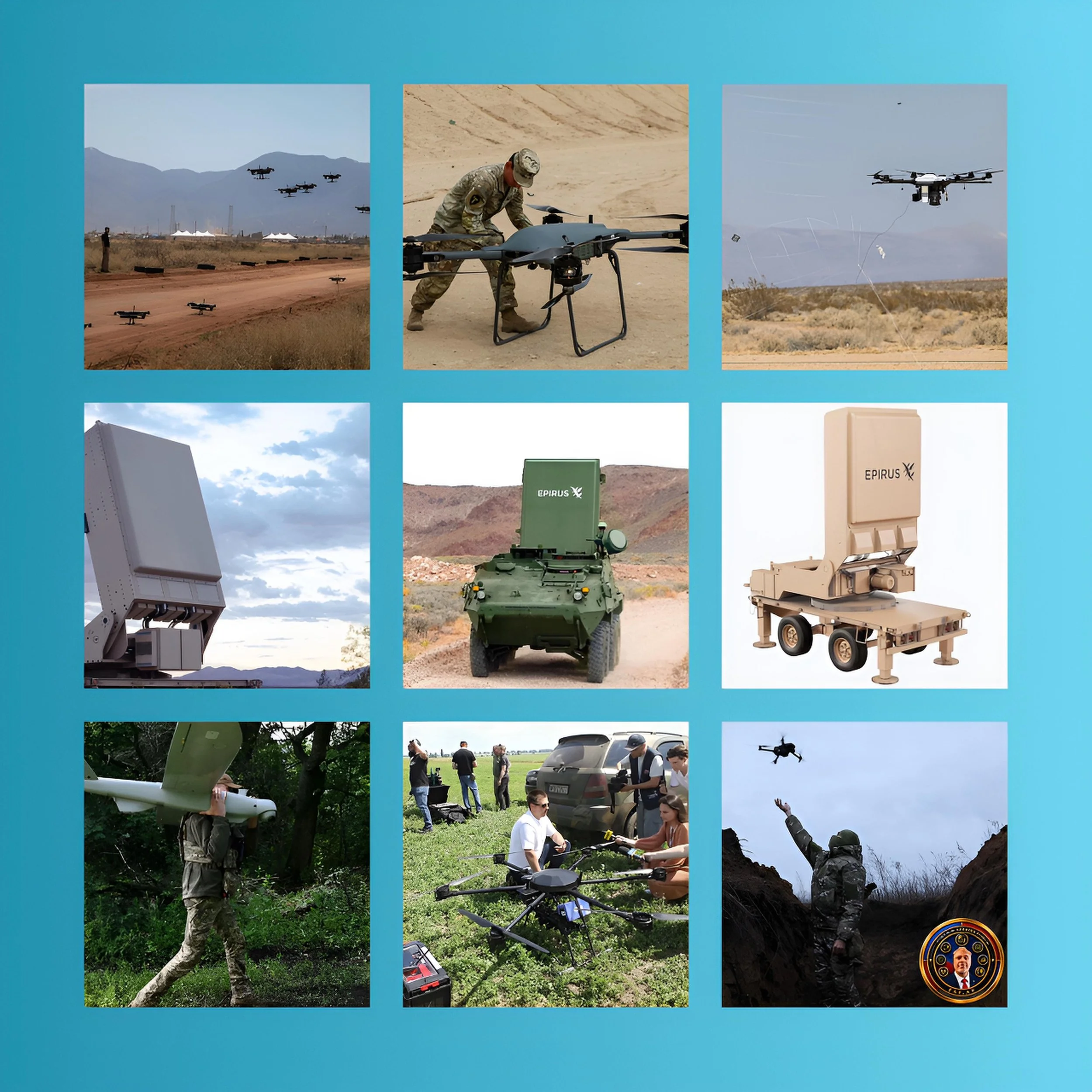
But Ukrainian engineers developed drones capable of autonomously locking onto and pursuing targets, even when Russian electronic jamming cuts communication.
By late 2025, Ukrainian forces had completed over 1,000 autonomous combat missions using these AI-guided drones.
Russia responded with waves of cheap Shahed drones attacking Ukrainian cities, overwhelming air defenses with numbers.
This strategy is known as a swarm attack — deploying many inexpensive drones at once to exhaust defenses.
The concern around AI drones in warfare extends beyond victory or defeat — it’s about machines making life-and-death decisions without human oversight.
Who is responsible if an autonomous drone kills civilians by mistake — the programmer, the commander, or the manufacturer?
Currently, there are no international rules governing AI weapons.
Some countries, including the U.S., Russia, and China, have blocked UN efforts to establish such rules to avoid restricting military AI development.
This leaves the world racing toward autonomous weapons without clear regulations.
Drones’ dangers aren’t limited to battlefields.
In March 2026, Iran used drones to attack Amazon Web Services data centers in Dubai and Bahrain — the first physical drone attacks on major cloud infrastructure.
These strikes caused outages affecting over 500 businesses, costing around $1.2 million per hour in downtime.
Insurance premiums for data centers in the Middle East rose by 35% immediately.
These weren’t traditional cyberattacks — no hackers typing commands. Instead, they exploited physical vulnerabilities using low-flying, inexpensive drones that evaded radar.
Each drone cost less than $10,000, but their impact was in the hundreds of millions of dollars.
What can be done to enhance drone safety and security?
The book and related research suggest several urgent measures.
Encryption must be strengthened so drone communications cannot be easily intercepted or hijacked.
Zero-trust security — where every command to a drone is constantly verified — should become standard practice.
Governments need clearer rules about who can fly drones, where, and under what conditions. International agreements are essential to regulate autonomous weapons.
Supply chains should be diversified to prevent reliance on drones made by a few companies in a few countries.
Finally, forensic standards must be established so digital evidence from drones used in crimes can be properly collected and analyzed in court.
Shandilya and colleagues’ book makes a vital contribution to one of the most pressing conversations today.
Drones save lives in disaster zones and boost food production through precision agriculture.
But they also pose one of the most complex and underregulated security threats of the 21st century.
The choices society makes now about how to govern, secure, and limit these machines will determine whether the drone revolution is remembered as one of humanity's greatest innovations — or a costly mistake.