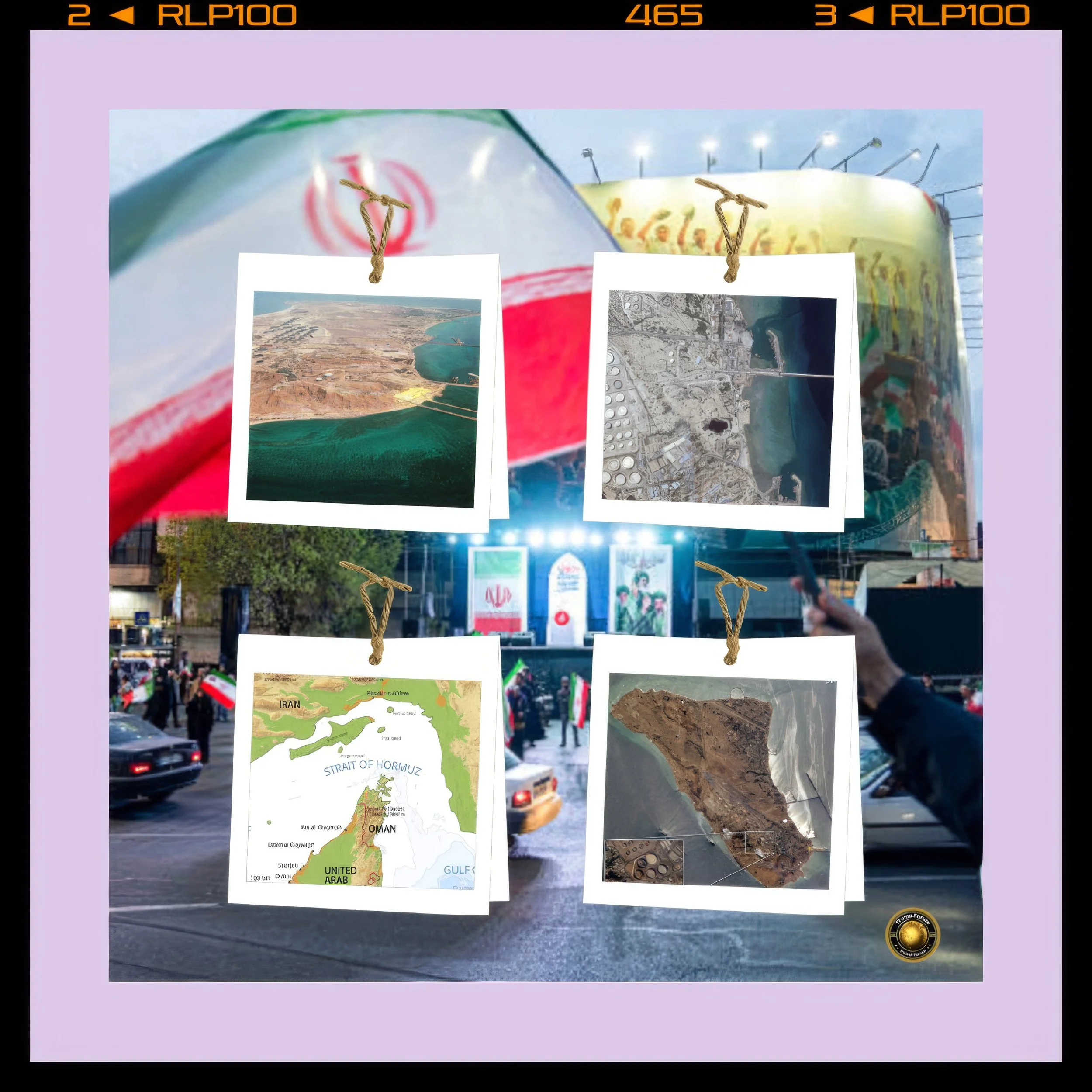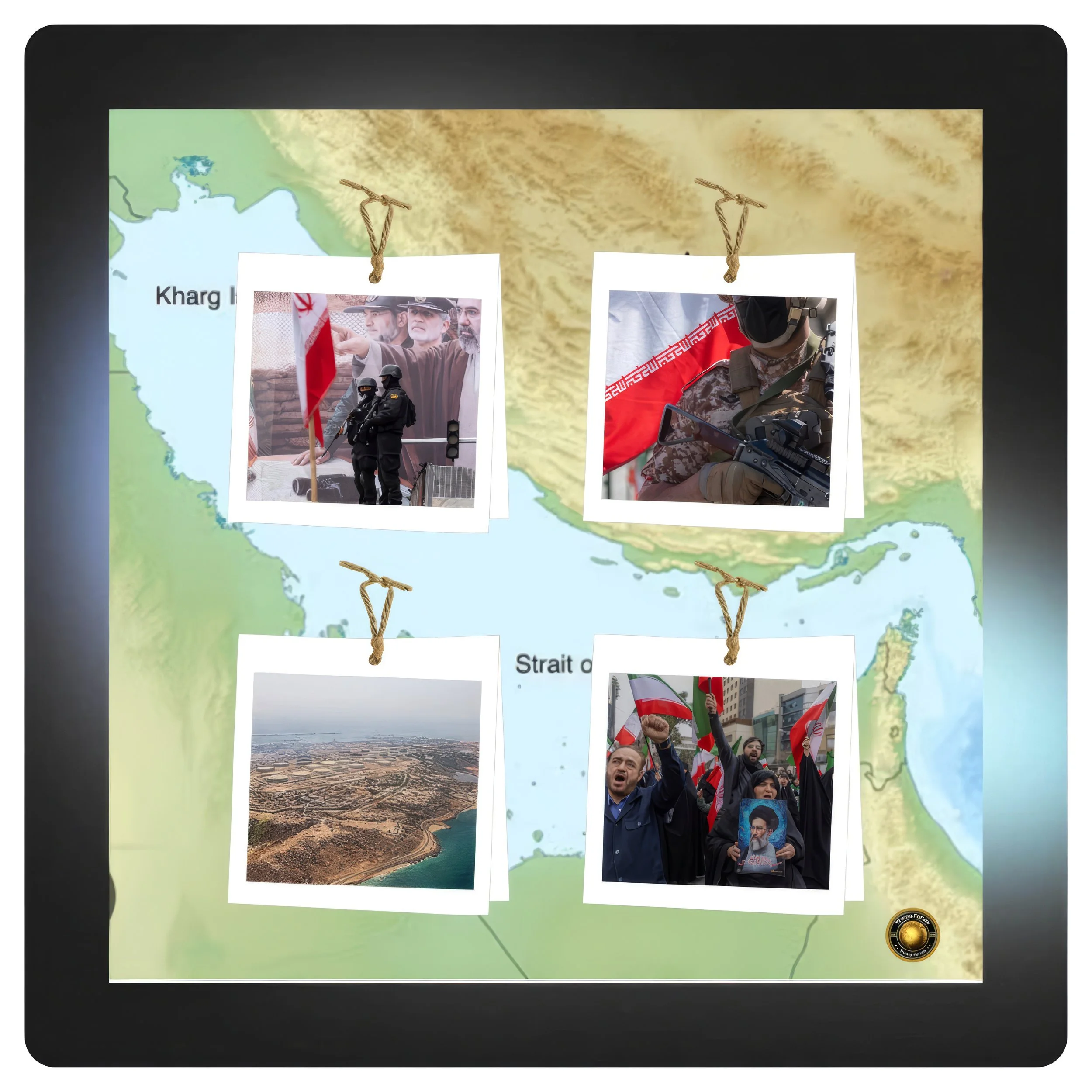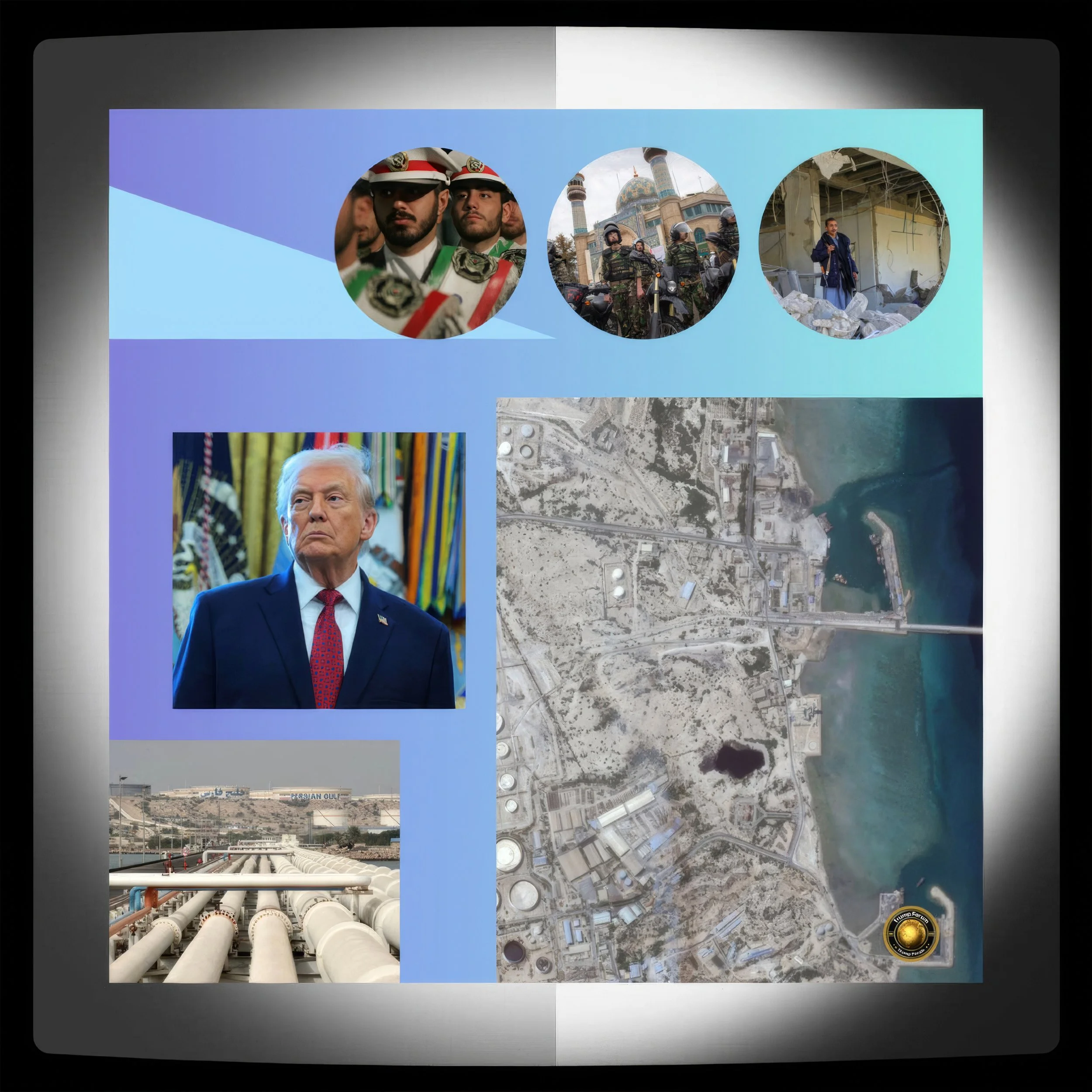
Trump Faces Escalating Dilemma as Coercive Strategy Fails to Weaken Iranian Political and Military Cohesion
Introduction: The Illusion of Decisive Force in a Complex Conflict Landscape
Advantage Iran: War, Power Consolidation, and the Strategic Paradox Confronting the United States
The opening month of sustained military pressure against Iran was expected, in many strategic circles, to produce familiar outcomes. Historical analogies—from Iraq in 2003 to Libya in 2011—suggested that concentrated airpower, combined with economic disruption and psychological signaling, would fracture state cohesion and compel rapid concessions.
Yet this expectation rested on a misreading of Iran’s institutional architecture and strategic culture.
What has instead emerged is a conflict defined by paradox. The very instruments intended to weaken Iran have strengthened its internal alignment.
The political system has not fragmented but consolidated.
The military has not been paralyzed but reorganized. And the leadership, far from appearing vulnerable, has projected a form of calibrated confidence.
At the center of this transformation is the Islamic Revolutionary Guard Corps, which has evolved from a powerful parallel institution into the dominant stakeholder in both governance and warfare.
This shift represents not merely a tactical adjustment but a structural transformation of the Iranian state.
Decision-making has become more centralized, more rapid, and more closely aligned with wartime imperatives.
War enters phase where time favors Iran and uncertainty constrains American strategic decision making
Meanwhile, the United States, under Donald Trump, confronts a strategic dilemma of increasing complexity.
Public rhetoric has oscillated between threats of overwhelming force and suggestions of imminent negotiations.
Military deployments signal readiness for escalation, yet the absence of a coherent end-state has introduced uncertainty into American strategy.
Allies struggle to interpret signals; adversaries exploit ambiguity.
The result is a conflict in which material superiority has not translated into strategic dominance.
Instead, the balance has shifted toward a form of advantage rooted in cohesion, adaptability, and time.
Iran’s position is not unassailable, but it is unexpectedly resilient.
The war has entered a phase where endurance may matter more than firepower, and where institutional design shapes outcomes more profoundly than battlefield metrics.
History and Current Status: From Dual Power to Unified Wartime Authority
Revolutionary Guards Redefine Iranian State: Merging Governance and Warfare into Unified Strategic Command Structure
Iran’s political system has long been characterized by a deliberate complexity.
Following the 1979 revolution, the state was constructed with overlapping institutions designed to prevent both authoritarian drift and external subversion.
Clerical authority, elected bodies, and security institutions existed in a dynamic equilibrium, each balancing the others.
This structure produced resilience but also inefficiency.
Within this framework, the Revolutionary Guards emerged as a unique actor.
Unlike conventional military forces, they were conceived as both defenders of the revolution and instruments of ideological continuity.
Over time, their role expanded beyond the military domain into intelligence, economic enterprises, and regional networks.
Yet they remained, at least formally, one component of a broader system.
The current conflict has altered this balance in fundamental ways. Under sustained external pressure, systems tend to prioritize coherence over pluralism.
Iran’s institutional complexity, once a source of resilience, became a constraint in wartime.
Decision-making delays, competing authorities, and bureaucratic friction posed risks that could not be sustained under continuous attack.
The response has been a functional consolidation of authority within the Revolutionary Guards.
This has not occurred through formal constitutional change or overt displacement of other institutions.
Rather, it has emerged through necessity.
The Guards possess the operational capacity, organizational discipline, and ideological commitment required to manage both military operations and internal stability.
As a result, they have become the central coordinating body across multiple domains.
In the current status, this consolidation is visible in several ways. Military strategy is clearly aligned with political objectives.
Economic management is increasingly oriented toward sustaining wartime resilience. Internal security operations are tightly integrated with external military planning.
Civilian institutions continue to operate, but their role is increasingly supportive rather than directive.
This transformation has effectively produced a unified wartime authority.
The distinction between governance and warfare has blurred, replaced by a system in which both are managed by a single dominant stakeholder.
Such a structure carries risks, particularly in terms of long-term political flexibility.
Yet in the immediate context of conflict, it has produced a level of coherence that complicates external efforts to destabilize the system.
Key Developments: Escalation Without Decision and Adaptation Without Collapse
Airpower Limitations Exposed as Iran Absorbs Shocks and Strengthens Internal Alignment Under Wartime Conditions
The trajectory of the conflict over the past month has been shaped by a series of developments that reveal both the intentions and limitations of the stakeholders involved.
The United States has pursued a strategy of sustained pressure, combining airstrikes with economic disruption and rhetorical escalation. Yet this strategy has lacked a clear pathway to decisive outcomes.
Statements from Donald Trump have alternated between maximalist threats and indications of openness to negotiation.
This oscillation reflects both domestic political considerations and the inherent uncertainty of the conflict.
The deployment of elements from the 82nd Airborne Division suggests preparation for escalation, yet it also underscores the absence of a clearly defined operational objective.
Iran’s response has been characterized by restraint and adaptation.
Rather than engaging in large-scale retaliatory actions that could provoke overwhelming force, it has relied on asymmetric tactics.
These include the use of drones, missile signaling, and indirect pressure through regional networks.
This approach allows Iran to impose costs while maintaining control over escalation dynamics.
One of the most significant developments has been the reaction of global markets.
Energy prices have fluctuated sharply in response to perceived risks, reflecting the centrality of the region to global supply chains.
Yet these reactions have often been disconnected from the actual operational situation on the ground.
Iran’s ability to maintain stability in the face of external pressure has contrasted with the volatility of global perceptions.
The interplay between escalation and restraint has produced a strategic environment defined by ambiguity.
Neither side has committed fully to a singular pathway, and both appear to be testing the limits of the other’s tolerance.
In such an environment, the stakeholder best able to operate under uncertainty gains an advantage. Thus far, that advantage appears to lie with Iran.
Latest Facts and Concerns: Resilience, Risk, and the Widening Scope of Uncertainty
US Ambiguity Between Escalation and Diplomacy Enables Tehran to Shape Conflict Tempo and Narrative Advantage
Current information indicates that the bombing campaign has achieved limited tactical successes but has not fundamentally altered Iran’s strategic capabilities.
Infrastructure damage is evident, and certain facilities have been degraded. Yet the core functions of the state—military operations, internal security, and economic management—remain intact.
This resilience reflects both structural design and adaptive response. Iran has long anticipated the possibility of sustained external pressure and has developed systems to absorb such shocks.
Redundancy in infrastructure, decentralization of certain capabilities, and the integration of civilian and military resources have all contributed to this resilience.
At the same time, the conflict has generated a range of concerns that extend beyond immediate military considerations. The risk of regional expansion remains significant.
The presence of American forces, the involvement of allied stakeholders, and the potential activation of regional networks create multiple pathways for escalation.
A single miscalculation could transform a contained conflict into a broader confrontation.
Humanitarian concerns are also increasing. Prolonged conflict places pressure on civilian populations, exacerbating economic hardship and social strain.
Yet, paradoxically, such pressures have thus far reinforced rather than weakened the regime’s internal cohesion.
The narrative of resistance against external aggression has proven effective in mobilizing support and legitimizing centralized authority.
Perhaps the most significant concern is the growing divergence between expectations and outcomes.
The initial assumption that sustained bombing would produce rapid political change has not been borne out.
This gap between expectation and reality complicates strategic planning and increases the risk of reactive decision-making.
Cause and Effect: The Unintended Consequences of Coercive Strategy
Iran Transforms Sustained Military Pressure into Strategic Advantage Through Institutional Consolidation and Asymmetric Resilience
The central dynamic of the conflict can be understood through a chain of cause and effect that reveals the limitations of coercive strategy in complex political environments.
The application of sustained military pressure was intended to weaken Iran’s internal structures, create divisions among stakeholders, and compel concessions. Instead, it has produced the opposite effect.
External pressure has acted as a catalyst for internal consolidation.
Faced with a common threat, competing institutions have aligned their interests and subordinated their differences.
The Revolutionary Guards, as the most capable and cohesive actor, have naturally assumed a leading role.
This has reduced internal friction and enhanced the efficiency of decision-making processes.
At the same time, the ideological dimension of the Iranian system has amplified this effect. The narrative of resistance has transformed external pressure into a source of legitimacy.
Actions intended to undermine the regime have been reframed as evidence of its righteousness and necessity.
This has limited the effectiveness of psychological and informational operations.
For the United States, the consequences have been counterproductive. Rather than isolating hardline elements, the strategy has empowered them.
Rather than creating fragmentation, it has produced unity.
The result is a strategic environment in which the tools of coercion have reinforced the very structures they were intended to weaken.
This dynamic illustrates a broader principle in international politics.
The effectiveness of force depends not only on its application but on the nature of the system against which it is applied.
In cases where systems possess strong adaptive capacities and ideological cohesion, external pressure may produce outcomes that diverge sharply from expectations.
Future Steps: Narrowing Choices in an Expanding Conflict
Conflict Reveals Asymmetry Where Weaker State Leverages Endurance and Ideology Against Superior Military Force
As the conflict moves forward, the range of available options for both stakeholders is narrowing.
The United States faces a choice between escalation, negotiation, and acceptance of a prolonged stalemate. Each option carries significant costs and uncertainties.
Escalation would involve an expansion of military operations, potentially including ground engagements or intensified targeting of critical infrastructure.
While such actions could increase pressure on Iran, they would also raise the risk of regional war and significant casualties. The political and economic costs of such a course would be substantial.
Negotiation offers a pathway to de-escalation but is constrained by issues of credibility and domestic perception.
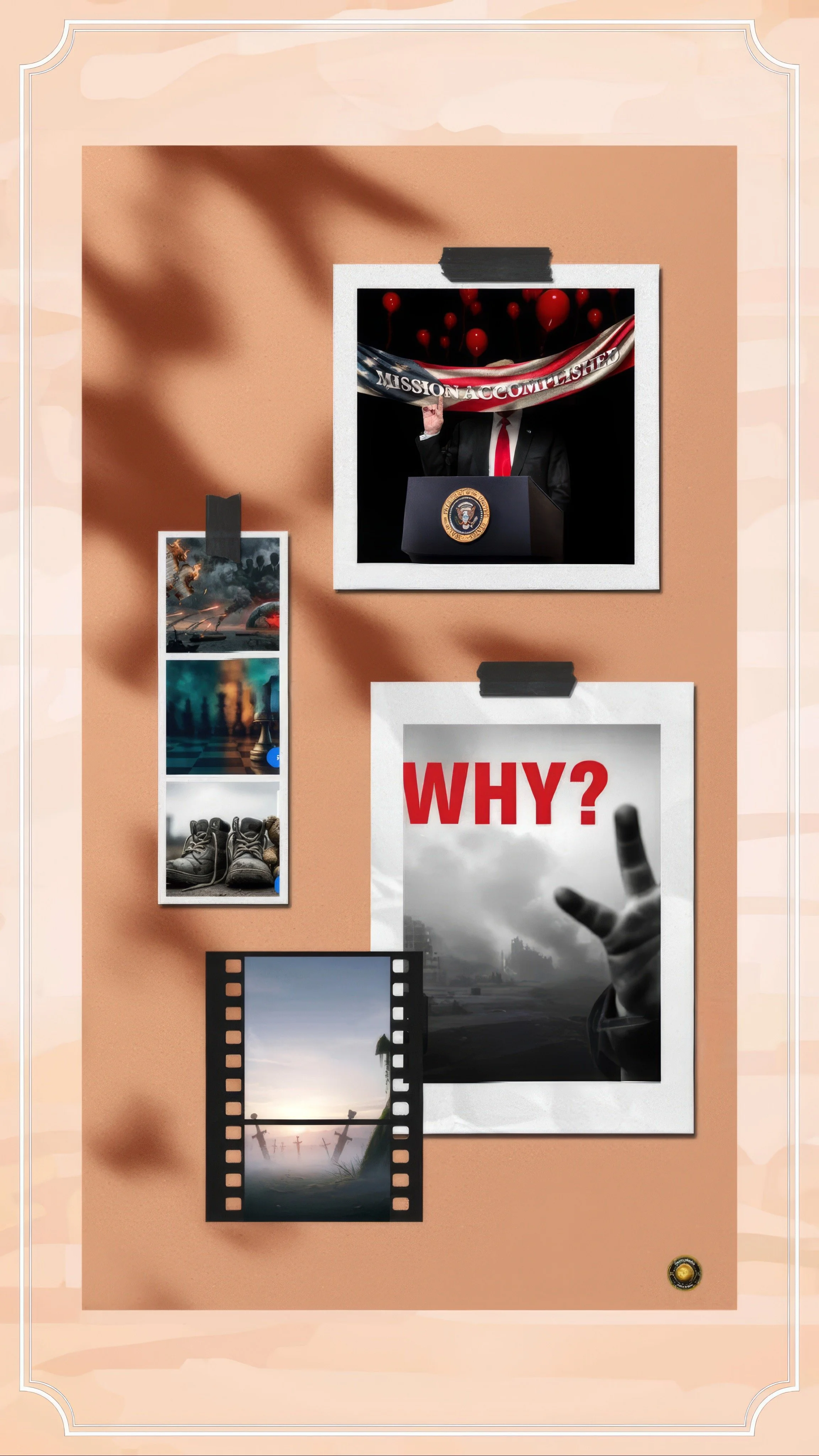
For Donald Trump, entering talks after threatening decisive action could be framed as retreat.
For Iran, negotiations must be consistent with its narrative of resistance and sovereignty.
A prolonged stalemate appears increasingly plausible. In this scenario, both sides continue limited operations without achieving decisive outcomes.
Iran’s strategy is well-suited to such a situation, emphasizing endurance and incremental gains.
The United States, by contrast, may find prolonged engagement politically and economically challenging.
The decisions made in the coming weeks will shape not only the trajectory of the conflict but also the broader regional and global landscape.
The stakes extend beyond immediate outcomes to encompass questions of credibility, deterrence, and the future balance of power.
Conclusion: The Meaning of Advantage in Modern Conflict
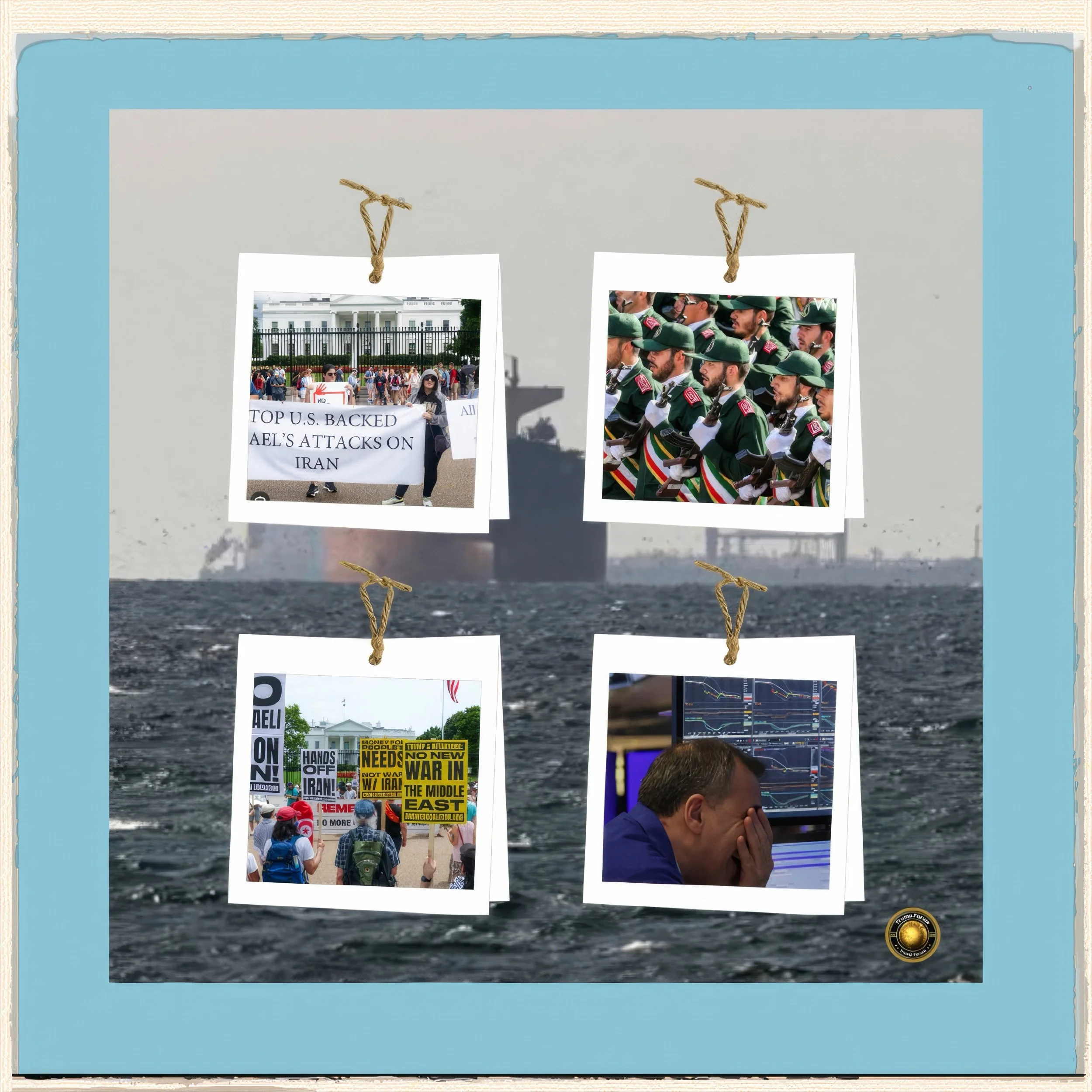
Markets Panic While Tehran Stabilizes Highlighting Divergence Between Perception and Operational Reality
The first month of this conflict has revealed a fundamental shift in the nature of advantage.
Traditional measures—military capability, economic power, technological superiority—remain important, but they are not decisive in isolation.
What matters increasingly is the alignment between political structures, military strategy, and societal resilience.
Iran’s advantage lies not in its strength but in its coherence.
The consolidation of authority within the Revolutionary Guards has created a system capable of rapid adaptation and sustained endurance.
This does not guarantee victory, but it complicates efforts to impose defeat.
For the United States, the challenge is to reconcile its objectives with the realities of the conflict.
Strategies based on assumptions of rapid collapse must be reconsidered. Approaches that account for the adaptive capacities of adversaries are required.
The war has entered a phase where time, rather than force, may determine outcomes. In such a phase, the stakeholder best able to sustain its strategy will prevail.
At present, Iran appears better positioned to do so.
The question is whether this advantage can be translated into lasting strategic gains, or whether the conflict will evolve in ways that alter the balance once again.