Advantage Iran: Beginners 101 Guide War Scenarios and Geography
Introduction
What this war is really about?
This war is not just about bombs, missiles, or soldiers. It is also about geography and how a country is organized inside.
Two big things explain why Iran looks stronger after one month of war.
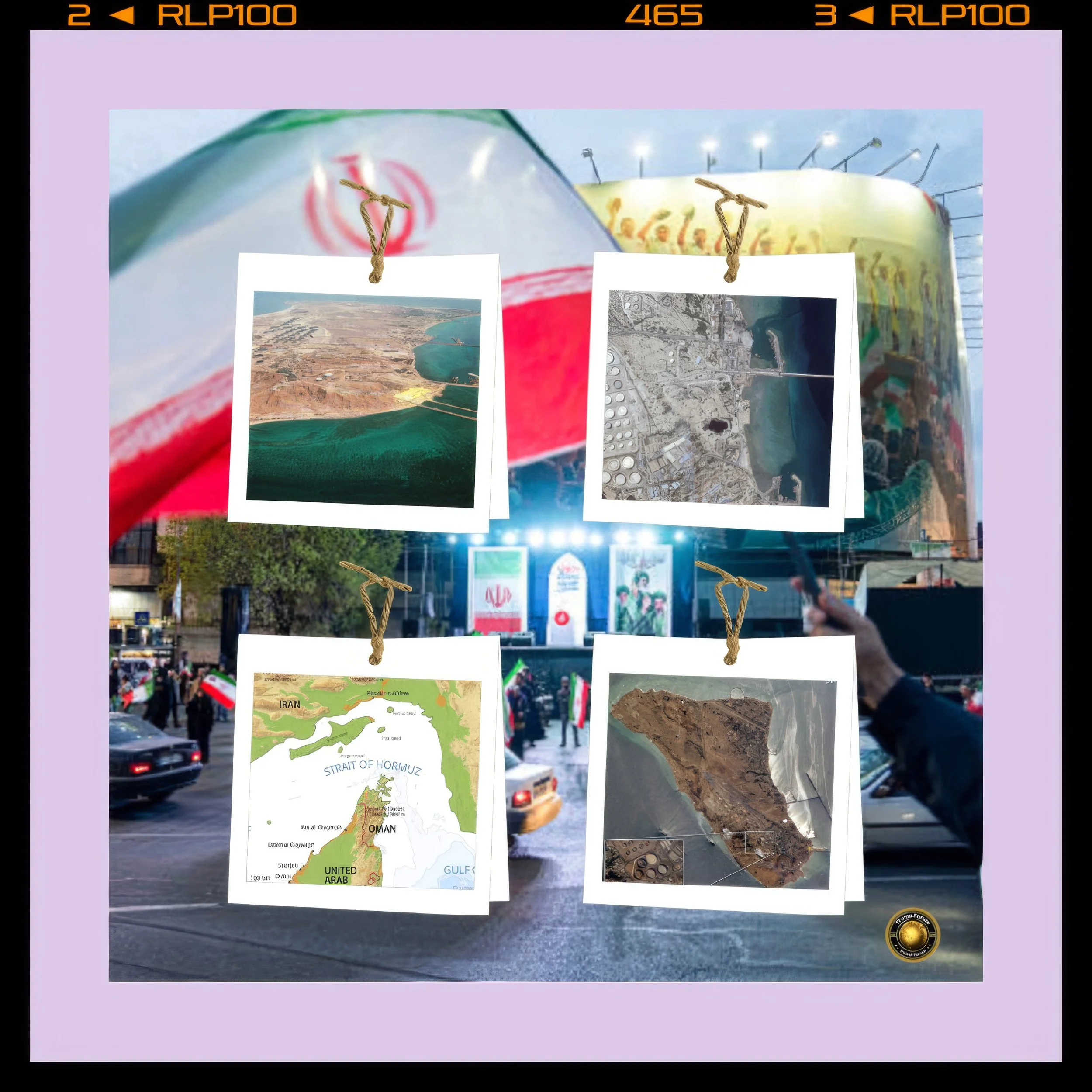
First is geography—places like the Strait of Hormuz and Kharg Island.
Second is internal control—how the Islamic Revolutionary Guard Corps is now running both the government and the war.
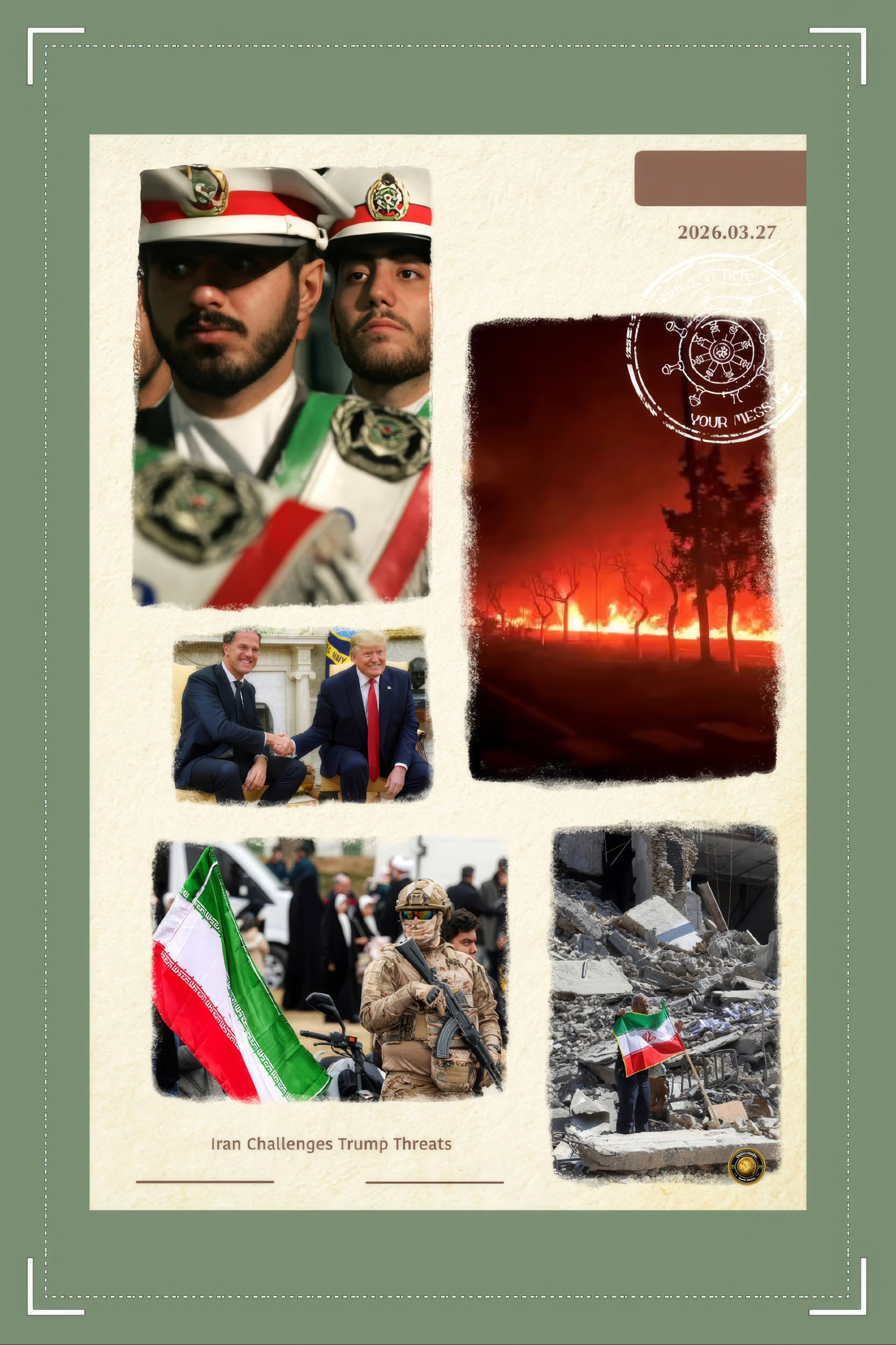
At the same time, Donald Trump is trying to decide what to do next.
Should the US increase attacks or start talks? This confusion is helping Iran.
The geography of leverage: Why the strait of hormuz matters
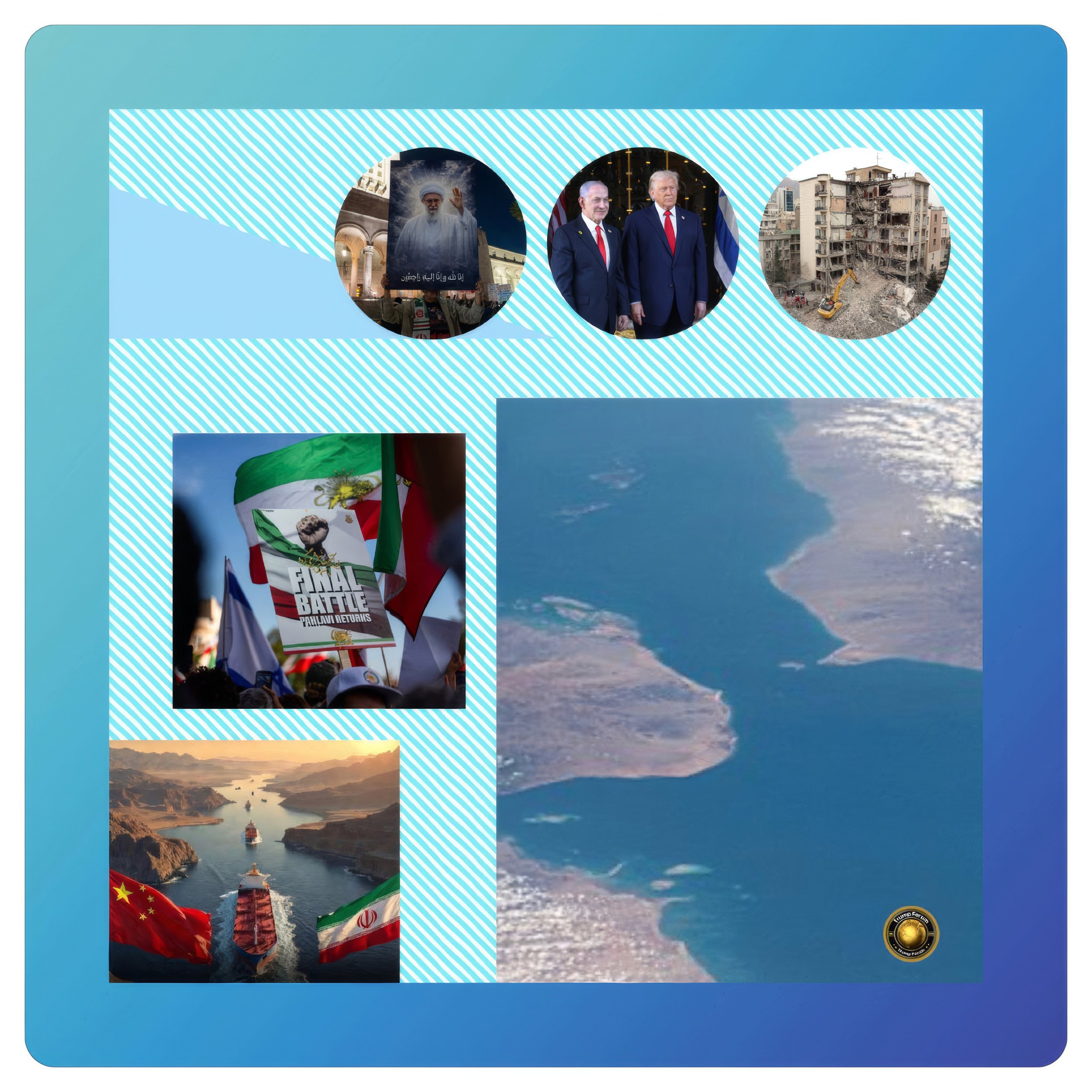
The Strait of Hormuz is one of the most important places in the world.
A large part of global oil passes through this narrow waterway every day.
It is very small and easy to threaten. Iran sits right next to it, which gives it a big advantage.
Here is the key idea:
The US can bomb targets inside Iran.
But Iran can threaten ships moving through Hormuz.
Iran does not need to completely block the Strait. It only needs to make it risky. Even small attacks or threats can cause big problems:
Oil prices go up
Shipping costs increase
Insurance becomes expensive
Companies get nervous
This means Iran can affect the global economy without winning a direct war.
That is why Hormuz gives Iran power, even though it is weaker in military terms.
Kharg island: An easy target but a dangerous trap
Kharg Island is Iran’s main oil export hub. Most of Iran’s oil is shipped from here.
So it looks like an obvious target. If the US destroys or captures it, Iran could lose money and power.
But this is where things get tricky.
Attacking Kharg is easy. Holding it is very hard.
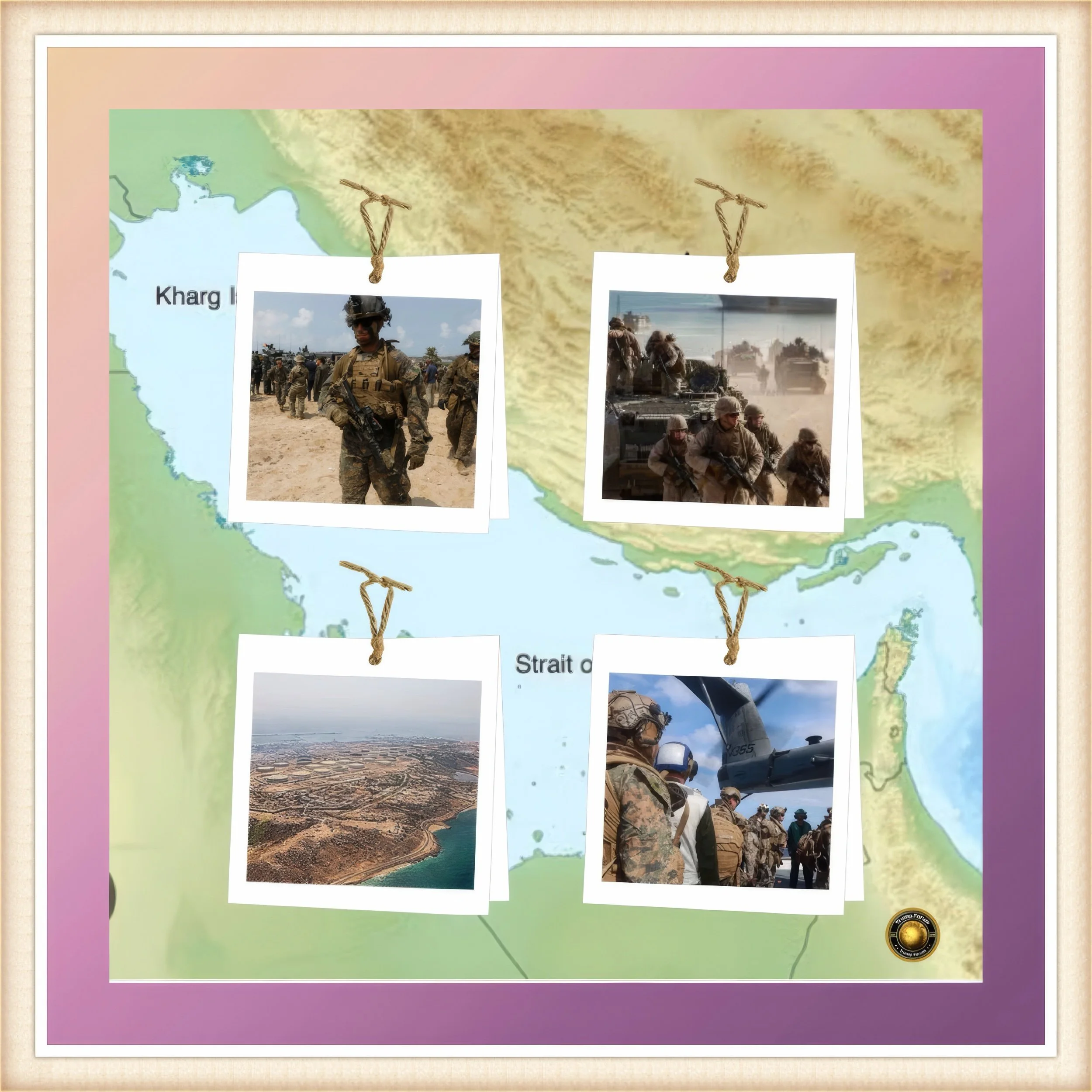
If US forces try to take the island, they will face:
Missile attacks
Drone strikes
Naval mines
Fast boats
Iran is very strong in this type of warfare. It does not need to defend the island in a normal way. It only needs to make it too dangerous for US forces to stay.
Also, US supply lines would be long and exposed. Iran’s supply lines would be short and protected.
So Kharg is a trap. It looks like a quick win, but it can turn into a long and costly problem.
Internal Changes: When the Guards take Control
Inside Iran, something very important has changed.
The Islamic Revolutionary Guard Corps is now the main power. It is not just a military force anymore. It is running the war and much of the government.
This has three big effects.
First, decisions are faster. There is less argument between different groups.
Second, the military and political goals are aligned. The same people decide and act.
Third, Iran can handle a long war better. The Guards are used to pressure and are more willing to continue fighting.
This makes Iran stronger in wartime, even if it becomes less flexible politically.
Scenario one: Talks and limited deal
In the first possible future, the US uses pressure to force a deal.
Donald Trump threatens more attacks but also opens the door for talks.
Iran may decide that it is better to make a limited agreement. This could include:
Reducing attacks
Keeping Hormuz stable
Starting negotiations
This would not end all problems. But it could reduce the fighting.
This is not a clear win for either side. It is more like stopping the damage before things get worse.
But this scenario is difficult. Both sides must trust that the other will not cheat. And both leaders must avoid looking weak.
Scenario two: Long Stalemate (most likely)
This is the most likely outcome.
The war continues, but nothing major changes.
The US keeps attacking some targets.
Iran keeps responding in small ways.
Neither side wins.
Over time, this becomes normal.
This situation actually helps Iran.
Why?
Because Iran only needs to survive.
If the government stays in power, it can say it has won.
The US, on the other hand, usually wants clear results.
A long war without success can become a problem politically and economically.
Also, Iran is now more organized because of the Revolutionary Guards.
This makes it easier to continue the fight.
So in a long stalemate, Iran slowly gains advantage.
Scenario three: Big Escalation and Wider War
This is the most dangerous situation.
The US decides to increase attacks or tries to capture places like Kharg Island.
Iran responds by expanding the war.
Instead of fighting directly, Iran may:
Increase pressure in the Strait of Hormuz
Target ships and energy infrastructure
Use allies in the region.
This spreads the conflict.
More countries may get involved. The situation becomes harder to control.
For the US, this is risky.
Even though it has a stronger military, it must protect many locations and long supply lines.
For Iran, this kind of war is familiar. It is designed to fight in indirect ways and make the conflict costly for everyone.
This scenario could lead to a much bigger regional crisis.
What it means that the guards run the state?
When people say the Revolutionary Guards are running the state, they mean something very important.
Iran is changing into a wartime system.
Before, different groups shared power.
Now, one main group is in charge.
This means:
Faster decisions
Stronger control
More focus on war
But it also means less flexibility. The government may be less willing to compromise.
For other countries, this makes things harder. You cannot easily divide or pressure Iran internally anymore.
Instead, pressure from outside may make the system even stronger.
Conclusion
Why iran has an advantage right now?
Iran’s advantage is not because it is stronger in weapons.
It is because of three key things.
First, geography.
The Strait of Hormuz gives Iran power over global oil and shipping.
Second, strategy.
Iran does not need to win the war. It only needs to survive and make the war costly.
Third, internal unity.
The Revolutionary Guards have made the system more organized and focused.
The US still has more military power. But power alone is not enough.
The real question is: can the US turn military strength into political success?
Right now, the answer is unclear.
And as long as that remains unclear, Iran keeps its advantage.