Why Strong nations lose wars and weaker rivals prevail in modern geopolitical landscapes and conflicts
Executive summary
Power beyond battlefield victories explains how wars are truly won and lost in global politics
The question of who wins wars has historically been framed in deceptively simple terms: the side with superior military strength prevails.
Yet this interpretation has repeatedly failed to explain real-world outcomes.
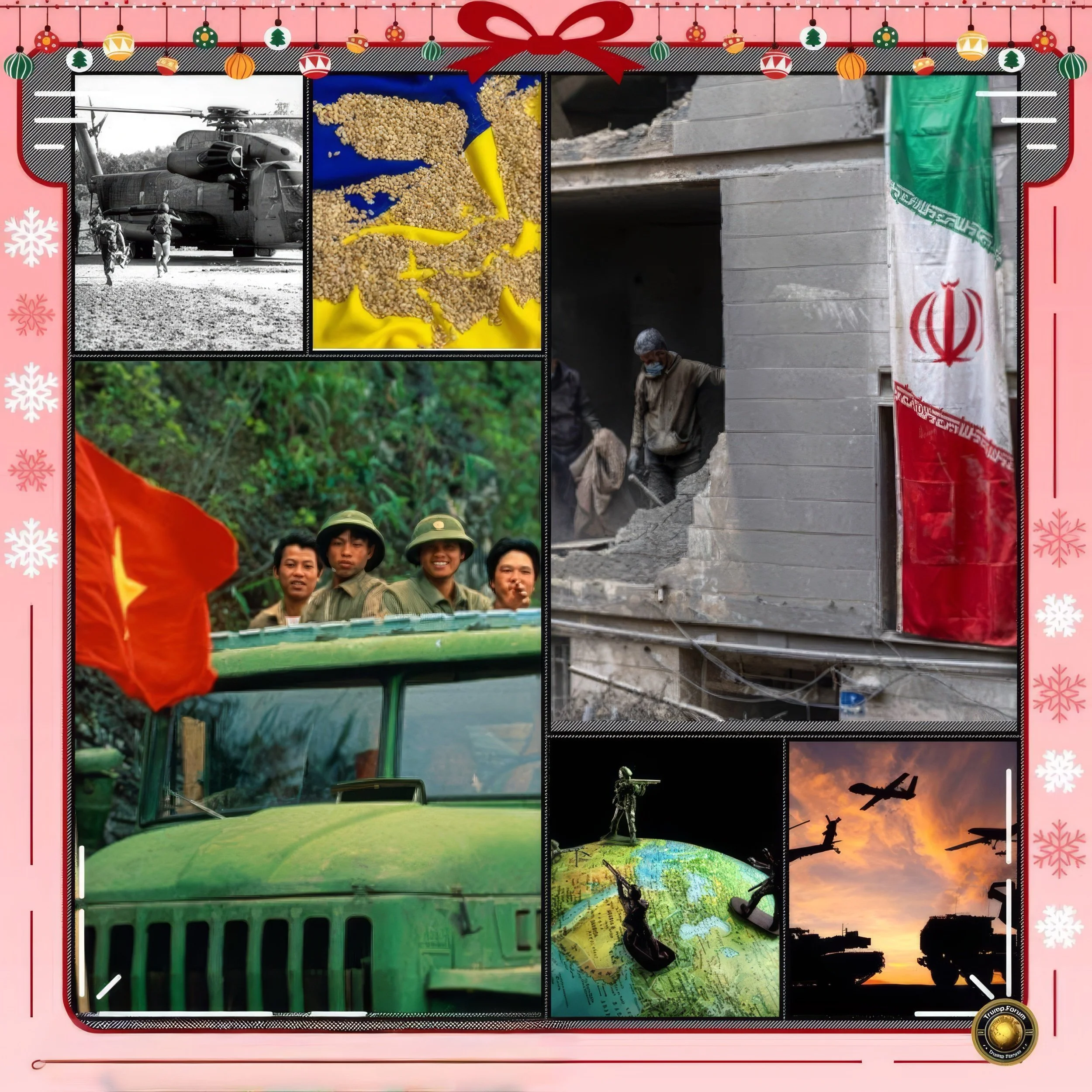
From Vietnam to Afghanistan, from Iraq to Ukraine, materially stronger stakeholders have struggled to convert battlefield dominance into lasting victory.
This paradox has driven a rethinking of war itself.
Drawing conceptually from Phillips Payson O’Brien’s argument that wars are decided by systems of power rather than isolated battles, this article contends that victory emerges from the integration of economic strength, strategic coherence, domestic legitimacy, technological adaptability, alliance networks, and narrative control.
Wars are not contests of destruction alone but competitions of endurance, perception, and political sustainability across the entire landscape of conflict.
Historical experience demonstrates that stakeholders win when they align military operations with political objectives, maintain internal cohesion, and degrade the adversary’s capacity to sustain resistance.
Conversely, stakeholders lose when they overestimate their capabilities, underestimate their opponents, or fail to adapt to evolving conditions. The causes of defeat are rarely singular; they are systemic.
In the contemporary geopolitical environment, the nature of war has expanded beyond traditional battlefields.
Economic sanctions, cyber operations, information warfare, and technological competition have become central instruments of power.
War and peace now exist on a continuum, with competition persisting even in the absence of open conflict.
The FAF article concludes that future wars will be decided less by decisive engagements and more by long-term systemic competition.
Stakeholders that can sustain economic resilience, maintain legitimacy, build effective alliances, and adapt strategically will prevail.
Those that rely on brute force, neglect domestic stability, or misread the broader landscape will fail, regardless of their apparent strength.
Introduction
From WWII to Ukraine, understanding who wins wars and why outcomes shift
The enduring fascination with decisive battles reflects a human preference for clarity.
From the plains of ancient Greece to the campaigns of Napoleon, history has often been narrated as a sequence of confrontations culminating in victory or defeat.
Yet this narrative obscures a more complex reality. Battles are symptoms of deeper structural dynamics, not their cause.
Phillips Payson O’Brien’s reinterpretation of warfare challenges this conventional perspective by shifting attention from battlefield engagements to the systems that enable them.
According to this view, wars are decided by the capacity to generate, sustain, and apply power over time.
Airpower, industrial production, logistics, and economic pressure shape the conditions under which battles occur, often determining outcomes before combat begins.
This framework resonates strongly with the evolution of modern conflict.
As globalization has interconnected economies and technologies, the instruments of war have expanded beyond the military domain.
Financial systems, supply chains, information networks, and public opinion have become integral components of strategic competition.
Understanding who wins wars, therefore, requires a holistic analysis that transcends traditional military metrics.
It demands an examination of how stakeholders mobilize resources, maintain legitimacy, and adapt to changing conditions across multiple domains.
It also requires a redefinition of victory itself, recognizing that success is not always absolute and that defeat is often gradual and cumulative.
History and current status
Economic strength, alliances, and strategy explain victory and defeat in modern war and power struggles
The transformation of warfare from battlefield-centric contests to systemic competition can be traced through several historical stages.
In pre-industrial societies, wars were often limited in scale and duration.
Logistics constrained the size of armies, and decisive battles could quickly determine outcomes.
Victory depended on leadership, tactics, and the ability to concentrate force at critical moments.
The industrial revolution fundamentally altered this dynamic.
Mass production enabled the mobilization of entire societies for war.
In WWI, the unprecedented scale of mobilization produced a stalemate in which neither side could achieve a decisive victory through battlefield engagements alone.
The war became a contest of endurance, with economic capacity and industrial output determining the eventual outcome.
World War II further reinforced the importance of systemic power.
The Allied victory was not merely the result of battlefield success but of overwhelming industrial production, efficient logistics, and effective coordination among multiple stakeholders.
The ability to sustain operations across multiple landscapes simultaneously proved decisive.
Airpower, in particular, played a critical role in disrupting enemy production and infrastructure, highlighting the importance of targeting systems rather than forces alone.
The Cold War introduced a new form of competition in which direct military confrontation between major powers was largely avoided.
Instead, the struggle unfolded across economic, technological, and ideological domains.
The United States and its allies ultimately prevailed not through decisive military victory but through the superior performance of their economic and political systems.
The collapse of the Soviet Union illustrated that systemic weaknesses could lead to defeat even in the absence of large-scale conventional war.
In the post-Cold War era, the limitations of conventional military superiority became increasingly apparent.
The United States, despite its unmatched military capabilities, encountered significant challenges in Iraq and Afghanistan.
These conflicts demonstrated that tactical victories could not compensate for strategic shortcomings.
The inability to establish stable political orders undermined the effectiveness of military operations, leading to prolonged engagements with ambiguous outcomes.
Today, the global landscape is characterized by hybrid warfare.
Conflicts in Eastern Europe, the Middle East, and the Indo-Pacific involve a combination of military, economic, and informational tools.
The boundaries between war and peace have blurred, creating a continuous state of competition in which stakeholders seek to advance their interests without triggering full-scale conflict.
Key developments
Lessons from history reveal why some nations win wars while others collapse despite strength
Several key developments have reshaped the nature of modern warfare and influenced the determinants of victory and defeat.
The first is the increasing centrality of economic power.
In an interconnected global economy, control over financial systems, supply chains, and critical resources has become a decisive factor.
Stakeholders that can impose economic pressure on adversaries while maintaining their own resilience gain a significant advantage.
Sanctions regimes, trade restrictions, and financial controls have emerged as powerful tools of coercion.
However, their effectiveness depends on the ability to sustain pressure over time and to coordinate actions among multiple stakeholders.
Economic warfare is not a substitute for military force but a complement that can shape the strategic environment.
The second development is technological transformation.
Advances in precision weapons, cyber capabilities, and artificial intelligence have altered the character of conflict.
These technologies enable stakeholders to project power with greater accuracy and efficiency while also creating new vulnerabilities.
Cyber attacks can disrupt critical infrastructure, while information operations can influence public opinion and undermine trust.
The third development is the rise of asymmetric strategies.
Weaker stakeholders have demonstrated that they can offset conventional disadvantages through unconventional tactics.
Insurgencies, guerrilla warfare, and hybrid approaches allow them to impose costs on stronger adversaries and prolong conflict.
This dynamic complicates traditional notions of victory, as the stronger side may achieve tactical success but fail to achieve strategic objectives.
The fourth development is the importance of alliances and coalitions.
Modern conflicts often involve multiple stakeholders with shared interests.
Alliances amplify capabilities, distribute costs, and enhance legitimacy. However, they also introduce complexity, as differing priorities and constraints must be managed.
The success of coalition warfare depends on coordination, trust, and the ability to maintain unity over time.
The fifth development is the growing significance of information warfare.
Controlling narratives, shaping perceptions, and influencing behavior have become central to strategic competition.
The ability to maintain domestic support and to undermine adversary morale can have a profound impact on the trajectory of conflict.
In an era of instant communication, information is both a weapon and a battlefield.
Latest facts and concerns
Understanding war outcomes today, why power systems, not battles, determine winners and losers globally
Recent conflicts provide valuable insights into the evolving dynamics of war.
In Eastern Europe, the conflict between Russia and Ukraine illustrates the interplay between military operations, economic sanctions, and international support.
Ukraine’s ability to resist a larger adversary has been enabled by external assistance, domestic resilience, and effective use of information.
At the same time, the conflict has highlighted the limits of sanctions in achieving rapid strategic outcomes.
In the Middle East, ongoing conflicts demonstrate the difficulty of achieving lasting stability.
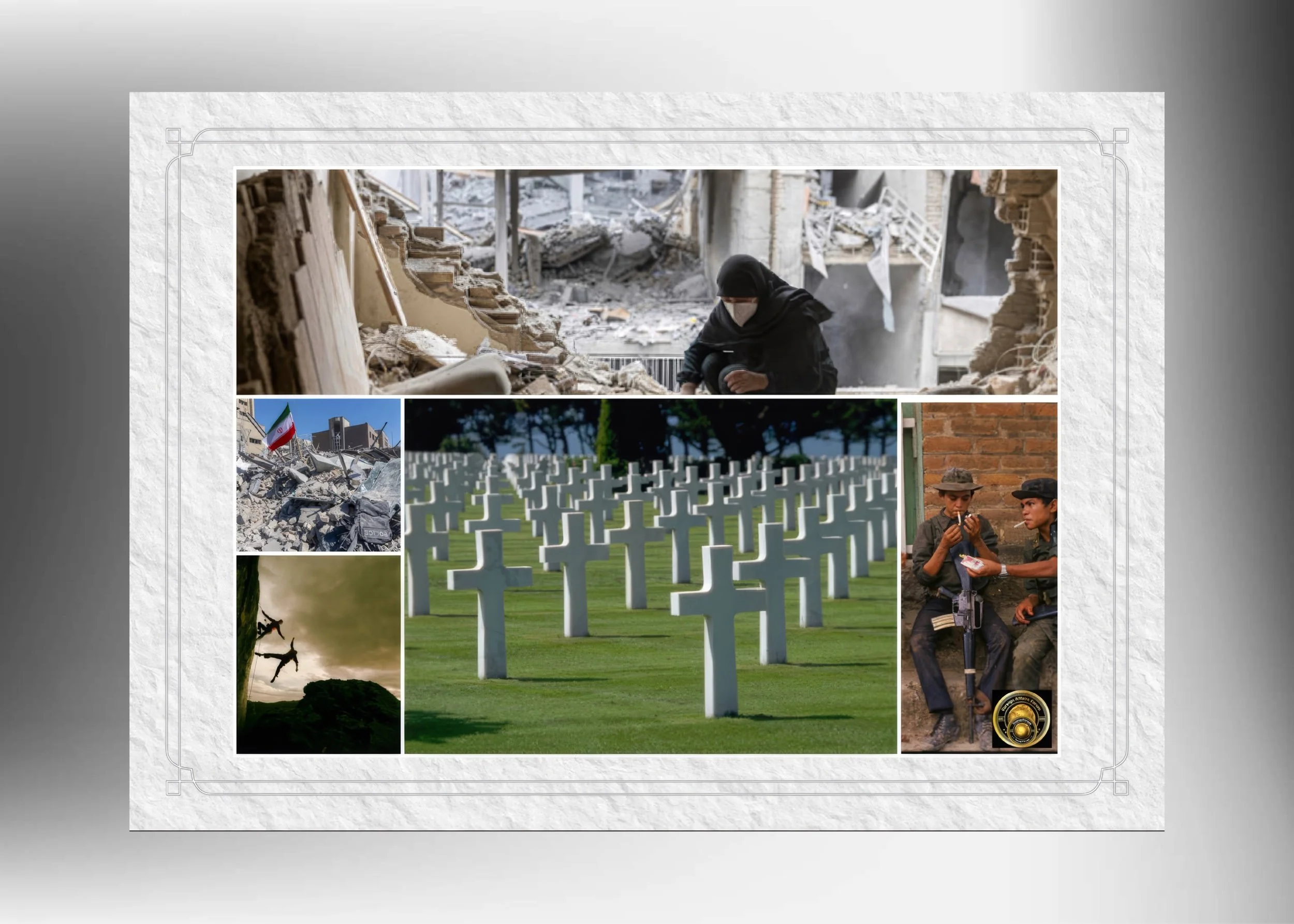
Stakeholders often achieve tactical victories but face long-term challenges, including regional instability, humanitarian crises, and domestic backlash.
The persistence of conflict reflects the complexity of the underlying political and social dynamics.
The Indo-Pacific region represents another area of concern.
Rising tensions between major powers highlight the potential for conflict in a landscape characterized by economic interdependence and strategic rivalry.
The risk of miscalculation is particularly significant, as actions intended to deter may be interpreted as escalatory.
Global concerns also include the proliferation of advanced weapons, the increasing role of non-state stakeholders, and the erosion of norms governing warfare.
The integration of cyber and space domains into conflict further complicates the strategic environment, creating new opportunities and risks.
Another critical concern is the impact of war on the global economy.
Disruptions to trade, energy supplies, and financial systems have far-reaching consequences, affecting not only the stakeholders directly involved but also the broader international community.
Cause and effect analysis
Understanding why stakeholders win or lose wars requires a detailed examination of the causal relationships between various factors.
Economic capacity serves as the foundation of strategic power.
It enables stakeholders to sustain military operations, invest in technological innovation, and support their populations.
Without economic resilience, even the most capable military forces cannot maintain effectiveness over time.
Strategic coherence is another critical factor. Stakeholders must define clear objectives and align their actions accordingly.
This requires a deep understanding of the adversary, the operational environment, and the broader political context.
Misalignment between military actions and political goals can lead to prolonged conflict and strategic failure.
Domestic legitimacy plays a decisive role. Wars require public support and political stability.
When stakeholders lose the confidence of their populations, their ability to sustain conflict diminishes.
This dynamic has been evident in numerous conflicts, where domestic opposition has constrained strategic options.
Adaptability is essential in a dynamic environment. Stakeholders that can adjust their strategies in response to changing conditions are more likely to succeed.
This involves learning from experience, embracing innovation, and maintaining flexibility. Conversely, rigid adherence to outdated strategies can lead to failure.
Alliance dynamics also influence outcomes. Effective alliances enhance capabilities and provide strategic depth.
However, they require careful management to ensure cohesion and alignment of interests. Disagreements among stakeholders can weaken collective efforts and undermine effectiveness.
Information control shapes perceptions and influences behavior.
Stakeholders that effectively manage narratives can maintain support and undermine adversaries. In contrast, failure to control information can erode legitimacy and weaken resolve.
Losing wars often involves the inverse of these factors. Overconfidence leads to underestimation of adversaries.
Resource constraints limit operational effectiveness. Internal divisions weaken cohesion.
Strategic rigidity prevents adaptation. Misalignment between military actions and political objectives fails.
Comparative case studies: winners and losers in practice
A deeper understanding emerges when examining specific conflicts.
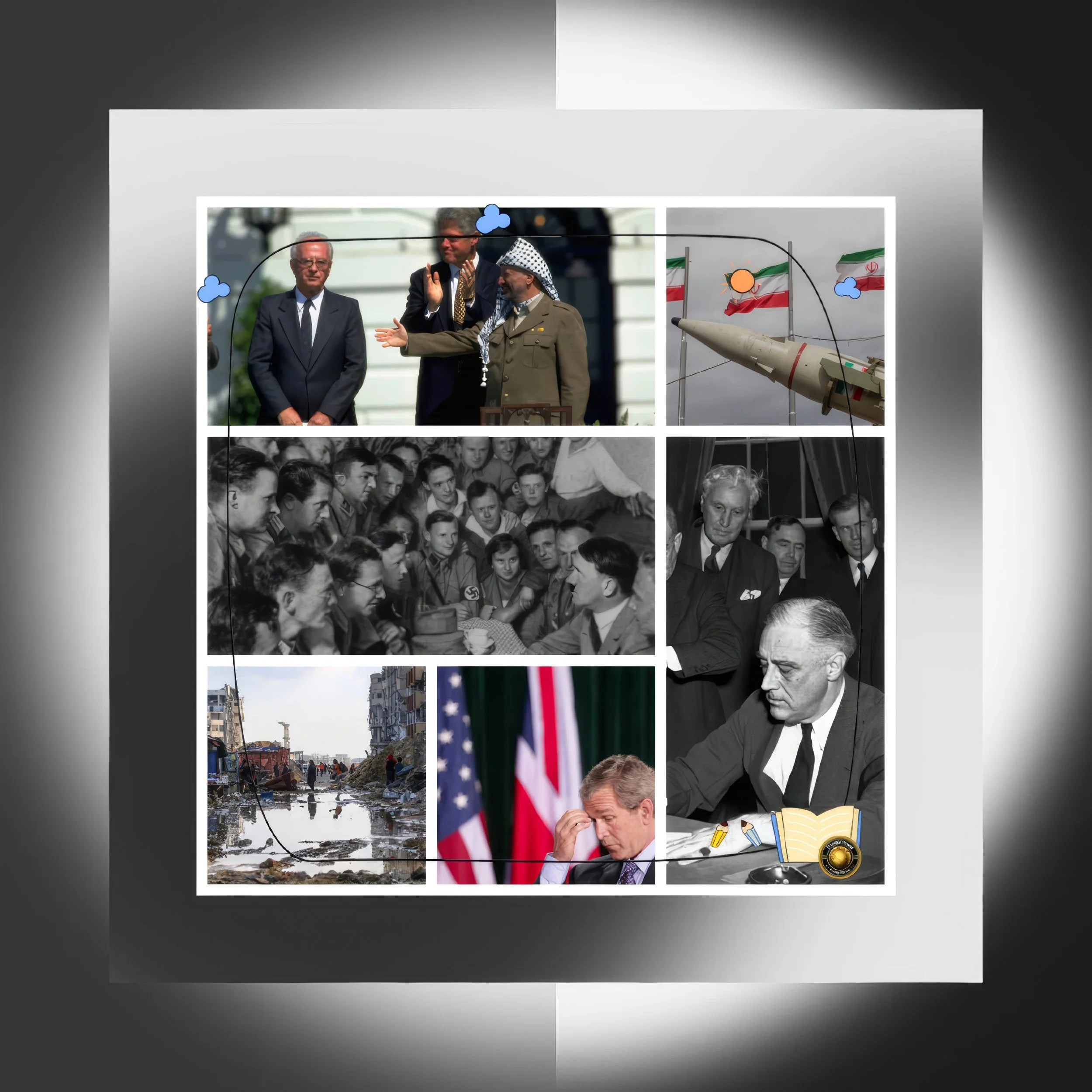
In WWII, the Allied stakeholders exemplified systemic superiority.
Their ability to coordinate production, logistics, and strategy across multiple landscapes allowed them to overwhelm the Axis powers.
The Axis powers, despite initial successes, failed to sustain their efforts due to resource constraints and strategic overreach.
In Vietnam, the United States demonstrated overwhelming military superiority but failed to achieve its political objectives.
The Vietnamese stakeholders, despite limited resources, leveraged local knowledge, political commitment, and asymmetric tactics to sustain resistance.
The outcome illustrates how weaker stakeholders can prevail by aligning strategy with political goals.
In Afghanistan, both the Soviet Union and the United States encountered similar challenges. Despite their military capabilities, they struggled to establish stable political systems.
Local stakeholders exploited these weaknesses, leading to prolonged conflict and eventual withdrawal.
In Ukraine, the conflict highlights the importance of external support, domestic resilience, and information warfare.
While neither side has achieved a decisive victory, the ability to sustain operations and maintain support has been critical.
These cases demonstrate that victory is not determined by a single factor but by the interaction of multiple elements.
Future steps
Modern warfare shows victory depends on resilience, strategy, and legitimacy, not just firepower alone
Looking ahead, the determinants of victory and defeat are likely to evolve further.
Economic resilience will remain central, as stakeholders seek to secure supply chains and reduce vulnerabilities.
Technological innovation will continue to shape the balance of power, creating new opportunities and challenges.
Alliance-building will become increasingly important, particularly in a multipolar world.
Stakeholders must develop strategies to manage complex relationships and balance competing interests.
Information warfare will become more sophisticated, requiring stakeholders to invest in capabilities to counter misinformation and protect domestic narratives.
Finally, stakeholders must adapt their understanding of victory.
In a world of continuous competition, success may be measured not by decisive outcomes but by the ability to maintain stability and advance long-term interests.
Conclusion
Why military superiority alone fails and how smarter stakeholders win wars in complex global conflicts
Wars are not won by strength alone.
They are won by stakeholders that can integrate economic power, strategic clarity, domestic cohesion, adaptability, alliances, and narrative control across the entire landscape of conflict.
The lessons of history and the realities of contemporary geopolitics converge on a single insight: victory is systemic.
It emerges from the alignment of multiple factors over time.
Stakeholders who understand this complexity are more likely to succeed. Those that rely on narrow conceptions of power risk failure.
In the modern era, the question is no longer simply who wins wars, but how power is exercised and sustained.
The answer lies not in battles alone but in the broader systems that shape them.