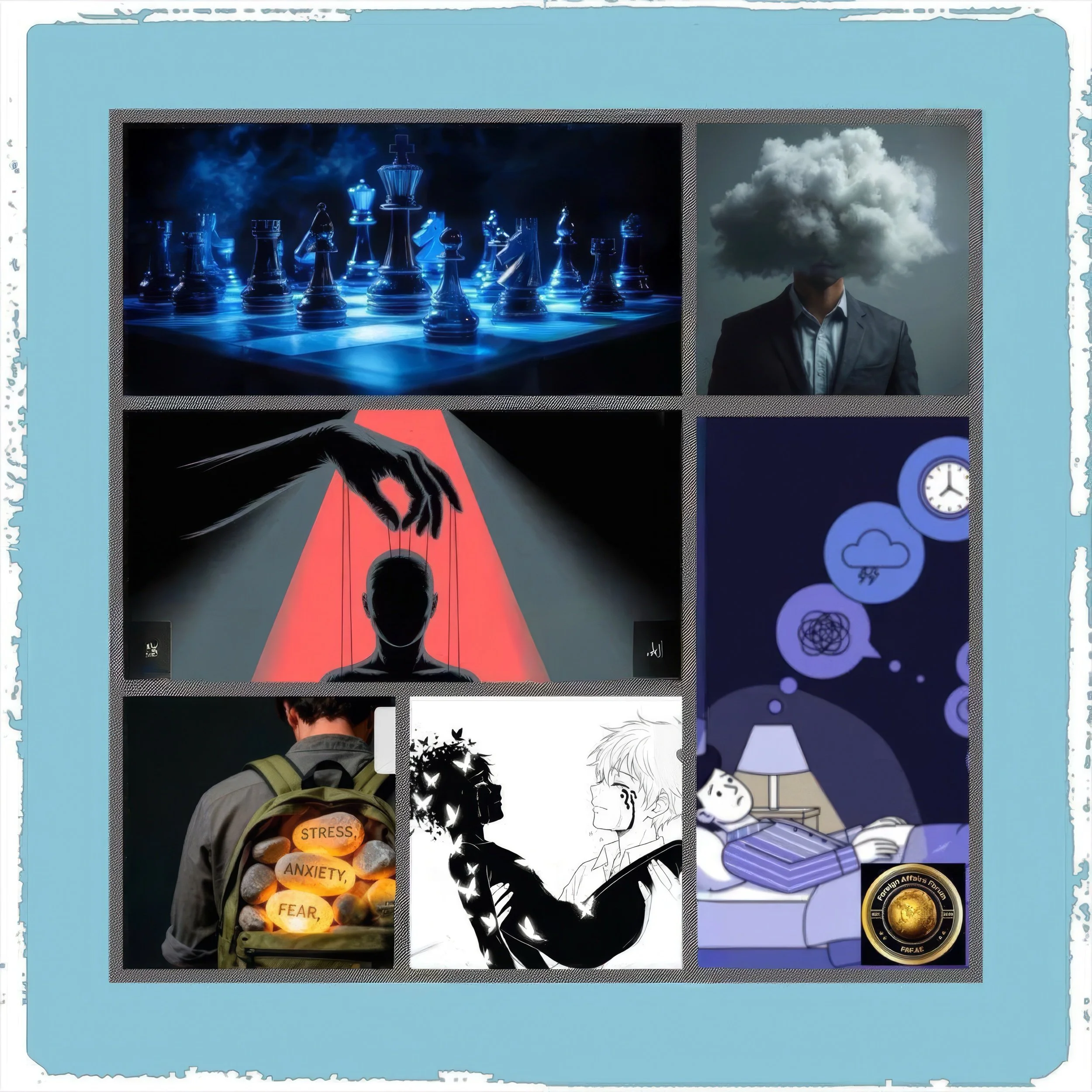
When Powerful Men Refuse to Lose: Ten Leaders Shaping a Dangerous World- Beginners Guide to Dark Psychology of World Leaders - Warmongers
Executive Summary
Ten of the world's most powerful leaders share a common problem.
They cannot stand to lose. They see the world as a competition, and they believe that any retreat — whether on a battlefield, in a negotiation, or in a courtroom — is the same as personal destruction.
FAF article explains who these leaders are, how their behavior connects to the wars and crises of the past hundred years, and what might happen next if nothing changes.
One of them — Nicolás Maduro of Venezuela — has already been physically removed from power by American forces, yet the system he built continues to function, which tells us something important about how dangerous these leaders really are.
Introduction: Leaders Who Changed the Rules
Imagine a game of chess where one player decides, halfway through, that the rules no longer apply to him.
The player starts moving pieces in ways that are not allowed.
He flips the board when he is about to lose. And because the other players are afraid of him, they let him get away with it.
This is a simple way to understand what is happening in global politics today.
Several of the world's most powerful leaders — including Donald Trump of the United States, Vladimir Putin of Russia, and Benjamin Netanyahu of Israel — have decided that the normal rules of international behaviour do not apply to them.
And because they control powerful militaries, nuclear weapons, or vast oil wealth, the rest of the world has found it very difficult to stop them.
History and Current Status: From World War One to Today
To understand why today's leaders behave the way they do, it helps to go back to World War One, which ended in 1918.
That war killed more than 20 million people, collapsed four great empires — the Ottoman, Austro-Hungarian, Russian, and German — and left millions of people feeling humiliated, robbed, and angry.
Those feelings of humiliation were like dry wood waiting for a spark.
Leaders like Adolf Hitler in Germany and Benito Mussolini in Italy used those feelings to take power.
They told their people: "You are great. You were cheated. I will restore your glory."
This message worked. And it works exactly the same way today brought in by Donald Trump in his ultra nationalist message MAGA.
Vladimir Putin tells Russians that they are a great civilisation that was humiliated when the Soviet Union collapsed in 1991.
His invasion of Ukraine in 2022, now in its 4th year, is the result of a man who genuinely cannot separate Russia's national identity from his own personal identity.
When analysts studied Russian political elites, they found that the more powerful a Russian felt personally, the more likely he was to see Ukraine as a threat — not because of any strategic logic, but because powerful people see threats everywhere.
Donald Trump tells Americans that their country was "great" before and was then cheated — by China, by immigrants, by international agreements.
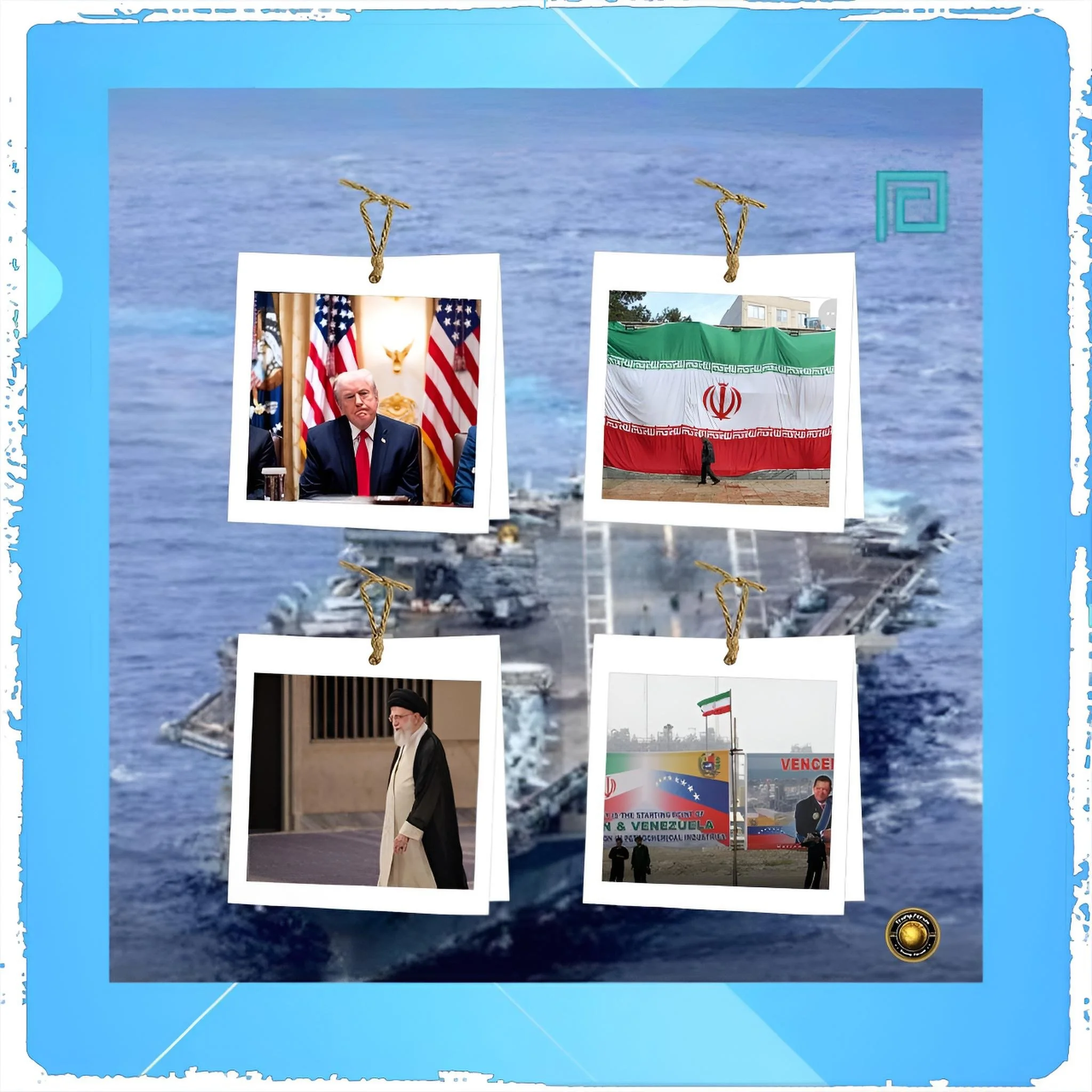
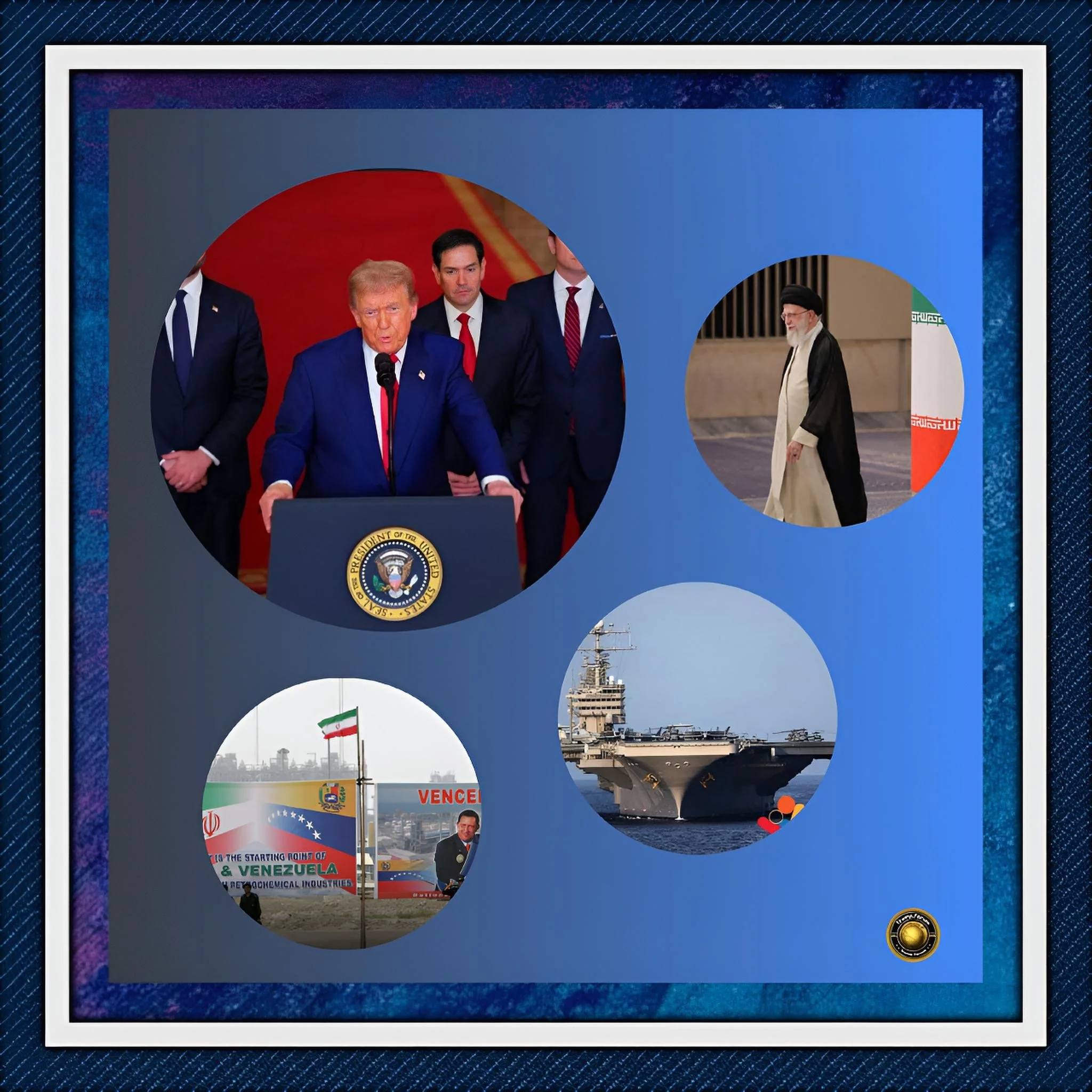
In early 2026, his administration conducted a military operation that resulted in the capture of Venezuela's president, threatened Iran, and pursued the acquisition of Greenland.
In his latest message in ‘Truth-social’ to Europe, he has again reiterated that EU needs to step up and help America or else he goes back to his ambitions to acquire Greenland. Europe is complying.
This is not random. It is the behavior of a leader whose entire identity is built around winning, and who experiences any limit on American power as a personal insult.
Benjamin Netanyahu of Israel has spent more than three decades telling Israelis that without him, the country would be destroyed.
While facing serious criminal charges at home, he has expanded Israeli military operations across the region to their largest scope in the country's history.
As analysts have noted, both he and Putin "confuse their own survival with the survival of the state."
Key Developments: Eight More Leaders Doing the Same Thing
This pattern is not limited to three leaders. Xi Jinping of China has declared that absorbing Taiwan — which has governed itself independently for 75 years — is "unstoppable."
In late 2025, he ordered the largest military exercises ever conducted around the island, hours after making that declaration.
Think of it this way: a person who tells you they are going to take your house, and then parks tanks outside your front door, is not making a casual statement.
Recep Tayyip Erdogan of Turkey has built a foreign policy around never fully committing to anyone. He is a NATO member but buys Russian weapons.
He supports Ukraine but negotiates with Moscow. He wants European Union membership but acts like he does not need it.
This is not confusion — it is a deliberate strategy to stay indispensable to everyone and dependent on no one.
Mohammed bin Salman, the Crown Prince of Saudi Arabia, launched a military intervention in Yemen in 2015 that became one of the world's worst humanitarian disasters within the first few months of his rise to real power.
He also ordered the murder of a journalist inside a Saudi consulate in Istanbul in 2018, a notable non-forgiving lesson in history book’s.
These are not the actions of a careful, cautious leader. They are the actions of someone who reached extraordinary power very quickly and found almost no one willing to say no to him.
Nicolás Maduro of Venezuela offers perhaps the most dramatic story of any leader in this analysis.
He took power in Venezuela in 2013 after the death of Hugo Chávez and spent more than a decade using police, criminal gangs, and loyal para-military groups called colectivos to crush any opposition.
His country went from being one of Latin America's wealthiest — it has the world's largest known oil reserves — to one of its poorest.
About 8 million Venezuelans, nearly 25% of the population, fled the country.
All the while, Maduro told Venezuelans that their suffering was caused by American imperialism, not by his own government's failures.
In January 2026, US forces ‘unconstitutionally’ captured him in Caracas — an extraordinary event that shocked the world.
Yet the system he built continued to operate under his vice president.
The lesson here is simple and chilling: when an authoritarian leader builds a powerful enough machine of repression, removing the leader does not remove the machine.
Kim Jong-un of North Korea is the son and grandson of dictators.
He has executed his own family members — including his uncle and his half-brother — to remove any potential rivals.
His country, with a population of about 25 million people, has spent enormous resources building nuclear weapons and missiles capable of reaching the United States, rather than feeding its people.
In 2024, he sent North Korean troops to help Russia fight in Ukraine — the first time his regime directly participated in a foreign war.
Late Ayatollah Ali Khamenei of Iran ruled through a religious system that says his authority comes directly from God.
This means that any challenge to his decisions is not just politically wrong — it is religiously forbidden.
Under his leadership, Iran has funded armed groups across Lebanon, Gaza, Syria, Yemen, and Iraq, and has advanced a nuclear program that brought the United States and Israel into direct military confrontation with Iran.
Alexander Lukashenko of Belarus has been called "Europe's last dictator." He won a fraudulent election in 2020 and then used police violence to crush massive protests against him.
He is now so dependent on Putin's support that Belarus has essentially become part of Russia's strategic orbit — a cautionary example of what happens when a leader's personal survival becomes entirely dependent on an even more powerful authoritarian partner.
Latest Facts and Concerns: The World in 2025 and 2026
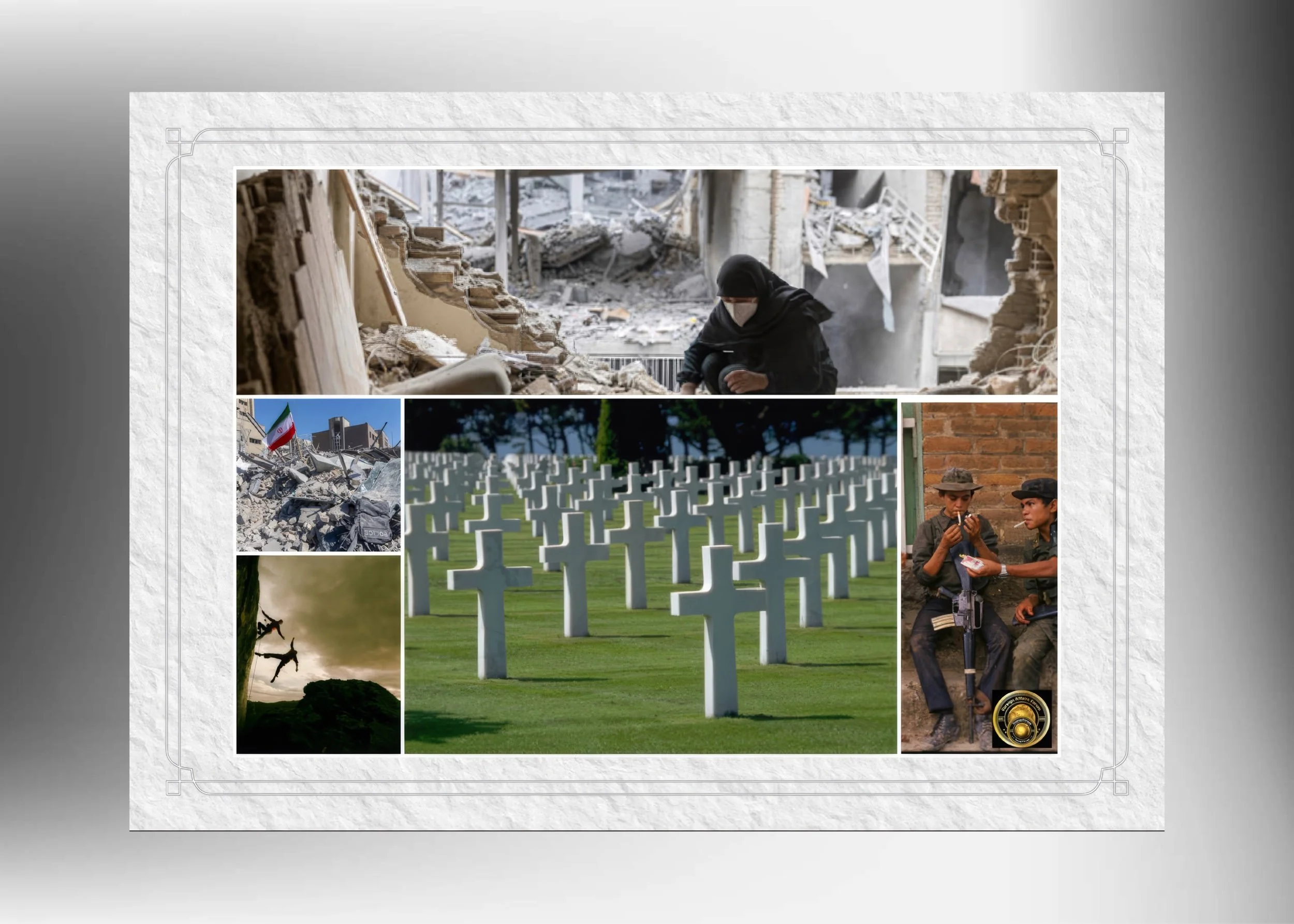
The International Committee of the Red Cross described the world in its 2026 humanitarian outlook as "a world succumbing to war."
The organization noted that across many conflicts, "the shared sense of humanity that restrains violence is eroding."
In plain language: it is becoming normal for armies and governments to do things to civilian populations that used to be considered unthinkable.
In the first three months of 2026, there are active major wars in Ukraine, Gaza, Sudan, and Yemen, with ongoing military tensions across the Taiwan Strait, and a volatile situation following the American seizure of Venezuela's president.
Trump's tariff policies have fragmented the global trading system in ways that economists compare to the 1930s — the decade that ended in WWII.
North Korean troops are fighting in Europe.
Israeli operations have struck Iran directly.
And the United States has physically captured the leader of a foreign country in what some nations are calling a return to gunboat diplomacy.
Cause and Effect: Why This Keeps Happening
There is a very human reason why powerful leaders become dangerous over time.
Researchers who study the brain have found that winning repeatedly changes how leaders think.
It makes them see threats everywhere, take bigger risks, and lose the ability to understand how other people see the world.
This is sometimes called the "winner effect," and it operates like a drug — the more power a leader accumulates, the more their brain changes in ways that make them crave more power and fear any loss more intensely.
There is also a more cynical explanation. When leaders face personal problems — criminal charges, falling popularity, economic crises at home — they have a powerful incentive to start or escalate a conflict abroad.
Maduro's case is perhaps the clearest example of all: every time Venezuela's economy worsened, every time more people fled the country, every time his legitimacy weakened, his repression at home became harsher and his anti-American rhetoric became louder.
His personal survival and his country's destruction became two sides of the same coin.
Netanyahu's corruption trials and his simultaneous expansion of military operations follow exactly the same logic.
Putin's inability to win quickly in Ukraine and his escalating demands on Russian society follow it too.
Future Steps: What Could Change Things
The first step is recognizing the pattern. When a leader begins identifying their own survival with their country's survival, when they call all domestic critics traitors and all foreign pressure conspiracies, the warning signs are clear.
The international community needs better tools to identify and respond to these patterns before they produce catastrophes — before the chess player has already flipped the board.
The second step is addressing the conditions that produce these leaders. People support strongmen when they feel economically left behind, culturally disrespected, or politically powerless.
Fixing those underlying conditions — through genuine economic inclusion, institutional reform, and political accountability — removes the dry wood that authoritarian leaders use to light their fires.
Venezuela's tragedy is the clearest possible illustration: a country with the world's largest oil reserves produced both extreme poverty and an extreme authoritarian because its political institutions never developed the strength to resist the fusion of oil wealth with personal power.
The third step is reforming the international institutions that these leaders have learned to block and manipulate.
The United Nations Security Council, where both Russia and China can veto any action, has been unable to respond to the Ukraine war, the Gaza crisis, or any other major conflict involving its permanent members.
A system designed in 1945 to prevent the next world war is struggling to manage the crises of 2026.
Conclusion: The Choice Ahead
Every one of the ten leaders examined in this article came to power with popular support.
Putin was celebrated as the man who restored Russian pride after the chaos of the 1990s.
Trump won two presidential elections in the world's oldest major democracy and has turned world into a major chaos coming directly under influence of Israel.
Maduro carried forward the emotional legacy of a genuine popular movement before converting it into an instrument of personal survival.
This means that the problem is not simply the leaders themselves — it is the conditions that make populations choose leaders who promise greatness through dominance rather than security through cooperation.
Maduro's capture is a cautionary ending that is not really an ending.
His removal from power produced not democracy but "reconfigured authoritarianism," in the words of one leading analytical organization — the same repressive machine, operating under a different name.
History's lesson, from the trenches of WWI to the ruins of Gaza to the streets of Caracas, is that leaders who refuse to accept limits do not stop until something stops them.
And the systems they build to keep themselves in power often outlast the individuals who built them.
Whether the present generation of democratic societies will find the will to address these patterns at their structural roots — rather than simply removing individual leaders while leaving the conditions that created them untouched — is the most important political question of our time.