Executive Summary
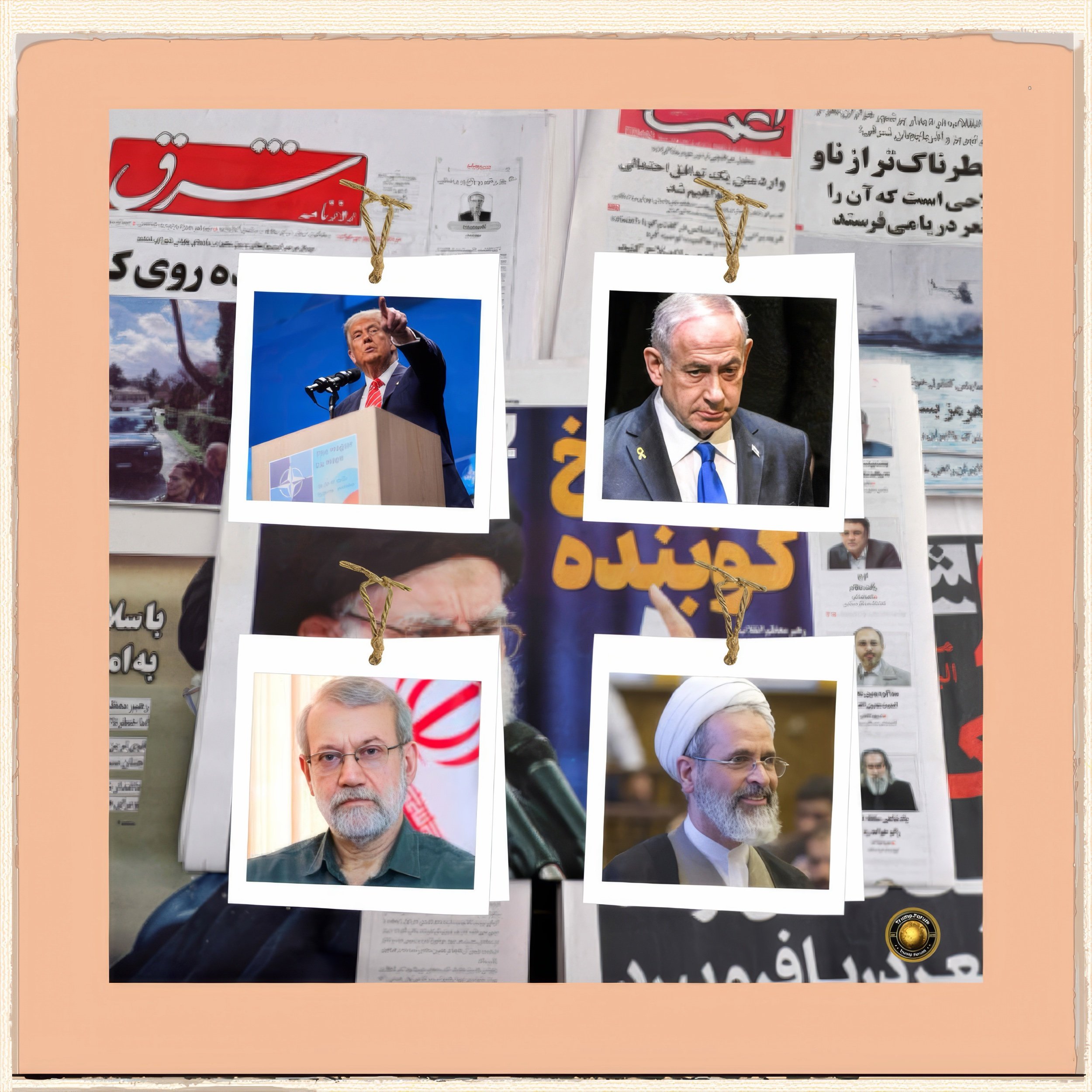
Many people think Iran will collapse if its top leader is killed.
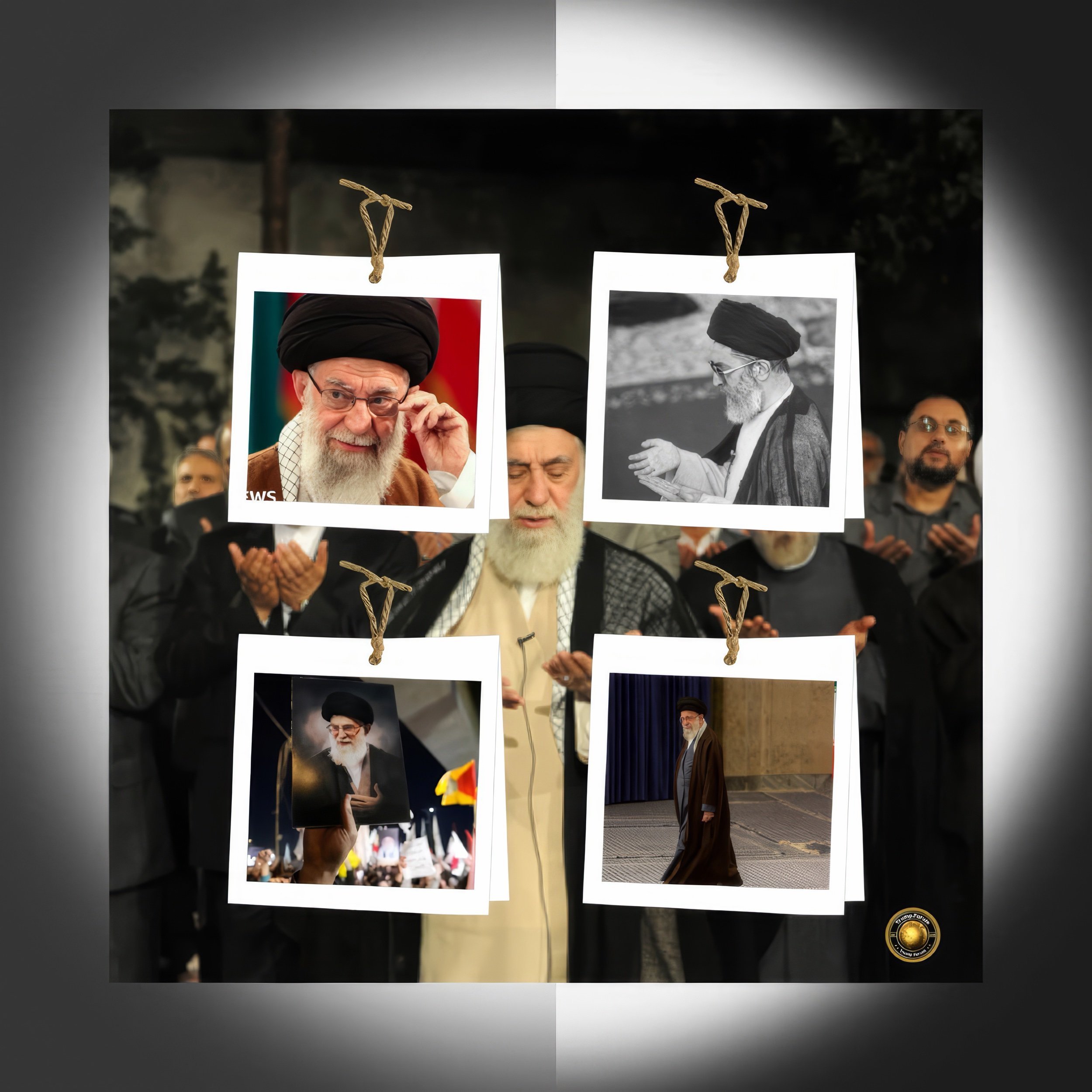
But Iran has rules and power centers that can keep the system running. Reports say Ali Khamenei was killed in U.S.-Israeli strikes on 2026-02-28. If this is true, Iran can still continue as a state because it has a process to choose a new supreme leader, and it has strong security forces that can enforce order.
In the short term, Khamenei’s death could make the regime stronger, not weaker.
The government can describe the killing as foreign aggression, create a martyr story, and justify tougher controls. In the medium term, Iran could become more hardline, more secretive, and more willing to escalate conflict.
Introduction
When a famous leader dies, outsiders often expect the whole system to fall. This sometimes happens in highly personal regimes. But Iran is not only one person.
Iran is a system with many parts: clerics, councils, courts, the Revolutionary Guard, and a constitution that explains what to do if the leader is gone.
So the main question is not “Can Iran survive?” The question is “What will Iran become after the shock?”
History and Current Status
Iran’s system began after the 1979 revolution. The supreme leader was designed to be the final authority.
In 1989, the first supreme leader died, and Iran did not collapse. A new leader was chosen, and the system continued.
Iran has also survived other big shocks. In 2020, the U.S. killed Qassem Soleimani, a very important commander. Iran was angry and shocked, but the state continued, and a new commander replaced him.
This shows a basic truth: Iran has experience replacing leaders under pressure.
Today, Iran faces economic pain, social anger, and war danger. But the state still has a strong security structure. That structure is designed to survive crises.
Key Developments
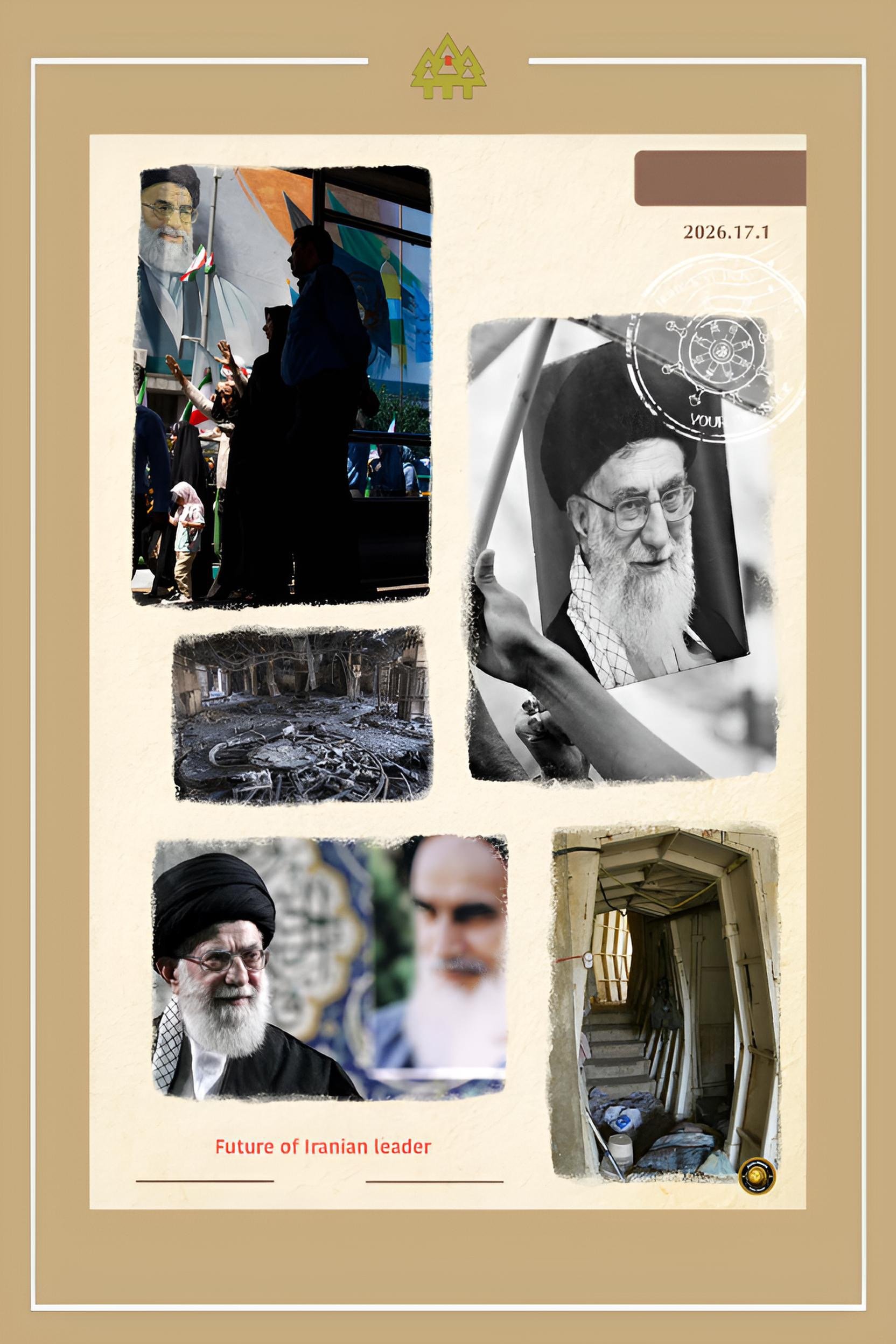
The biggest development is the reported killing of Khamenei in strikes on Tehran. This is a major event because Khamenei was the symbol of the system for decades.
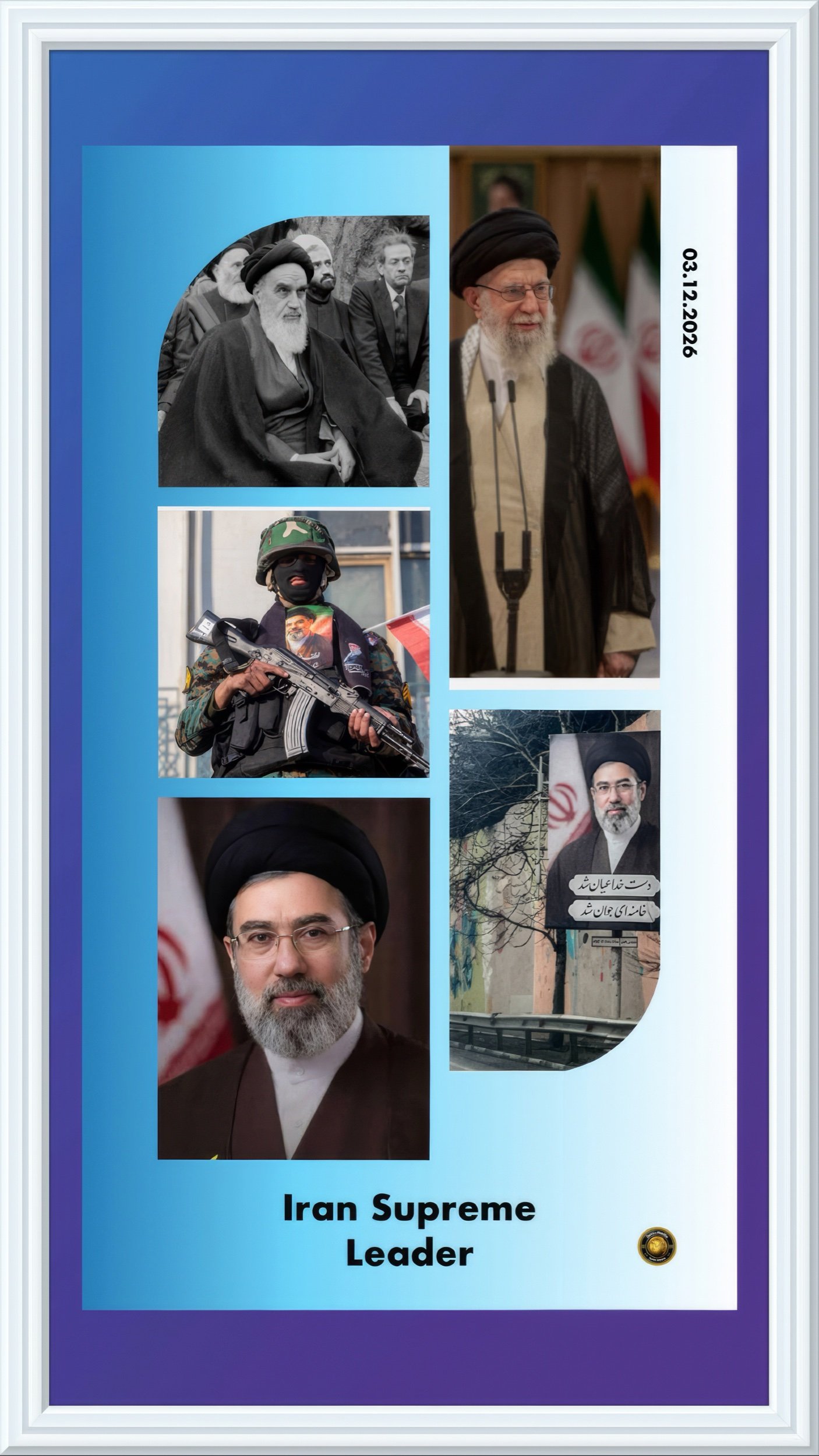
Another key development is succession. Iran has an institution called the Assembly of Experts that is responsible for choosing a new supreme leader.
The constitution also allows temporary arrangements if needed. This does not mean the process is open or democratic. It means there is a script the elites can use to avoid chaos.
Third development is the Revolutionary Guard’s role. The Guard is not only a military group. It is also an intelligence power and an economic power.
In a crisis, it can become the most important stabilizer, and it can also shape who becomes the next leader.
Latest Facts and Concerns
Reports say Khamenei’s death has been confirmed by Iranian state media, while the regional conflict continues and foreign leaders react.
The concern is that this type of killing can increase escalation. Iran may feel it must respond strongly to prove it is not weak.
Another concern is nuclear risk. When leaders feel personally targeted, they may want the strongest deterrent possible. For Iran, that can mean moving faster toward a nuclear threshold.
A further concern is domestic repression. After a leader is killed, the state can say, “We are under attack,” and use that to arrest opponents, restrict the internet, and ban protests.
This can reduce unrest in the short term, but it can create deeper anger later.
Cause-and-Effect Analysis
Cause: the supreme leader is killed.
Effect: Iran declares emergency conditions, expands security, and uses mourning and anger to unite supporters.
Example: If a foreign power kills a leader, even people who dislike that leader may still feel insulted. A person can think “I do not like my government” and also think “A foreign strike on my country is wrong.” That feeling can reduce protests for a period.
Cause: elites fear internal fighting.
Effect: elites rush to show unity and choose a successor quickly, using the Assembly of Experts as the formal legal cover.
Cause: the Revolutionary Guard fears regime collapse.
Effect: the Guard increases control and argues that only security discipline can protect the country.
Cause: Iran survives the shock.
Effect: the regime can claim victory and become more hardline, because it believes toughness saved it.
Future Steps
If outside powers want less conflict, they should think carefully about what kind of Iran they are producing. A more wounded Iran can become a more dangerous Iran, especially if leaders believe compromise invites assassination.
Inside Iran, the next step is the succession process. A new supreme leader may be selected, or a temporary structure may hold power until a choice is made. The state will likely try to prove it is stable by acting fast.
For ordinary Iranians, the next months could be difficult. War and sanctions can increase inflation and job loss. If the state responds with heavier repression, daily life can become more controlled. If the conflict grows, the region can face wider instability.
Conclusion
Khamenei’s death, if confirmed as reported, is a historic event. But Iran is not built like a system that collapses instantly when one leader is removed. Iran has institutions to appoint a successor, and it has strong security forces that can enforce continuity.
So the likely result is not immediate collapse.
The likely result is a regime that becomes more strict, more defensive, and more willing to escalate.
In other words, killing the dictator can sometimes strengthen the state he led.