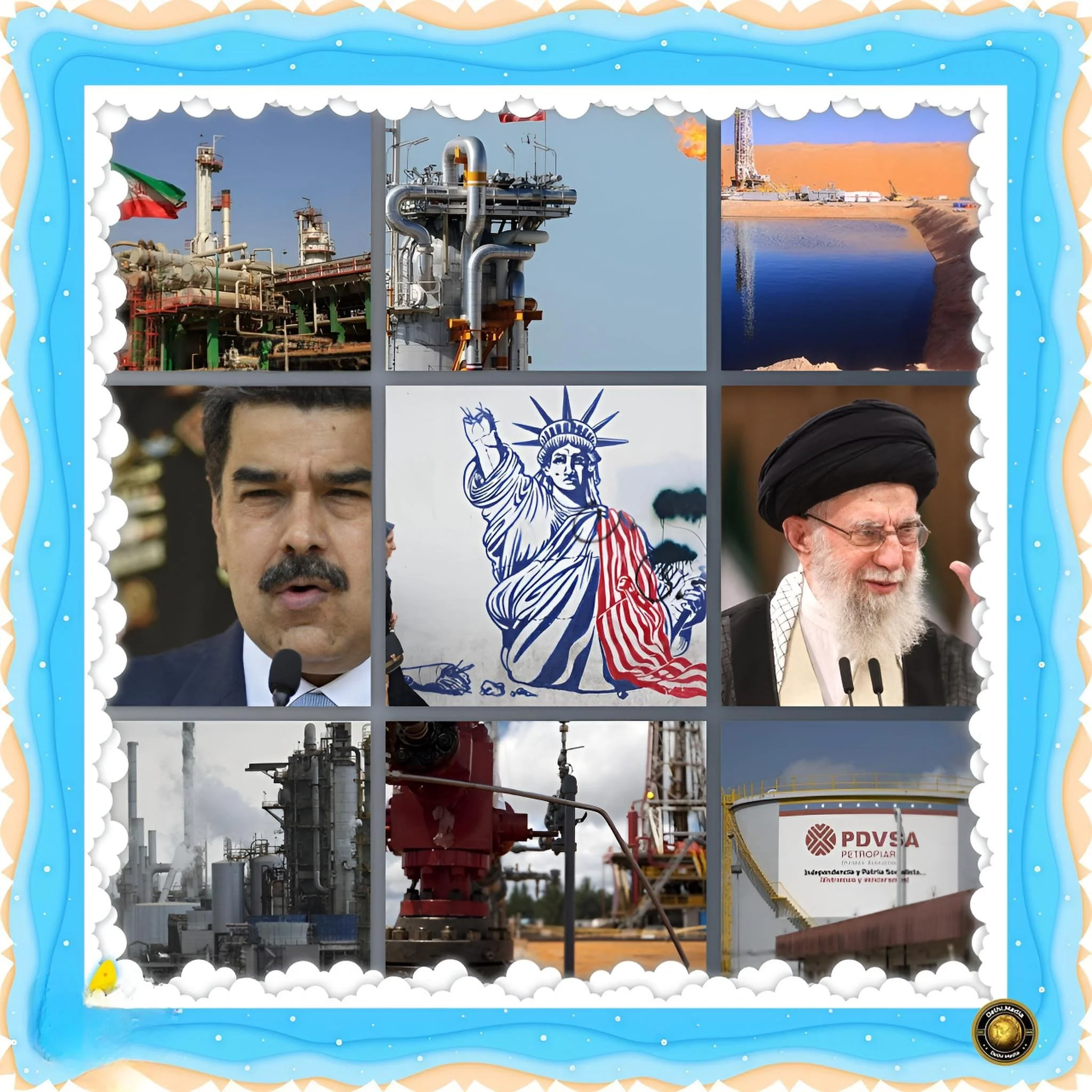
Venezuela’s Oil Law Reform: An Executive Review of Causes, Effects, and Future Prospects
Executive Summary
Venezuela has enacted the most consequential overhaul of its oil sector law in decades, abandoning rigid state control in favor of a framework designed to attract private and foreign capital.
The reform liberalizes exploration, production, commercialization, and dispute settlement, providing fiscal incentives and expanding operational autonomy.
Despite these changes, significant political, economic, and global risk factors will likely constrain meaningful investment for some time. Ultimately, the success of the reform hinges on reducing political instability and aligning domestic policy with international confidence.
Introduction
For much of its modern history, Venezuela has anchored its economy and global diplomatic power in oil. Yet, over the past two decades, chronic underinvestment, mismanagement, and geopolitical enmity have reduced this once-dominant industry to a shadow of its former self.
In early 2026, Caracas passed a sweeping reform of its Hydrocarbons Law, formally dismantling elements of state-centric control and opening the oil sector to private and foreign operations in a bid to reverse decline and stimulate growth.
History and Current Status
The original Hydrocarbons Law, rooted in the nationalization campaigns of the 1970s and codified in the early 2000s, reserved all significant petroleum activities for the state-run oil company Petróleos de Venezuela, S.A. (PDVSA) with majority state ownership and strict joint-venture terms for foreign firms.
Starting in 2006 under Hugo Chávez, Venezuela doubled down on resource nationalism, limiting private rights and imposing onerous fiscal burdens that ultimately drove many major oil partners out of the country.
This framework persisted under Nicolás Maduro, overlapping with aggressive U.S. sanctions that further strangled investment and capacity.
By the early 2020s, crude production had collapsed from historical peaks above 3 million barrels per day to well under 1 million barrels per day. PDVSA’s infrastructure deteriorated, and skilled labor began to emigrate, deepening Venezuela’s economic malaise.
In January 2026, following internal political turmoil and significant external pressures, Venezuela’s National Assembly overwhelmingly approved a reform of the Hydrocarbons Law, which has now been signed into law by interim authorities.
The reform dismantles the state monopoly structure, expands private participation, and lowers barriers for foreign engagement.
Key Developments and Latest Facts
Under the new legal regime, private and foreign firms can directly contract with the state for extraction, production, and commercialization, rather than only through state-controlled joint ventures.
Royalties on crude can be capped at 30% but adjusted downward based on investment terms and project economics, easing fiscal burdens that previously deterred investment.
Crucially, dispute resolution can now occur through international arbitration rather than exclusively in Venezuelan courts, addressing a major deterrent to foreign capital that feared politically influenced judicial outcomes.
Parallel shifts include easing U.S. sanctions on Venezuelan oil exports and licenses that now permit U.S. companies to participate broadly in trade and operations, excluding certain restricted countries.
Recent shipments of Venezuelan crude to European refineries mark early signs of resumed international trade under the reformed legal framework. These developments coincide with cautious interest from major global energy firms that are contemplating capital inflows under the new conditions.
Despite the positive signals, many workers, retirees, and observers view these reforms with deep skepticism. Inflation remains rampant, and previous promises of oil-led recovery have not translated into visible improvements for citizens.
Causes and Effects Analysis
The immediate causes of the legal overhaul are both domestic and international. Domestically, decades of declining production and economic hardship created a pressing need for structural change.
Politically, the capture of the previous administration and the installation of interim leadership created an opening for legal reform that might have been impossible under prior governance. Internationally, sustained U.S. pressure — including an easing of certain sanctions and strategic overtures — set the stage for a realignment, albeit one driven as much by geopolitical calculus as by Venezuelan economic interests.
The effects are complex. On paper, the law opens Venezuela to capital that could fund infrastructure rehabilitation, technological upgrades, and increased output — potentially restoring millions of barrels per day of supply. Foreign currencies inflows, employment growth, and fiscal stability could follow.
However, the law’s effectiveness is tempered by investor concerns over governance stability, enforceability of contracts, and the broader geopolitical context, where sanctions, diplomatic friction, and policy inconsistency remain salient threats.
Future Steps
To translate legal reform into tangible outcomes, Venezuela must pursue several critical next steps: strengthen institutional governance, ensure transparency and rule of law, clarify the new fiscal and regulatory frameworks, and build trust with strategic partners.
Deepening ties with international financial institutions could provide technical assistance and credibility. Moreover, navigating the geopolitical landscape — particularly U.S. relations and sanctions policy — will be paramount if foreign capital is to commit at scale.
Conclusion
Venezuela’s oil law reform represents a historic pivot away from strict state control and toward a more open, market-oriented energy sector. In theory, it lays the groundwork for revitalizing an industry crippled by years of stagnation.
Yet legal change alone is insufficient. The interplay of political stability, regulatory clarity, global energy markets, and international diplomacy will determine whether the reform yields a renaissance or remains a symbolic gesture.
The next chapters in Venezuela’s oil story will reveal whether this bold legislative shift can overcome the legacy of decline and fulfill the lofty expectations of investors and ordinary Venezuelans alike.