Trump’s Minerals Revolution Recruits 50 Countries Against Beijing Grip for Project Vault Stockpile -Minerals Club In Simple Terms
Executive summary
The United States, under President Donald Trump, is building a new club for critical minerals.
These minerals, like lithium and rare earths, are needed for phones, electric cars, wind turbines, and weapons.
Today, China controls most of the mining and almost all of the processing of many of these materials.
US leaders fear that China can use this power to pressure other countries.
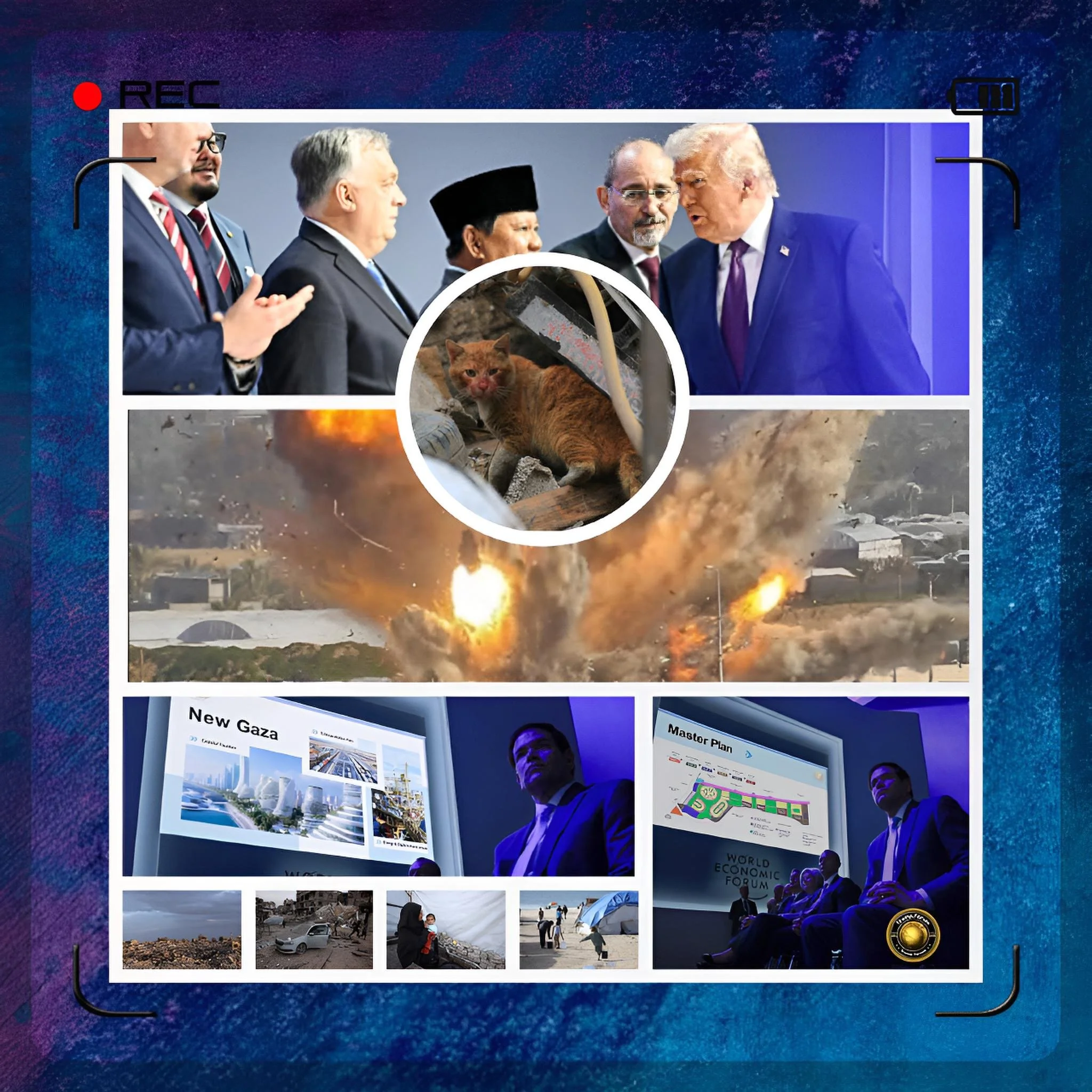
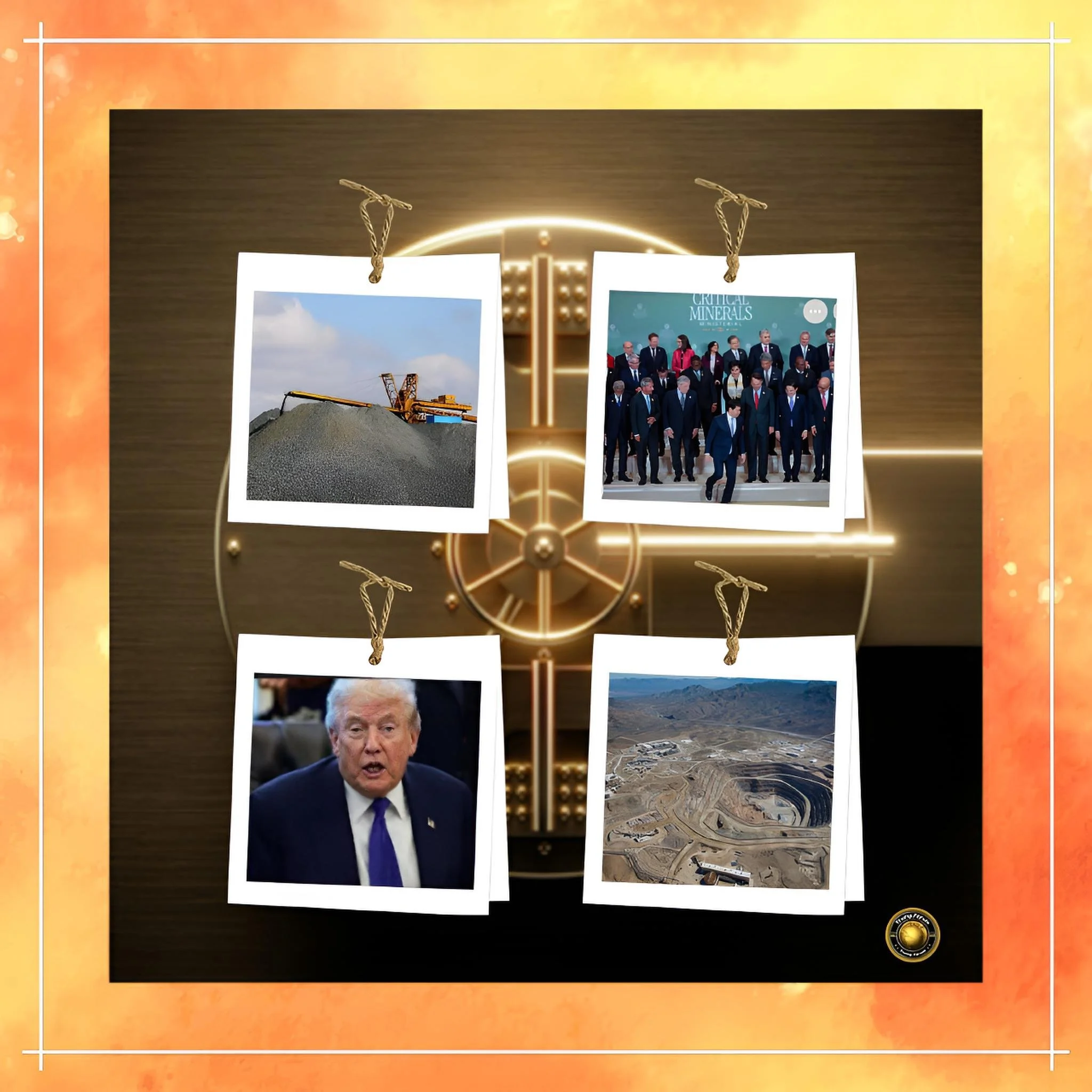
To answer this, the US invited more than 50 countries to a big meeting in Washington called the Critical Minerals Ministerial.
At this meeting, Vice President J.D. Vance suggested a "preferential trade zone" for minerals, where members agree to minimum prices and common tariffs and get easier access to supplies and financing.
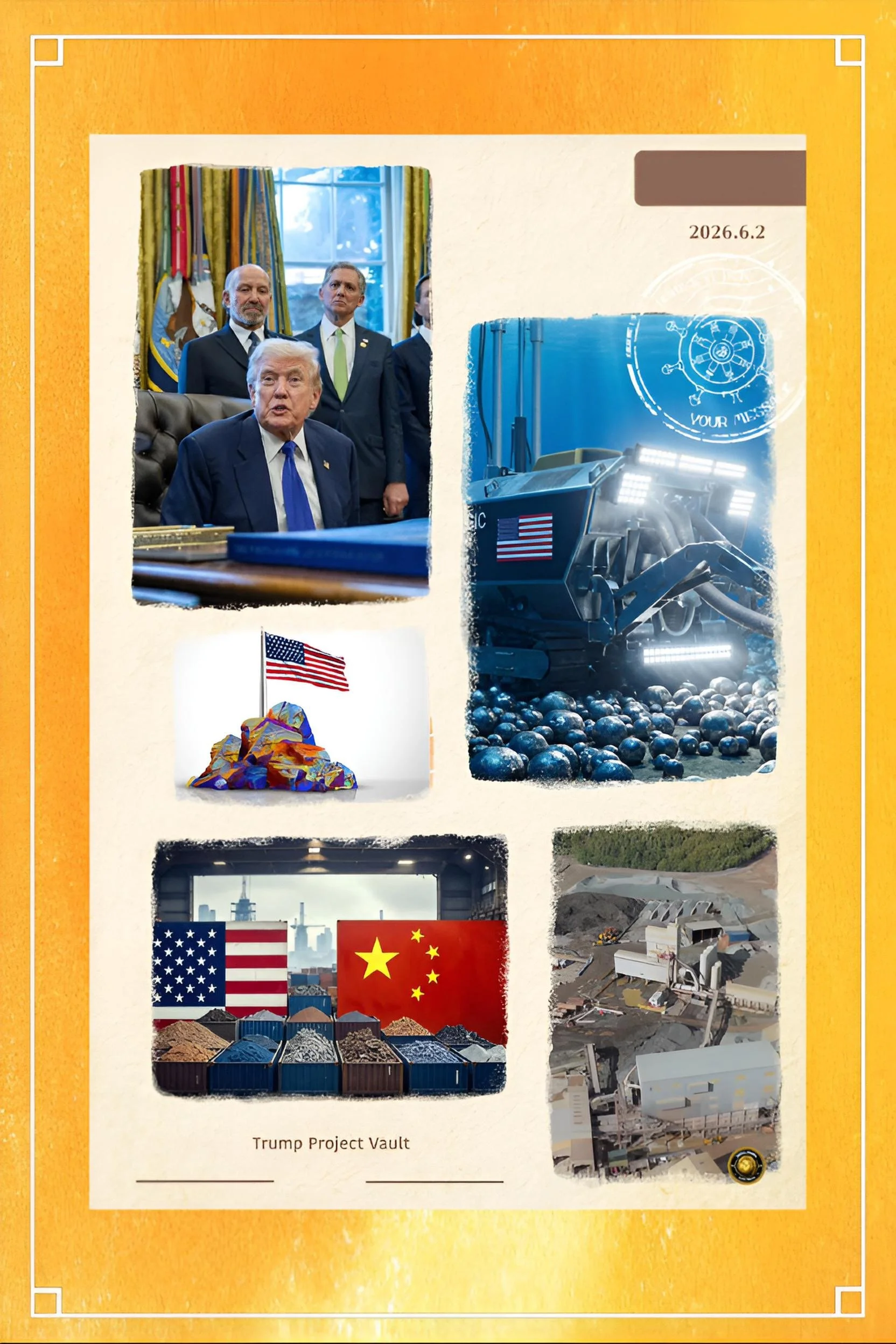
The US also started Project Vault, a stockpile of about $12 billion in minerals, to protect US factories if there is a sudden shortage.
Introduction
Think of critical minerals as the vitamins of the modern economy.
A smartphone battery needs lithium and cobalt. An electric car needs much more lithium and nickel.
A wind turbine and a fighter jet both use rare earths in their strong magnets.
Without these minerals, factories cannot build many things people expect to buy, and armies cannot use key weapons.
Right now, China is like a huge supermarket that sells most of these minerals and runs the machines that clean and prepare them.
If that supermarket closes its doors or sharply raises prices, many countries will have a big problem.
In past trade fights, China has limited exports of some minerals, which scared many governments.
History and current status
Previous US leaders tried to reduce this risk in softer ways. They worked with allies to support new mines and processing plants outside China and to give companies subsidies and loans.
These steps helped, but China still held the main position.
Trump's new plan is tougher. His team has put money into mining and processing firms, taken some equity stakes, and asked the US Export-Import Bank to lend $10 billion to buy and store minerals for Project Vault, together with over $1.5 billion from private investors.
This is like filling a giant warehouse so US factories can keep running even if there is a shock.
The Critical Minerals Ministerial brought more than 50 countries together to hear about the next step: a minerals club with common rules on prices and trade.
Key developments and concerns
In the proposed club, members agree on a price floor for each mineral.
For example, if the club sets a floor of $10,000 per ton for a metal, and a supplier outside the club tries to sell at $8,000, the club members add a tariff of $2,000 so the final price stays at $10,000.
This makes investors more willing to open new mines in friendly countries, because they know prices will not crash suddenly below their cost.
However, this system is hard to run.
Companies may try to cheat by buying cheaper Chinese material through a third country and hiding where it came from, then selling products into club markets at higher prices.
Poor but resource-rich countries worry that they will again be used only as places to dig, while most jobs and profits go to richer states.
Cause-and-effect and future steps
China's strong market position, built over many years with heavy state support, caused Western mines to close and stopped new ones from opening, which in turn made the West more dependent on Chinese supplies.
Trump's minerals club tries to reverse this by changing prices and trade rules to favor alternative suppliers. If the plan works, more mines and plants will open in friendly countries, and China's share will slowly shrink.
But building mines and refineries takes 10–15 years, and China will not stand still. It will sign new deals, invest in more projects, and may use its remaining power to pressure club members.
The next few years will show whether the minerals club becomes a lasting system or just one more chapter in a long struggle over who controls the key materials of the modern world.
Conclusion
In simple words, Trump's minerals club is an effort to share the risk of relying on China and to build a new team-based system for buying and selling key metals.
It offers partners money, protection, and a seat at the table, even if many of them have had tense relations with Washington before.
At the same time, it could split markets, anger China, and repeat old problems of unfair mining and pollution if it is not managed well.
The balance between these risks and rewards will decide whether this "hot new club" becomes a real game changer or just a short-lived experiment.