Managed Deprivation in Gaza: Skepticism Toward Trump's Board of Peace
Executive summary
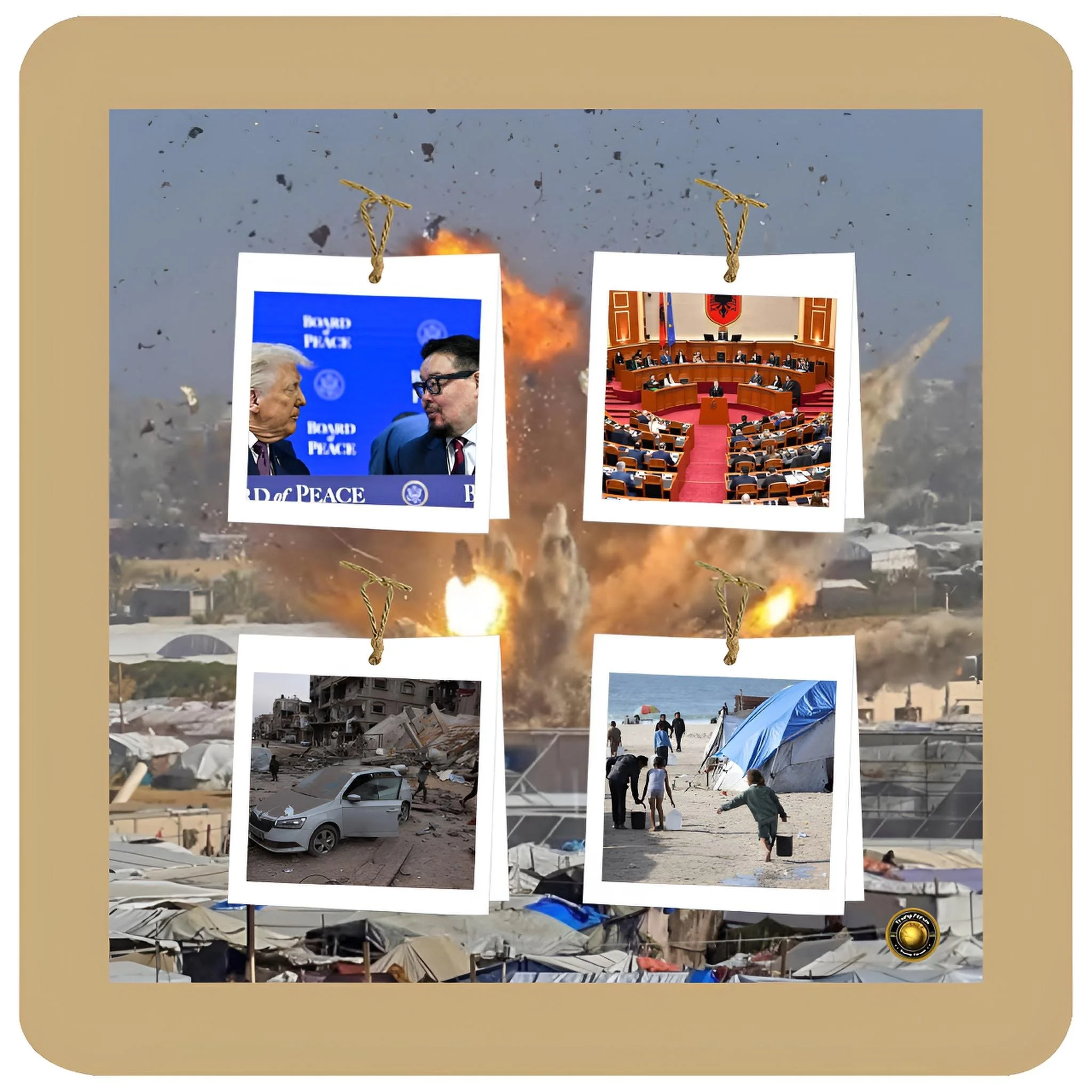
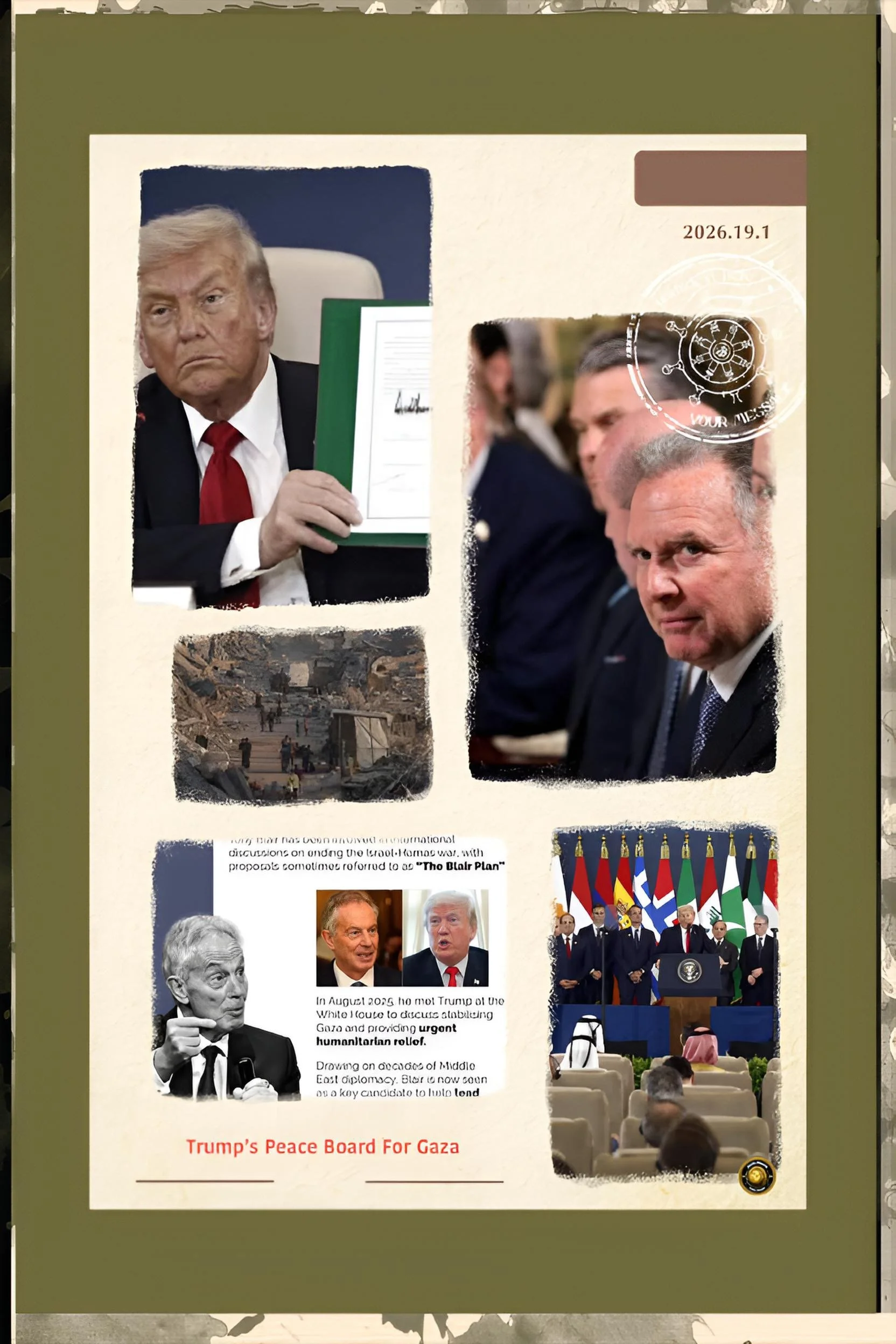
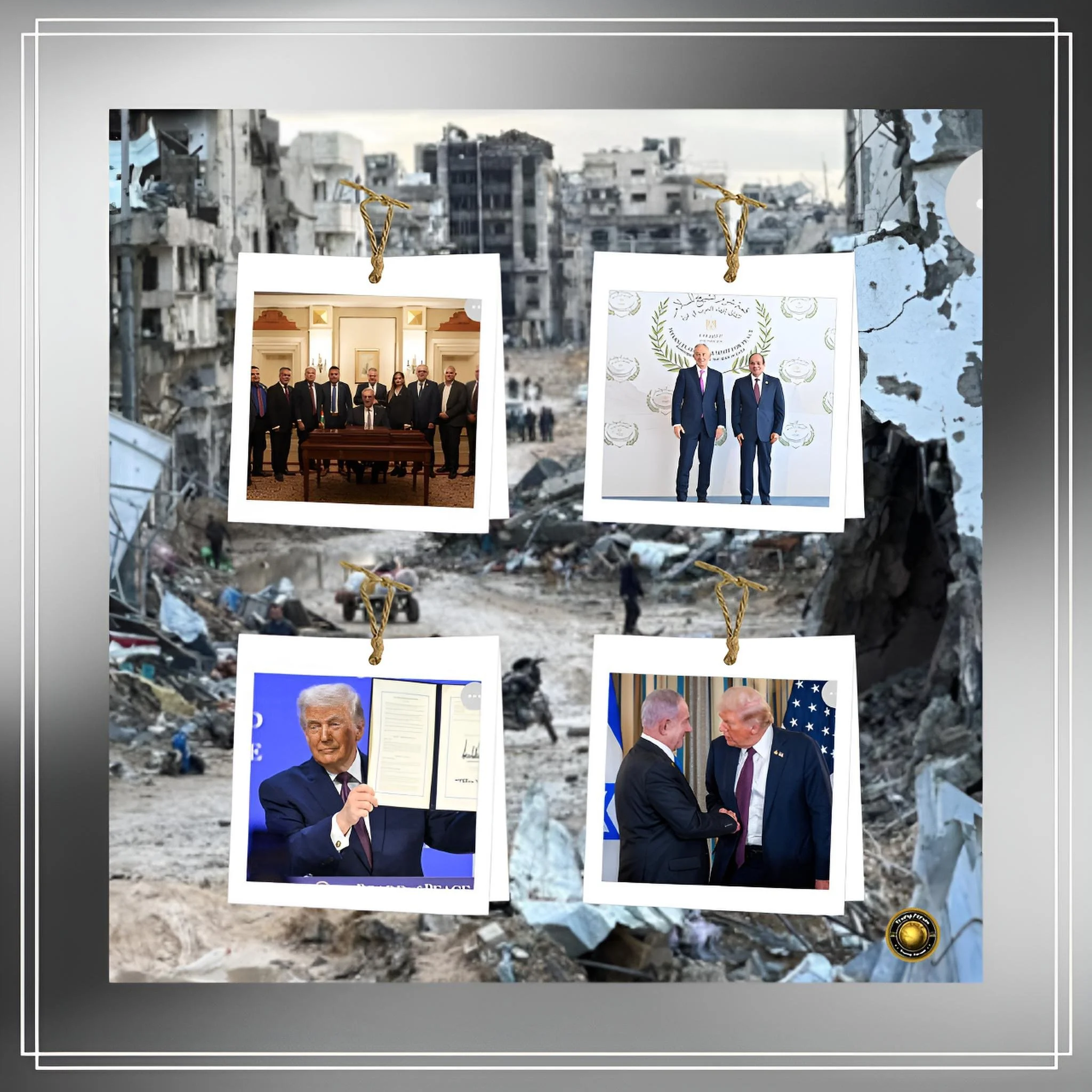
The Trump administration's Board of Peace, formalized at the World Economic Forum in Davos, Switzerland, in January 2026, has assumed nominal oversight of Gaza's transitional governance through an executive structure comprising a US-led board, regional representatives, and a Palestinian technocratic committee appointed with White House endorsement.
This architecture ostensibly aims to stabilize the territory post-ceasefire, facilitate reconstruction, and envision a "New Gaza" as a coastal development hub akin to Dubai, complete with skyscrapers, resorts, and economic zones.
Yet, four months after the October 10, 2025, ceasefire, humanitarian conditions remain dire, with Israeli restrictions blocking adequate aid inflows, ongoing military actions claiming hundreds of Palestinian lives, and aid organizations facing bans or suspensions.
Optimists posit that the Board's framework could catalyze de-escalation and investment, potentially sidelining Hamas governance in favor of technocratic administration.
However, persistent aid strangulation—described by critics as "managed deprivation"—undermines this narrative. UNRWA reports sustained blockages at Rafah and Kerem Shalom crossings, with humanitarian supplies stranded in Egypt and Jordan, exacerbating famine risks and disease outbreaks amid rubble-strewn ruins housing 2.4 million displaced residents.
Israeli violations, numbering over 1,300 since the ceasefire per Gaza authorities, including artillery strikes and raids, compound the impasse.
This disconnect between glossy Davos visions and ground realities raises profound questions about the Board's efficacy and intent.
Absent verifiable improvements in aid delivery and security, the initiative risks perpetuating a coercive stasis rather than genuine stabilization, eroding international legitimacy and fueling radicalization.
Introduction
"Managed deprivation" encapsulates the paradox of Gaza's post-ceasefire limbo: a nominal halt to major hostilities juxtaposed against calibrated restrictions that sustain acute humanitarian distress.
Coined in recent analyses, the term denotes not outright siege but a deliberate throttling of essentials—food, medicine, water, fuel—sufficient to debilitate civilian resilience without provoking immediate global intervention.
President Trump's Board of Peace, ratified via UN Security Council Resolution 2803 and unveiled with AI-generated renderings of utopian redevelopment, positions itself as the antidote: a multilateral-yet-US-centric steward transitioning Gaza from warzone to prosperity exemplar.
Yet the Board's architecture—merging Trump appointees, regional stakeholders like Azerbaijan and Qatar, and a 15-member Palestinian technocratic committee led by figures such as Amjad Al-Shawa—operates amid profound asymmetries.
Israeli forces retain de facto control over borders, airspace, and much territory, while Hamas remnants contest enclaves, rendering the Board's mandate more aspirational than authoritative.
FAF analysis dissects the Board's origins, operations, and implications, contending that until humanitarian imperatives are prioritized, it warrants profound skepticism rather than provisional trust.
History and current status
Gaza's governance travails trace to the 2007 Hamas takeover, fracturing Palestinian Authority control and precipitating blockade and recurrent wars.
Trump's first term broached audacious visions, including 2025 proposals for "voluntary" relocation and a "Riviera of the Middle East," met with accusations of ethnic cleansing. Post-reelection, amid the 2023–2025 conflagration claiming over 76,000 lives, Trump's 20-point plan culminated in the October 10, 2025, ceasefire, exchanging hostages for prisoners and pledging phased Israeli withdrawal contingent on Hamas disarmament.
Resolution 2803 authorized the Board of Peace as a transitional overseer, with Trump as chairman, and gave it veto-like powers over aid, security, and reconstruction.
Hamas acquiesced to dissolving its administration, ceding to the National Committee for the Administration of Gaza—a technocracy of independents tasked with rubble clearance, service restoration, and economic revival.
By January 2026, the committee, chaired by Nabil Shaath or Amjad Al-Shawa proxies, issued directives waiving taxes and prioritizing shelter, under Board supervision, including ex-UN envoy Nickolay Mladenov as director-general.
Currently, the Board convenes virtually and in capitals, endorsing phased rebuilding from Rafah northward, with southern enclosures for returnees and a "security perimeter" for Israeli forces.
Yet implementation stalls: aid pallets average under 14,000 weekly, against needs for 500,000 daily rations; crossings are intermittently shuttered; and 37 NGOs—including Doctors Without Borders—have been banned since December 2025.
Key developments
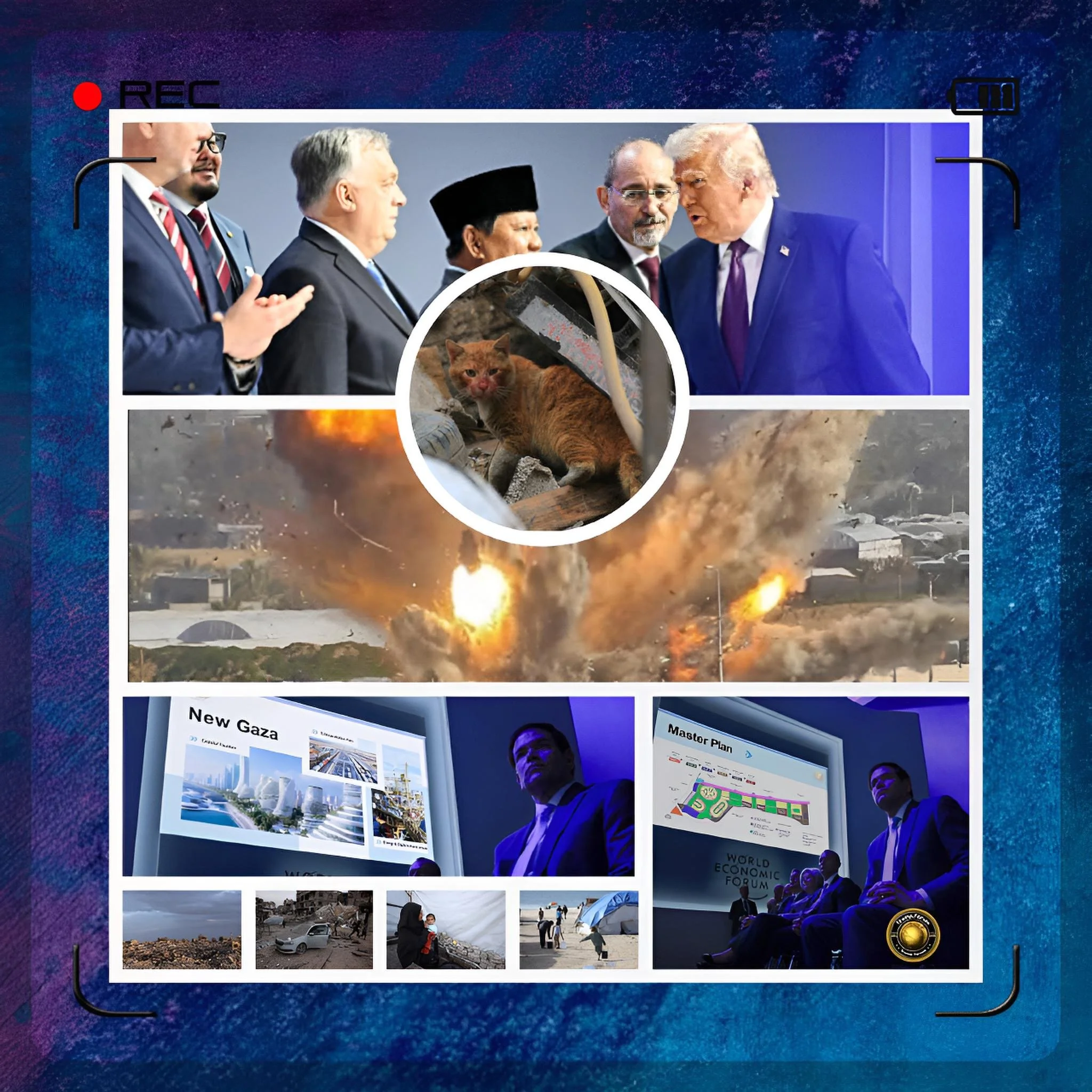
Davos marked the Board's apotheosis: Trump ratified its charter amid glitzy presentations of "New Gaza"—skyscrapers, seaports, solar arrays, EV factories, and artificial islands—phased over years, financed via Gulf pledges and US guarantees.
Kushner's slides transitioned from rubble-sifting children to Trump-statued utopias, underscoring profit-driven reconstruction.
Concomitantly, the technocratic committee operationalized: Hamas submitted 40 names, yielding a 15-member panel focused on integrity, transparency, and peace-oriented economics. Mladenov's appointment resolved impasses over figures like Tony Blair.
Regionally, Azerbaijan, Hungary, and Qatar endorsed, while Saudi Arabia and the UAE backed Egyptian water and desalination adjuncts.
Critically, phase two—complete withdrawal, heavy weapons decommissioning—languishes, stalled by unreturned Israeli hostage remains and aid shortfalls.
Latest facts and concerns
February 2026 snapshots reveal stasis: Israeli strikes killed 23 Palestinians overnight on February 4, including children, amid the suspension of Rafah evacuations.
UNRWA decries eleventh-month aid blockades, with stocks stranded abroad; OCHA logs sporadic entries insufficient for 2.4 million. IPC famine risks persist post-March 2025 blockade lift, with malnutrition surging.
Concerns abound: the Board's sweeping powers risk entrenching external tutelage sans Palestinian consent, echoing "trusteeship" critiques. Aid weaponization—banning 15% of NGOs—exacerbates reproductive health devastation.
Hamas reconsolidation threatens, as 1,300+ violations erode ceasefire credibility. Ethically, "Riviera" fantasies over depopulated lands evoke dispossession blueprints.
Cause-and-effect analysis
The Board emerges from cascading failures: Hamas's October 2023 assault provoked devastation, birthing aid imperatives unmet by blockade logics prioritizing security over succor.
Ceasefire fragility—Israel's violations breeding Hamas intransigence—necessitated external arbitration, yielding Trump's unilateralist Board as US leverage play amid UN inefficacy.
Effects ripple: aid throttling sustains dependency, quelling revolt yet incubating despair, radicalization, and health collapse.
Board optics—glossy visions—deflect scrutiny, enabling Israeli territorial faits accomplis while Gulf buy-in secures reconstruction finance sans political concessions.
Technocracy dilutes factionalism but risks illegitimacy in the absence of elections, perpetuating stasis that favors status quo powers.
Ultimately, managed deprivation causally undergirds Board viability: insufficient distress precludes reconstruction; excess imperils it. This calibrated cruelty indicts the framework's pretensions to peace.
Future steps
Near-term imperatives
enforce phase two via hostage resolution, increase aid surges to 1,000 trucks daily, lift NGO bans, and achieve verifiable disengagement. The board must audit violations, deploy a stabilization force per Resolution 2803, and gazette technocratic edicts with PA integration.
Medium-term
rubble clearance (estimated at 50 million tons), shelter for 90% of the displaced, economic zones operationalized, and $ billions of dollars mobilized. Elections by 2027, per technocrat pledges, to legitimize transition.
Longer horizon
demilitarization verification, Israeli withdrawal completion, Palestinian unity accords—contingent on the Board transcending US-centricity toward equitable multilateralism.
Conclusion
Trump's Board of Peace, presiding over Gaza's managed deprivation, embodies aspirational realpolitik: visionary redevelopment cloaking coercive governance.
Absent humanitarian breakthroughs—unfettered aid, cessation of violations, inItusive techthe nocracy—it forfeits presumption of goodwill, risking complicity in protracted suffering.
Proper stabilization demands prioritizing the Gaza agency over external blueprints, lest "New Gaza" remain a mirage amid ruins.