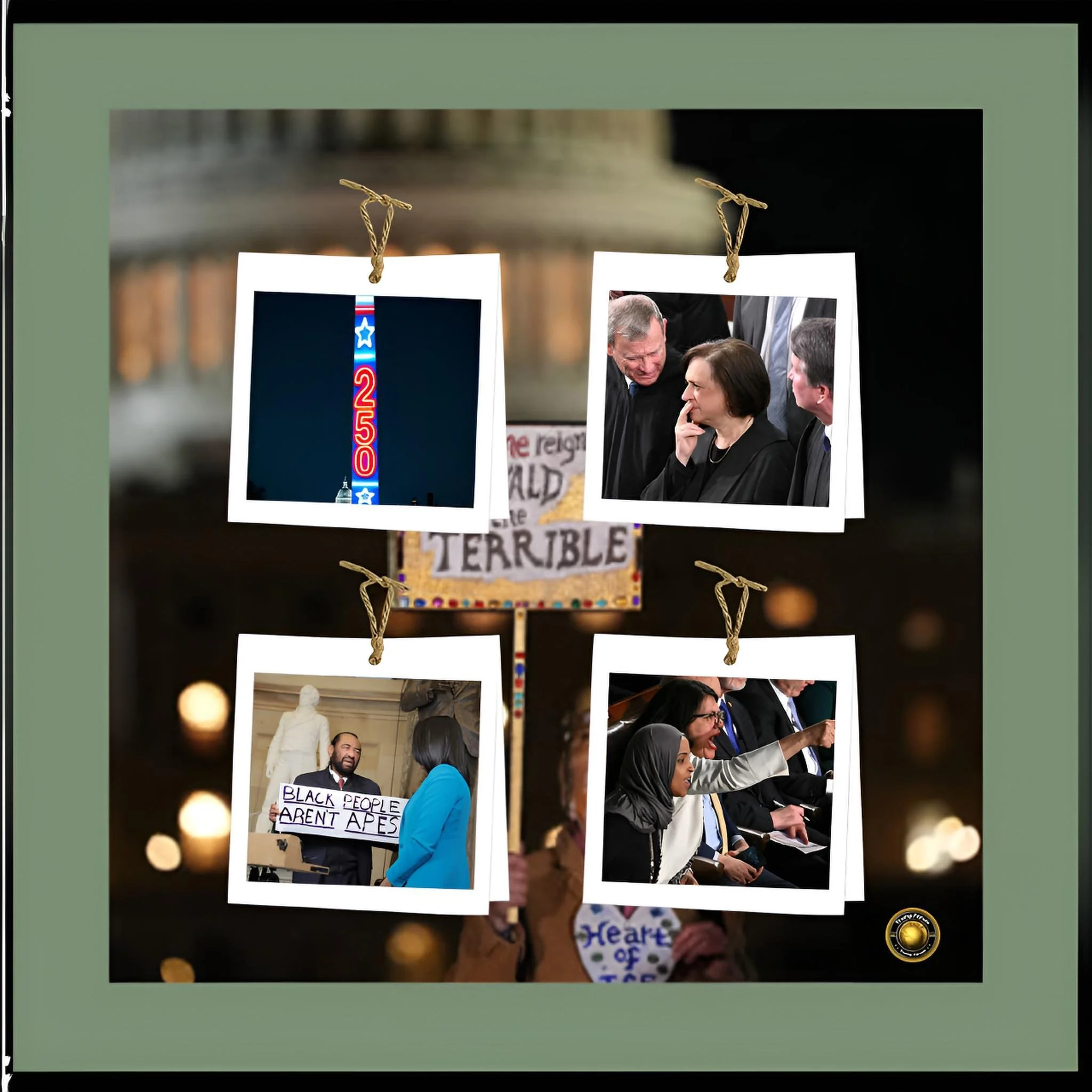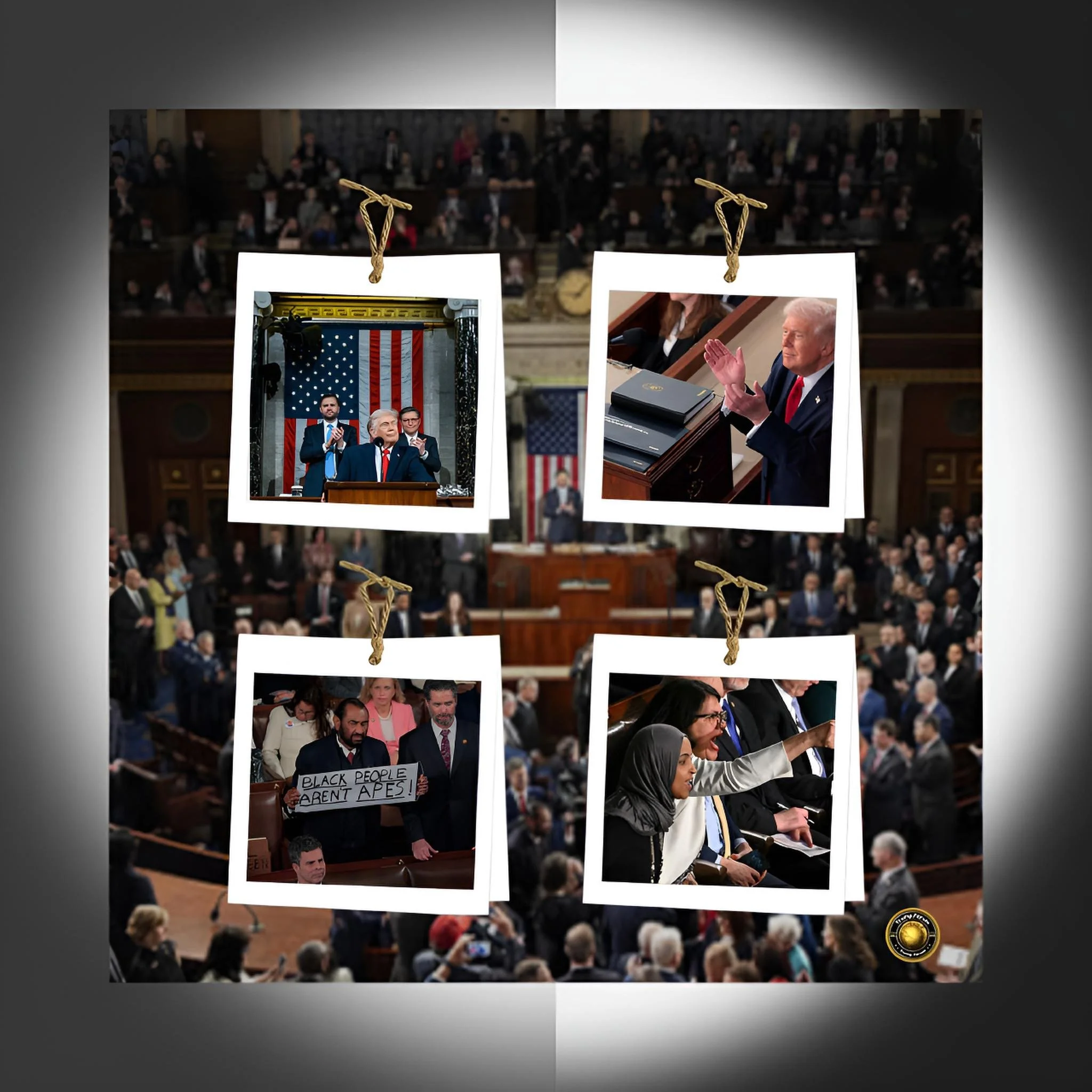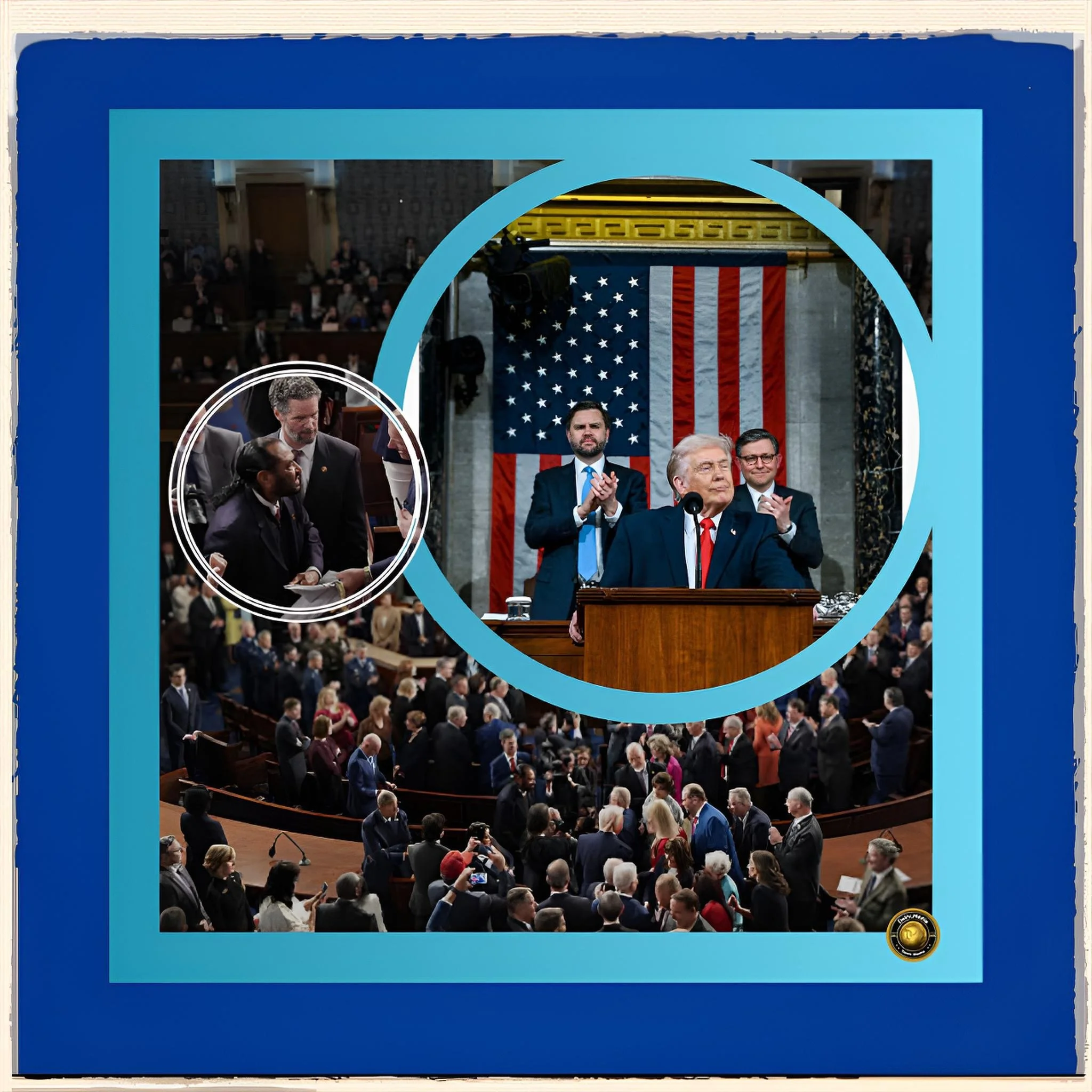
Trump’s State of the Union on Feb 25, 2026: What he said, and what it means- 101 Beginners Guide to Trump State or Umion Address
Executive Summary
FAF analysis delves deeper into Trump’s State of the Union speech. He said America is in a “golden age,” that the border is the strongest ever, that tariffs will help America, and that Iran must never get a nuclear weapon.
The speech was very long, and it was clearly aimed at the midterm elections, not only at Congress.
Introduction
A State of the Union speech is like a big national presentation.
The president tells the country what he thinks is going well and what he wants next. But it also sends signals to other countries, because the world listens.
This year, the timing mattered because the Supreme Court recently blocked many of Trump’s tariffs, and because the U.S. and Iran are close to a high-risk moment with talks planned in Geneva.
History and Current Status
In the past, State of the Union speeches were often about laws: “Here is my plan, please pass it.” Now they are also about political story: “Here is who is right, and who is wrong.” In 2026 the U.S. is very divided.
During the speech, Republicans cheered a lot and Democrats mostly stayed silent, showing how split the country is.
Key Developments
Trump focused on immigration, tariffs, and national security. He announced a “war on fraud” and said the Vice President will lead it.
Think of this like a big crackdown promise: the government will look for cheating in systems like benefits and elections, and Trump says the savings could be huge.
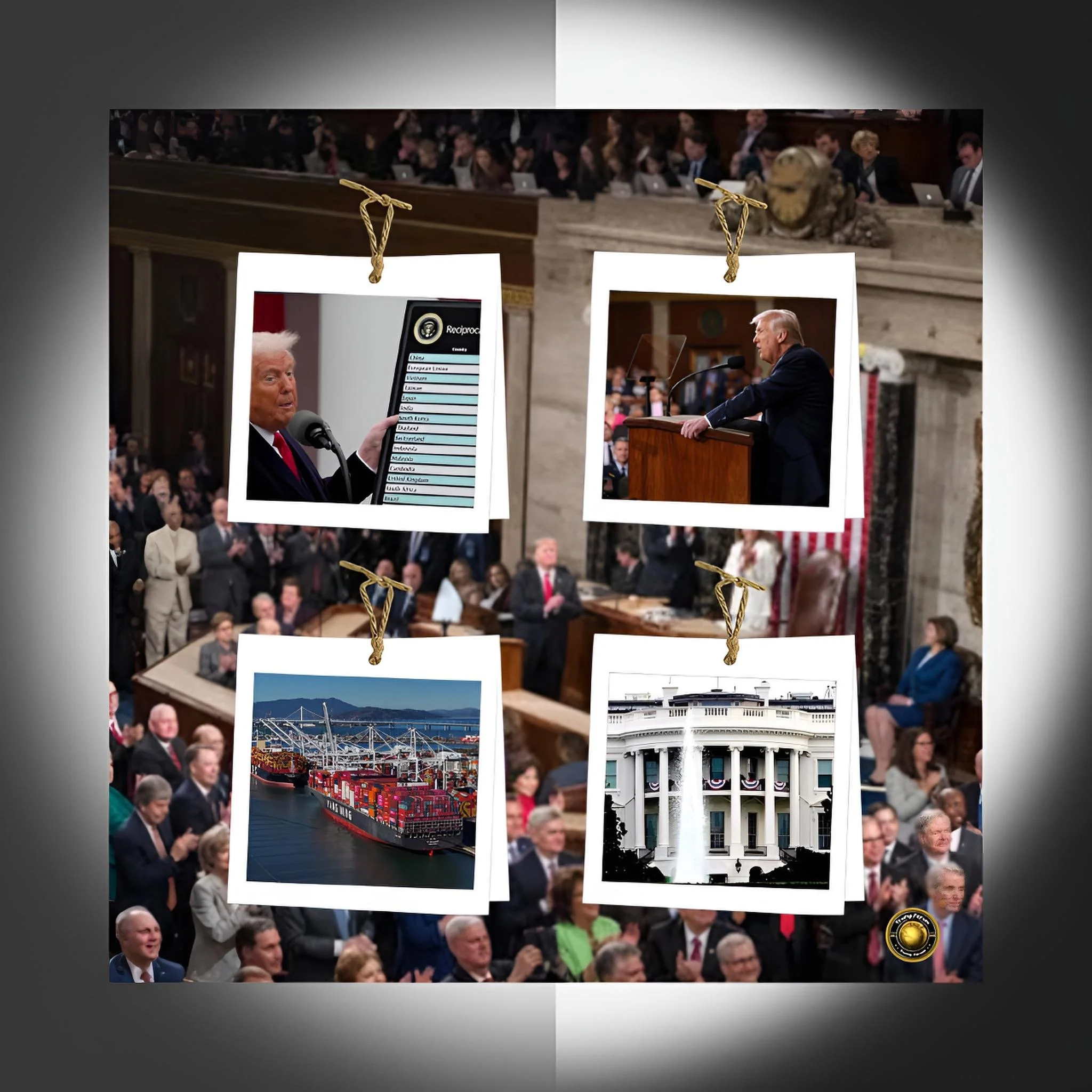
He also talked about tariffs after the Supreme Court ruling. He called the ruling disappointing, but suggested he can still push new trade barriers through other methods.
Example: imagine a referee says you cannot use one move in a game, but you immediately look for a different move that gives you the same advantage. That is what many countries fear: not the one tariff, but the constant switching.
He made Iran a major part of the speech. He said he prefers diplomacy, but he will never allow Iran to have nuclear weapons. Example: imagine someone says, “I want to settle this peacefully, but I’m ready to fight.”
That can push the other side to negotiate. But it can also make the other side feel trapped and angry, which can make war more likely.
Latest Facts and Concerns
The speech was about 1 hour and 48 minutes, the longest on record in modern tracking.
That matters because long speeches can flood the news cycle. People argue about small moments, and the big message can become harder to evaluate.
On trade, Europe says it needs “full clarity” from the U.S. because tariffs affect business planning. Example: if you run a factory and tariffs change every few months, you do not know whether to hire people, buy machines, or move production.
On Iran, U.S. officials say diplomacy is the first option, and Iran’s foreign minister says a deal is within reach if diplomacy is prioritized.
Example: both sides say “we prefer talks,” but they disagree on key issues like enrichment. If talks fail, the military buildup makes the next step dangerous.
Cause-and-Effect Analysis
If the U.S. keeps changing tariff rules, markets and allies become nervous. Investors said they wanted more clear direction, but did not get enough.
Nervous markets can mean less investment. Less investment can mean slower growth. Slower growth makes voters more angry. That can push leaders to use even stronger language, creating a cycle.
If the U.S. increases pressure on Iran while using very hard language, Iran may believe the U.S. wants humiliation, not a deal. Then Iran may refuse compromise. That can lead to escalation.
If the U.S. looks unstable, allies will protect themselves. Germany’s Merz has already argued the U.S. cannot “go it alone” and Europe must reduce dependence.
Canada’s Carney has argued middle powers should unite against coercion. That is what hedging looks like: friends stay friendly, but they also build backups.
Future Steps
For tariffs, the U.S. could reduce fear by explaining a stable plan and sticking to it, instead of announcing shifting “temporary” measures. Europe is signaling it will not move forward without clarity.
For Iran, the U.S. could keep deterrence but talk more about verification and inspections, not just threats. Iran is signaling possible compromise steps, so the U.S. can test that in Geneva.
For alliances, the U.S. could consult more and surprise less. Ukraine’s leader wants Trump to visit and understand the war. That is a sign that symbolism and trust matter, not only deals.
Conclusion
Trump’s speech tried to show strength and control. For supporters, it offered a clear story: tougher borders, tougher trade, tougher diplomacy. For critics and many allies, it raised a different question: will U.S. policy be stable enough to plan around?
The answer will not come from the speech itself, but from what happens next on tariffs, on Iran talks, and on how the U.S. treats partners who want predictability more than performanc