Trump’s Tuesday Speech, Explained Simply: What the Tariff Ruling Means and Why Everyone Is Watching - 101 for Beginners Trump Tariff Chaos
Executive summary
A big speech, a court “no,” and what it could change for prices and jobs
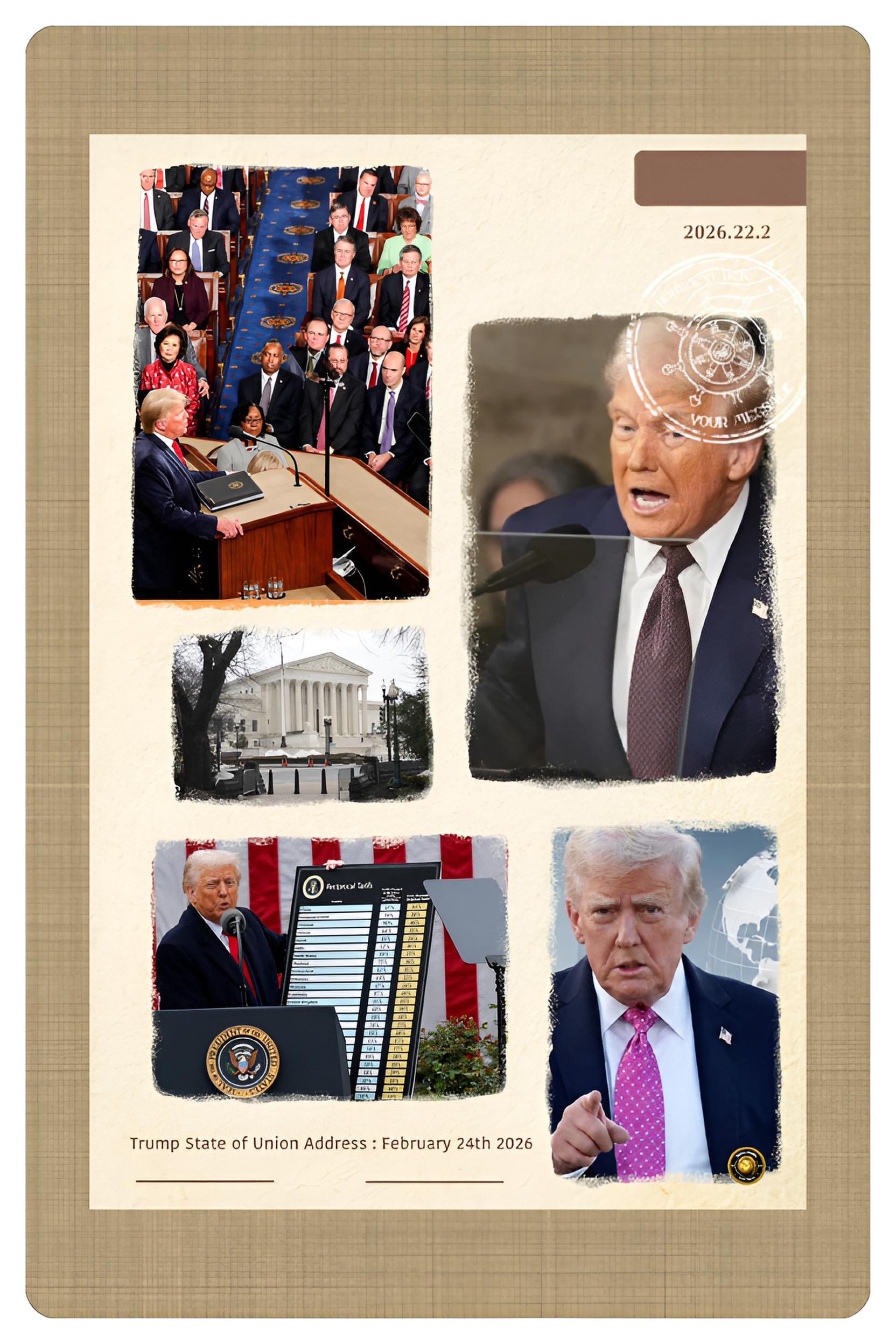
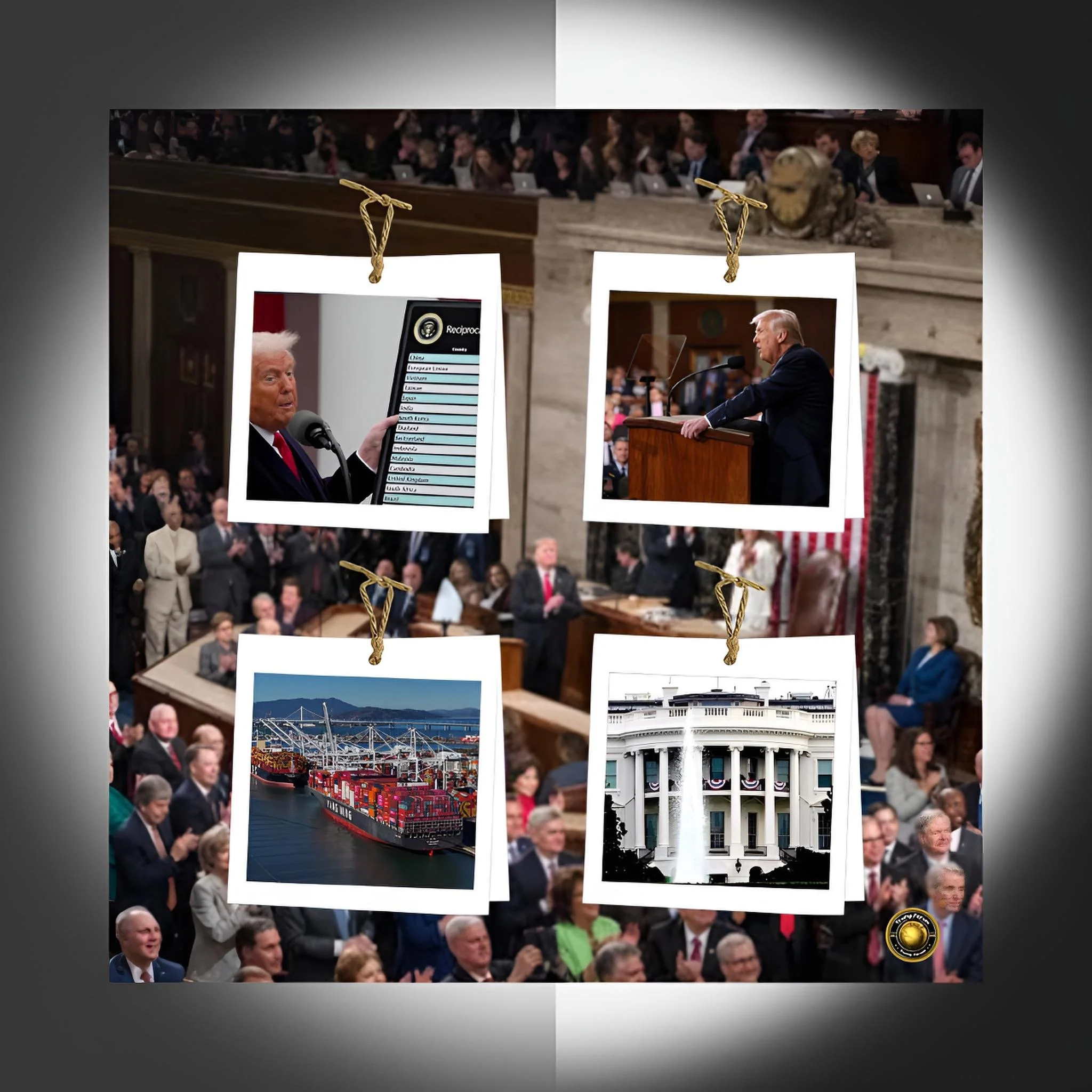
FAF analysis delves deeper in simple terms: Trump will speak Tuesday night to Congress.
He wants to convince people his plan is working. But the Supreme Court just blocked a major part of his tariff plan under the emergency law he used.
Trump can still use other laws, but those laws have limits, like a 15% cap and a 150-day time limit for a “global tariff” under Section 122.
Introduction
What is a State of the Union, and why this one feels tense
A State of the Union is when the president gives a televised report and sales pitch.
This time, Trump is trying to fix falling public support while also dealing with a court decision that says he cannot use one emergency law to set very broad tariffs.
Think of it like a coach giving a halftime speech right after referees changed what plays are allowed.
History and current status
How tariffs became Trump’s shortcut, and why the Court stepped in
Trump used tariffs as a fast way to pressure other countries and to say he was protecting U.S. jobs.
He used an emergency law called IEEPA for many tariffs. The Supreme Court said that law does not give the president that much power for broad tariffs.
Now Trump is using other tools.
One is Section 122, which can put a tariff on imports from many countries, but only up to 15% and only for 150 days unless Congress extends it.
Key developments
The three biggest “new” facts going into Tuesday
The Supreme Court decision happened February 20, 2026. Trump responded by announcing a global tariff under Section 122 and then raising it to 15%.
Also, the economy slowed in late 2025, with Q4 GDP growth at 1.4%, which makes it harder to tell people “everything is already better.”
Latest facts and concerns
What people worry about: prices, confusion, and payback money
People worry tariffs can raise prices, especially when companies import parts and pass costs to shoppers.
Also, businesses worry about confusion: if rules change every few months, it is hard to plan. Reuters reported that more than $175 billion in tariff money could be at risk of refund claims, but the “how” is unclear.
Example: Imagine you run a small company that imports kitchen tools. If you pay extra tariffs today, you might later ask for a refund if the tariff was illegal.
But you still must pay now, and you still must set your prices now. That uncertainty can make you raise prices “just in case,” even before you know the final rules.
Real-time comments from six world leaders and senior officials
What other governments are saying right now
France’s President Macron said the ruling shows democracies need “counterweights,” and he argued for calm, reciprocal trade responses.
Germany’s Chancellor Merz said uncertainty is damaging and pushed for a united European approach.
Brazil’s Vice President Alckmin said the ruling helps Brazil compete again in the U.S. market.
Japan’s government spokesman said Japan will study the ruling and respond appropriately. Hong Kong official Christopher Hui called the U.S. situation a “fiasco” and said predictable rules attract investors.
Taiwan’s cabinet said it is watching closely because implementation details are still unclear.
Cause-and-effect analysis
A simple chain: Court limits one tool, Trump grabs another, uncertainty grows
Cause: The Supreme Court blocked the broad emergency-law tariff method.
Effect: Trump uses other laws like Section 122, but those have limits and deadlines.
Next effect: Other countries may wait out temporary tariffs instead of making big concessions.
Next effect: Businesses may delay investments because they cannot predict the rules.
Example: If you are deciding whether to build a new factory line that takes 18 months to pay back, a 150-day tariff might not be enough to justify the risk.
Future steps
What to listen for in the speech
Listen for whether Trump explains a clear legal plan for tariffs, not just a tough message.
Listen for whether he gives a simple reason prices will fall, since tariffs can push prices up in the short run.
Also listen for whether he signals any clear next step on Iran, because markets and allies react strongly to war risk.
Conclusion
This speech is about trust as much as policy
FAF analysis delves deeper to end with this: Tuesday’s speech is not only about what Trump wants to do. It is also about whether people believe the government can do it in a stable, lawful way.
After the Court’s ruling, the big question is whether Trump can project strength while also showing a plan that is predictable enough for families, businesses, and allies to rely on.