From Versailles to Ukraine: Recognition Politics in an Unstable Global Order - Part II
Executive Summary
Geography, Power, and Recognition: Human Drives in a Fragmenting World Order
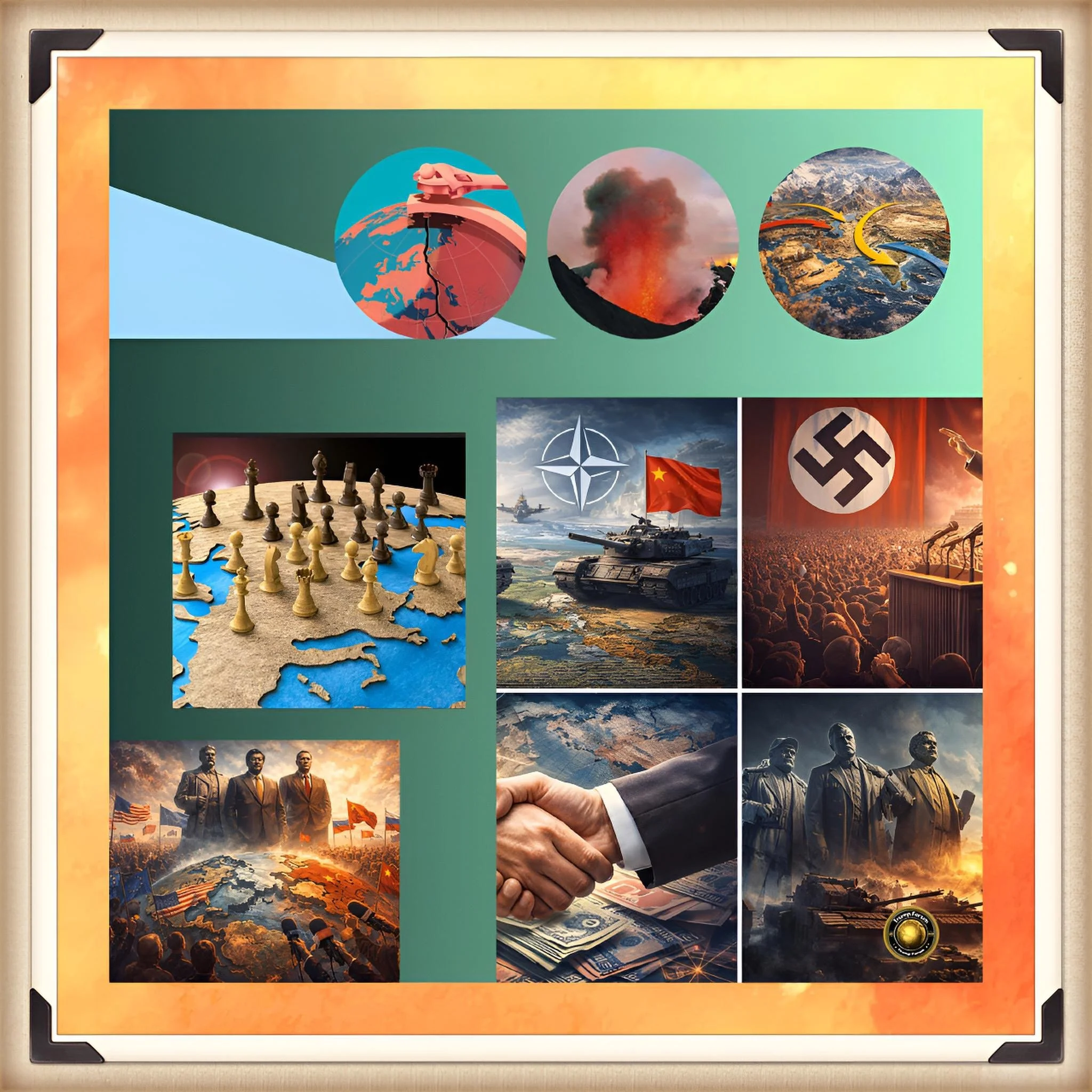
Modern geopolitics is frequently described in the language of ideology, economics, and technology. Yet beneath these visible forces lie enduring human motivations.
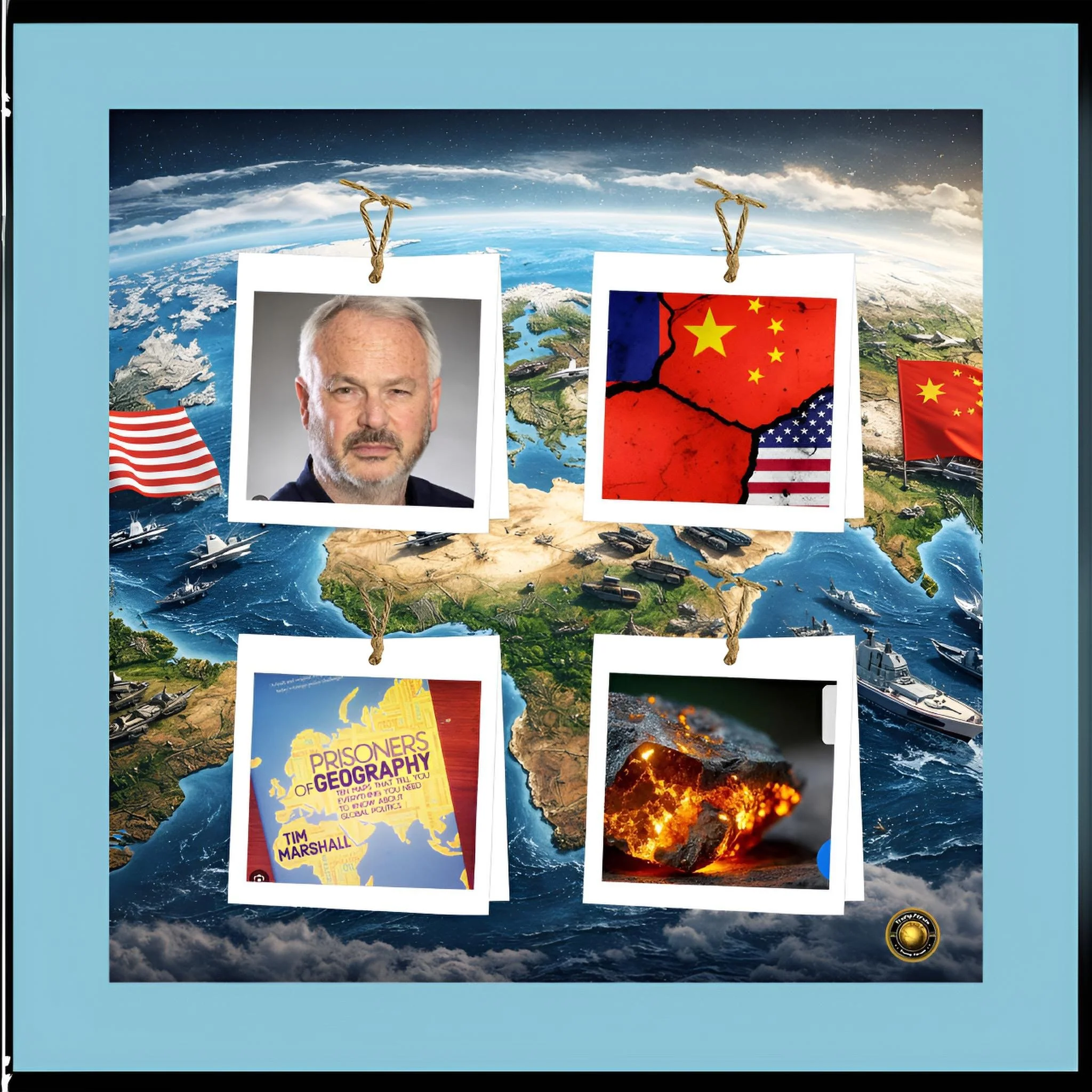
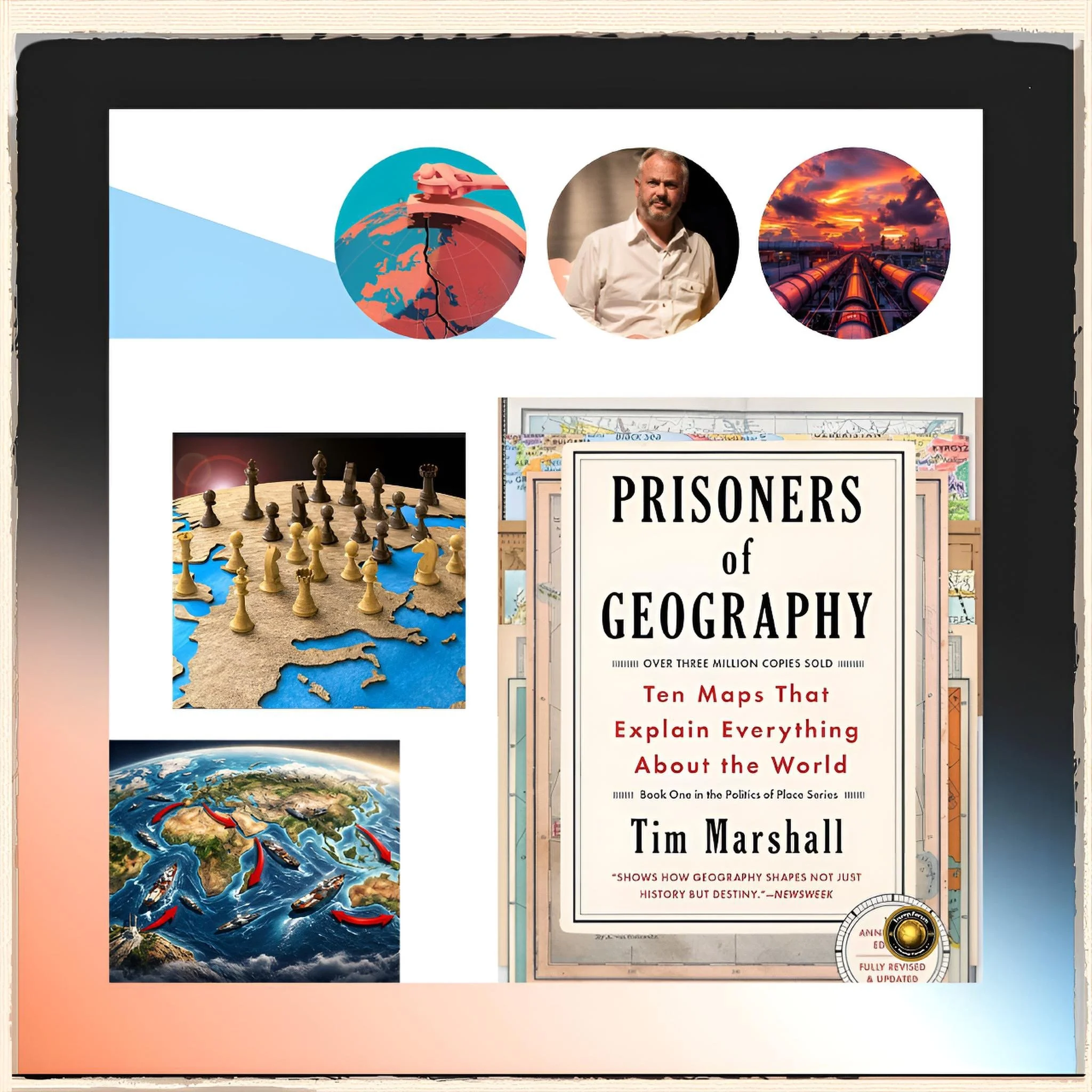
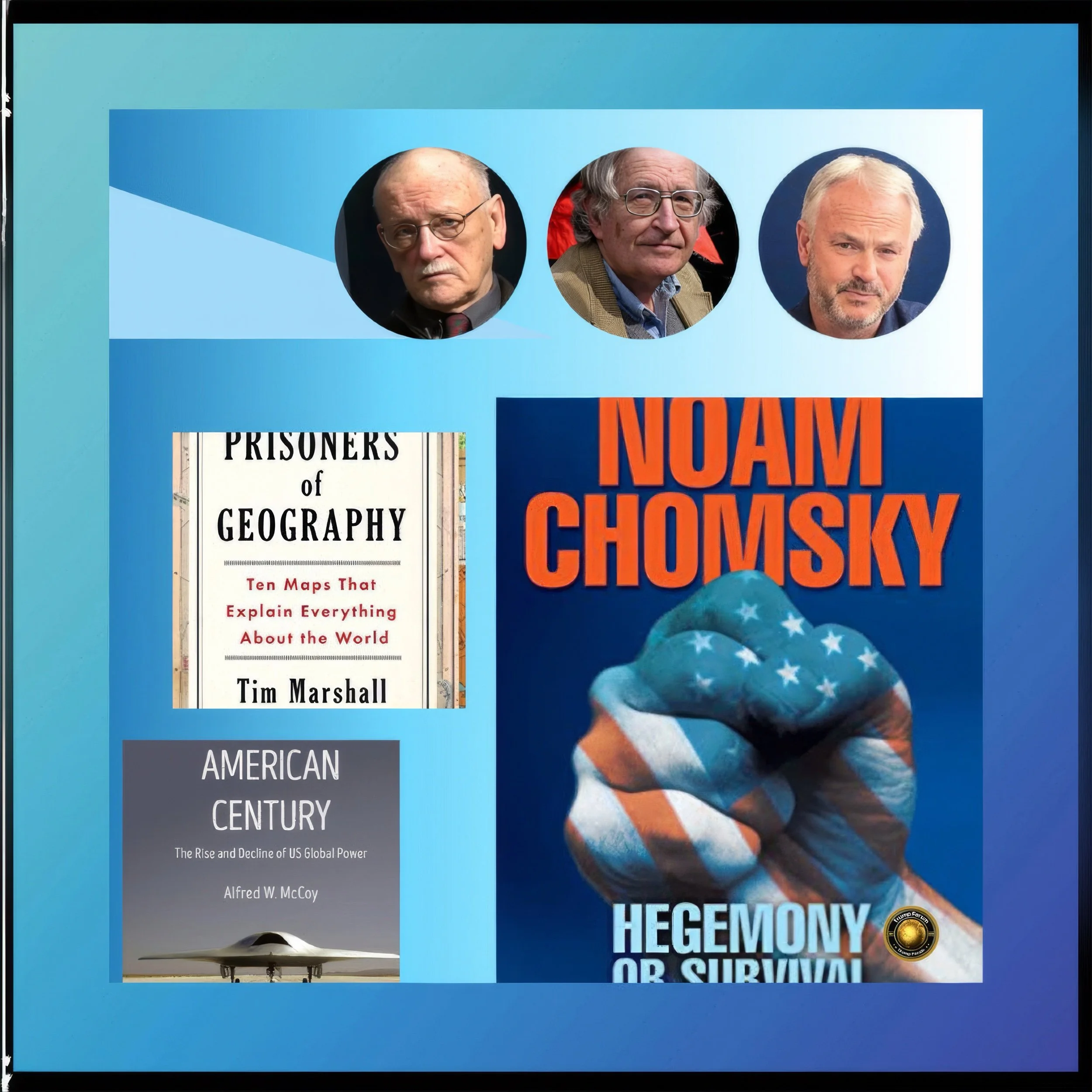
If one were to interpret contemporary international relations through the geographic realism articulated by Tim Marshall in Prisoners of Geography, the decisive drivers are not merely ideology or trade balances but deep human impulses: the pursuit of power, the quest for wealth, and the demand for recognition.
Geography constrains states, but human psychology animates them.
FAF analysis delves deeper into whether today’s geopolitical turbulence is primarily driven by material accumulation, strategic dominance, or wounded prestige.
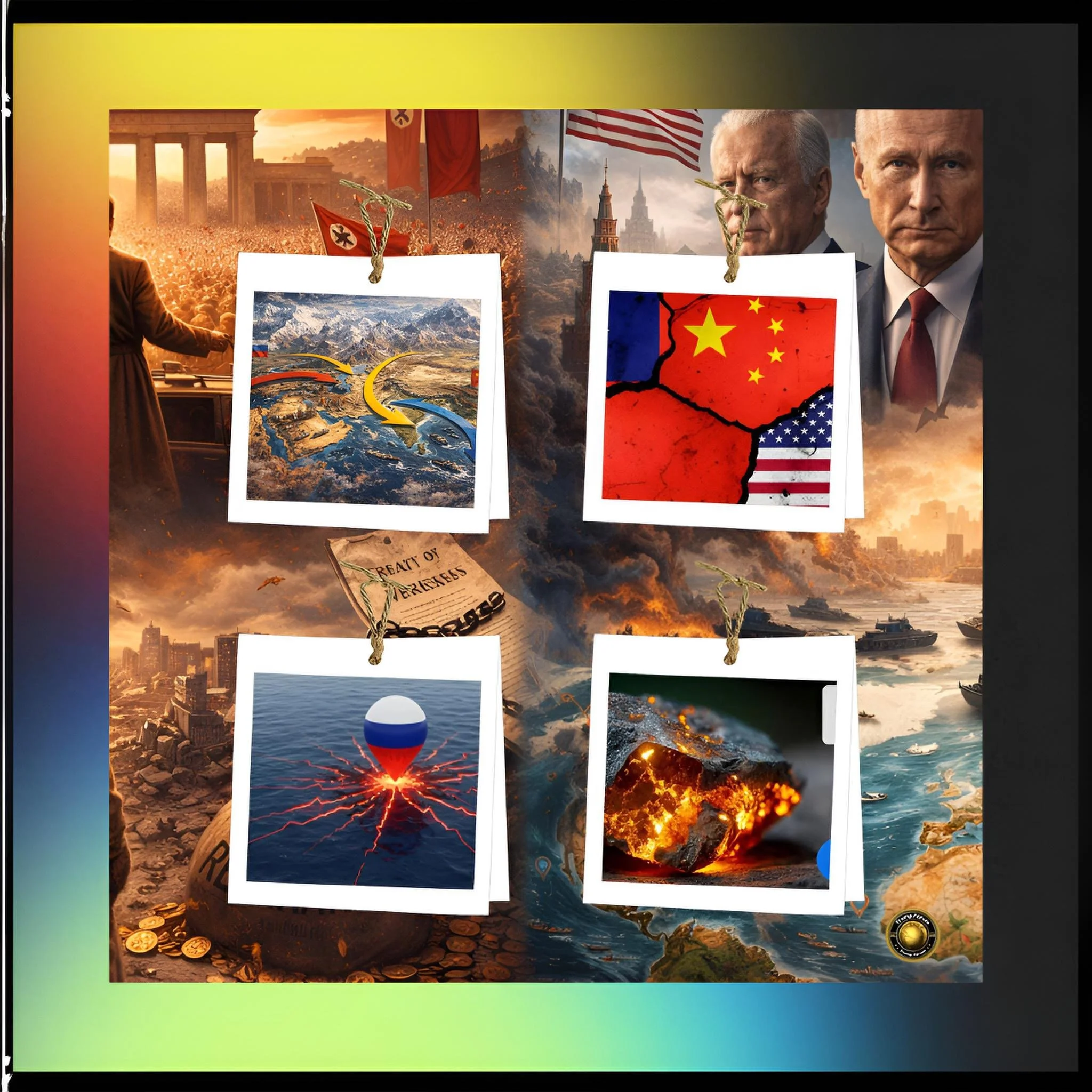
It connects these motivations to the historical trajectory of Germany after World War I, where humiliation, economic collapse, and strategic vulnerability combined to enable the rise of Nazism.
It then evaluates whether current fractures in the global system suggest a comparable dynamic.
The core conclusion is that geography shapes opportunity, but recognition fuels escalation.
When major powers perceive strategic encirclement or loss of status, they act defensively yet aggressively.
While Marshall does not predict World War III, his framework implies that fragmentation, resource insecurity, and competitive nationalism create conditions under which miscalculation becomes more likely.
The danger does not stem exclusively from “power-hungry leaders,” but from systemic pressures interacting with human pride and fear.
Introduction
Power, Money, or Prestige? Why Great Powers Risk Catastrophic Miscalculation
The enduring appeal of geopolitical realism lies in its simplicity. Mountains, rivers, deserts, and oceans endure beyond ideologies. Governments change; geography does not.
Tim Marshall’s work emphasizes that states are “prisoners” of their physical environment.
Russia seeks warm-water ports not because of ideology but because ice blocks its northern coast.
China pushes outward in the South China Sea because its industrial heartland depends on maritime trade.
The United States enjoys relative security because of the Atlantic and Pacific oceans.
Yet geography alone does not wage war.
Leaders do. Societies do. Markets do. Human beings interpret geographic constraints through psychological lenses.
Power, money, and recognition are not abstract theories but deeply rooted human drives.
The question is which of these impulses dominates in moments of geopolitical rupture.
The history of Germany between 1918 and 1939 offers a case study in how humiliation and economic despair can metastasize into militarized expansion.
Today’s global environment features economic inequality, rising nationalism, contested borders, and strategic rivalry between major powers.
Is the world witnessing a structural echo of the interwar period? Or are today’s institutions and interdependencies sufficient to prevent catastrophe?
To answer these questions requires examining geography not as destiny, but as stage. The stakeholders are human, and their motivations matter.
History and Current Status
Geography, Pride, and Power: The Human Forces Shaping a Fractured World
After World War I, Germany was geographically constrained and politically humiliated.
The Treaty of Versailles stripped it of territory, limited its military capacity, and imposed heavy financial reparations. Its western border was exposed; its eastern territories fragmented.
The Rhineland was demilitarized. Access to resources was curtailed.
However, the decisive accelerant was not geography alone. It was perception. Germans experienced defeat not simply as military loss but as national humiliation.
Hyperinflation in 1923 destroyed savings. Unemployment surged during the Great Depression. Industrial output collapsed.
These material hardships merged with wounded pride.
Adolf Hitler exploited this emotional terrain, promising restoration of status and expansion of “living space.”
The Nazi regime’s expansionism reflected geographic calculation. Eastern Europe’s plains offered agricultural potential and strategic depth.
The drive toward Poland and Ukraine was framed as necessity. Yet it was also ideological and psychological. Germany sought recognition as a great power equal to Britain and France.
In the current era, parallels exist but differ in context. Russia’s post-Cold War contraction left it without buffer states in Eastern Europe.
NATO expansion eastward has been perceived in Moscow as encroachment.
China, after 150 years of perceived humiliation, now seeks restoration of centrality in Asia.
The United States, facing relative economic decline compared to its post-1945 dominance, debates retrenchment versus confrontation.
Unlike the interwar period, today’s world is deeply economically interconnected. Supply chains bind adversaries.
Nuclear deterrence raises the cost of direct war. International institutions, however weakened, still mediate conflict.
Yet status anxiety persists. Recognition remains central. China’s Belt and Road Initiative is as much about prestige as profit.
Russia’s actions in Ukraine reflect both security concerns and a desire to reclaim historical influence.
Western powers emphasize rule-based order, but critics argue that selective enforcement undermines credibility.
Key Developments
Several developments illuminate the intersection of geography and human drives.
First, the conflict in Ukraine underscores how strategic depth and access corridors matter. Russia’s flat western frontier historically enabled invasion from Napoleon to Hitler.
The desire for buffer zones persists. However, the war also reflects recognition politics. Moscow frames NATO expansion as disregard for Russian status.
Second, tensions in the South China Sea demonstrate how maritime chokepoints shape ambition.
Control over sea lanes equates to economic survival. Yet Chinese rhetoric often invokes historical grievance and national rejuvenation. Power and pride intertwine.
Third, U.S.-China rivalry extends beyond trade deficits measured in billions of dollars.
It is a contest over technological supremacy, influence in multilateral institutions, and narrative dominance. Recognition in this context involves being acknowledged as peer rather than subordinate.
Fourth, Europe’s energy vulnerability following reduced Russian gas supplies illustrates geographic interdependence.
Germany’s industrial model depended on affordable pipeline gas. The disruption altered political calculations. Economic security becomes geopolitical leverage.
Latest Facts and Concerns
Global military expenditure has risen steadily in recent years, with increases exceeding 5 % annually in some regions. Defense budgets reflect anticipation of prolonged rivalry. Nuclear modernization programs continue in the United States, Russia, and China.
Simultaneously, economic fragmentation intensifies. Sanctions regimes isolate economies. Supply chains are restructured for “friend-shoring.” Trade volumes between rival blocs show declining growth rates.
Domestic politics amplify external tension. Populist leaders across multiple countries frame foreign policy in terms of national restoration. The language of grievance resonates. Social media accelerates narratives of humiliation or betrayal.
The concern is not inevitability of world war but cumulative risk. When power competition intersects with economic insecurity and wounded recognition, escalation becomes plausible.
Cause and Effect Analysis
Geography creates constraints. Constraints generate insecurity. Insecurity activates human drives. When leaders interpret insecurity through the lens of power maximization, they pursue expansion. When interpreted through economic vulnerability, they pursue resource security. When interpreted through humiliation, they pursue recognition.
In interwar Germany, all three factors converged.
Geographic exposure, economic collapse, and humiliation reinforced each other.
The Nazi regime transformed these pressures into aggressive expansion.
Today, the variables differ but echo. Russia perceives encirclement. China perceives containment. The United States perceives erosion of dominance. These perceptions produce policies that, in turn, reinforce rival fears.
However, a key difference lies in deterrence. Nuclear weapons impose existential risk. Interdependence raises costs.
The global financial system links adversaries through trade valued in trillions of dollars.
These factors complicate direct conflict.
Future Steps
Preventing systemic escalation requires managing recognition as carefully as territory. Diplomatic acknowledgment of status concerns can reduce insecurity without conceding core principles. Economic resilience reduces vulnerability to coercion. Transparent communication reduces miscalculation.
Geography cannot be altered, but perception can. Recognizing that rivals are driven by fear as well as ambition may temper maximalist responses.
Conclusion
Are We Repeating 1930s Mistakes in a Nuclear and Interdependent World?
Power, money, and recognition are intertwined, yet recognition often proves decisive. Economic grievances can be negotiated. Territorial disputes can be frozen. But humiliation festers.
The rise of Nazism illustrates how wounded pride combined with economic hardship and geographic vulnerability can destabilize a continent. Today’s world is structurally different, yet psychological constants endure.
Tim Marshall’s geographic realism does not predict World War III. It cautions that physical constraints shape behavior. Whether the world fragments into hostile blocs depends less on mountains and seas than on whether leaders prioritize dominance over coexistence.
The ultimate prisoner is not geography alone, but human perception.