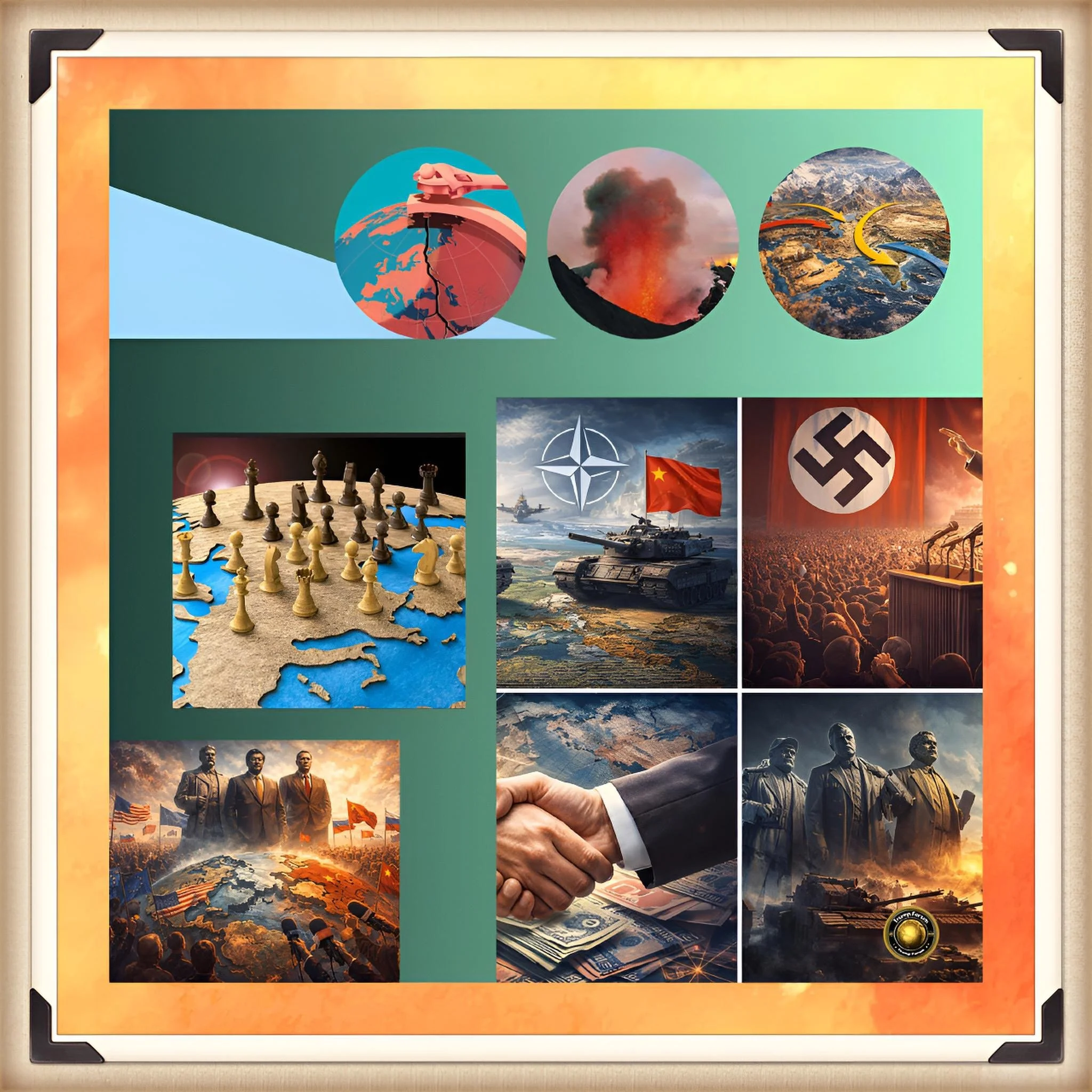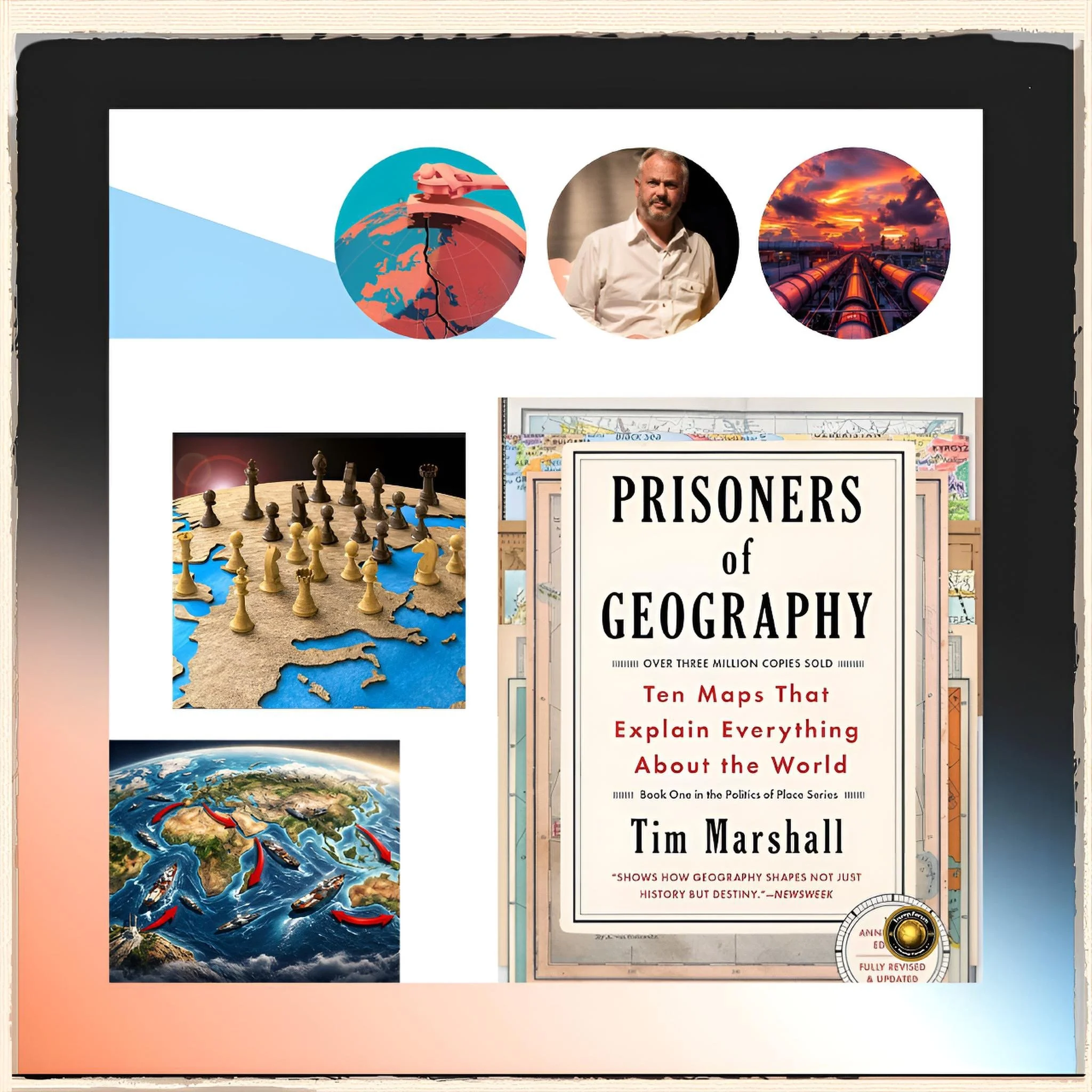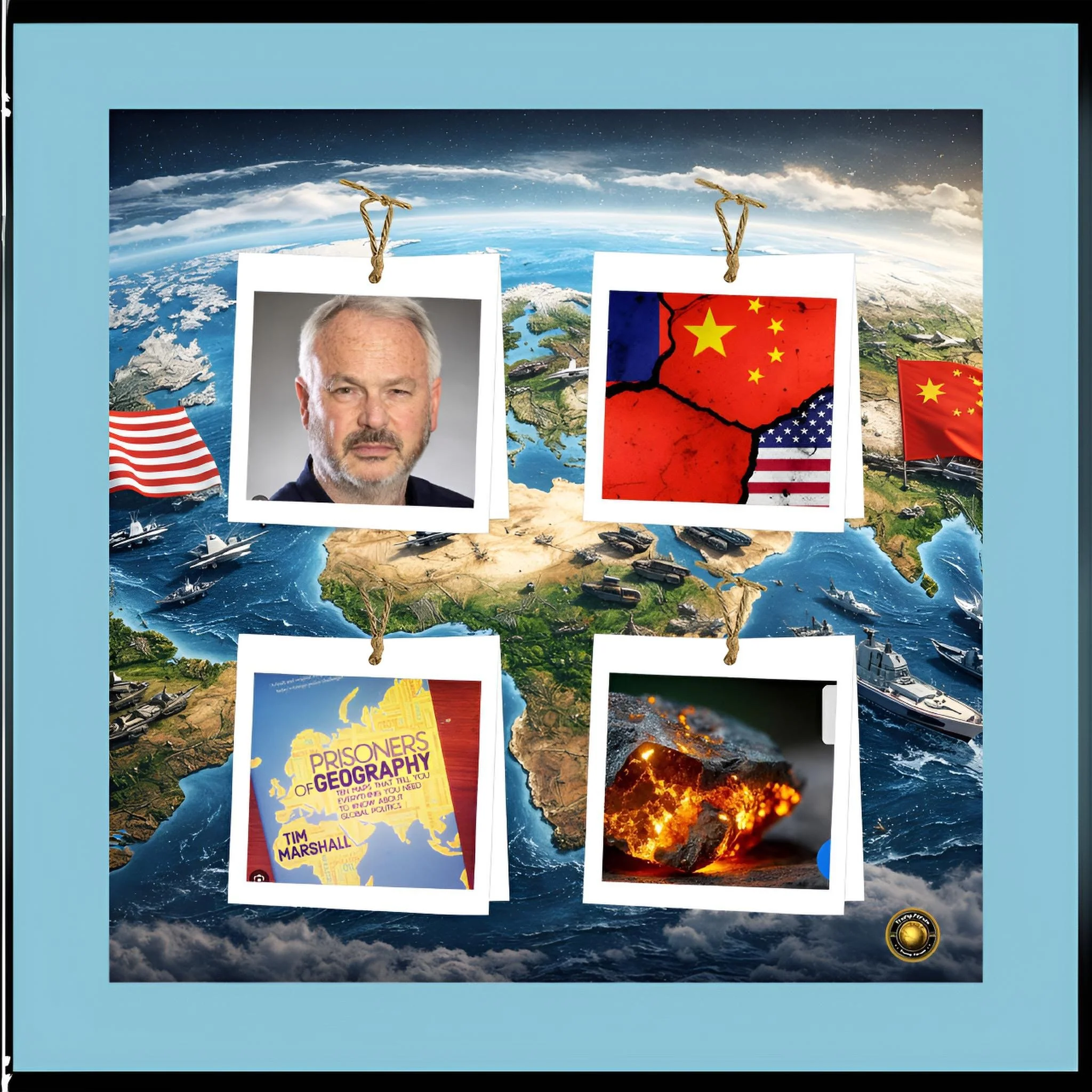
Tim Marshall’s Geography Thesis Explains Today’s Global Tensions - Beginner’s 101 Guide to the Psychology Behind Today’s Geopolitics
Executive Summary
Tim Marshall’s Prisoners of Geography says a simple thing: countries do not make choices in a vacuum.
Mountains, rivers, deserts, seas, and distance quietly push leaders toward certain actions and block others.
FAF analysis explains why this matters more in 2025–2026 than it did in the easy-globalisation years.
The world is splitting into rival power zones.
Trade routes are being “secured,” not just used.
Energy and food supply are treated like national security.
Climate shocks add pressure on borders.
For global citizens, this shows up in daily life: higher prices, supply delays, travel friction, online restrictions, and more fear of conflict.
Foreward
People often think geopolitics is mainly about ideology, good leaders, or bad leaders.
Marshall says geography is the stage that never moves.
You can change stakeholders, but you cannot move the mountains or suddenly give a landlocked country a coastline.
In 2025–2026, many headlines look new, but the map under them is old.
When you understand the map, the headlines become easier to predict.
History and Current Status
Marshall explains that Russia has long feared invasion across open flat land in Eastern Europe.
That fear pushes Russia to seek “buffer space.”
In late 2025, President Vladimir Putin again talked about building a “security buffer zone,” showing that this geographic logic is still central to Russian strategy. 
China’s geography creates a different pressure. China relies heavily on sea trade.
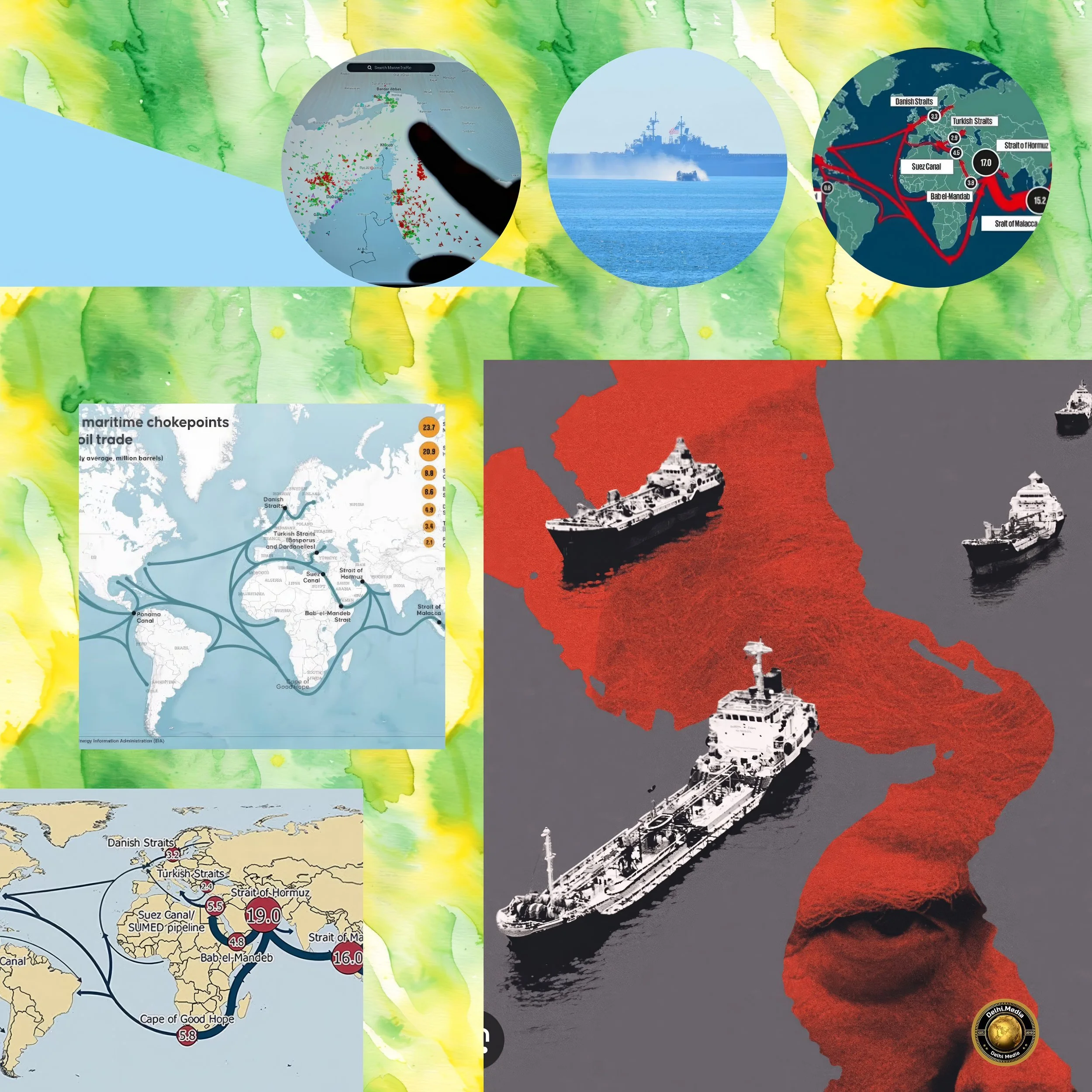
Much of its oil and raw materials arrive by ship, through narrow sea chokepoints.
That is why Beijing cares so much about nearby waters and nearby islands, and why tensions in the South China Sea keep rising.
Recent reporting from disputed areas shows how physical presence, patrols, and harassment at sea can directly affect livelihoods and sovereignty claims. 
The United States is protected by two oceans and has friendly neighbours.
That is a huge advantage. But oceans are also distance.
Projecting power across the Atlantic and Pacific is expensive and politically harder when citizens feel problems at home.
This makes alliances and bases matter more, because geography demands “forward presence” if a country wants influence far away.
Europe is close to Russia, close to Middle East instability, and dependent on trade. It is rich, but exposed.
In early 2026, European leaders argued more openly that Europe must become more independent for security and prosperity, which is another way of saying: Europe cannot outsource safety in a rough neighbourhood. 
Key Developments in 2025–2026
A big change in 2025–2026 is that globalisation is becoming conditional.
Countries still trade, but they prefer “trusted” routes and “friendly” suppliers.
This is not only politics. It is geography plus risk.
If a route passes through a dangerous chokepoint, leaders worry about ships being blocked.
If a supply chain runs through rival territory, leaders worry about sanctions or sabotage.
Another key development is rising military activity and signalling in the Indo-Pacific.
Research tracking China’s regional operations shows that activity increased across the Taiwan Strait, the South China Sea, and near Japan, reflecting a wider geographic reach and higher operational tempo. 
A third development is the return of the “corridor” idea: building trade and rail and port networks that bypass risky zones.
Leaders promote corridors because geography can either trap you or connect you.
Projects linking India, the Middle East, and Europe are framed as strategic, not only economic, because they reshape routes across the map. 
Latest Facts and Concerns
The main concern is that competition is moving from speeches to infrastructure and daily pressure.
It is not always tanks. It can be drones near fishermen, patrol ships near reefs, or investment controls around ports. 
Another concern is sabotage and attacks on infrastructure.
In February 2026, Reuters reported Putin telling security officials to strengthen protection of energy and transport infrastructure after attacks and threats, showing how pipelines, ports, and refineries have become frontline targets. 
Energy security is also treated more like defence policy.
If electricity grids or fuel imports are disrupted, the economy stops.
That raises the political cost of conflict and the temptation to strike first in a crisis. 
Cause-and-Effect Analysis
Marshall’s core idea is that geography creates pressure, and pressure produces behaviour.
Here is how it hits global citizens in plain cause-and-effect terms.
If a country depends on a narrow sea lane, it will try to control nearby waters.
If it tries to control nearby waters, neighbours will resist.
If neighbour’s resist, ships and fishermen face harassment and accidents.
If shipping feels unsafe, insurance costs rise.
If insurance costs rise, transport becomes more expensive.
If transport becomes more expensive, your imported goods cost more, and deliveries become slower. 
If a country fears invasion across flat land, it will seek buffers.
If it seeks buffers by force, others will arm and form tighter alliances.
If alliances harden, sanctions grow.
If sanctions grow, energy and commodity markets get nervous.
If markets get nervous, prices swing.
If prices swing, ordinary households pay more for fuel, food, and interest rates on loans.
If governments believe infrastructure is a battlefield, they spend more on defence and protection.
Higher defence spending often means higher taxes, higher borrowing, or less spending elsewhere.
Citizens then feel “security politics” in hospital budgets, school budgets, and public services, even if no war reaches their street.
Future Steps
For governments, the smartest path is to reduce geographic vulnerability without pretending geography can be defeated.
That means diversifying energy sources, building redundancy in ports and grids, and keeping diplomacy active around chokepoints.
For citizens, the practical step is understanding that world politics now reaches into daily consumption.
When you buy electronics, you are living inside a semiconductor and shipping geography.
When you pay for fuel, you are living inside a chokepoint geography.
When you see migration debates, you are living inside climate and border geography.
Digital life will also feel more territorial.
Countries are tightening rules on data, platforms, and infrastructure because the physical backbone of the internet is still geographic: cables, satellites, server farms, and borders.
Real-Time Comments From Six World Leaders
Putin has publicly stressed the idea of building and expanding a “security buffer zone,” matching Marshall’s point about Russia’s flat western approaches. 
Xi’s policy focus on maritime rights and regional presence aligns with the geographic fact that China’s trade routes and coastal access are strategic lifelines, reflected in rising regional activity. 
Biden-era U.S. strategic messaging continues to frame the Indo-Pacific as a long-term commitment, which is a response to distance and alliance geography in Asia. 
Modi’s promotion of trans-regional connectivity projects reflects India’s position between the Indian Ocean and Eurasian trade routes. 
Von der Leyen has argued that Europe must become more independent for its security and prosperity, a direct response to Europe’s exposed geography. 
Mohammed bin Salman’s national strategy emphasises turning Saudi Arabia into a logistics hub linking continents, using the Kingdom’s location as leverage in a corridor-driven world. 
Conclusion
Prisoners of Geography stays relevant because the map still shapes power.
What changes in 2025–2026 is the intensity: geography is being used more directly, through chokepoints, corridors, and infrastructure security.
FAF analysis is that global citizens should expect a world where borders matter more, shipping routes matter more, and political shocks travel faster into prices and daily life.
Geography does not decide everything, but it decides enough that ignoring it is no longer affordable.