Executive Summary
Even if the war in Ukraine slows down or stops, the tension between NATO and Russia will not disappear.
Both sides are building stronger armies.
They trust each other less than ever.
They speak to each other less often. This makes mistakes more dangerous.
Introduction
Imagine two neighbors who once cooperated but now believe the other is planning harm.
They build higher fences and buy security cameras.
Even if they stop fighting openly, they remain suspicious.
That is similar to NATO and Russia today.
History and Current Status
After the Cold War ended, many leaders believed Russia and the West would work together.
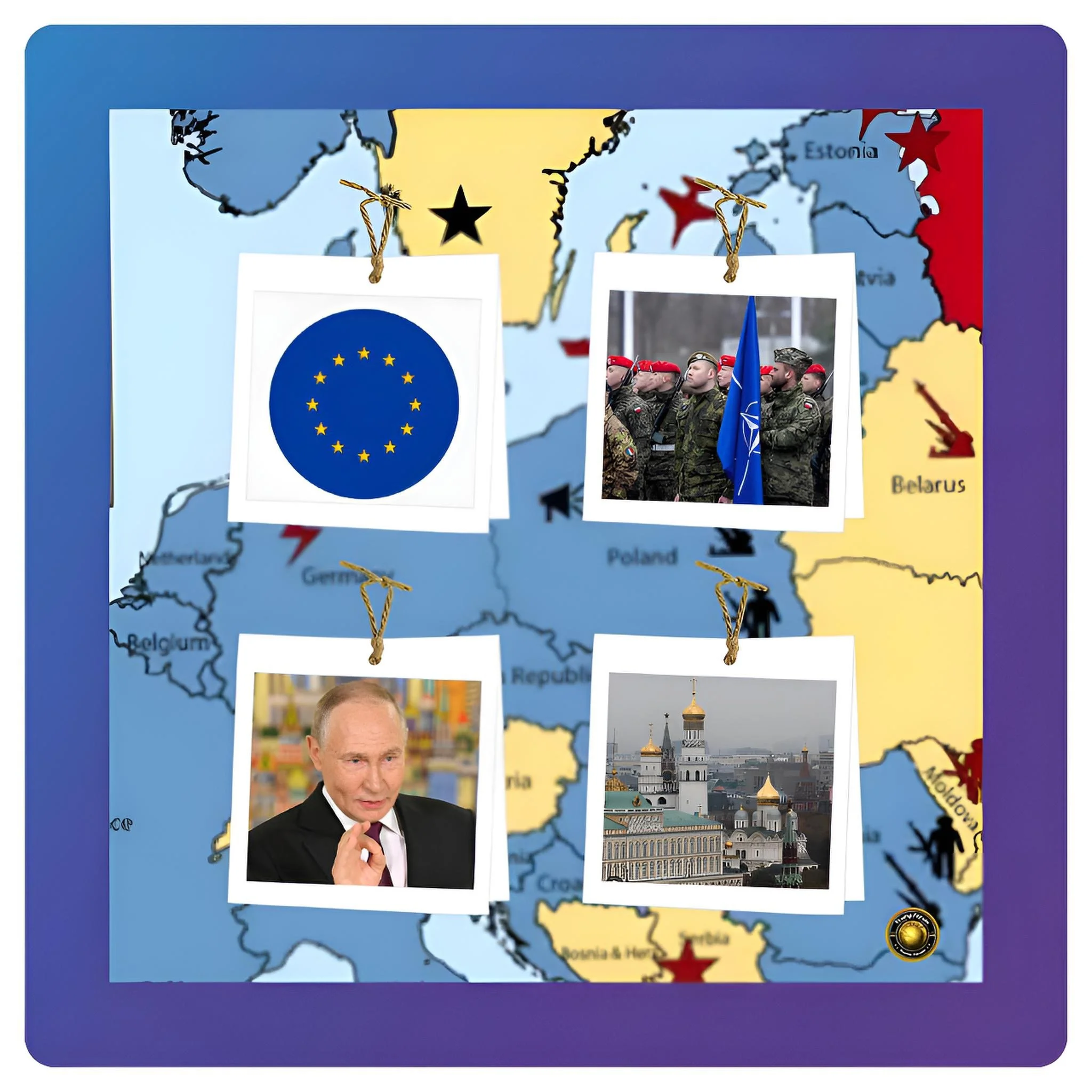
Trade grew. Energy deals expanded. NATO also grew, adding new members in Eastern Europe.
Russia slowly began to feel surrounded.
When Russia took Crimea and later invaded Ukraine, trust collapsed.
NATO sent weapons and money to Ukraine. Countries like Finland joined NATO.
Defense spending increased sharply.
Today, soldiers, aircraft, and ships operate very close to each other.
Key Developments
Finland joining NATO made the border between NATO and Russia much longer.
More troops are stationed in Eastern Europe.
Defense factories are producing more equipment. Russia is also rebuilding its military.
Latest Facts and Concerns
Airplanes from both sides fly near each other in the Baltic region.
Ships follow each other in the Black Sea. Hackers attack infrastructure. Even a small accident could grow into something larger.
Cause-and-Effect Analysis
When armies are close together, accidents happen more easily. When leaders do not talk regularly, misunderstandings grow.
When countries trade less, they lose reasons to avoid conflict. When political unity weakens, opponents may test limits.
For example, if a military jet accidentally crosses into another country’s airspace and is shot down, leaders might feel forced to respond strongly to show strength.
Future Steps
NATO needs to stay strong but also clear that it is defensive.
Russia and NATO should keep communication lines open.
Even rivals must talk during tense times.
European countries must plan long-term defense, not only short bursts of spending.
Conclusion
Europe is entering a new period. The war in Ukraine changed everything.
Even if the shooting stops, mistrust remains.
Preventing a larger war will require patience, discipline, and constant communication.