Executive Summary
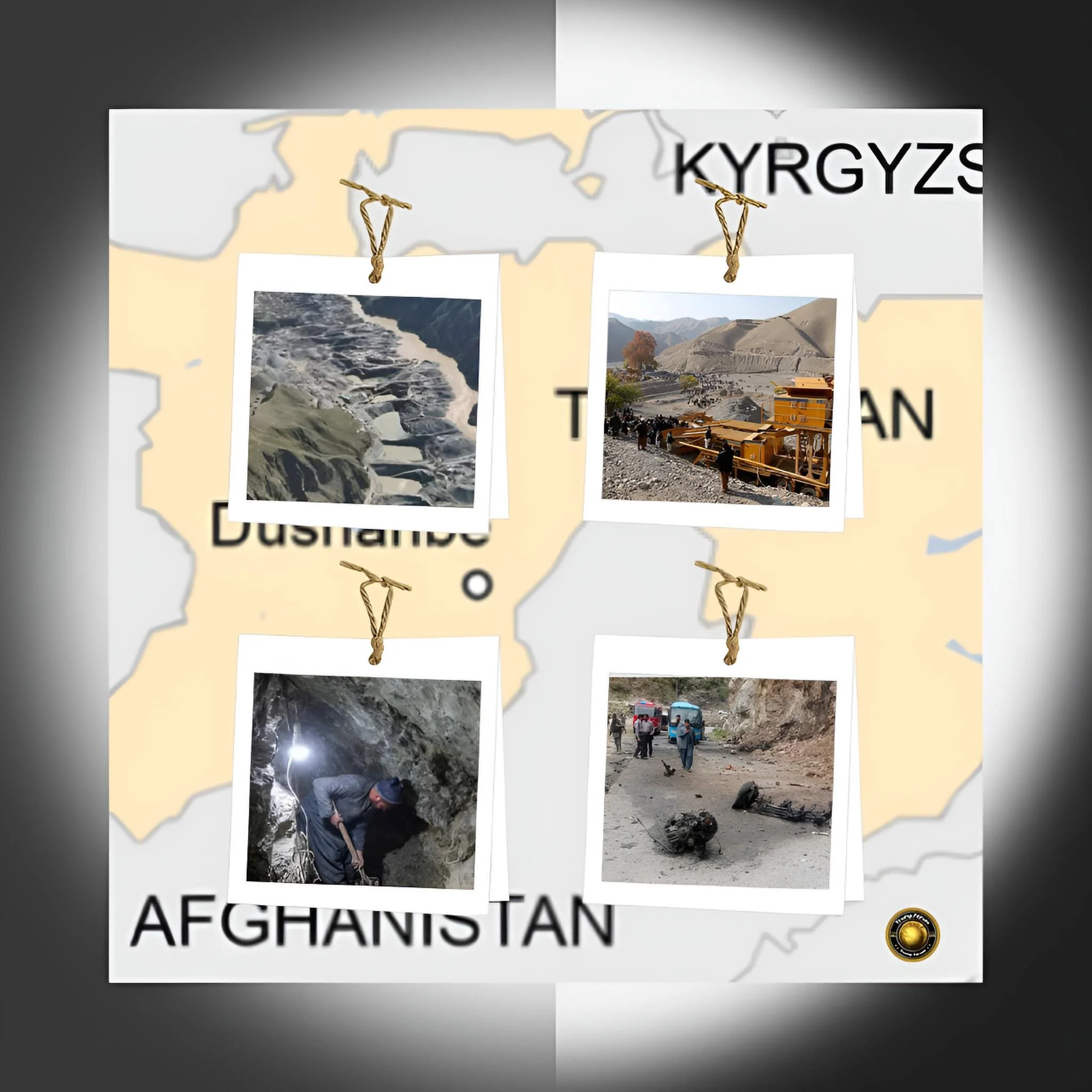
After the Taliban took control of Afghanistan in 2021, China became the biggest foreign country investing in Afghan mining.
Many Chinese companies and private investors moved to northern Afghanistan to mine gold because global gold prices are very high.
But violence is increasing.
Five Chinese workers were recently killed in attacks near the Afghanistan–Tajikistan border.
Local Afghan people are angry about mining deals, and the Taliban cannot fully protect foreign workers.
This situation shows how business in unstable countries can quickly become dangerous.
Introduction
Why China Is Mining Gold in Afghanistan
Afghanistan has many natural resources, including gold. For many years, war stopped large mining projects.
After the Taliban returned to power in 2021, Western aid stopped.
The Taliban needed money. Mining became one of their few income sources.
China saw an opportunity. Gold prices reached record highs.
Mining gold can bring quick profit compared to bigger projects like copper or lithium.
So Chinese investors entered northern Afghanistan, especially provinces near Tajikistan.
But this region is not stable. There are armed groups, smuggling routes, and weak border control. This makes mining risky.
History and Current Situation
China and Afghan Resources
China has tried to invest in Afghan minerals before.
In 2007, a Chinese company won rights to a big copper mine called Mes Aynak. But that project faced security problems and delays.
After 2021, China restarted talks with the Taliban.
The Taliban welcomed Chinese investment.
Some mining deals were officially approved. Others were informal agreements with local Taliban leaders.
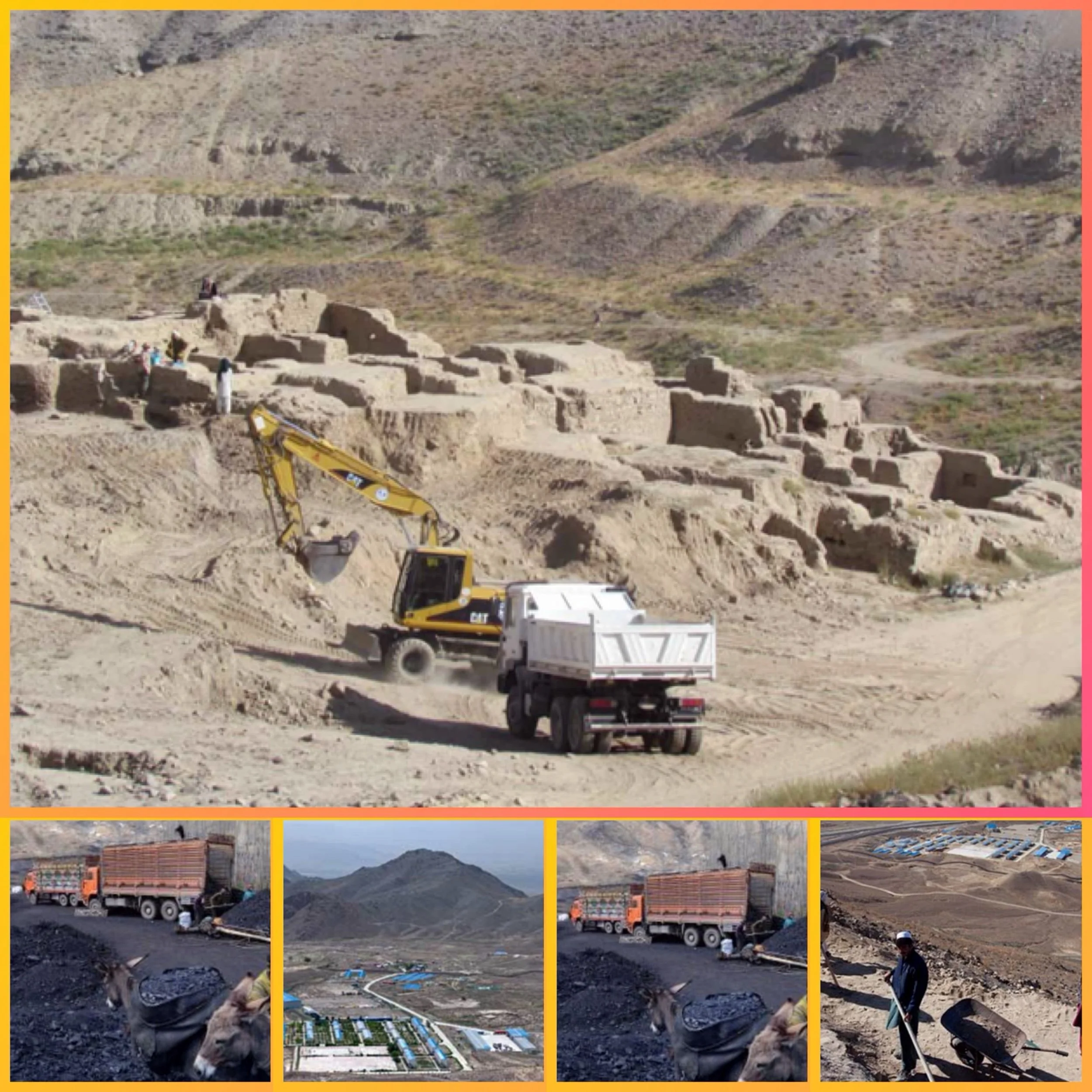
Today, many gold mines in northern Afghanistan involve Chinese investors.
Some are small-scale operations.
Others are larger and more organized. Security around these mines has increased, but attacks still happen.
Key Developments
Recent Attacks and Reactions
The most serious development was the killing of five Chinese workers in cross-border attacks. Militants used mountain routes to strike from northern Afghanistan toward Tajikistan.
China strongly condemned the attacks. Chinese leaders asked the Taliban to protect their citizens. The Taliban promised better security.
Tajikistan also increased border patrols. Other world leaders commented on the situation.
U.S. President Joe Biden said that economic projects cannot succeed without security.
Russian President Vladimir Putin warned about extremist threats in Central Asia.
German Chancellor Olaf Scholz expressed concern about instability spreading.
These comments show that the issue is not only about gold. It is about regional security.
Latest Facts and Main Concerns
Why Local People Are Angry
Many Afghan villagers feel they do not benefit from mining.
Jobs sometimes go to outsiders. Profits are often unclear. People worry about environmental damage.
Gold prices are very high. This attracts more investors. But some investors are inexperienced.
They make quick deals without strong legal systems. This creates confusion and competition.
The Taliban government tries to show control, but power is divided among different commanders. Some local leaders make their own arrangements. This weakens central authority.
Cause and Effect
Why Violence Is Increasing
There are several connected reasons for the violence.
First, money creates competition. When gold prices are high, many groups want control of mines.
Second, the Taliban does not have a strong administrative system. Rules are not always clear.
Third, the Afghanistan–Tajikistan border is mountainous and hard to control. Armed groups can move easily.
Fourth, attacking Chinese workers brings international attention. Militants may see this as a way to send a political message.
For example, if a village feels excluded from mining profits, some young men may join armed groups.
If a militant group attacks a mine, China demands more security. More security forces arrive, which can increase tension. This cycle can continue.
Future Steps
What Could Happen Next
China has two main choices. It can reduce investment and avoid risk. Or it can increase cooperation with the Taliban for stronger protection.
The Taliban needs to improve governance. If local communities receive fair benefits, anger may decrease.
Clear contracts and transparency could help.
Regional countries like Tajikistan and Russia may increase border cooperation to prevent attacks.
However, without stable institutions, mining will remain dangerous.
Conclusion
Gold Is Not Enough
Gold can bring money, but it cannot create stability by itself. Afghanistan’s political system remains weak.
The Taliban controls territory but struggles to provide secure and fair governance.
China’s mining projects show the limits of economic investment in unstable regions. If security does not improve, more violence may follow.
Afghanistan’s gold could help rebuild the economy.
But without better governance and community inclusion, the gold rush may continue to turn deadly.