Executive Summary
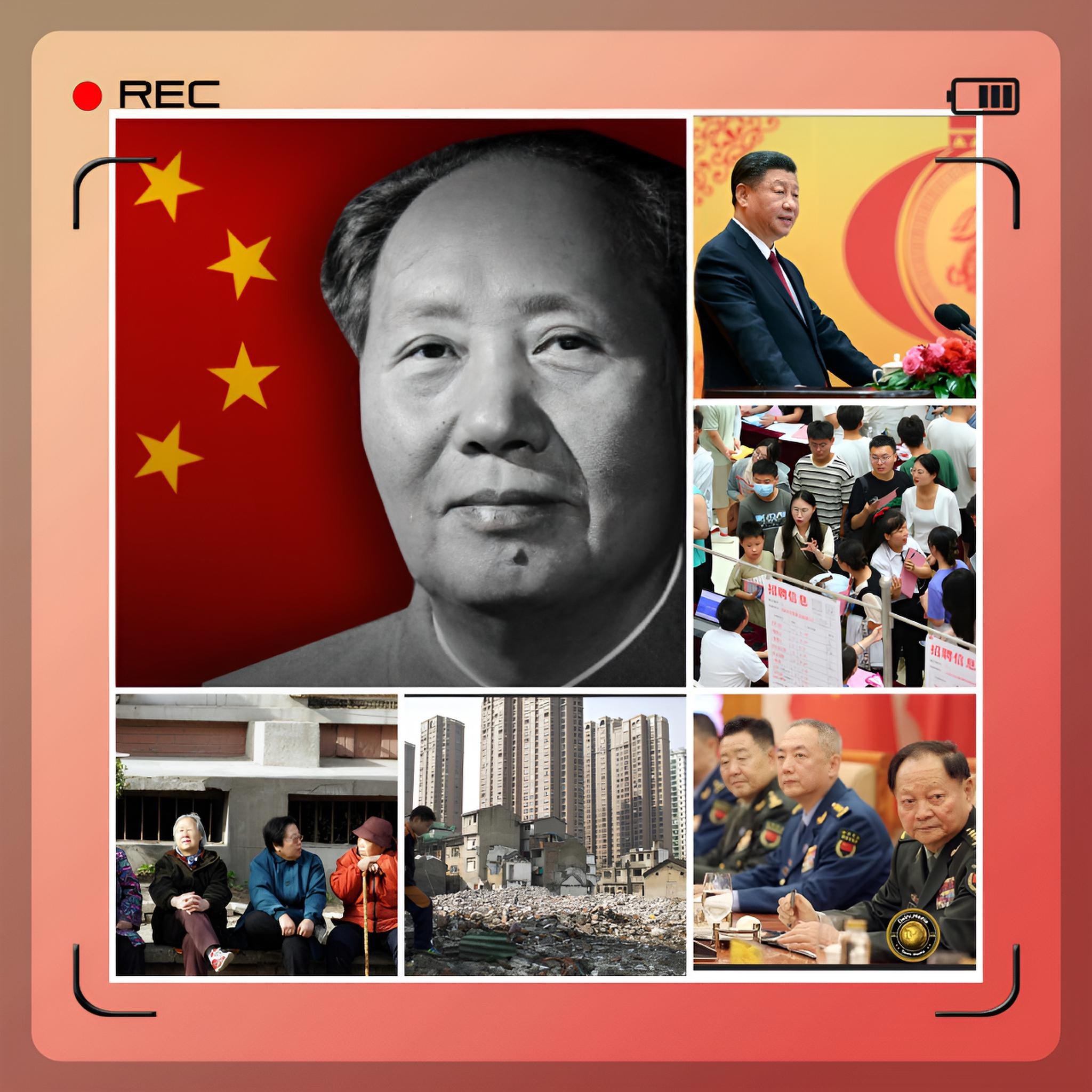
Xi Jinping is the leader of China. On the world stage, he looks strong and confident.
China has a large economy, a powerful military, and big global projects.
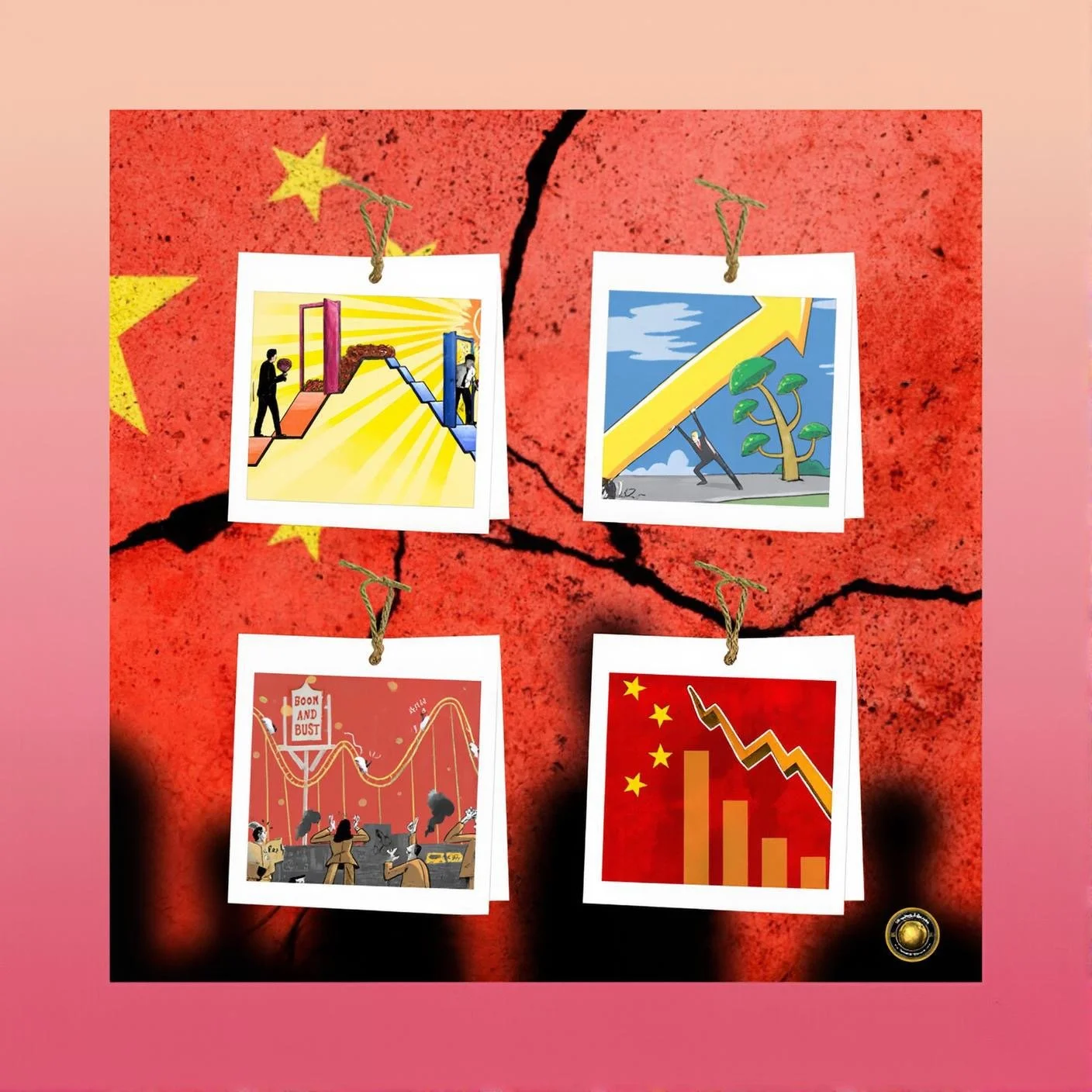
However, inside China, there are serious problems. Economic growth is slower.
Young people struggle to find jobs.
The population is shrinking.
The property market is weak.
These issues create pressure for Xi, even if he still controls the political system tightly.
Introduction
China is the 2nd largest economy in the world. For many years, it grew very fast. Some years, growth was more than 10%.
People’s incomes increased. Cities expanded. Millions moved from farms to factories.
Today, growth is closer to 5% or lower.
This is not a crisis, but it feels different from the past. When growth slows, people worry more about jobs and savings. This makes the government nervous.
History and Current Status
After 1980, China opened its economy. Factories produced goods for the world.
Foreign companies invested billions of $. Chinese families bought apartments as prices kept rising.
Xi became president in 2012. He promised to fight corruption and make China strong again.
He removed political rivals and changed the constitution so he could stay in power longer.
For several years, things looked stable. But problems began to appear. Real estate companies borrowed too much money.
Some, like large developers, could not repay debts worth hundreds of billions of $. Apartment prices stopped rising. Some projects were left unfinished.
At the same time, China’s population began to fall. Couples are having fewer children.
The birth rate is below 1.2 per woman. This means fewer workers in the future.
Key Developments
Youth unemployment has been high, at times over 20% in cities. Many university graduates cannot find good jobs.
Some young people choose “lying flat,” meaning they stop trying to compete in a stressful job market.
The government also increased control over technology companies. For example, new rules reduced the power of large internet platforms.
This was meant to promote fairness, but it also reduced investor confidence.
Another important development is tension with the United States. The U.S. limited China’s access to advanced computer chips.
This makes it harder for Chinese companies to produce the most advanced technology.
China is investing billions of $ to build its own chip industry, but this takes time.
Latest Facts and Concerns
China still has strengths. It leads in electric vehicle production. It exports large amounts of solar panels and batteries. It has over $3 trillion in foreign exchange reserves.
However, consumers are cautious. Many families worry that apartment prices may fall further. If people feel poorer, they spend less money. This slows the economy more.
Local governments also have large debts.
They borrowed money to build roads, bridges, and housing. If land sales fall, they earn less revenue.
This creates financial stress.
Politically, Xi has removed several high-level officials, including military leaders.
This shows he wants strong control. But it may also show that he is concerned about loyalty.
Cause-and-Effect Analysis
When the property market weakens, families lose wealth.
When families lose wealth, they spend less. When spending falls, companies earn less profit.
Then companies hire fewer workers. This increases unemployment.
When unemployment rises, people feel uncertain.
The government may respond with more control and propaganda to keep order.
However, too much control can make businesses less creative. Investors may hesitate to invest.
Tension with the U.S. also has effects. If exports decrease, factories may slow production. If advanced chips are restricted, technology progress slows. This affects long-term growth.
Population decline creates another chain reaction.
Fewer young workers mean lower productivity. At the same time, more elderly people need pensions and healthcare. The government must spend more money.
Future Steps
Xi may increase government spending to support the economy. For example, the state can invest in green energy or infrastructure. It can also support private businesses with tax cuts.
China may try to improve relations with Europe and Asian neighbors to expand trade. It may also continue investing in new technology to reduce dependence on foreign suppliers.
The government could also encourage families to have more children by offering financial support. However, changing social trends is difficult.
Conclusion
Xi Jinping looks powerful internationally, but domestic challenges are real. Slower growth, youth unemployment, property debt, and population decline all create pressure.
China is not collapsing. It still has strong industries and large financial reserves.
However, the future depends on whether the government can balance control with economic flexibility.
If Xi manages reforms carefully, China can remain stable. If not, internal pressures may grow stronger in the years ahead.