Summary
Imagine a company where fewer and fewer workers show up to work each year while more and more retired workers collect pensions. This is exactly what is happening in China right now, and it is creating serious problems for the whole country. When the new year statistics come out in January 2026, they will show that China's population went down for the fourth year in a row. Think about that: a country with 1.4 billion people is actually getting smaller, not bigger. This is a huge deal, and it will affect everything from the military to the economy to whether young people can find jobs.
China's big problem started decades ago with the one-child policy. The government said families could only have one child. This was supposed to help control population growth and reduce poverty. But it worked too well. Now Chinese families are having very few babies. Today, the average Chinese woman has about one child in her lifetime. To keep a population stable, experts say each woman needs to have 2.1 children. China is only at 1, which means the population keeps shrinking. To compare, countries like Japan, South Korea, and Taiwan all have the same problem, with about 1.1 children per woman on average.
The numbers are truly shocking when you think ahead. Right now, there are still enough young people working to support retired people. But United Nations experts predict that by the end of the century, the number of women who can have babies will drop by more than two-thirds. In simple terms, that means where 300 million women of childbearing age exist today, there might be only 100 million by 2100. When you have fewer women having fewer babies, you get a country that gets older and older. Today, more than 20 percent of Chinese people are over 60 years old. By 2100, that could be nearly half the entire population.
The Chinese government has recognized this disaster and is taking action. Starting in 2026, Beijing plans to spend about 25.8 billion dollars to try to get people to have more babies. That is more money than the annual budget of many countries. The government is covering all pregnancy and childbirth costs for free. They are even paying for expensive medical treatments like in vitro fertilization, which used to cost families tens of thousands of dollars. They are giving subsidies to families for having children. They are promising tax credits for parents. Basically, they are saying: we will give you money if you have a baby.
But here is the problem: money alone does not make people want babies. Countries like Japan and South Korea have tried similar ideas. Japan spent enormous amounts of money trying to increase births but failed. Why? Because real life is expensive in ways that simple money cannot fix. If you live in a big Chinese city like Beijing or Shanghai, buying an apartment costs an enormous amount. A young couple needs to save for years just to afford a small apartment. Schools are very competitive. Parents need to pay for extra classes and tutoring so their children can compete with other kids. Doctors visits are expensive. Insurance does not cover everything. Childcare is expensive if both parents work. When you add all this up, having even one child becomes extremely difficult for a young couple.
There is another important reason people are not having babies. Women in China are now more educated than ever before. Many women go to college. They have good jobs. They want careers. Having a baby means taking time away from work, and employers often treat mothers as less serious workers. A woman who takes maternity leave often gets passed over for promotions. Men do not face the same problem. If a woman can earn good money and be successful in her career, why would she choose to stop working to have babies? Studies show that in countries where women have good opportunities, they have fewer babies. In countries where women have fewer opportunities, they have more babies. This is just how human behavior works.
China's problem is even worse because of something called gender imbalance. For many years, Chinese families wanted sons more than daughters. They used medical technology to find out the sex of babies before birth and chose to have boys instead of girls. This created a situation where there are now many more men than women. This makes marriage harder for many men, which means fewer couples forming, which means fewer babies. Additionally, the one-child policy meant parents put all their hopes and money into one child. If that child is a girl and gets married, her parents lose her labor and support. These attitudes are slowly changing, but they still affect decisions about having babies.
The government's plan to increase births by spending money shows it understands the problem. But it probably will not work much. Even with free pregnancy care and thousands of dollars in subsidies, women still face expensive housing, expensive childcare, expensive education, and job discrimination if they become mothers. One woman explained it like this: the government is paying me to have a baby, but it is not paying for the apartment that costs 500,000 dollars, the childcare that costs 2,000 dollars per month, or the tutoring that costs 1,000 dollars per month. Money for pregnancy does not solve these bigger problems.
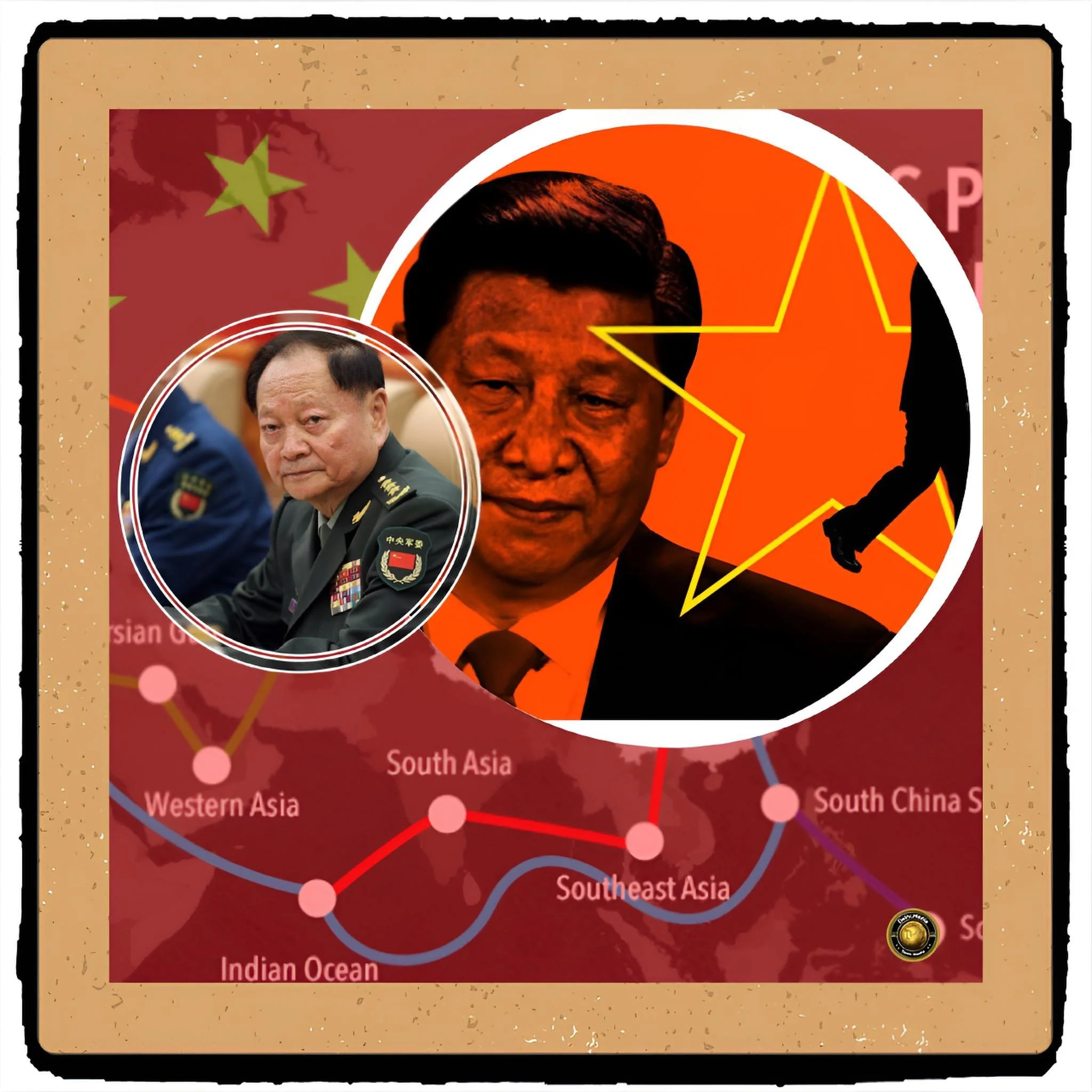
This demographic crisis affects military planning, and that is crucial for understanding Taiwan. Some people think China will invade Taiwan in 2026 or 2027. Military experts point out that China has been preparing with exercises and weapons building. But think about what invading Taiwan would mean. It would be a massive war that would need many young soldiers. It would disrupt the economy and scare families. It would invite international punishment and sanctions that would hurt the economy even more. When your country is shrinking and getting older, the last thing you want is a big expensive war. This is one reason why many experts think 2026 will stay quiet, even though China has the military ability to attack. Xi Jinping has created an image of himself as a strong leader, but starting a war during your country's biggest crisis is not strong, it is desperate.
There is another tension nobody talks about enough. The government says it wants women to have more rights and participate more in politics and business. Xi has made speeches about gender equality and women's advancement. Yet at the same time, the government is pushing policies that say women should have babies and focus on family. These two things contradict each other. If women focus on their careers and ambitions, they have fewer babies. If women focus on having babies and raising families, they have fewer career opportunities. China cannot have both. The government is essentially asking women to do everything: work full-time, have multiple children, care for elderly parents, manage the household, and participate in politics. This is impossible.
What this all means for 2026 is that China will spend billions of dollars on baby incentives that will not work. The population will keep shrinking. China will get older. The burden on young workers will get heavier. The economy will grow more slowly. Women will face contradictory pressures from a government that claims to support them while pushing policies that limit their freedom. These are not problems that better weapons or more money can solve. They are problems built into the basic structure of modern life: educated women choose careers, expensive cities make children difficult to afford, and parents want good opportunities for their children, not large numbers of children.
For 2026, this means China will enter a long period of slower growth, smaller workforce, and older population. The demographic crisis will be the background story that makes all other 2026 developments, from Taiwan to trade to technology, play out the way they do.