The Supreme Court Just Made a Massive Mistake—Here’s What Happens Next : Here Is Why That Matters
Summary
What the Supreme Court Did
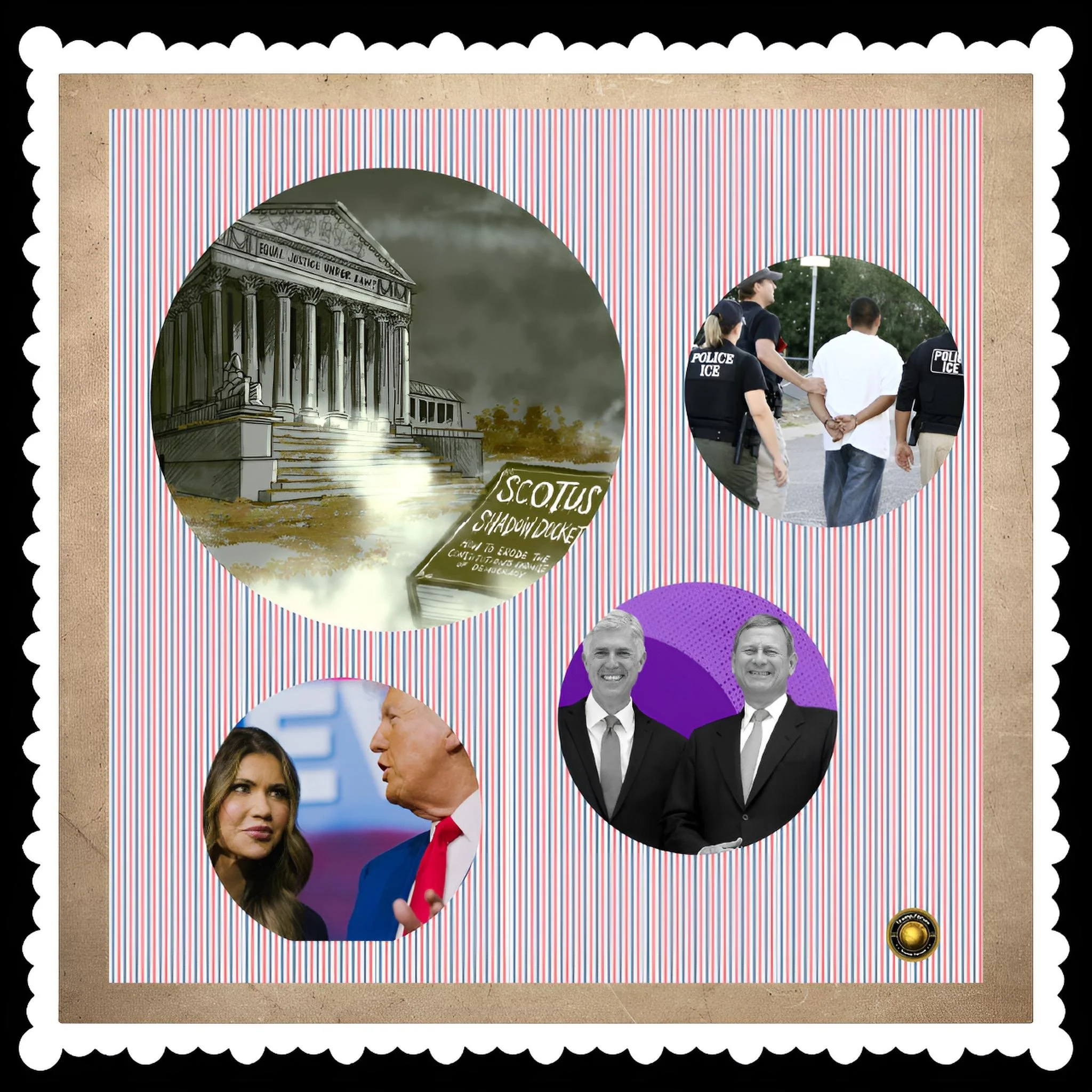
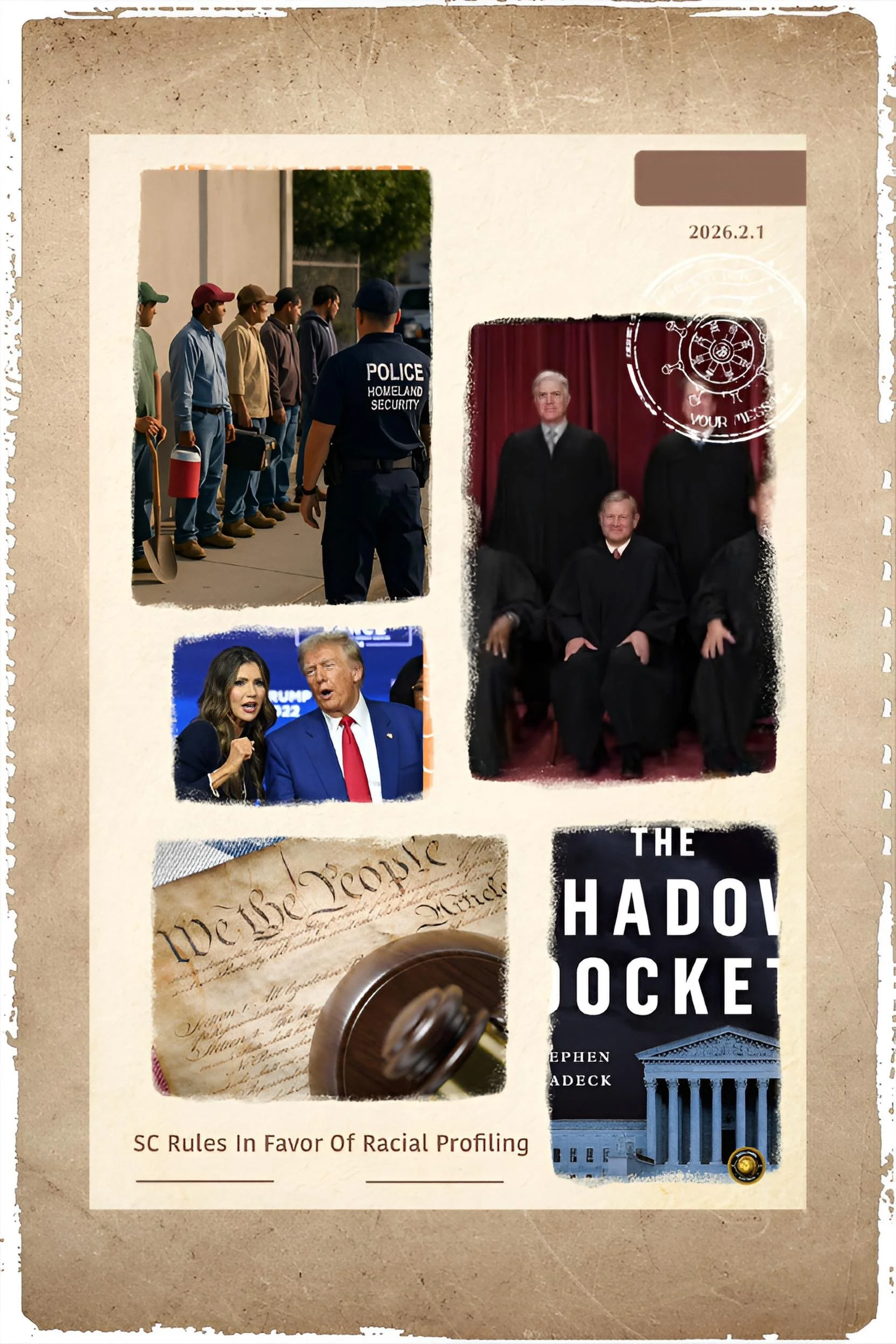
On September 8, 2025, the Supreme Court made a decision that shocked many Americans. They said immigration police can stop people based on how they look—specifically if they appear Latino or Hispanic. They can also consider whether someone speaks Spanish or has an accent. And they can stop people based on what job they have or where they are standing.
A lower court judge had said this is wrong. The judge said this is racial profiling. But the Supreme Court overruled that judge and allowed the practice to continue.
The Strange Part
The Supreme Court did not explain their decision. They just said yes to immigration police and said no to the judge. No majority opinion. No explanation. Just a quiet decision on the "shadow docket"—the Supreme Court's secret fast-track process.
Only 1 justice, Brett Kavanaugh, wrote an explanation. He said it is legal to stop people based on these factors because many undocumented immigrants match that description.
Why This Is a Problem
Here is an example: Maria is a U.S. citizen. She was born in the United States. But she is Latina, speaks Spanish, and works in construction. Under this Supreme Court decision, immigration police can stop her anytime.
Meanwhile, Tom is also in the country illegally. But he is white, speaks English with no accent, and is a lawyer. Police are very unlikely to stop Tom.
This is racial profiling: stopping people based on race, not because they did anything wrong.
The Evidence
When the lower court judge stopped this practice for 2 months, ICE arrests dropped by 66 percent. This huge drop shows police were stopping people almost entirely based on race and language—not based on real suspicion of crime.
But the Supreme Court did not acknowledge this evidence or explain why they ignored it.
The Contradiction
2 years earlier, the Supreme Court said universities cannot consider race when admitting students. The Chief Justice wrote: "Eliminating racial discrimination means eliminating all of it."
But now the Court said immigration police CAN consider race. This does not make sense.
The "Kavanaugh Stop"
People started calling this a "Kavanaugh stop" because of Justice Kavanaugh's opinion. By 2026, immigration police across the country were using this method—stopping people based on appearance, language, and job type.
In December 2025, Kavanaugh tried to walk back his opinion by saying officers should not make stops "based on race or ethnicity." But it was too late. The damage was done. Police nationwide were already profiling people.
What Justice Sotomayor Said
Justice Sonia Sotomayor strongly disagreed. She wrote: "We should not have to live in a country where the Government can seize anyone who looks Latino, speaks Spanish, and appears to work a low wage job."
She noted that U.S. citizens and legal residents have been stopped, detained for days, lost their jobs, and been treated violently—even though the stops were based only on appearance.
Why This Weakens Democracy
The Constitution says the government cannot treat people differently based on race. This is called equal protection.
When the Supreme Court allows stops based on how people look, it says some people are automatically suspicious because of their race. This breaks equal protection.
It also matters that the Court did not explain its decision. When courts do not explain themselves, people cannot understand the law. The decision seems secret and unfair.
What Comes Next
Some things could limit this decision:
(1) Congress could pass a law protecting people from racial profiling
(2) Lower courts could refuse to follow the decision
(3) States could pass their own laws protecting people
(4) The Supreme Court could change its mind
But for now, immigration police can legally stop people based on appearance and language.
The Real Impact
For millions of Latino and Hispanic Americans, this means they can be stopped anytime, anywhere. Not because police think they did something wrong. Just because of how they look or sound.
This is how racial discrimination works in modern America—not through explicit bans, but through stops, questioning, and searches based on appearance. The Supreme Court just made it legal.