How America's Rivals Read the Democratic Wave
Executive Summary
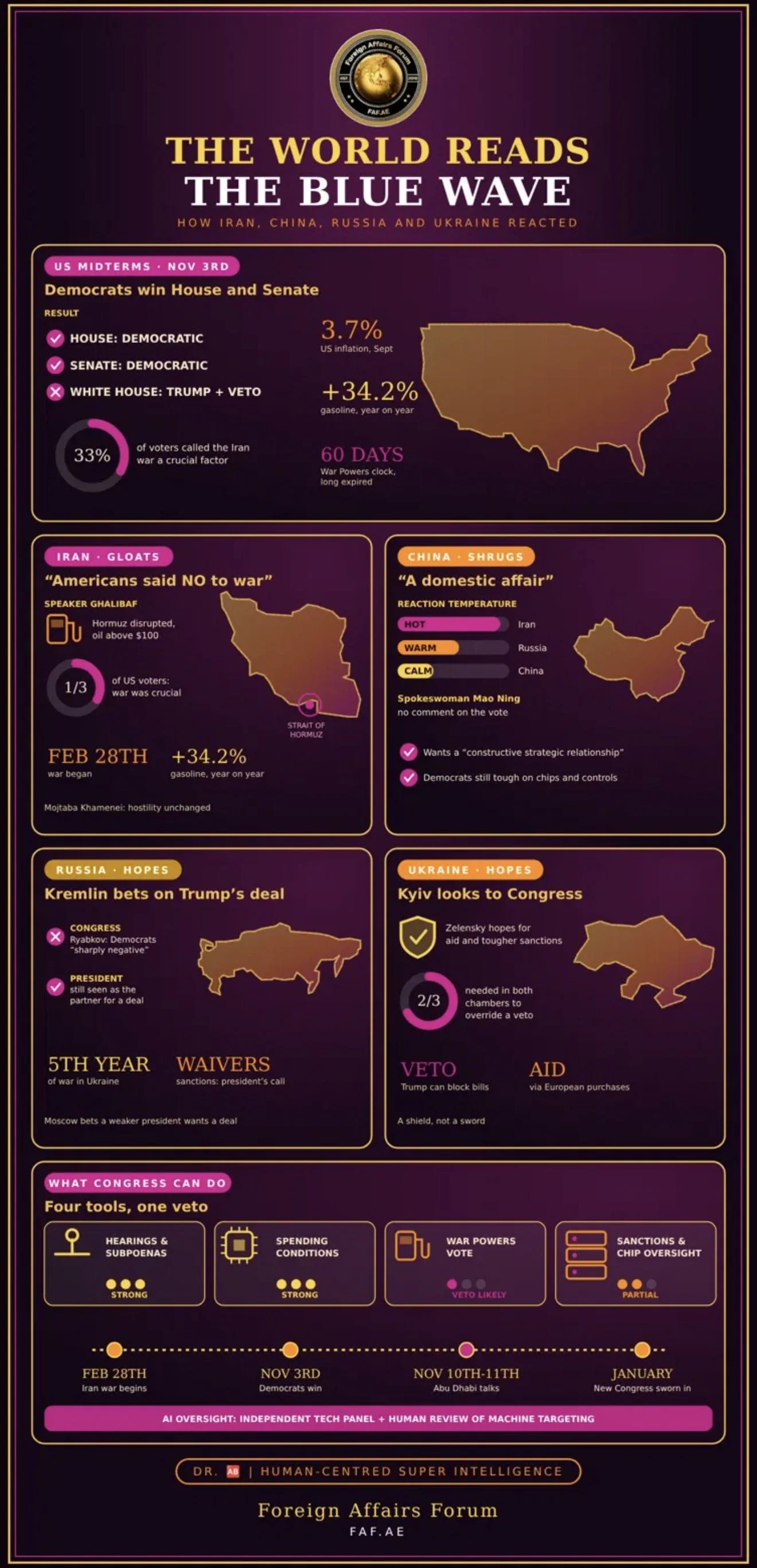
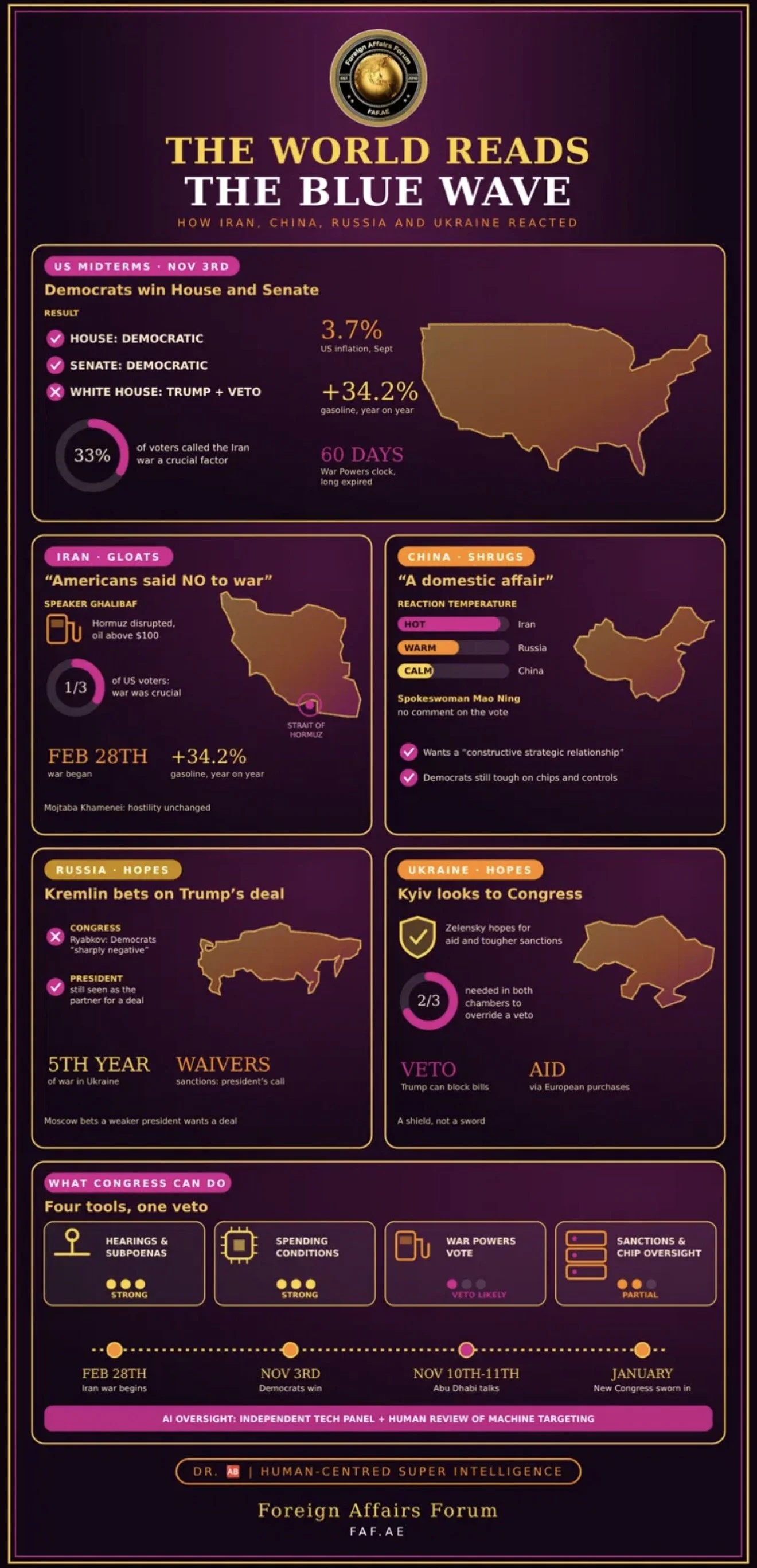
The Democratic Party won the House of Representatives and the Senate in the midterm elections on Nov 3rd. Within hours, America's rivals and friends reacted. Iran gloated and said the American people had voted against war. China shrugged and called the election a domestic matter. Russia said it was hopeful, because it believes President Donald Trump still wants a peace deal. Ukrainians said they hope the new Congress will protect military aid.
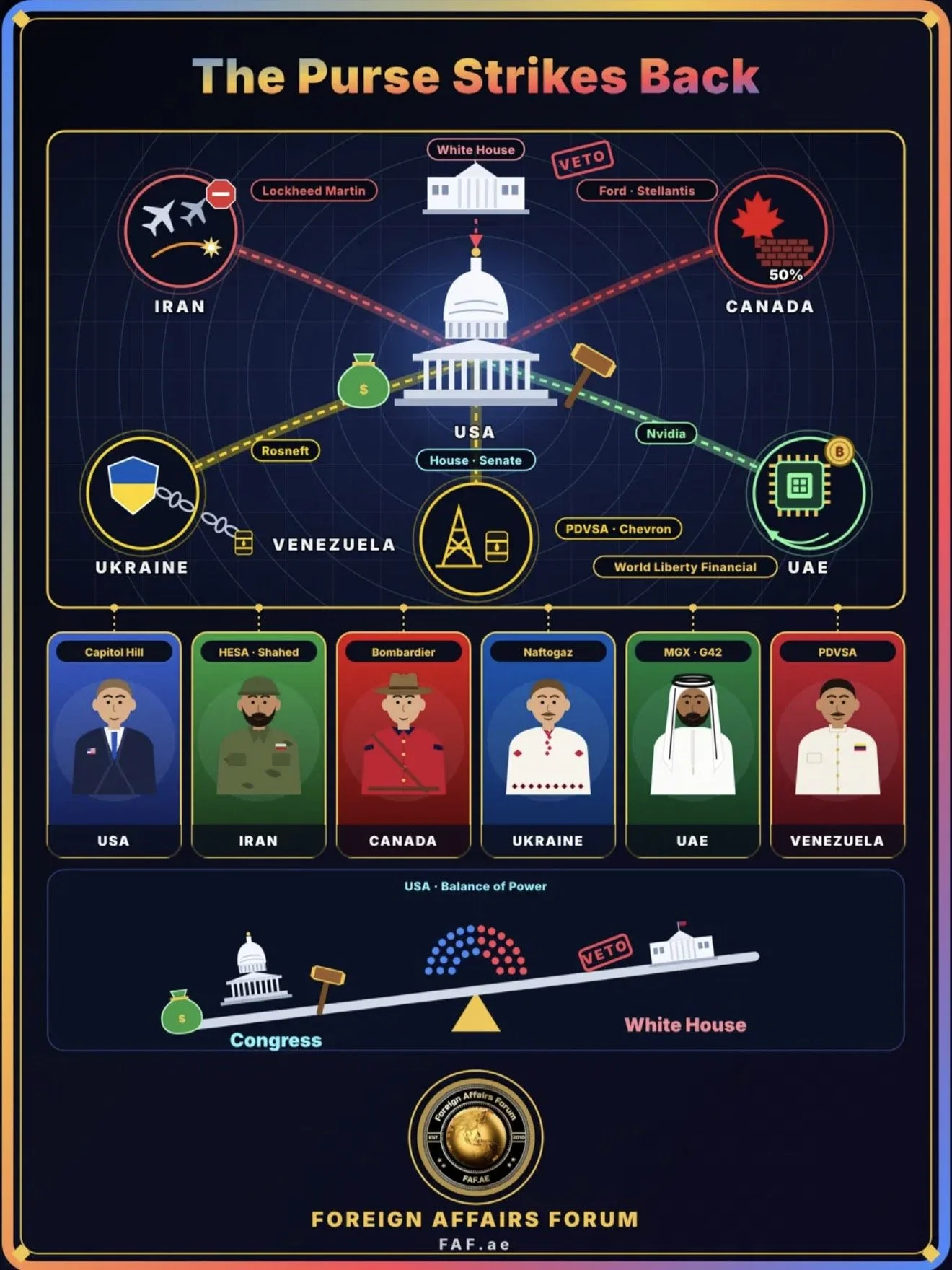
The new majority has real tools. It can hold hearings, demand documents and write spending bills. But it cannot easily force the president to change course, because he can veto laws, and Democrats do not have enough votes to override him. The war with Iran, which began on Feb 28th, 2026, is the biggest test.
Dr. 🆎, an expert in human-centred super intelligence, says Congress must also learn to oversee the technology of modern war, because machines now act faster than lawmakers can react.
Introduction
When Americans vote, the whole world watches. Other governments want to know how much power the president really has and how long his policies will last. A president with a friendly Congress can act freely. A president with an unfriendly Congress must bargain.
This FAF article explains how Iran, China, Russia, Ukraine and Europe responded to the vote, and what Democrats can do about foreign policy.
It also uses the views of Dr. Antonio Bhardwaj (Dr. 🆎), a polymath with global expertise in super intelligence. He studies how human-centred super intelligence can guide world strategy, and he also works on the dangers of AI warfare and bioterrorism. His main idea is that democratic oversight only works if lawmakers understand the technology they are supervising.
History and Current Status
The Constitution gives Congress the power to declare war and to pay for the military, but it makes the president commander in chief. In the 20th century, presidents often sent troops abroad without a formal declaration.
In 1973, Congress passed the War Powers Resolution, which says a president must withdraw forces after sixty days unless Congress agrees. Presidents have mostly ignored it. Congress has been strongest when it controls money. In 1973, it ended American bombing in Cambodia by threatening to cut funds.
The war with Iran began on Feb 28th, 2026. It disrupted the Strait of Hormuz, pushed oil above $100 a barrel and raised gasoline prices above $4 a gallon. Inflation reached 3.7% in September. About one-third of voters said the war was a crucial factor in their vote.
Vice President JD Vance is reported to have said that the reason the party lost was the war. Talks with Iran are expected in Abu Dhabi on Nov 10th and Nov 11th.
Key Developments
Iran was the most openly happy.
Mohammad Bagher Ghalibaf, the speaker of parliament, said that Americans had said no to war. The new Supreme Leader, Mojtaba Khamenei, spoke of American hostility and suggested that nothing basic had changed.
China was calm.
A foreign ministry spokeswoman, Mao Ning, said the election was a domestic affair and that China wants a constructive strategic relationship with the United States. Beijing does not want to say anything that could be used against it in Washington.
Russia was careful.
Deputy Foreign Minister Sergei Ryabkov said that the Democratic Party is sharply negative toward Russia. But the Kremlin also said it hopes Mr. Trump will continue his peacemaking efforts. Moscow believes the president is still the person it can bargain with.
Ukraine was hopeful.
Leaders in Kyiv believe that a Democratic Congress will make it harder to cut aid or to ease sanctions on Russia. But they know that the president can veto laws and can slow the delivery of weapons.
European leaders welcomed the result in careful words.
They are glad that a check on the president now exists. But they also know that Democrats will ask Europe to spend more on defence and to take a tougher line on China.
Latest Facts and Concerns
Democrats plan hearings and investigations about the Iran war, the Defense Department under Secretary Pete Hegseth, and the president's business ties in the Gulf. Republican Representative Thomas Massie, who leaves Congress in January, says he will bring articles of impeachment against Mr. Hegseth. Democrats are also preparing votes on war powers, though a veto is likely.
One concern is that adversaries will draw the wrong lessons. Iran may think it can outlast America. Russia may think Washington will lose interest in Ukraine. China may try to use the distraction. Wrong guesses of this kind often lead to crises.
Dr. 🆎 raises two more worries. First, computer systems now help choose targets and defend against attacks, but the public knows little about their mistakes. Second, war damages health systems and spreads disease, and powerful AI tools could help people design dangerous germs. He also warns that rivals will use fake videos and automated accounts to divide Americans.
The money channel matters as well. If the Federal Reserve raises interest rates in December, as markets expect, the economy will slow and the deficit will cost more. A weaker economy makes a president look for quick wins abroad, and it makes voters less willing to pay for foreign commitments. Allies who hope for more American help should plan for a tighter budget.
For ordinary people, the lesson is that foreign policy and household bills are connected. A war far away can raise the price of fuel at home, and that price can change an election, which then changes the war.
Another worry is the next election. Rivals have learned that fake videos, false stories and automated accounts are cheap and fast. A false story can travel around the world before an official can answer it. Allies face the same danger, so they should share warnings and work together to find the source of such campaigns quickly.
There is also a worry about trust among friends. Gulf states, Asian partners and European governments are all building more of their own defences, because they are not sure what Washington will do after each election. That is sensible for them, but it means America has less influence over its friends than before.
Cause-and-Effect Analysis
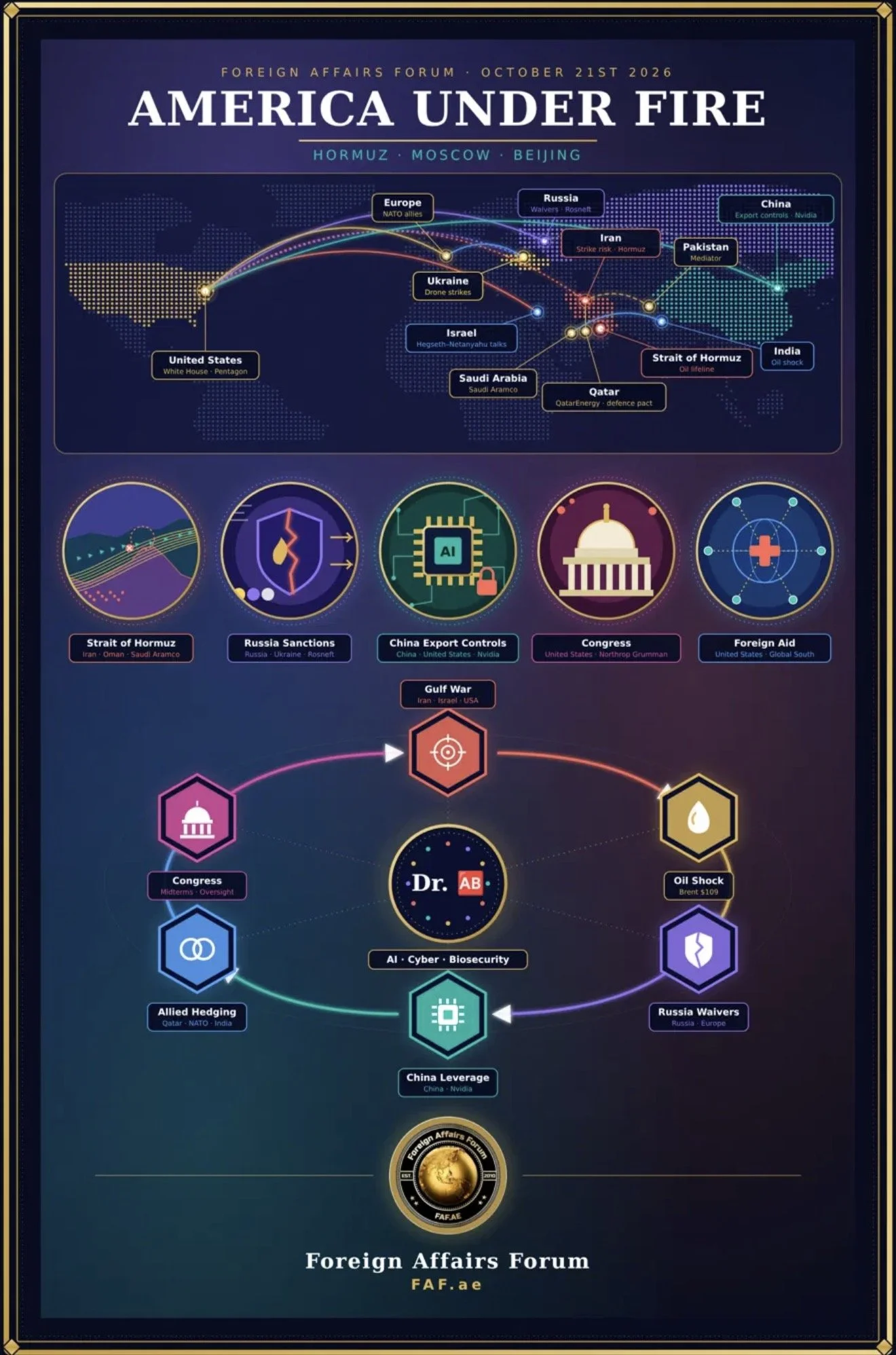
The chain is simple. The Iran war raised oil prices. Higher oil prices raised gasoline prices and inflation. Inflation made voters angry, and they voted against the president's party. The result now changes how other countries behave.
Iran thinks time is on its side, so it may delay talks and keep up pressure at sea. But if Iran acts too proudly, American hawks will say that concessions would reward bad behaviour. China wants a quick end to the war because the oil shock hurts it too. Russia hopes that a weaker president will accept a deal on its terms. Ukraine gains a shield in Congress, but not a sword, because Congress cannot run diplomacy.
Dr. 🆎 explains the deeper problem as speed. Machines and software let governments act in minutes, while investigations take months. A check that arrives too late is a weak check.
Future Steps
First, Democrats should choose a few clear goals, beginning with the legal basis and the funding of the Iran war. Second, they should use spending bills to require reports, legal reasons and independent checks, since blunt cuts are harder to pass. Third, they should state clearly what kind of deal with Iran they would support, so that Tehran knows what Congress will accept.
Fourth, they should protect Ukraine's funding for several years and limit the use of sanctions waivers. Fifth, they should avoid a contest over who sounds toughest on China and should focus on enforced export controls and strong alliances.
Sixth, as Dr. 🆎 recommends, Congress should build an independent technical panel to test the AI systems used in targeting and defence, require recorded human review of machine-assisted strikes, and test powerful AI models for dangerous cyber and biological abilities. He also urges stronger defences against fake information from foreign rivals.
Seventh, Democrats should keep allies informed. Regular talks with European, Gulf and Asian partners before big votes will stop friends from hedging against Washington. Predictability is a form of strength.
Conclusion
The midterm result showed that American politics can correct itself. Iran, China, Russia and Ukraine each read the vote in their own way, and each is partly right and partly wrong. The new Democratic majority can question and expose, but it cannot command. Its success will depend on choosing a few goals and pursuing them with care.
Dr. 🆎 ends with a simple point. The real contest is between a fast, secret way of deciding and a slower, open way that uses technology people can check. The first test comes in Abu Dhabi on Nov 10th, and the second comes when the new Congress is sworn in this January.