Who Holds the Wallet? Five Ways a Democratic Congress Could Change America's Foreign Policy
Summary
On November 3rd, Americans will vote in the midterm elections.
This year, events far from home are shaping how people vote.
The war with Iran and a trade fight with Canada have pushed up prices for fuel, food, and everyday goods.
Many forecasters now expect the Democratic Party to win control of the House of Representatives. If that happens, Democrats will not run foreign policy, because the president still does that. But they will control two powerful tools: the money Congress spends and the right to ask hard questions in public hearings. FAF article explains the five foreign-policy battles a Democratic House is likely to fight, and why each one will be difficult.
Introduction
Most of the time, Americans vote in midterm elections based on problems at home, like jobs, health care, or crime. This year is different. The problems are still felt at home, but they started abroad.
Since the United States went to war with Iran on February 28th, 2026, fuel prices have jumped. Gasoline costs more than a third more than it did in January, and diesel has gone above $6 a gallon.
At the same time, a trade war with Canada has added new taxes on goods crossing the border. Families notice these costs every time they fill up their cars or buy groceries.
Dr. Antonio Bhardwaj (Dr. 🆎), an expert in artificial intelligence, AI warfare, and bioterrorism risk, says this election is really about who gets to make big decisions. "In a democracy, one leader should not decide alone about war, trade, and powerful new technology," he explains. "When those decisions cost every family money, voters want Congress to step in."
How We Got Here
The United States Constitution splits power over foreign affairs. Congress has the power to declare war, set taxes on trade, and decide how money is spent. The president leads the military and talks to other countries.
Over many decades, presidents of both parties have taken more and more of this power for themselves.
Congress often let it happen. Wars were fought without a formal vote, and Congress passed laws that gave presidents wide freedom to put taxes, called tariffs, on foreign goods.
In 2026, the results of that shift became clear.
The president started the Iran war without asking Congress first. He used special laws to place 50% tariffs on many Canadian products, and Canada hit back with its own tariffs on more than seven hundred American goods. In October, he also cancelled most parts of a new law that punished Russia, a law that Congress had passed with strong support from both parties.
What Is Happening Now
Polls show that many voters are unhappy.
The president's approval rating has dropped to about 31% in one major survey. Around seven in ten Americans disapprove of the Iran war, and most say it has made life more expensive.
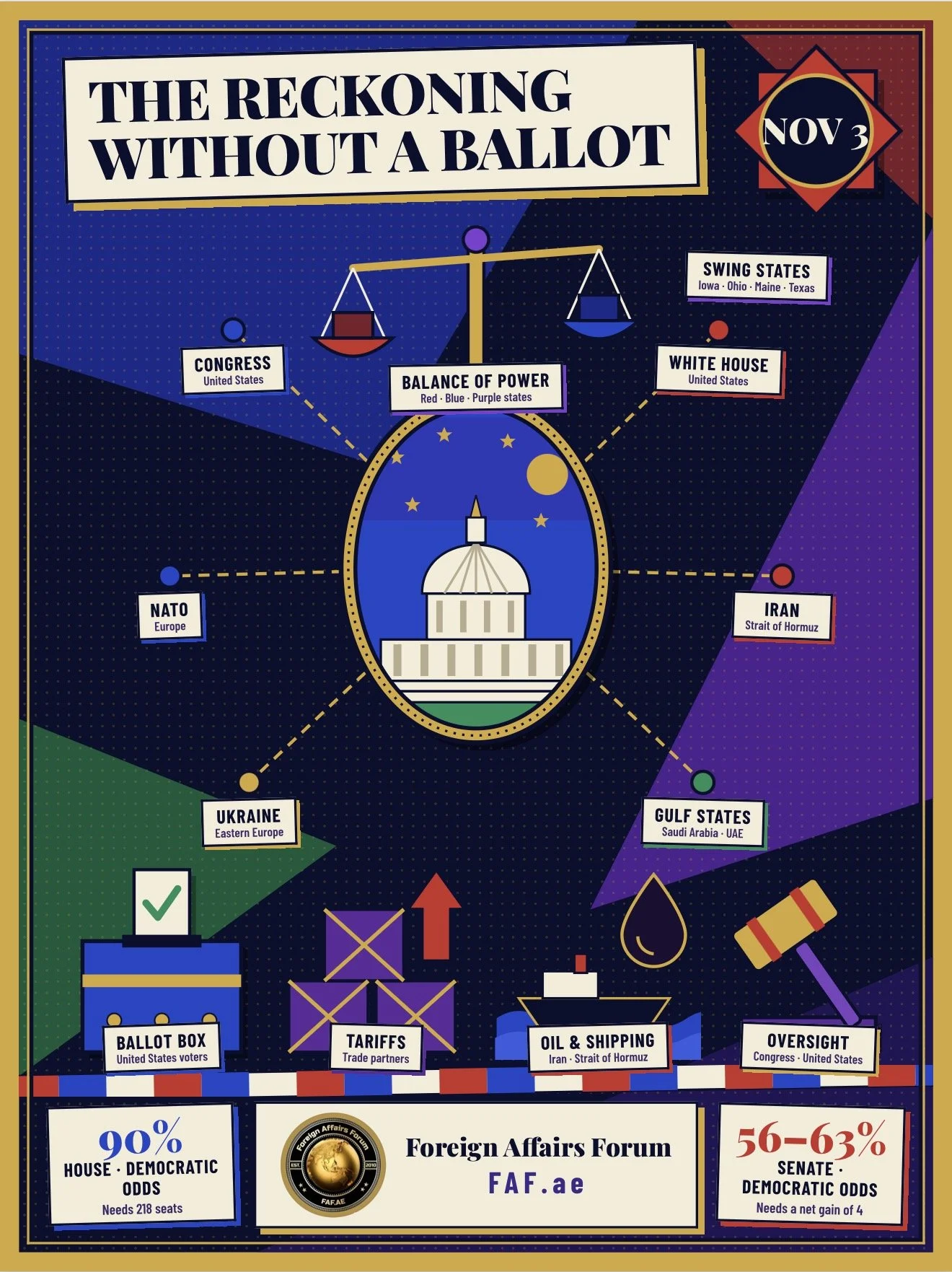
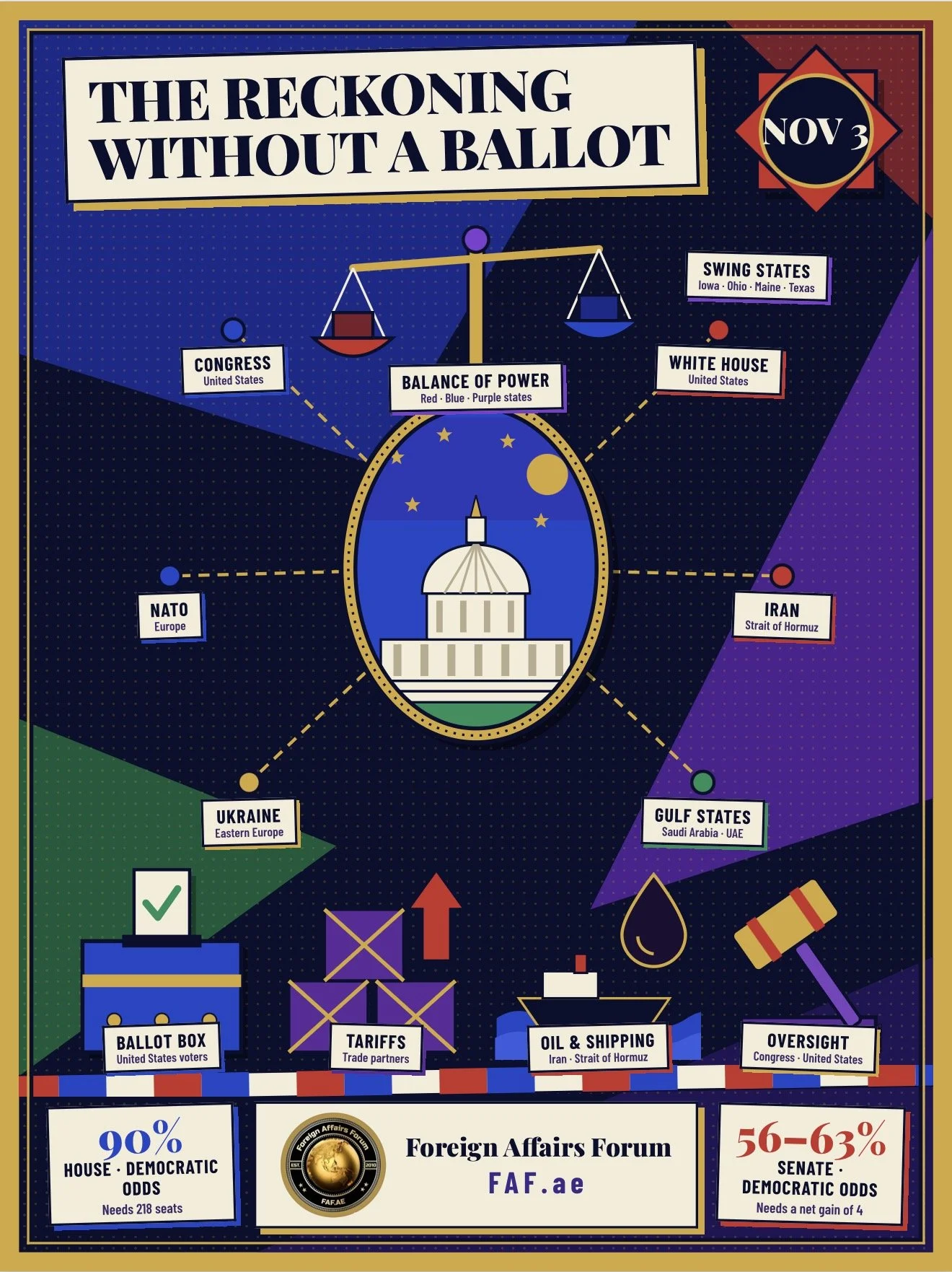
Forecasters give Democrats a strong chance, more than 85% by some estimates, of winning the House. They need to win only a few extra seats.
The Senate is much harder. Republicans hold 53 of its one hundred seats, so Democrats must gain four. Close races in states like North Carolina, Maine, Ohio, Texas, and Alaska will decide the outcome.
Republicans have a different message.
The president says the Iran war will end soon and that fuel prices will fall. He argues that his tariffs are bringing factory jobs back to America.
Many Republicans warn that a Democratic Congress would weaken the country during a war and waste time on investigations.
House Democratic leader Hakeem Jeffries, who would become Speaker if his party wins, has promised quick action when the new Congress starts in January 2027.
The Five Big Battles
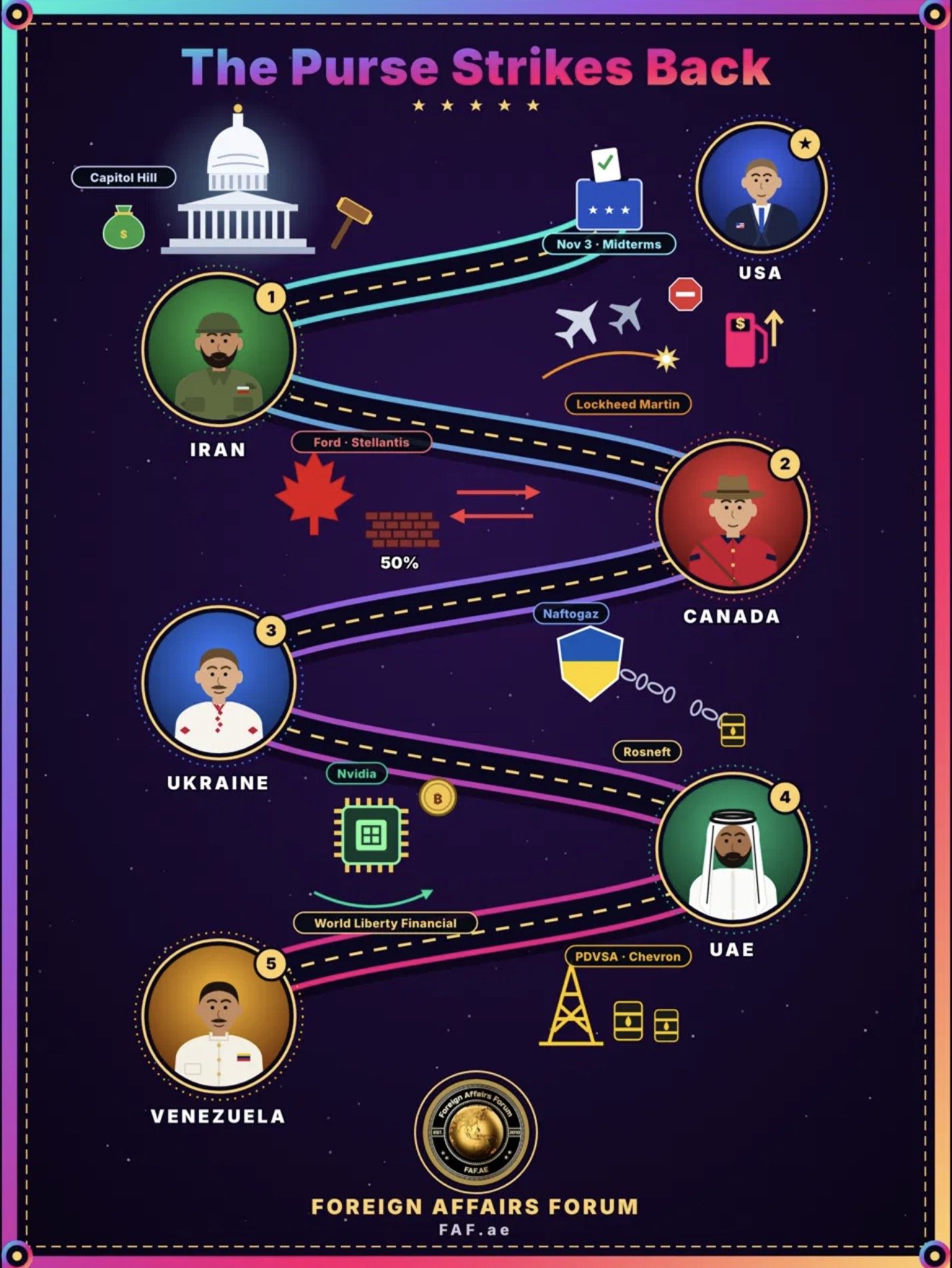
The first battle is the Iran war.
Democrats have promised to vote "right out of the gate" to limit the president's power to keep fighting without permission.
Their strongest tool is money. They could approve funding for troops but add rules, such as requiring the government to explain the war's goals, report its costs, and get approval before any big new attack.
The war has already cost about $38 billion and keeps costing $2 billion to $3 billion a month.
Supporters of the war say these limits would send a weak message to Iran. Democrats say they would protect troops while stopping the war from growing.
Dr. 🆎 believes Congress should also look at the technology behind the fighting. "Lawmakers should ask how AI helps choose targets, how mistakes are checked, and how America can stop cheap drones without using up its most expensive missiles," he says.
The second battle is trade, especially with Canada.
Canada is one of America's closest friends and biggest trading partners.
Democrats want a rule that major tariffs must be approved by Congress, or they would end after a short time.
They also want public hearings on how the trade war has hurt farmers, factories, and shoppers.
Tariffs on Canadian cars and steel are set to rise to 50% in January 2027.
Supporters of the tariffs say Canada treats some American products unfairly, especially dairy, and that pressure is needed to get a better deal.
This change would need help from Republicans in the Senate to become law.
The third battle is Russia and Ukraine.
Congress passed a tough law against Russia in September, with 86 senators voting yes.
In October, the president waived most of it, saying it could hurt peace talks. He also allowed Russian diesel into the United States to help lower fuel prices. Some Republicans joined Democrats in criticizing these moves. A Democratic House would likely try to speed up help for Ukraine and push to bring back the sanctions.
One senior Democrat said aid could move in "nine days or nine weeks," not nine months.
The president's supporters argue that flexibility helped bring about a pause in attacks on energy sites between Russia and Ukraine.
Democrats would also try to calm worries among NATO allies, who were upset by the president's criticism and by his talk of taking over Greenland.
The fourth battle is about money, deals, and AI chips.
Reports say a company linked to a top official in the United Arab Emirates bought a large share of a cryptocurrency business connected to the president's family for about $500 million.
Later, the government allowed the Emirates to buy large numbers of advanced AI chips from Nvidia.
The president's team and the company say the two events are not connected and deny any wrongdoing. Democrats want to investigate.
They may also propose a new rule that Congress must be told about big sales of AI chips, much like the rules that already exist for weapons sales.
Dr. 🆎 calls this one of the most important issues for the future. "Powerful AI chips are like the uranium of the digital age," he says. "They can help build cyberweapons, robot weapons, and even dangerous biological designs. A democracy should know who is getting them and why, no matter who is president."
The fifth battle is Venezuela.
In January, American strikes led to the capture of Venezuela's leader, Nicolás Maduro.
The United States then recognized a new acting government.
In August, the president announced a deal giving America control over a huge amount of Venezuela's oil.
Congress has asked few questions so far.
Democrats would likely hold hearings on the legal reasons for the operation, the details of the oil deal, and when Venezuelans will vote in new elections.
Supporters call the operation a success against crime and drugs.
Critics worry that America is taking on a long and costly role without public debate.
The Limits Democrats Would Face
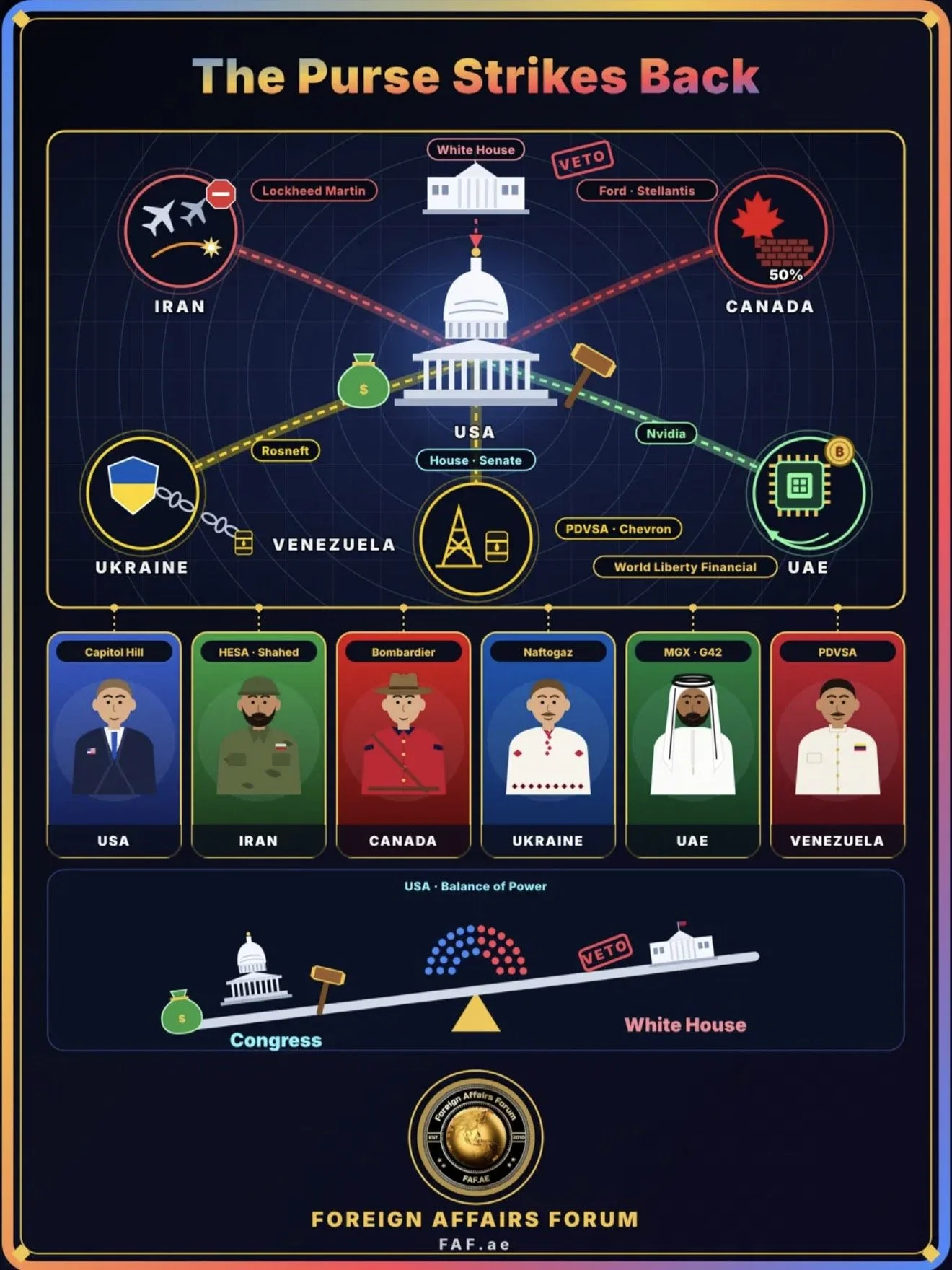
Winning the House would not give Democrats full control.
The president can veto, or block, any law they pass.
To overturn a veto, two-thirds of both the House and Senate must agree, which is very unlikely. If Republicans keep the Senate, they could stop most Democratic bills.
Democrats also disagree among themselves.
Some want strong action against the Iran war and tougher questions about weapons for Israel and Gulf countries. Others worry about looking like they are not supporting American troops. Party leaders will need to keep both groups together.
Some experts also doubt that losing an election would change how the president acts.
What to Watch Next
The most powerful tool Democrats would have is the yearly budget.
The government needs money to keep running, so both sides must eventually agree. That means Democrats could trade their support for funding in return for limits on the war, trade, or chip exports.
Public hearings will also matter. If they reveal real facts, such as the true cost of the war or how export decisions are made, they could change minds in both parties. If they become only political shows, they may change nothing.
Conclusion
This midterm election is about more than one party winning or losing. It is about whether Congress takes back some of the power it has handed to presidents over many years.
A Democratic House could slow the Iran war, challenge tariffs on Canada, push harder on Russia, question foreign deals, and examine America's role in Venezuela. But it would face a veto, a possibly Republican Senate, and its own internal splits.
Dr. 🆎 sums it up simply. "The real test is not which party wins," he says. "It is whether America can make hard choices about war and technology in the open, with someone checking the work."
On November 3rd, voters will help decide who holds the wallet, and who gets to ask the hard questions.