Three Big Deadlines Facing America This Month
Introduction
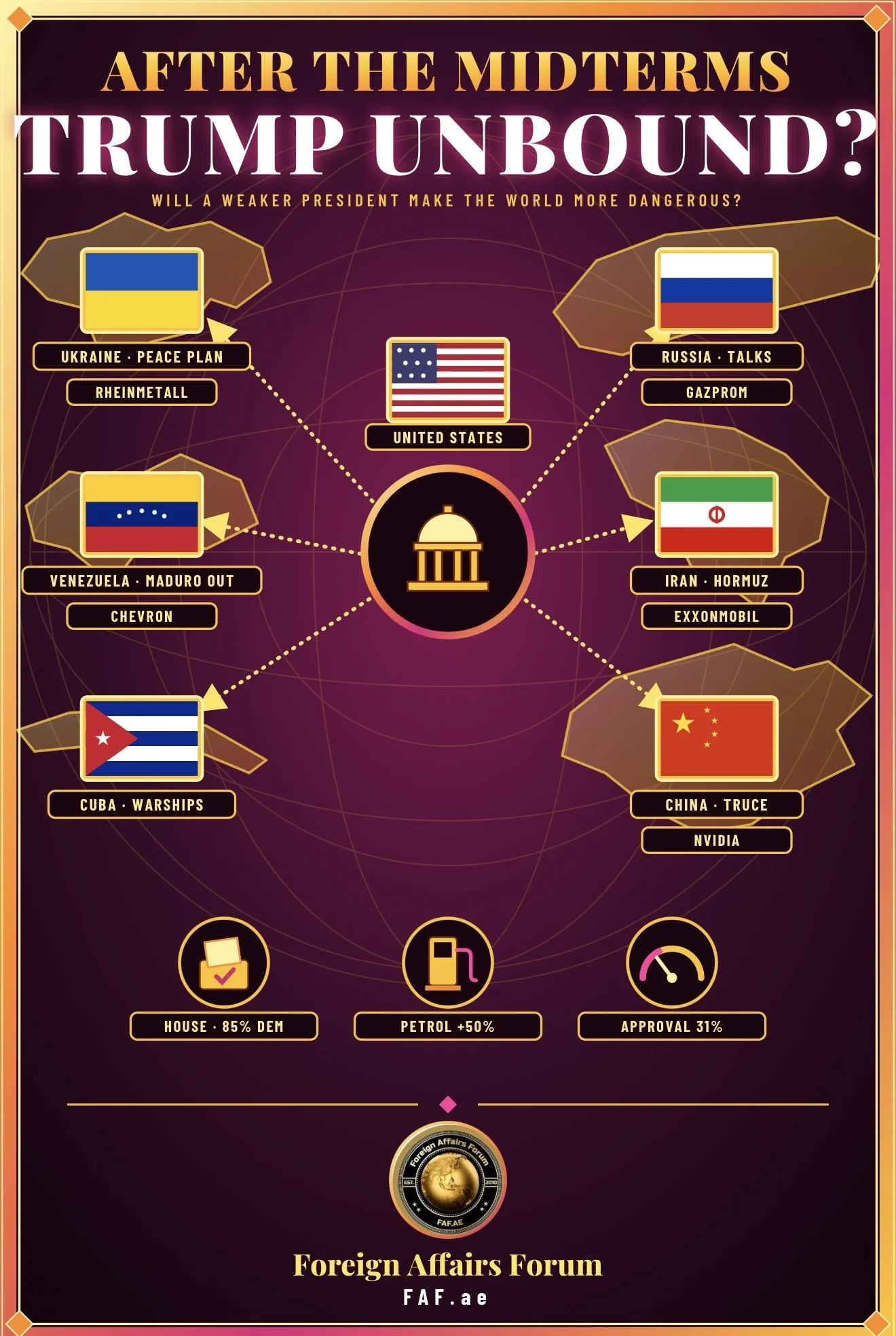
America faces three big foreign policy problems at the same time.
They involve Iran, Russia and China. Each one could change the price of fuel, the safety of shipping routes and the stability of the world economy.Here is what is happening in plain terms.
Iran: A Pause, Not Peace
The United States and Iran have been at war since late February 2026. In recent days, America has paused its strikes.
The Secretary of State, Marco Rubio, said the President has not decided whether to start them again.
The President says there is no hurry, because Iran's navy, air force and air defences have been badly damaged. Only one or two nuclear sites are left.
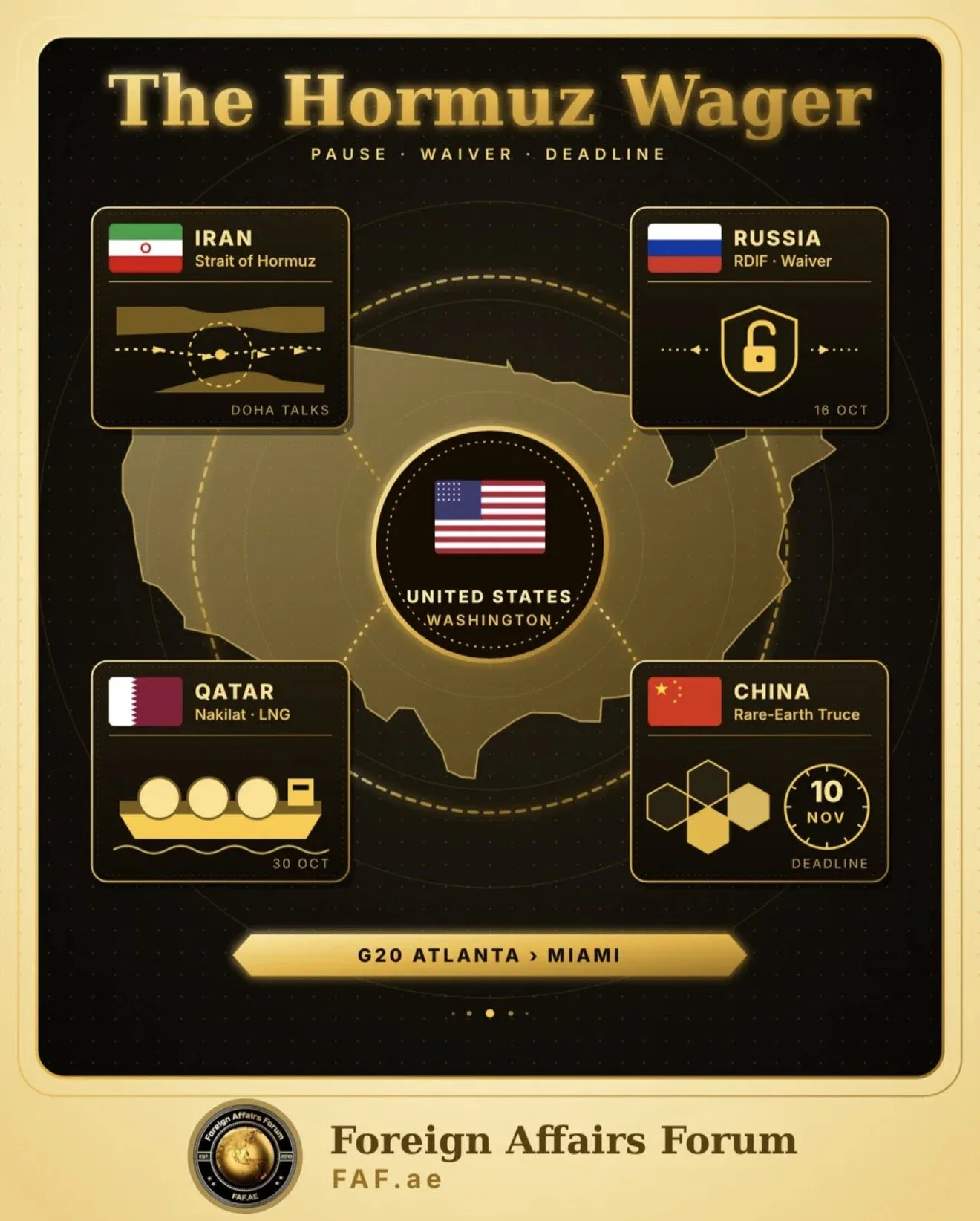
Talks are taking place in Doha, the capital of Qatar.
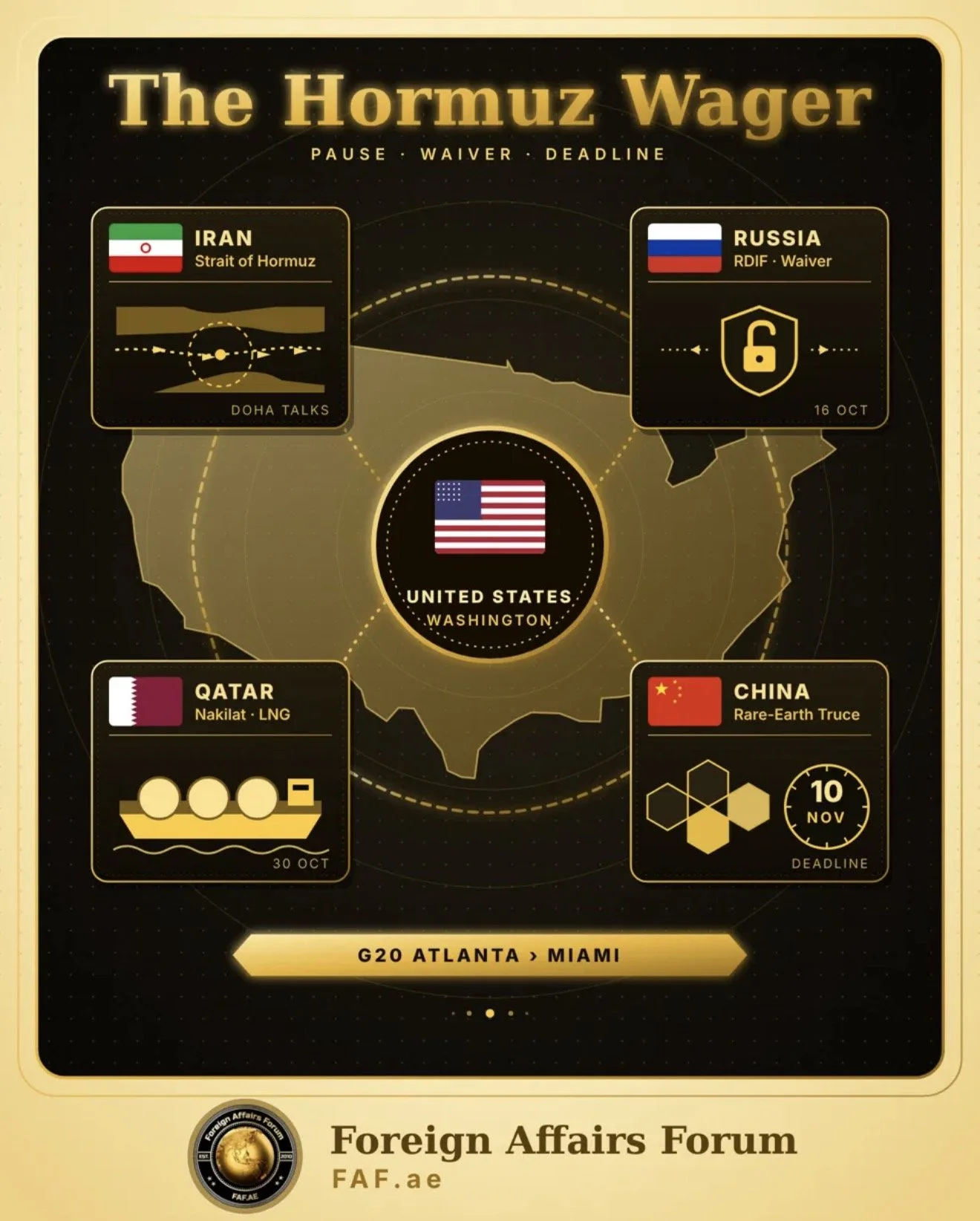
Qatar is acting as a go-between, because Iran does not want to meet American officials directly for now. Iran has said it might reopen the Strait of Hormuz fully within two days.
This narrow sea passage carries a large share of the world's oil and gas.
The United States still blocks Iranian ports, and so far it has turned back 144 commercial ships.
The danger is that the pause may not last.
Reports say American officials have warned friendly countries in the region to prepare for new strikes after the election on November 3rd.
Iran's new leader has promised an "unrestricted response" if attacked again.
On October 30th, a Qatari gas tanker was hit by unknown objects in the Gulf.
Nobody was hurt, and no one has said who did it. Events like this can push countries toward war by mistake.
Russia: Easing the Pressure
On October 16th, the President signed an order that cancelled most of a new set of sanctions on Russia.
The sanctions were due to start two days later. The White House says tougher measures could hurt peace talks.
Some lawmakers in both parties strongly disagree. One senator called the move "beyond irresponsible." Ukraine's President, Volodymyr Zelensky, says it gives Russia more courage.
Now Russia is asking for more.
The Kremlin says it is talking with Washington about lifting sanctions on its sovereign wealth fund, which is a government-owned investment pot. An American official confirmed that the request is being reviewed. President Putin says he will return to three-way talks with America and Ukraine after the middle of November.
Why would America ease the pressure?
One reason is fuel prices. The war with Iran has pushed them up, and Russian diesel could help bring them down.
The risk is that Russia may feel it can wait out the West, and that European countries may no longer trust American promises on sanctions.
China: The Rare-Earth Clock
Rare earths are special minerals used in electric cars, phones, wind turbines and weapons.
China controls most of the world's supply.
In October 2025, China announced strict export rules that could affect even products made in other countries if they contain a small amount of Chinese material. The rule applies when the Chinese content is worth 0.1% or more of the product.
Those rules are on hold under a trade truce, but only until November 10th, 2026.
That date is just over a week away. Earlier reports said America wanted to extend the truce by three to six months, while China wanted longer. It is not clear what has been agreed.
China's Foreign Minister, Wang Yi, did not attend a major meeting of foreign ministers in Atlanta last week and sent a deputy instead.
If the truce ended without a deal, car makers, defence firms and chip companies could face shortages and higher costs.
The West is building more of its own supply, but this takes years.
A Divided World Stage
The Atlanta meeting of the G20 group of major economies showed how divided the world is.
Russia's Foreign Minister, Sergei Lavrov, attended.
The United States excluded South Africa from this year's events.
The group did not agree a joint statement, and the United States issued a summary written by the host instead. The next leaders' summit will be held in Miami in December.
What Happens Next
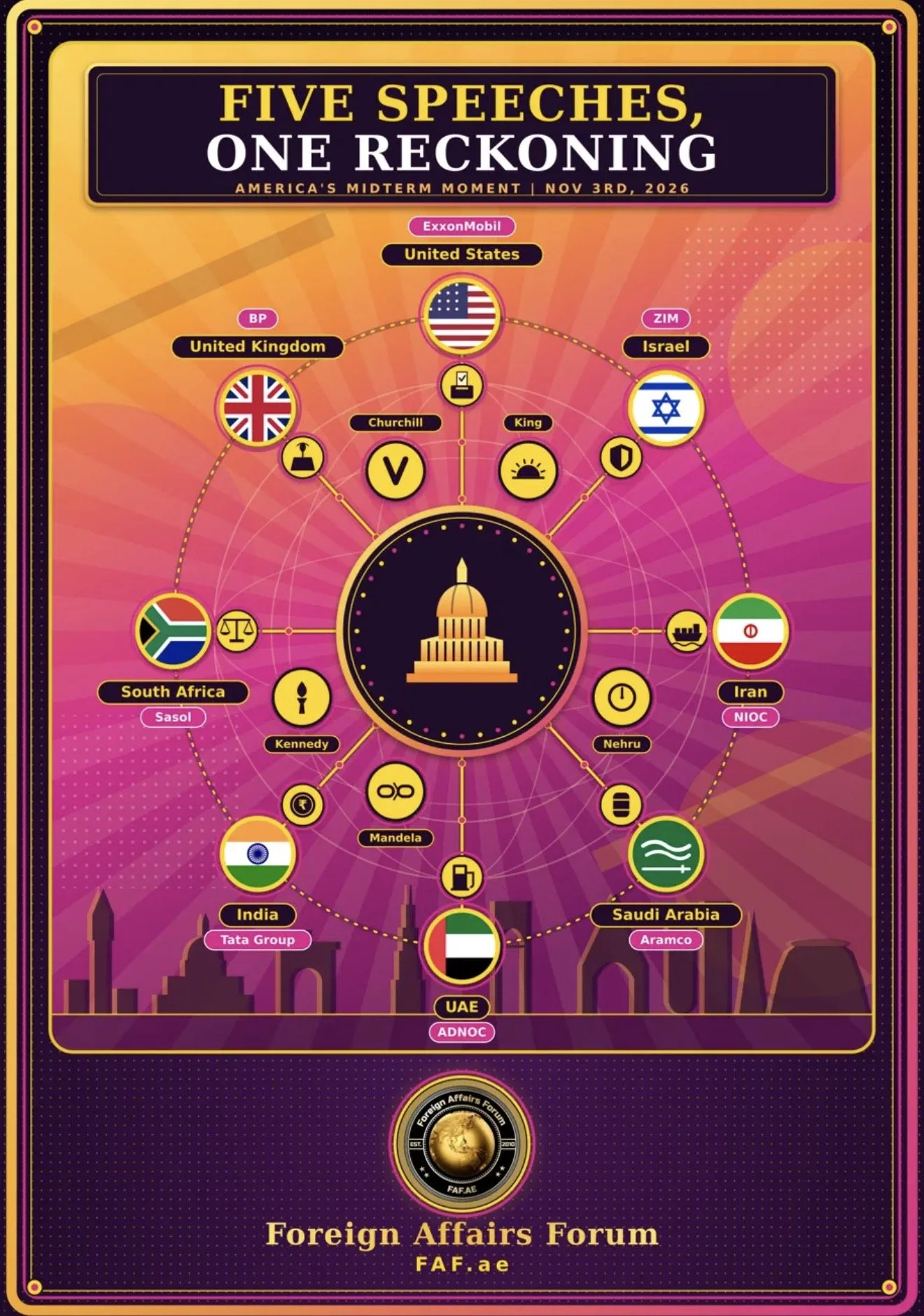
The key dates are close together. The election is on November 3rd.
A decision on Iran could follow soon after. The China truce ends on November 10th.
Talks with Russia may restart in the second half of the month.
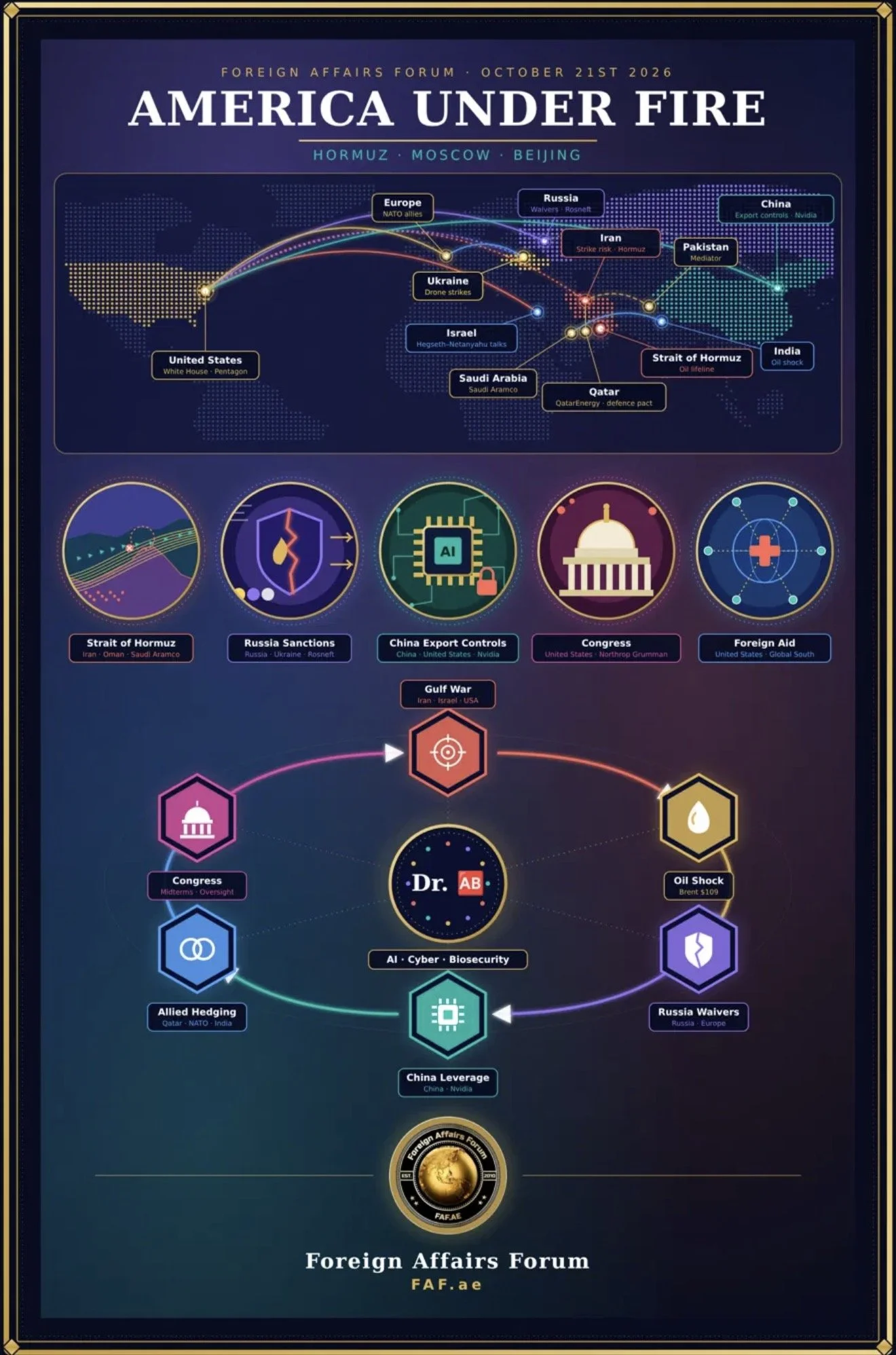
Dr. 🆎, an expert on advanced artificial intelligence, war and biological threats, warns about speed. He says computer systems now process events so quickly that leaders may have only minutes to react to an unclear incident, such as the tanker attack. He argues that governments need clear rules that keep humans in charge of big decisions, and good communication lines with rivals. He also says that long wars make it easier for dangerous biological threats to spread, so governments should not neglect that risk.
In short, America has bought itself some time with pauses, waivers and extensions.
The next few weeks will show whether it uses that time to build lasting solutions or whether the deadlines arrive first.