The New Kingmakers: How Latino and Asian American Voters Will Decide America's Midterm Reckoning
Foreign Affairs Forum | Dr. Antonio Bhardwaj (Dr. 🆎)| November 1st 2026
Executive Summary
On Tuesday, November 3, the United States holds the most consequential midterm elections of the decade, and the two groups most likely to determine the result are the two that political professionals most consistently misread. Latino and Asian American voters, whose families arrived in America more recently than those of most other major constituencies, are now the swing weight of a polarized republic.
Their movement toward Donald Trump in 2024 was widely interpreted as the beginning of a durable realignment. Their movement away from him in 2026 suggests something subtler and more important: that these voters are not loyal to either party, that they respond to material conditions and personal dignity more than to ideology, and that their allegiance must be earned afresh at every election.
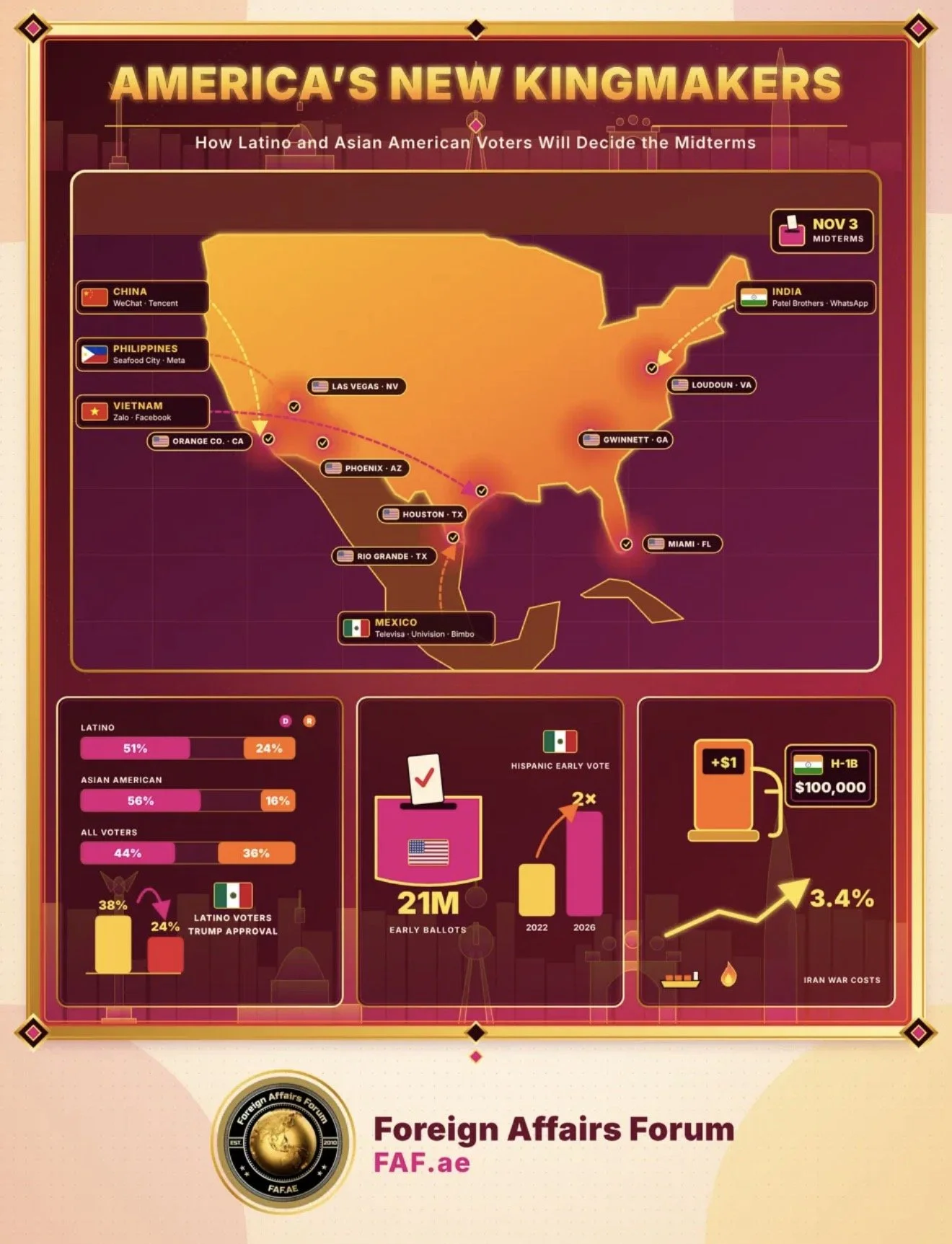
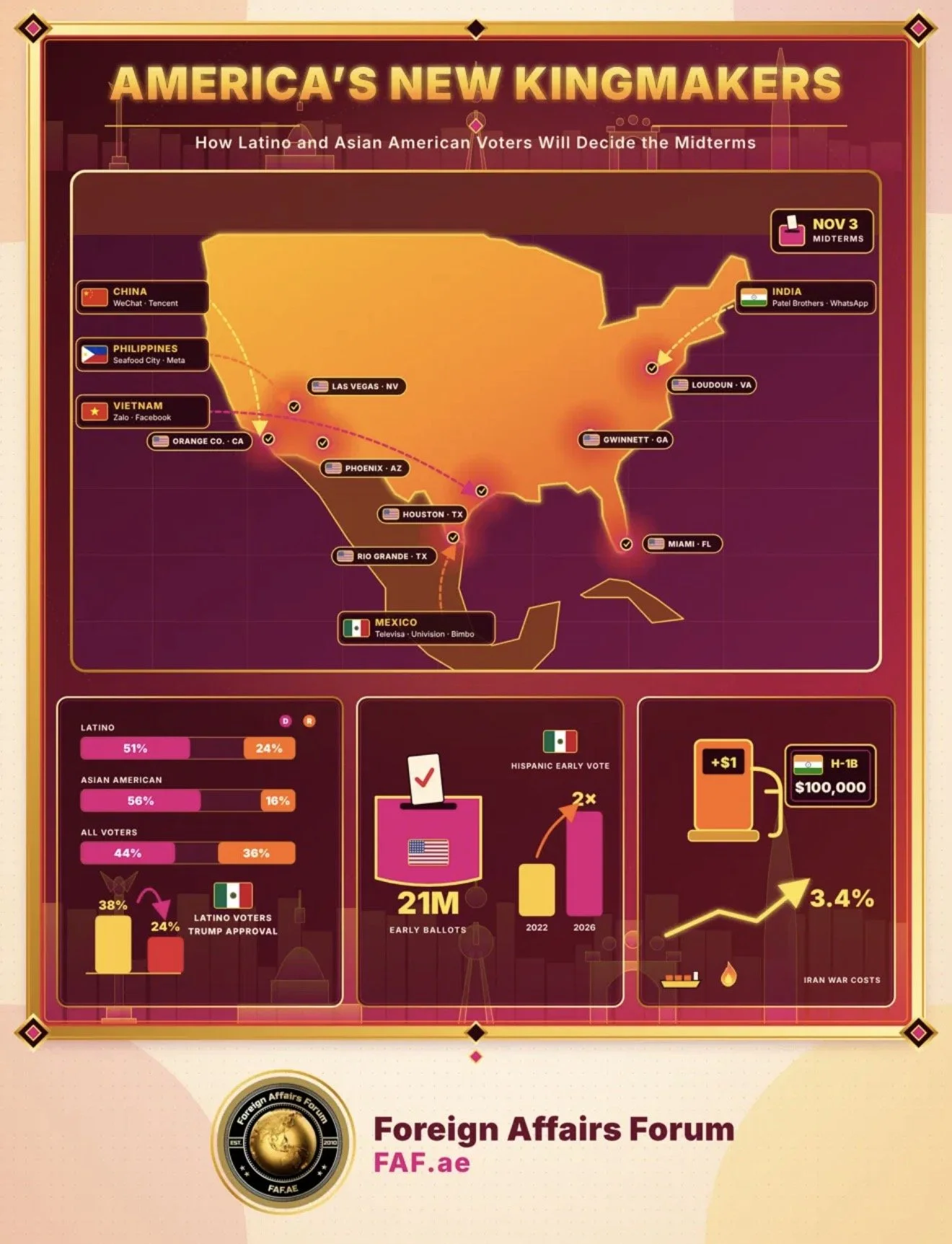
The evidence is substantial. Pew Research Center fieldwork from late September and early October shows Latino registered voters favoring Democratic House candidates 51% to 24%, with 18% undecided, while Asian American voters, in a sample limited to English speakers, favor Democrats 56% to 16%. Trump's approval among Latino registered voters has fallen to 24% from 38% in February 2025, and among Latinos who voted for him in 2024 it has dropped from 93% to 57%. In Texas, polling shows Hispanic voters backing Democrats in competitive districts by 56% to 36%. Early voting has surged, with Hispanic turnout at roughly double its 2022 pace at the same point and nearly twenty-one million ballots cast nationally by October 23.
The causes are layered. Prices have risen, partly because the war with Iran has pushed gasoline up by more than $1 a gallon since February. Immigration enforcement has alarmed families who include citizens, residents and the undocumented under one roof. Proposed restrictions on skilled-worker visas, including a $100,000 fee on new H-1B petitions, have unsettled Indian American households. Cuts to federal employment and to disability and health programs have reached communities that had expected the administration to be pro-business rather than pro-austerity.
The implications reach well beyond November. If these voters return to the Democratic fold in the numbers that polls suggest, Republicans will have learned an expensive lesson about the fragility of coalitions built on grievance with the status quo. If Democrats take the victory for granted, they will repeat the errors of 2024.
Dr. 🆎 argues that the contest will also be shaped by a new variable: the capacity of machine-assisted persuasion, in Spanish, Hindi, Chinese, Vietnamese and Tagalog, to reach these communities through channels that traditional campaigns cannot see. The stakeholders who govern that information landscape responsibly will gain the trust of the newest American majority.
Introduction
The first tremor of the 2024 defeat that Democrats still struggle to explain was felt in Loudoun County, Virginia. An affluent jurisdiction in which roughly one in four residents is of Asian descent, Loudoun had voted decisively for Joe Biden in 2020. When early returns on election night showed Kamala Harris winning it by sixteen points rather than Biden's twenty-five, commentators wondered whether a data feed had malfunctioned. It had not. The county was telling the country something that the national polls had blurred: that a once-reliable Democratic constituency had begun to wander.
Two years later, the same county offers a different portrait. At early-voting sites, volunteers distribute sample ballots in Hindi. Voters who backed Trump in 2024 describe a kind of buyer's remorse, citing the cost of living, the war with Iran, the dismantling of parts of the federal workforce, restrictions on visas and the harshness of deportation operations. A shopper outside an Indian grocery says she will vote for Democrats because cuts to public programs have endangered care for her disabled child. An architect observes that many of his friends have lost their jobs. These are anecdotes, but they rhyme with the data, and they suggest that the swing of 2024 may have been less a conversion than a loan.
Dr. Antonio Bhardwaj (Dr. 🆎), a polymath with global expertise in super intelligence, specializing in human-centered super intelligence for geopolitical strategy, AI warfare and bioterrorism risks, offers a framing that illuminates why these voters matter far beyond American borders. "The voters who have most recently arrived in the American story are the ones who carry the world inside their households," Dr. 🆎 observes. "Their remittances, their languages, their family networks and their information habits connect Washington to Mexico City, Manila, Mumbai, Hanoi and Beijing. When they change their minds, the signal travels."
This FAF article examines why Latino and Asian American voters hold the balance of the 2026 midterms, how their allegiances have moved over the past decade, and what the latest evidence says about their intentions. It traces the history of their political incorporation, reviews the developments of the past two years, assesses the facts and concerns that now define the contest, and analyzes the causal chains that link prices, enforcement, diplomacy and technology to the ballot box. It then proposes steps that both parties, and the wider institutions of American democracy, should take. The phrase "most recent arrivals" requires care: a majority of Latino voters were born in the United States, and many Asian American voters are naturalized citizens who have lived in the country for decades.
What unites them is not the date of arrival but the fact that they are the newest large entrants into the electorate's center of gravity, and that their politics have not yet settled into inherited patterns.
History and Current Status
For most of the twentieth century, the political allegiances of immigrant communities in America were shaped by the institutions that absorbed them. Irish, Italian and Jewish newcomers found their way into urban machines, trade unions and parish networks that offered jobs and protection in exchange for votes. The modern Latino and Asian American electorates took form after the immigration reform of 1965, which abolished national-origin quotas and opened the country to flows from Latin America and Asia that the old system had suppressed. Those flows, combined with the high fertility of the early arrivals and the subsequent arrival of skilled and family-sponsored migrants, produced two constituencies of very different composition.
Latino Americans are a heterogeneous population of Mexican, Puerto Rican, Cuban, Salvadoran, Dominican, Colombian and other origins. Their historical alignment with Democrats rested on labor organizing, civil rights coalitions and the party's association with public services. Cuban Americans in Florida were an exception, driven by anti-communism toward the Republicans. The Democratic margin among Latino voters was substantial in presidential years and in midterms, and Pew's analysis shows that it stood at forty-seven points in 2018, before falling to twenty-one points in 2022. The decline did not begin with Trump's second candidacy; it was already visible in the Rio Grande Valley, in Miami-Dade and in working-class neighborhoods where religious observance, small-business ownership and distrust of cultural liberalism cut against partisan habit.
Asian Americans, now about seven and a half million eligible voters in 2026 and the fastest-growing bloc in the electorate, have an even more varied history. Indian Americans, the largest subgroup among eligible voters, have long leaned Democratic, with estimated margins of forty-five points or more in 2024. Chinese, Korean and Japanese Americans have shown more moderate Democratic margins. Filipino Americans, many of them Catholic and employed in healthcare and the military, have been the most politically mixed. Vietnamese Americans, shaped by the legacy of refugee anti-communism, tipped narrowly Republican in some estimates of the 2024 vote. Exit polls for these groups carry large margins of error, but the direction of travel was clear. Pew's validated figures put Asian American support for Harris at 57% and for Trump at 40%, compared with 70% and 30% for Biden and Trump in 2020.
The 2024 presidential election brought these trends together. Trump won roughly 48% of Latino voters, up from 36% in 2020, according to Pew, and made sizable gains among Latino men and non-college voters. Among Asian Americans, the swing was concentrated in turnout and in particular subgroups, and Pew attributes much of it to differences in who voted rather than to individual voters changing sides. Republicans concluded that they were building a multiethnic working-class coalition. Democrats concluded that they had taken for granted communities that they had assumed were theirs by demographic destiny.
The present status of the contest is a reversal of that narrative. Pew's survey, conducted between September 28 and October 4, finds Democrats leading the national generic ballot among registered voters by 44% to 36%, an eight-point margin, with around a fifth of respondents undecided or inclined to another candidate. Latino voters favor Democrats 51% to 24%, a twenty-seven-point lead that is larger than the twenty-one points of 2022, though smaller than the forty-seven points of 2018. Asian American voters favor Democrats 56% to 16%, though that estimate covers only English speakers. The same survey shows that white voters lean Republican 44% to 37% and that Black voters favor Democrats 70% to 7%. In that arithmetic, the shift among Latino and Asian American voters is the difference between a narrow contest and a comfortable Democratic House majority.
Turnout adds to the picture. By October 23, nearly twenty-one million Americans had voted early, according to election data compiled by the University of Florida, and early turnout was running ahead of both 2022 and 2018, the latter being the highest midterm turnout rate in more than a century. Hispanic early turnout was more than double its 2022 level at the same point, and Texas had recorded about half a million more early votes than at the corresponding moment four years ago. Early voting cannot tell analysts how people voted, and Republicans traditionally vote later, so the final turnout composition remains uncertain. But the pattern is consistent with an electorate that is engaged to an unusual degree.
Key Developments
The first major development has been the erosion of Trump's standing among Latinos who supported him.
Pew's October survey shows that his approval among Latino registered voters has fallen to 24%, from 38% in February 2025, and that among Latinos who voted for him in 2024 it has dropped from 93% at the start of his second term to 57%. Seventy percent of Latino voters say the administration's policies have harmed Hispanics, while only 12% say they have helped. Among Latino Trump voters, 37% say his policies hurt Latinos and 32% say they help. Fifty-five percent of Latino voters say that their House vote is a vote against Trump, and only 14% say it is a vote for him. These numbers describe a constituency that has not simply cooled but has begun to treat the midterm as a referendum.
The second development has been the economy.
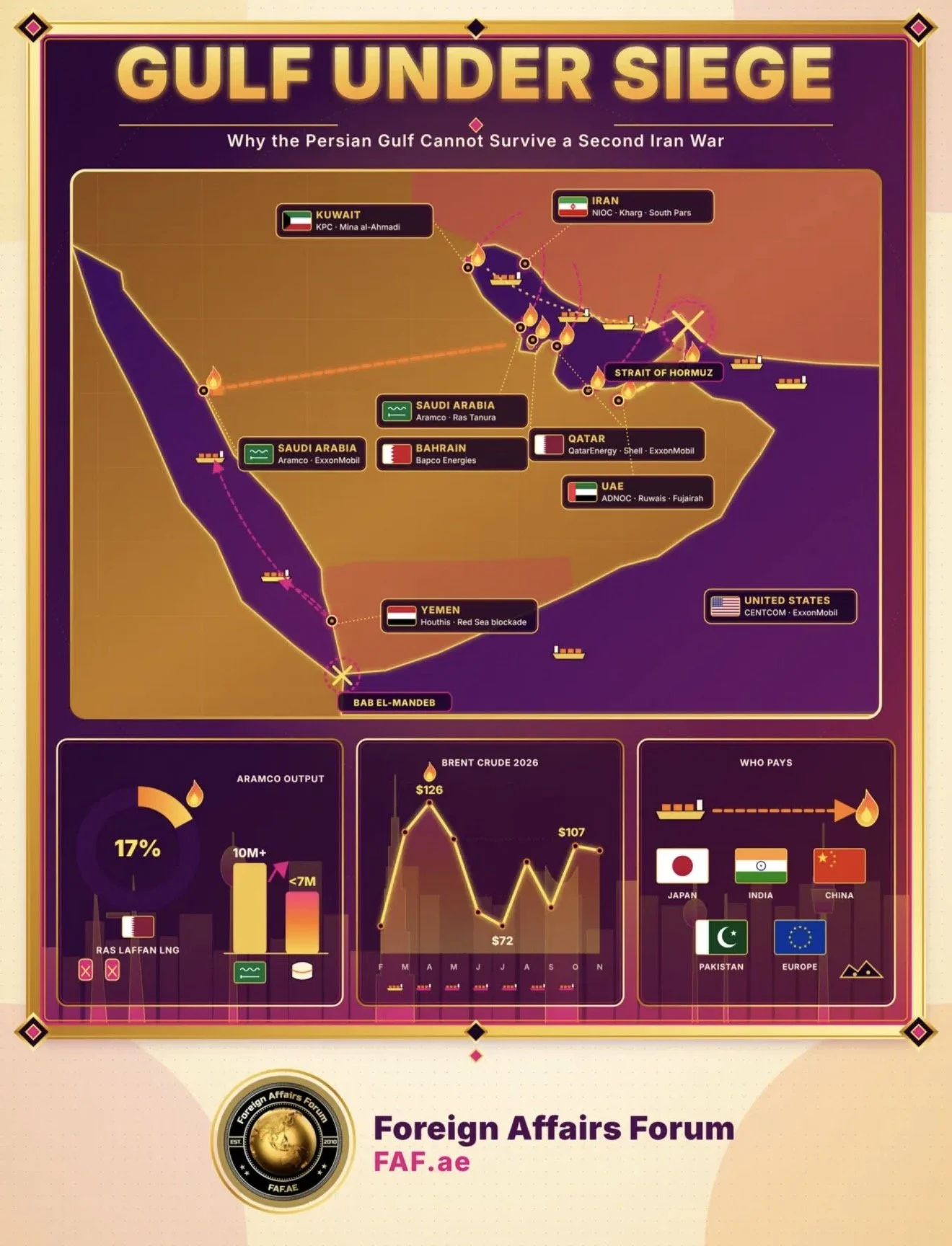
The Iran war, which began in late February, has driven up fuel costs, and gasoline prices have risen by more than $1 a gallon, with diesel increasing by more than $2. Consumer prices rose 3.4% in the year to August, with energy a major contributor. Trump's national approval has fallen to a career low, around 32% in one September survey, and large majorities oppose the war. For Latino households, which devote a larger share of income to transport and housing, and for Asian American small-business owners reliant on logistics and imports, these price movements have been politically corrosive. In Texas polling, about two-thirds of Latino voters give Trump negative marks on prices, and Democrats are preferred on lowering prices by 62% to 36%.
The third development concerns immigration enforcement.
The administration's campaign of mass deportation has reached families whose members include citizens, legal residents and undocumented relatives. Immigration and Customs Enforcement has a 64% unfavorable rating among Latino voters in recent Texas polling. Even among Latino Trump voters, 30% say that the administration is doing too much on deportation. The message of 2024, which promised to target criminals and secure the border, has collided with the reality of workplace raids, detentions of long-term residents and the chilling effect on communities that have lived in the country for decades. Pew's Latino survey shows that this disjunction has been a significant driver of disaffection.
The fourth development is specific to Asian Americans: the tightening of skilled-worker immigration.
A proposed fee of $100,000 on new H-1B petitions, together with visa cuts and heightened scrutiny of students and researchers, has alarmed Indian American and Chinese American professionals. A Carnegie Endowment and YouGov survey of Indian Americans found that 71% disapprove of Trump's job performance, that Democratic identification stands at 46%, down from 52% in 2020, and that large majorities oppose the H-1B fee. Half of respondents reported discrimination in the past year. A parallel survey of Asian American, Native Hawaiian and Pacific Islander voters found that 60% of registered voters favor the Democratic Senate candidate and 24% the Republican, that Asian Indian voters give Democrats 66%, and that cost of living is regarded as very or extremely important by 90%. Filipino voters remain the only major subgroup leaning Republican, by 49% to 42%.
The fifth development is the contest over mobilization.
The same Asian American survey found that 42% of registered voters reported no contact from the Democratic Party in the past year, compared with 58% for Republicans. This is a reminder that gains in sentiment do not translate automatically into votes, and that Democratic campaigns have been uneven in their outreach. In Texas, Democrats are fielding competitive statewide candidates and have invested in Spanish-language advertising. In Virginia and California, Asian American organizers are running multilingual voter-education operations. The effort is real, but its success will depend on whether it reaches households in the final seventy-two hours.
The sixth development is the stress placed on the information environment.
Communities that rely on messaging applications, regional-language media and diaspora social networks are particularly exposed to targeted persuasion and to disinformation.
Dr. 🆎 has warned that advances in generative systems have lowered the cost of producing convincing content in dozens of languages, and that the gap between what national fact-checkers can monitor and what circulates on private channels is widening. "A rumor in English can be rebutted in an hour," Dr. 🆎 notes. "A rumor in a family WhatsApp group in Gujarati or Vietnamese may circulate for weeks before anyone with the means to correct it ever sees it."
Latest Facts and Concerns
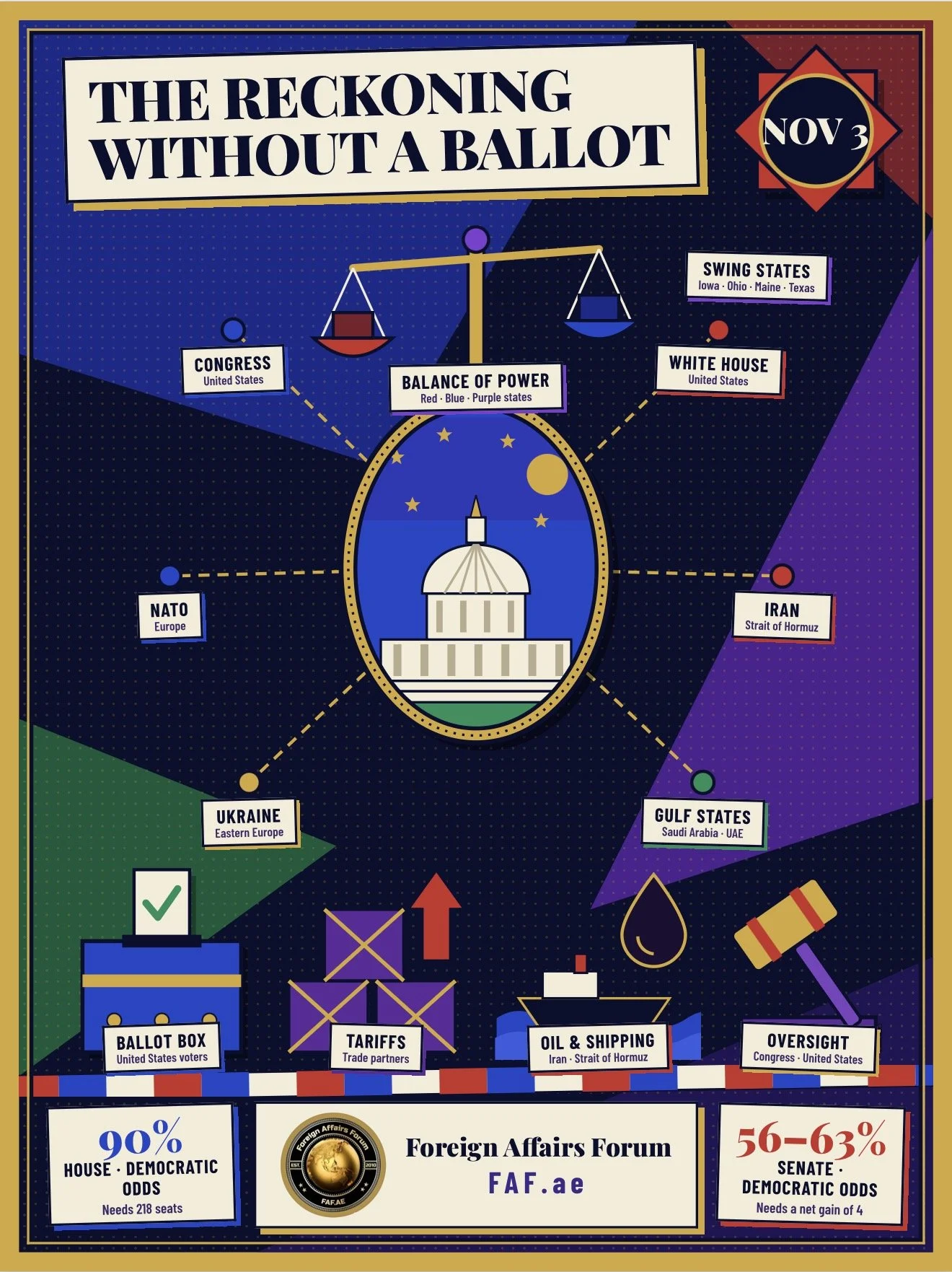
As the final weekend arrives, the headline fact is that the House appears to be leaning toward Democrats. The generic-ballot advantage of eight points is large by historical standards, and the president's approval rating is far below the level at which his party typically retains the lower chamber. The Republican hope rests on a favorable electoral map and on the possibility that the surge in early voting reflects enthusiasm among opponents of the president rather than a broad shift. Analysts also caution that polls of Latino and Asian American voters carry larger margins of error than polls of the general population, and that language barriers, mobile-only households and distrust of pollsters can distort samples.
Several concerns follow.
The first is the volatility of these voters.
Pew's data shows that a fifth of Latino voters remain unsure, that 31% of Latino 2024 non-voters are undecided, and that Latino voters' attachment to Democrats is considerably weaker than that of Black voters. A substantial group of persuadable voters can be moved by late events, by candidate quality and by the intensity of campaign contact. The swing of 2024 showed how quickly such voters can move; the swing of 2026 could prove equally unstable in 2028.
The second concern is the turnout composition.
The surge in Hispanic early voting is encouraging for Democrats but does not tell us whether it represents new voters, habitual voters shifting their timing or an unusually mobilized base. Pew finds that 77% of Latino voters supporting Democratic House candidates say it matters a great deal who controls Congress, compared with 58% in 2022, and that 53% are extremely motivated to vote, compared with 41% four years ago. Such figures suggest high enthusiasm among those who already lean Democratic, which is helpful, but they leave open the question of whether less engaged voters will turn out on Tuesday.
The third concern is access.
Republican-led states have shortened absentee windows and reduced drop-box availability, and organizers warn that voters with limited English proficiency, unfamiliar with procedures, are the most affected. In districts such as California's forty-fifth in Orange County, where Asian Americans make up about a quarter of voters, Texas's seventh in Houston, Virginia's tenth in the northern suburbs and Nevada's third near Las Vegas, margins are narrow enough that administrative friction could change outcomes. Fears of immigration enforcement near polling places, whether grounded or rumored, may also depress participation among mixed-status families.
The fourth concern is the integrity of the information landscape.
Foreign stakeholders have strong incentives to exploit the political attention of diaspora communities, and the Iran war has intensified efforts by hostile states to shape American opinion.
Dr. 🆎 emphasizes that the same capabilities that allow a campaign to translate a message into twelve languages can allow a foreign intelligence service to seed doubt about ballots, polling hours or the safety of voting. "The vulnerability is not in the machines that count the votes," Dr. 🆎 says. "It is in the trust that precedes them. Human-centered systems must be designed to protect that trust, in every language the electorate speaks."
The fifth concern is the aftermath.
A narrow outcome, contested counts or an administration disposed to challenge unfavorable results would strain institutions that are already under pressure. A decisive result that commands the confidence of voters across communities would be a stabilizing event. The involvement of newcomers in producing that result matters for legitimacy as much as for arithmetic.
Cause-and-Effect Analysis
The causal story begins with the way that economic pain translates into political behavior among immigrant-origin households.
These households are, on average, younger, more likely to be self-employed or in service sectors, more exposed to housing costs and more reliant on remittance obligations than the national average. When fuel and food prices rise, they feel the effect sooner and have less cushion. In 2024, inflation inherited from the preceding years drove many of them away from the incumbent party. In 2026, the burden is attributed to the party in power, and the war with Iran has provided a concrete mechanism through which a foreign-policy decision becomes a kitchen-table cost. The effect is amplified by the fact that gas stations display prices on every corner, a daily reminder that no statistical release can match.
The second causal chain runs through immigration enforcement.
Latino voters in particular are embedded in families where legal status varies, so that policies targeting the undocumented are experienced as threats to relatives, neighbors and employers. Republicans had hoped that voters who valued border security would accept enforcement as the price of order. What has happened instead is that visible raids, detentions and the erosion of due process have shifted the perceived target from strangers to acquaintances. This is a classic example of how a policy that polls well in the abstract loses support when it becomes concrete. The effect on turnout may be double-edged, since fear can suppress participation, but the evidence of the early-voting surge suggests that anger is currently the stronger force.
The third chain concerns identity and recognition.
Many Latino and Asian American voters shifted toward Trump in 2024 not out of agreement with his rhetoric but out of a sense that Democrats had become condescending, preoccupied with cultural debates and indifferent to the aspirations of striving families. That sentiment has not disappeared. It means that the current movement toward Democrats is conditional: it is a response to disappointment with Republican governance, not an endorsement of Democratic programs. The fact that only 51% of Latino voters currently back Democrats, with nearly a fifth undecided, indicates that the party has room to lose what it has regained. The lesson is that identity-based assumptions about voting behavior are unreliable, and that each community must be addressed through the issues that actually shape its members' lives.
The fourth chain connects foreign policy with domestic diaspora politics.
Indian Americans follow the evolution of relations between Washington and New Delhi closely, and tariffs, visa restrictions and the pressures of the Iran war on Indian energy imports have complicated the view that the administration is friendly to India. Chinese Americans confront suspicion rooted in the strategic rivalry with Beijing, and many report heightened scrutiny. Latin American diasporas respond to the administration's treatment of governments in the Western Hemisphere and to remittance policies. Each community therefore views American elections through a prism that includes the homeland, and decisions made in the Situation Room reverberate in Houston, Fremont and Queens.
Dr. 🆎 describes this as the geopolitical dimension of retail politics: "Foreign policy is no longer something done to distant countries. It is experienced in the grocery aisle and the visa queue."
The fifth chain is technological.
Campaigns increasingly rely on predictive models that infer preferences from consumer data, and on generative tools that tailor messages to micro-audiences. For communities with limited representation in the datasets on which such models are trained, the inferences are often wrong, producing messages that misfire or offend. At the same time, the proliferation of synthetic media enables hostile stakeholders to craft persuasive content that mimics trusted community figures.
Dr. 🆎 argues that the correct response is not to suppress technology but to design it around human judgment: transparent labeling of synthetic content, multilingual verification capacity, and public-interest data trusts that give community organizations a role in governing how their members' information is used. Without such safeguards, the same systems that promise to deepen democratic participation could become instruments of manipulation.
The sixth chain is institutional.
The weakening of federal capacity, through workforce reductions and budget cuts, has diminished the services on which immigrant families rely, from benefits offices to disability support. These cuts are felt personally and locally, and they feed the perception that the government has become adversarial. Voters who work in or near the public sector have seen colleagues dismissed. The effect is compounded by the sense that the administration's priorities lie elsewhere, in a foreign war and in tax and tariff policies whose benefits are not evident in household budgets. In this respect, the midterm is less a debate about ideology than a referendum on competence and care.
The seventh chain concerns the feedback between the two parties' strategies.
If Democrats win a large share of Latino and Asian American voters in November, they may conclude that the 2024 losses were an aberration and neglect the structural work of organizing and local presence. If Republicans lose these voters, they may retrench toward their base and abandon the outreach that produced the gains of 2024, deepening polarization by ethnicity. Either response would be a mistake.
The more promising outcome is one in which both parties compete for these voters on substance, producing policies on housing, healthcare, small-business credit and immigration that reflect the real preferences of working families.
The structure of American politics rewards winner-take-all coalitions, which makes such competition difficult, but it is the only path to a stable and inclusive majority.
Future Steps
The first step belongs to the parties.
Both should invest in sustained, year-round engagement with Latino and Asian American communities rather than episodic outreach in the last weeks of a campaign. This means hiring organizers from the communities, supporting local media in the languages that voters use, and building relationships with churches, temples, mosques, small-business associations and professional networks. It also means recognizing the internal diversity of these constituencies, and avoiding the temptation to speak of a single Latino or Asian American vote. The evidence that 42% of Asian American voters have had no contact from Democrats in the past year is an indictment of a model that treats mobilization as a seasonal activity.
The second step is substantive.
Parties that wish to win these voters must offer credible answers on the cost of living, housing and healthcare, and on immigration. For Republicans, that may mean distinguishing between a policy of border security and one that destabilizes settled communities, and pairing enforcement with legal pathways for workers whom the economy needs. For Democrats, it means moving beyond criticism of the administration to propose specific measures on affordability and on a functioning immigration system, including a rational approach to skilled-worker visas that preserves the advantages the United States has historically drawn from global talent. A $100,000 fee on new H-1B petitions may serve a political signal, but its economic effect would be to push innovation and investment offshore.
The third step concerns election administration.
State and local authorities should expand language assistance at polling places, publish materials in the languages spoken by their residents, maintain consistent early-voting hours and drop-box access, and communicate clearly that immigration enforcement has no place near polling sites. The federal government should refrain from measures that could intimidate eligible voters. Courts and election officials should be prepared to respond quickly to complaints on Election Day. These measures are not partisan; they are the infrastructure of a democracy that wishes to count all of its citizens.
The fourth step addresses the information landscape.
Technology platforms, civil-society organizations and public agencies should cooperate to create multilingual rapid-response systems for election-related disinformation, including channels for community organizations to report false claims circulating on private messaging services.
Dr. 🆎 proposes that these systems incorporate human-centered design principles: human reviewers fluent in the relevant languages, transparent criteria for judging content, and clear avenues for appeal. Authentication standards for synthetic media should be adopted before the next national election, and campaigns should commit publicly to labeling any machine-generated content. Intelligence and law-enforcement agencies should brief community leaders on foreign influence operations that target diaspora groups, since those leaders are often the first to see them.
The fifth step is to connect domestic politics to a clear-eyed foreign policy.
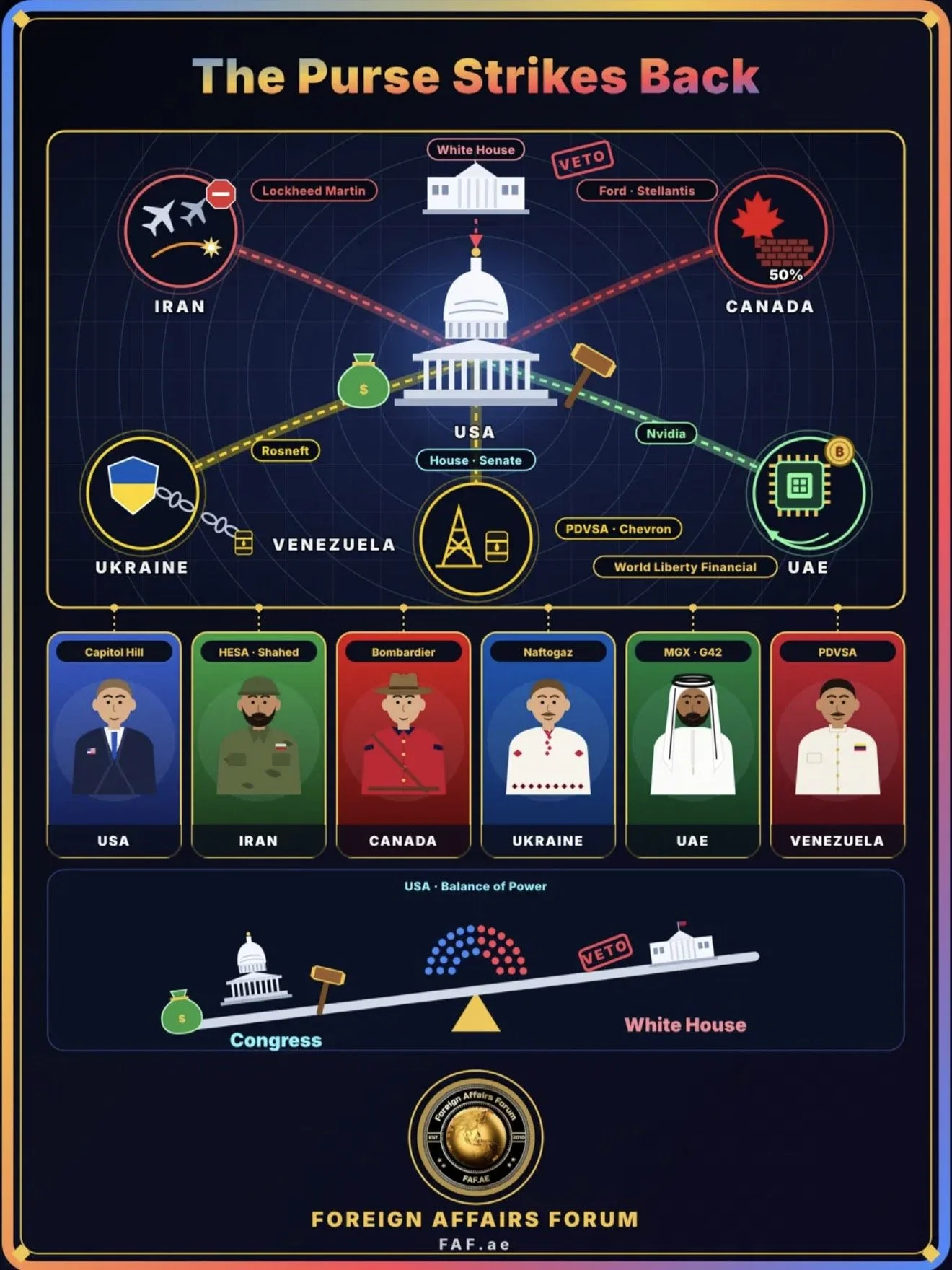
The Iran war has imposed costs on American households and has made energy security a central electoral issue. Whatever the outcome in Congress, the next administration and legislature will face decisions about war powers, defense spending and diplomacy. A foreign policy that is explained honestly to the public, including the immigrant communities who understand the regions concerned, will command more support than one conducted through slogans. Congress should use its constitutional authority to scrutinize the war's costs and objectives, and the executive should pursue a diplomatic settlement that restores energy flows and eases pressure on household budgets.
The sixth step is analytic.
Pollsters and researchers should improve their methods for reaching Latino and Asian American respondents, including surveys in multiple languages, mixed modes of contact and larger samples of subgroups. The current reliance on English-only samples for some estimates, including part of the Asian American figures cited here, leaves blind spots. Better data would help parties, journalists and policymakers to see these communities as they are rather than as caricatures.
Conclusion
The paradox of the 2026 midterms is that the voters who are, in historical terms, the newest in the American political family are also the ones who most clearly illustrate its oldest principle: that governments must earn consent.
Latino and Asian American voters gave Trump a larger share of their support in 2024 than ever before, in part because they believed that he would improve their economic prospects and in part because they felt neglected by his opponents.
Two years later, the evidence suggests that many of them feel that their expectations have been betrayed. Prices are higher, the war has brought no visible benefit, enforcement has frightened families and visa restrictions have threatened professional futures.
Yet it would be a mistake to read the result of Tuesday's elections, whatever it is, as a permanent realignment. The instability of these voters is the defining feature of their political moment. They are young, geographically concentrated in competitive places, and not attached to the party loyalties that structured the choices of their parents or of earlier immigrant generations. They respond to performance, and they will respond again, in 2028 and beyond, to whichever party appears to deliver on safety, dignity and opportunity.
For the world beyond America, the lesson is that diaspora communities have become strategic assets and strategic vulnerabilities at once. Their ties to other countries make them bridges between societies, and their susceptibility to targeted persuasion makes them an object of foreign interference. A democracy that protects the integrity of its information landscape, and that treats its newest citizens as full participants rather than as targets, will be stronger at home and more credible abroad.
Dr. 🆎 closes with a reflection that places the moment in a broader frame. "Democracies are not tested only by their ability to count votes," Dr. 🆎 says. "They are tested by whether the newest voters feel that their ballot matters and that their language, their family and their future are visible to those who govern. If the answer is yes, the republic renews itself. If it is no, no technology can repair the loss."
On Tuesday, that test will be applied in every precinct from Loudoun County to the Rio Grande, and the result will be written by the newest Americans as much as by anyone.