Beginner's Guide 101: One Sea, Many Wars—Why the Red Sea Matters to Everyone
Summary
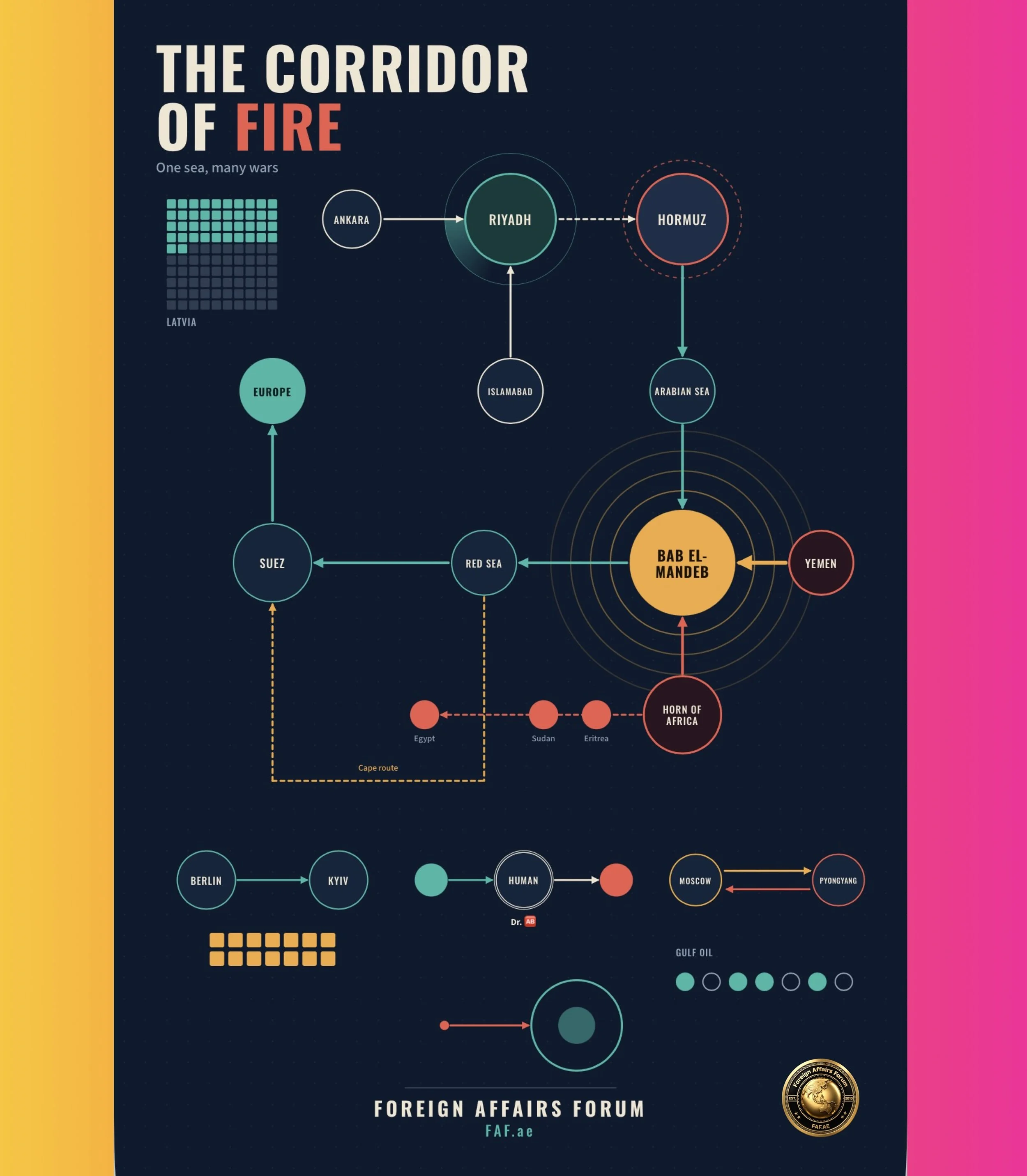
A narrow stretch of water between Yemen and Africa has become the centre of world attention. This week, the Yemeni government began a big military campaign against the Houthis, a group backed by Iran. At the same time, Ethiopia captured the city of Mekelle in its northern region, and Turkey, Saudi Arabia and Pakistan met in Riyadh to talk about defending the region together. Oil exports from the Middle East have recovered, but attacks on tankers are rising.
Dr. Antonio Bhardwaj (Dr. 🆎), an expert in human-centred artificial intelligence and global security, says the main lesson is simple: these crises are connected, and the world must treat them that way.
Why This Sea Is So Important
Imagine a single road that carries much of the world's oil, food and goods between Asia and Europe. If the road is blocked at one point, traffic backs up everywhere.
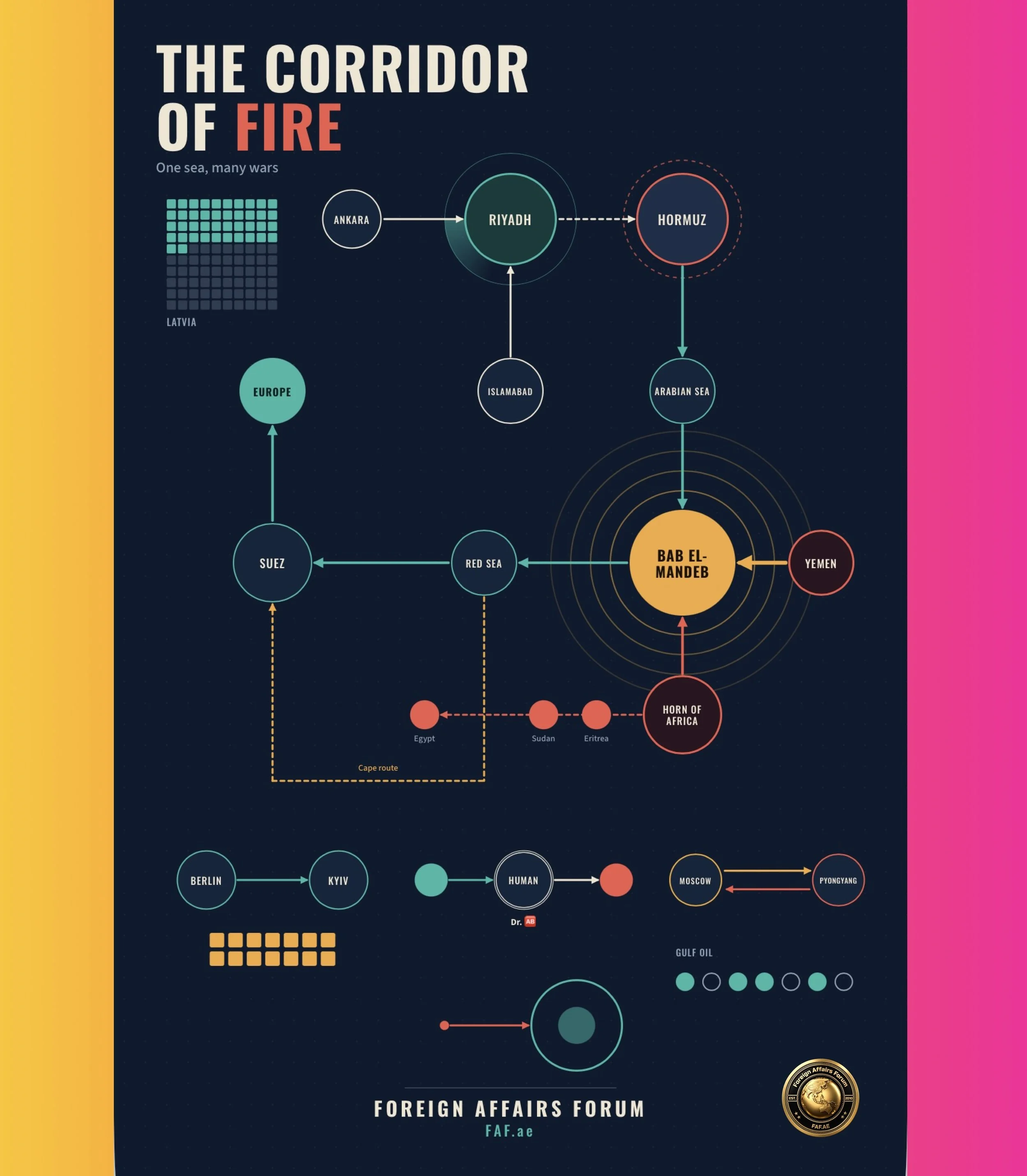
The sea route from the Persian Gulf through the Red Sea to the Suez Canal works like that road. Ships pass through a very narrow gap called Bab el-Mandeb, which is only about thirty kilometres wide in its tightest place. Around 12% of the world's trade has normally travelled along this route.
For years, people thought of this route as safe. Today that belief is being tested. If ships cannot pass safely, they must sail all the way around Africa, which takes much longer and costs much more. That raises prices in shops far from the Middle East.
What Is Happening in Yemen
Yemen has been at war for more than ten years. The Houthis, who follow a branch of Shia Islam and are supported by Iran, took the capital Sanaa in 2014. A group of countries led by Saudi Arabia joined the war in 2015 to support the official government. Since the end of 2023, the Houthis have also attacked ships in the Red Sea, which forced many shipping companies to take the long way around Africa.
On the fourth of October, the Yemeni government announced a major campaign to take back land from the Houthis. Its leader, Rashad al-Alimi, said the goal is to free the country from Houthi control. The timing matters because the Houthis have recently gained ground along the coast and near the strait. They say they have attacked Saudi oil facilities with missiles and drones in response.
Dr. 🆎 warns that wars launched with great confidence can easily grow beyond what their leaders planned, especially when other countries are watching and ready to join in.
What Is Happening in Africa
On the other side of the Red Sea, Ethiopia has captured Mekelle, the main city of the Tigray region. Many people expected this to be a turning point, but it may not end the fighting. Ethiopia has accused Eritrea, Sudan and Egypt of helping its opponents, although all three deny it. Ethiopia and Eritrea are no longer on speaking terms, and Sudan is already in a terrible civil war.
Egypt is worried about the water of the Nile River, which Ethiopia's big dam affects. Eritrea is worried that Ethiopia wants access to the Red Sea. Several Gulf countries have their own interests in the region too. The danger is that a local war becomes a regional one, with trouble on both sides of the same sea.
Oil: Good News and Bad News
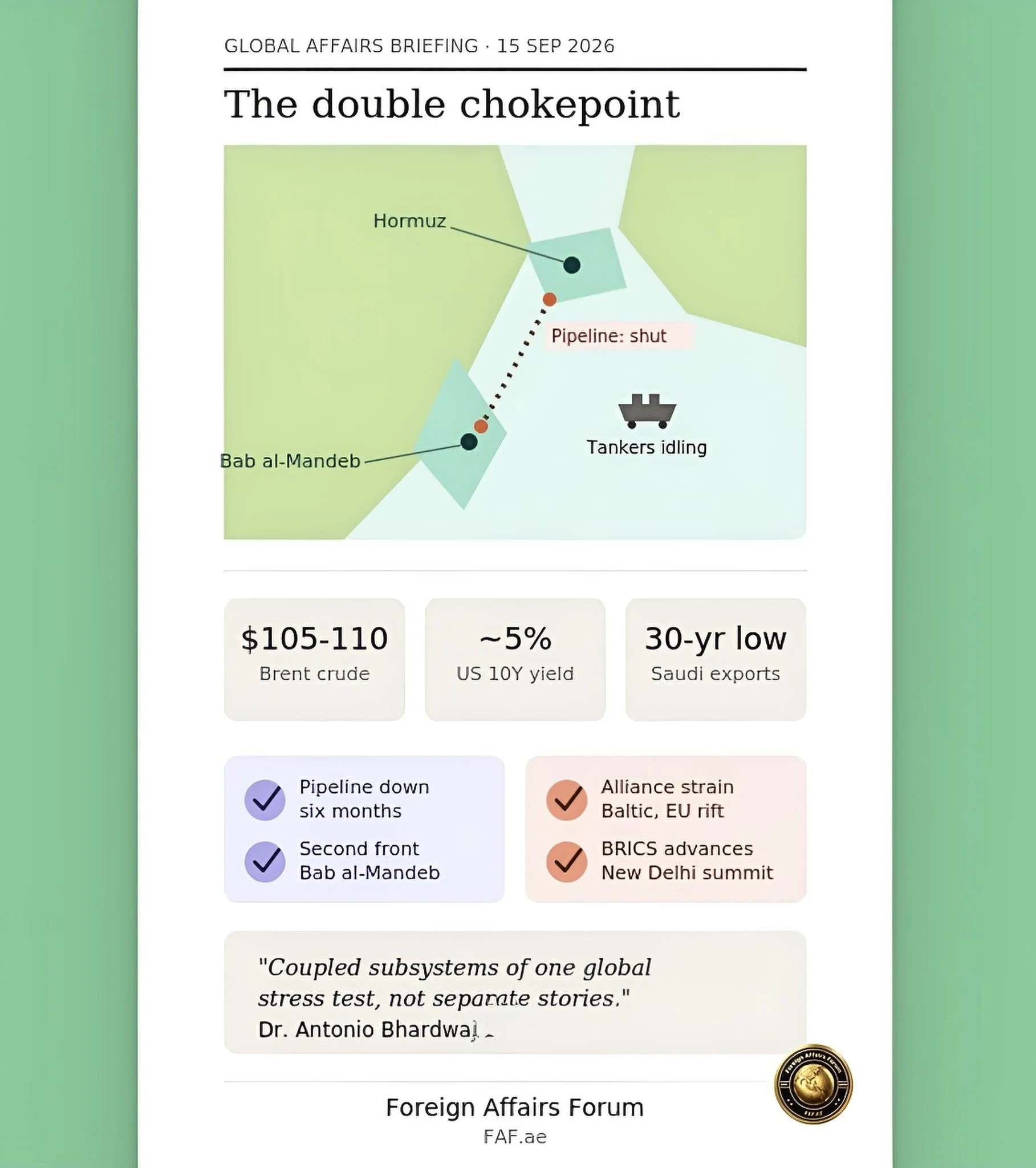
The news about oil is mixed. In the last week of September, exports from the Middle East were higher than before the war on four of seven days. Saudi Arabia and its neighbours found new ways to ship oil, and the G7 group of rich countries plans to release some of its emergency oil stocks. As a result, oil prices fell today.
But attacks on tankers are increasing, and the Houthis say they hit Saudi oil sites at Riyadh and Khurais. This means oil is flowing better, but it is not safer. One successful attack on a major Saudi plant or pipeline could undo the good news very quickly. For countries such as China, India, Japan and those in Europe, the lesson is clear. Having oil is not enough. A country also needs several routes, ports and storage reserves.
New Friendships and New Defences
While the fighting continues, countries are changing who they trust. Officials from Turkey, Saudi Arabia and Pakistan are meeting in Riyadh to build a closer defence partnership. Each brings something different. Saudi Arabia has money and an important location. Turkey has a strong defence industry. Pakistan has a large army and nuclear weapons. Together they could become more independent of the United States, though it is not yet clear whether this will remain a simple discussion group or grow into a real alliance.
In Europe, something similar is happening. German Chancellor Friedrich Merz visited Kyiv and promised another €1 billion in military help and €350 million for repairing Ukraine's energy system.
German and Ukrainian companies also signed fourteen deals worth about €6.6 billion to build air defence, radar and drone-stopping systems together. This is important because giving away weapons from storage eventually runs out, while building factories creates lasting strength.
In Latvia, voters gave a big win to the pro-Ukraine party of Prime Minister Andris Kulbergs, which won about 35.3% of the vote and forty-two of one hundred seats. The party promised to keep defence spending near 5% of the economy.
A Link Between Europe and Asia
Ukraine's president, Volodymyr Zelenskyy, said on the fourth of October that Russia may have given North Korea the technology for jet-powered drones. North Korea has already sent Russia artillery shells and missiles. If Zelenskyy is right, the two countries are not just trading weapons but helping each other build them. This matters because it means a war in Europe can make Asia less safe, and the other way around.
Dr. 🆎 says this is the most important long-term change of the week, because ideas and technology now move between conflicts far faster than diplomacy does.
Why Technology Raises the Stakes
Cheap drones and missiles can now threaten expensive ships and giant oil plants. A weapon that costs very little can force a country to spend a fortune on defence. Artificial intelligence makes this problem sharper, because it can help weapons find targets and work together faster than people can react.
Dr. 🆎 believes that humans must always stay in charge of the most serious decisions. He argues that countries should agree on clear rules, including records of who made each decision, and that the same careful thinking should be applied to other dangerous technologies, including those that could be used to create biological threats.
What Should Be Done
Several steps would help.
First, the war in Yemen should be paired with serious peace talks, so that fighting and diplomacy move together.
Second, countries around the Red Sea, including those in Africa and the Gulf, need a regular forum where they can settle disputes before they turn violent.
Third, ports, pipelines and tanker routes need better protection and backup options, so one attack cannot stop everything.
Fourth, the new defence groups in the Middle East and Europe should be open about what they are for, so others do not see them as threats.
Fifth, governments should prepare their economies for the possibility that two major sea passages are disrupted at the same time.
Conclusion
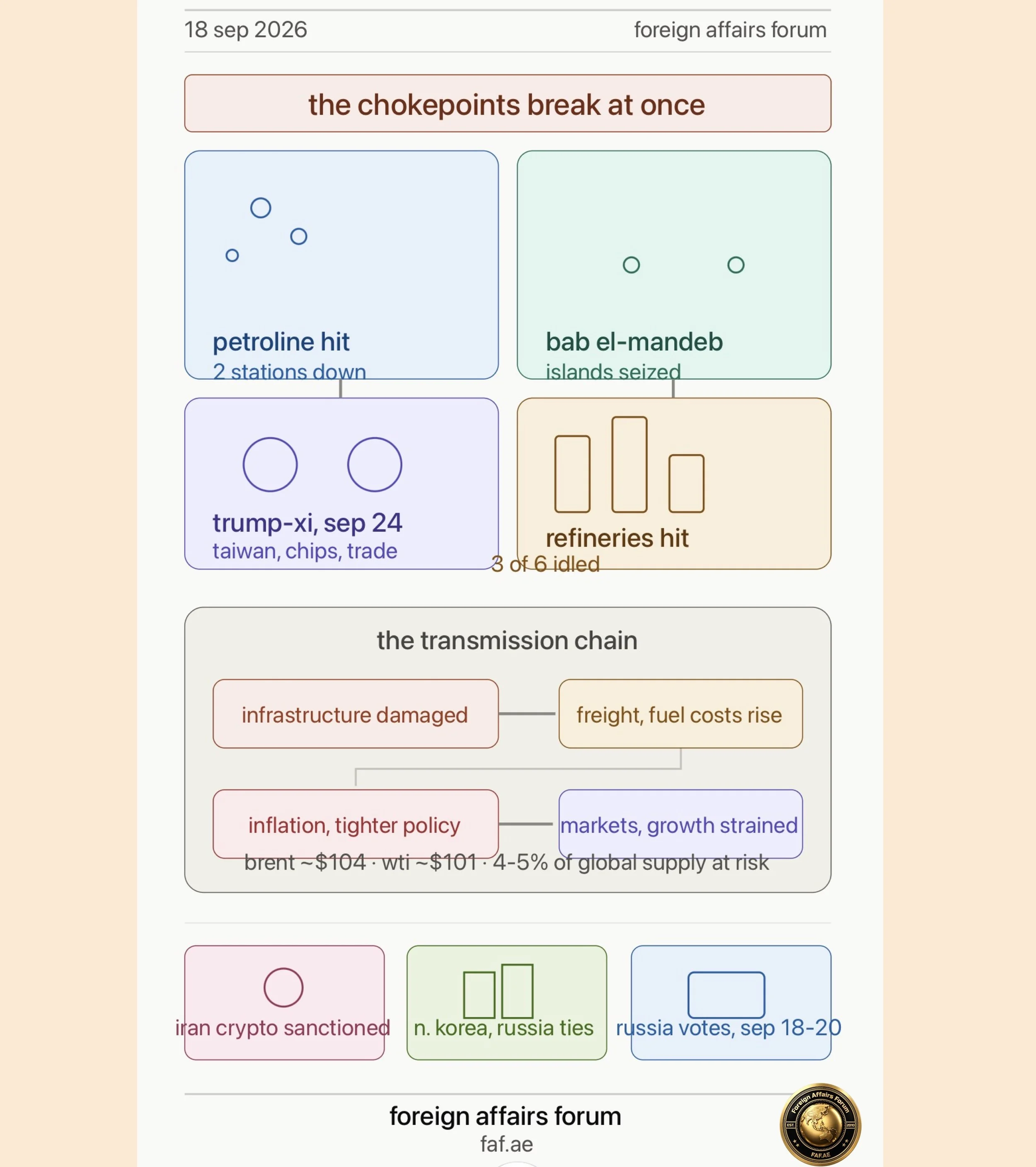
The main message is that separate crises are becoming one large crisis.
Yemen, Ethiopia, the Gulf, Ukraine and North Korea may seem far apart, but they are joined by trade routes, technology and the choices of powerful governments.
There are hopeful signs: oil is flowing, countries are working together, and Europe is building lasting defences. But the risks are real, and the time to prepare is now.
Over the coming days, watch three things: whether the offensive in Yemen changes who controls the strait, whether the Riyadh meeting produces real defence promises, and whether Ethiopia's victory leads to peace or to a wider war.
As Dr. 🆎 puts it, the test of our time is whether human wisdom can keep pace with the speed of the systems we have built.