Beginner's 101 Guide: The Ten Pressure Points: What the World's Biggest Tensions Mean for Ordinary People
Introduction
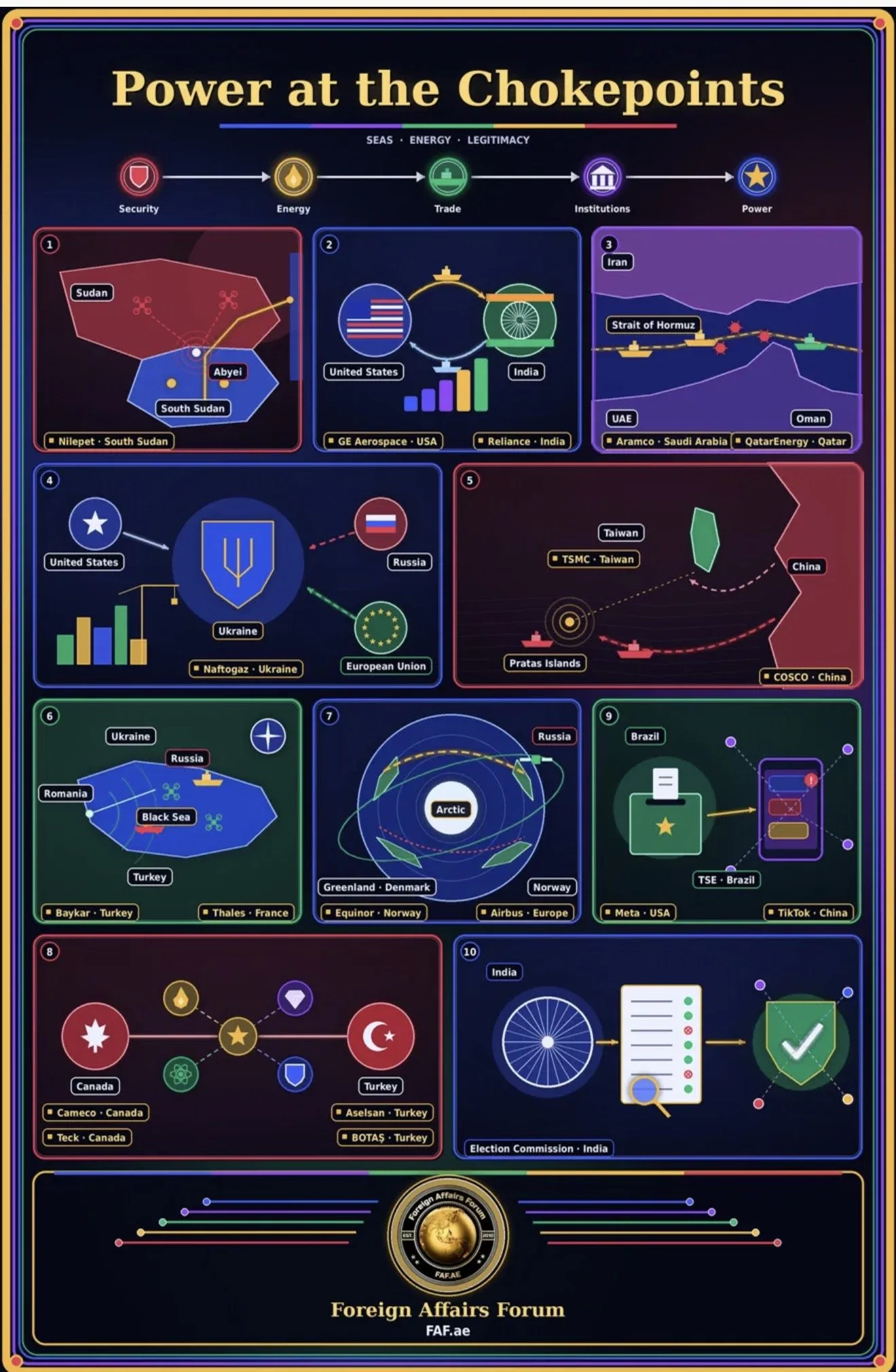
When people read international news, it can feel like a long list of unrelated problems. A war in one country, a trade meeting in another, an election somewhere else. But Dr. Antonio Bhardwaj (Dr. 🆎), a global expert on human-centred artificial intelligence, geopolitical strategy, AI warfare and bioterrorism risk, says the real story is how these events connect. In his view, a handful of simple questions sit behind almost every headline. Who controls the sea routes? Who has reliable energy? Can countries keep trading? Do people trust their own governments?
This article explains the main events of October 19 to October 21, 2026, in plain language, and shows how they fit together.
What Is Happening Around the World
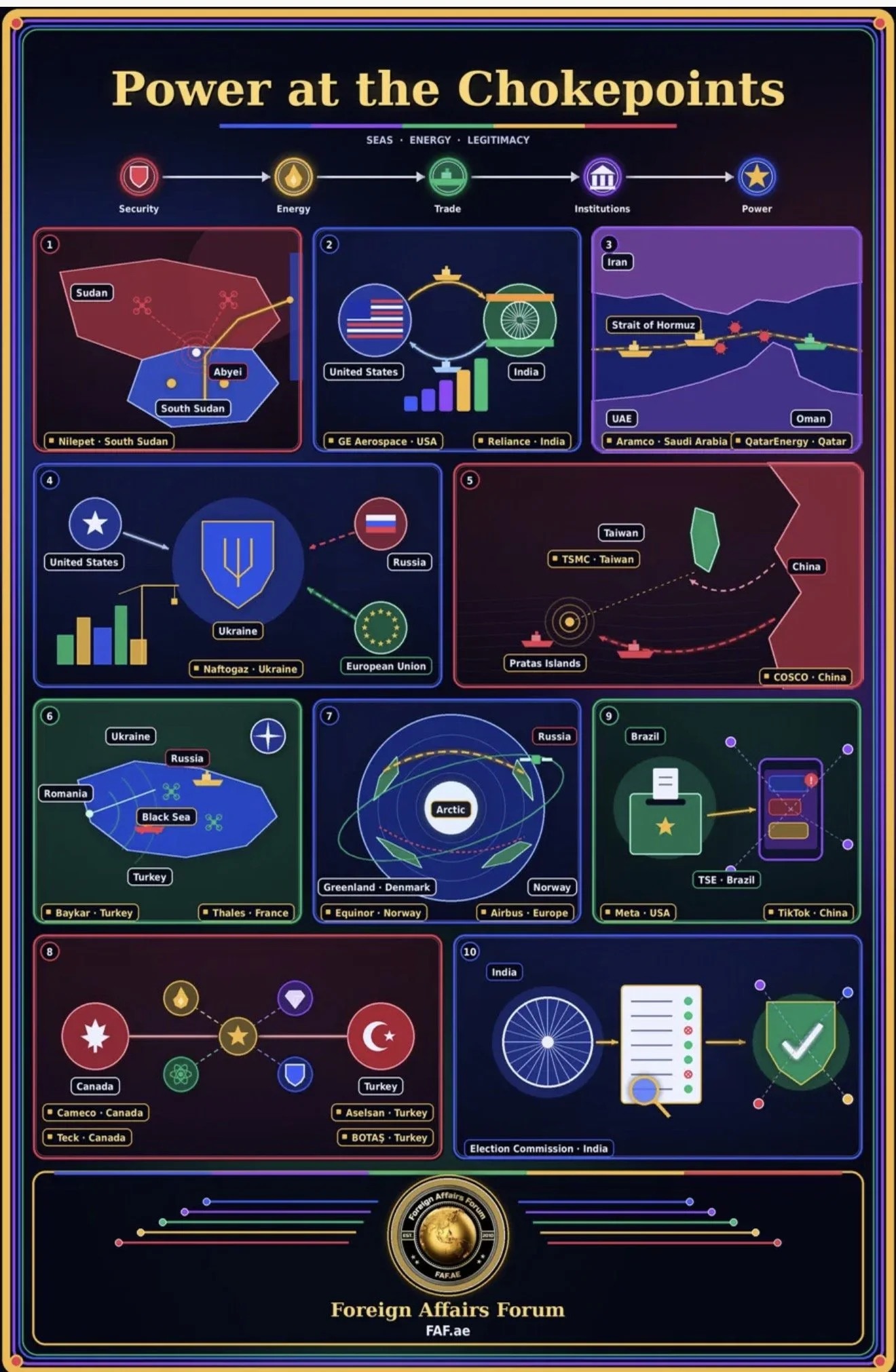
In Africa, a drone attack hit a busy market in a disputed region called Abyei, which lies between Sudan and South Sudan. The market is an important place where fuel, food and medicine pass through on their way to other parts of Sudan.
Reports say 73 civilians may have been killed, although that number has not been officially confirmed. South Sudan's government called in Sudan's ambassador to protest. The fear is that Sudan's civil war, which began in 2023, could spread into South Sudan. This matters because both countries depend on oil, and attacks on fuel supplies hurt ordinary families first.
In Asia, the United States and India are working on a trade agreement. The American Secretary of State, Marco Rubio, is visiting India, and he met India's foreign minister, S. Jaishankar, in Mumbai on October 20th.
The two sides have been close to a deal for some time. The biggest remaining disagreement is about American dairy products entering the Indian market. An earlier framework reportedly cut an extra American tax on Indian goods from 25% to 18%. No final agreement has been announced, and American officials say it is not imminent. India's exports did grow 23% in September to $44.4 billion, which shows the economy has strong momentum.
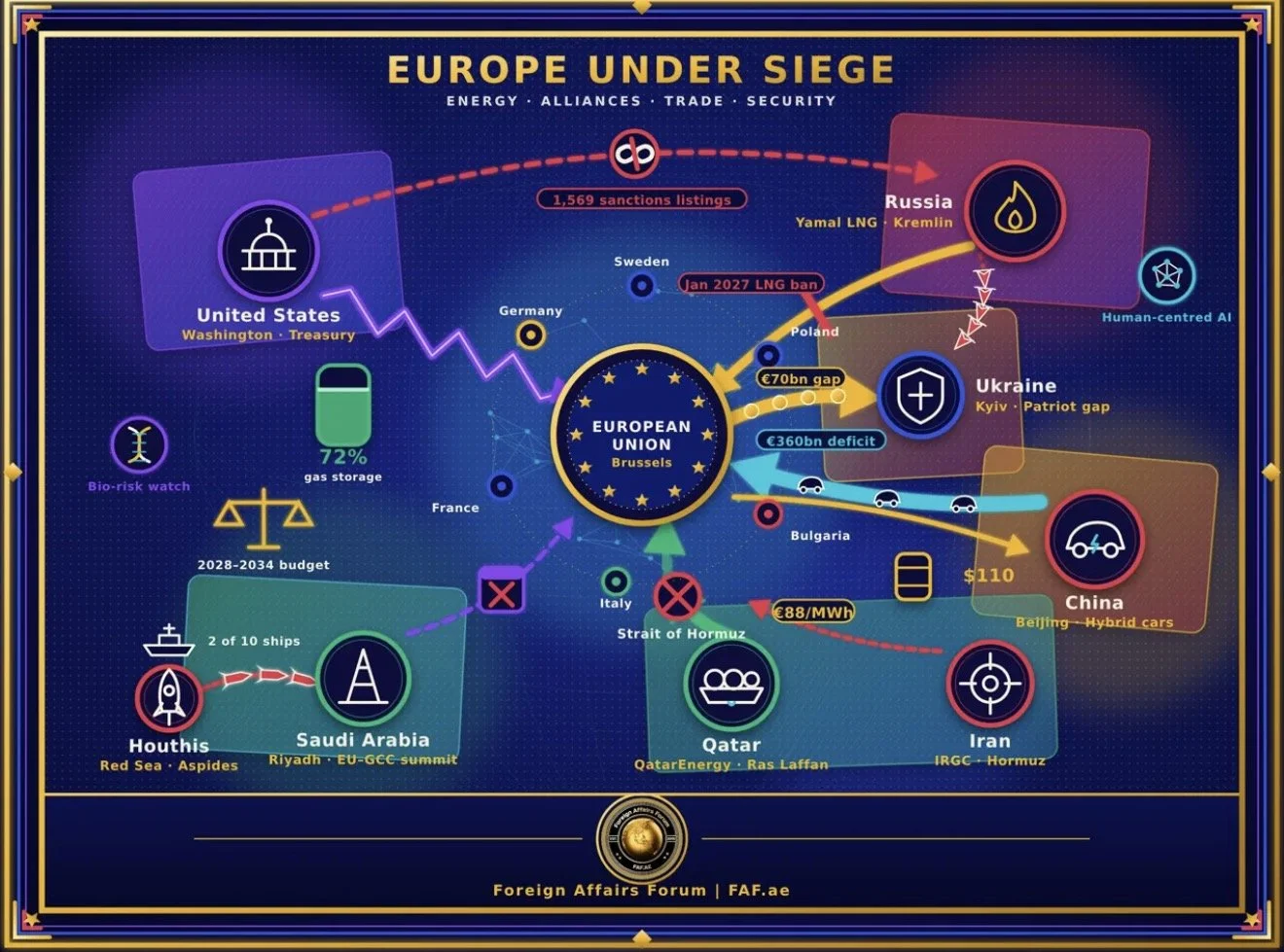
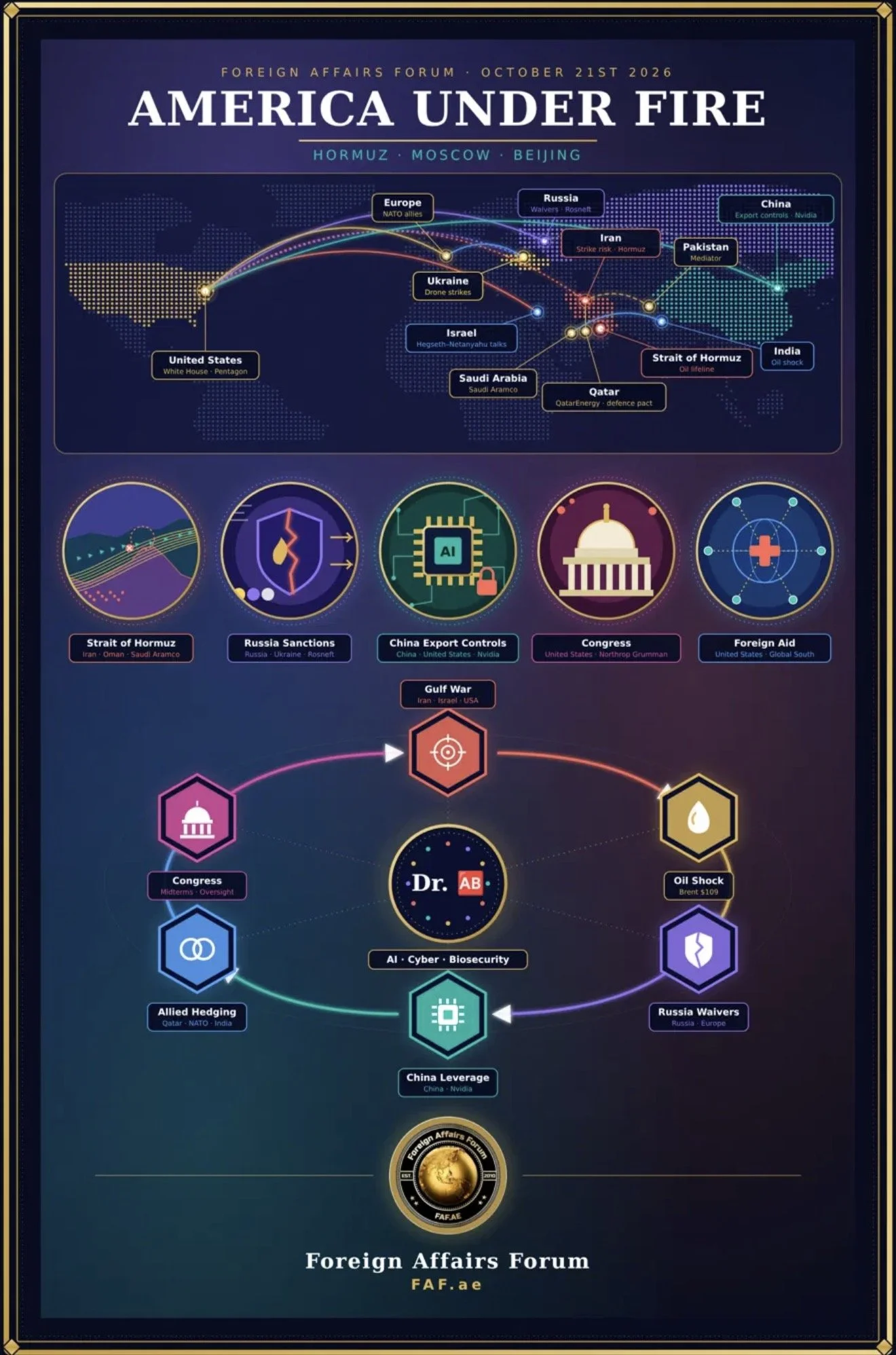
In the Middle East, the Strait of Hormuz is still a worry. This narrow waterway carries a large share of the world's oil. The United States and Israel went to war with Iran in February 2026, and since then shipping through the strait has been disrupted. A peace document signed in June fell apart in July. Since then, a mix of talks, threats and mediation by countries such as Oman and Qatar has continued.
Reports now suggest Iran is thinking carefully about when to negotiate, because American elections are coming. If talks drag on, the risk of an accident at sea grows, and that can push up fuel prices around the world.
In Europe, Washington and Kyiv are discussing a new plan that would include security guarantees for Ukraine, money to rebuild the country, and a way to deal with Russia. There is no peace agreement yet. The hard part is that Ukraine wants protection strong enough to stop another invasion, while Russia wants to keep what it has taken. NATO countries are also discussing more patrols, radar and drone surveillance in the Black Sea after attacks on commercial ships.
Meanwhile, European leaders are paying more attention to the Arctic, where melting ice is opening new sea routes and new competition between Russia, China, the United States and Europe.
Back in Asia, China's coast guard has been active around the Pratas Islands, a small group of islands controlled by Taiwan. The islands are more than four hundred kilometres from Taiwan itself and are lightly defended.
Taiwan says China is trying to create the false impression that it has authority there. Taiwan has also warned about foreign efforts to influence its democracy through false information. Experts worry less about a sudden invasion and more about a slow squeeze that gradually changes who controls the waters.
Two other stories complete the picture.
Canada and Turkey are talking about working together on defence technology, natural gas, nuclear energy and critical minerals, which shows how medium-sized countries are looking for more partners so they do not depend too much on any one of them.
And in two big democracies, Brazil and India, questions about fair elections are in the news.
Brazil is wrestling with how social media and online campaigns affect its presidential vote.
In India, protests about voter-list changes have caused debate at home and attention abroad, while the authorities say they are following the law.
How the Pieces Connect
Dr. 🆎 explains the connection with a simple chain. A country's military security protects its energy supply. A steady energy supply keeps trade moving. Steady trade keeps the economy healthy. A healthy economy supports trustworthy institutions. And trusted institutions are what make a country strong.
Think of it like a row of dominoes. If a strait is blocked, fuel becomes more expensive. If fuel is more expensive, goods cost more and trade slows down. If trade slows, families feel poorer and may lose faith in their leaders. If people lose faith in their leaders, those leaders find it harder to make tough decisions, including decisions about defence. The chain works in both directions, so a weak link anywhere puts pressure on all the others.
You can see this in real events. Iran's reported interest in the American election calendar shows how a strait in the Gulf can affect petrol prices in the United States, and how petrol prices can affect votes. The drone strike in Abyei shows how a cheap weapon can hit fuel supplies and harm a whole region. China's pressure near Taiwan shows that a country can try to change the situation without firing a shot. And the debates in Brazil and India show that people's trust in elections is now treated as a matter of national strength.
Why Technology Makes Everything Harder
One of Dr. 🆎's main points is that artificial intelligence is making all of this move faster. Drones, which can be cheap and hard to trace, let a group attack from a distance without risking its own soldiers. Smart surveillance systems help navies and coast guards watch huge areas of sea, but they also shorten the time leaders have to decide what to do. Computer programs can also create false videos and messages that confuse voters and weaken trust in elections.
Dr. 🆎 argues that the answer is not to fear machines but to keep humans firmly in charge. That means a person must always be responsible for decisions about using force, and there must be clear rules, records and ways to challenge decisions. He also warns that advanced science could one day make biological threats easier to create, so governments should plan for that risk now, just as they plan for wars and cyberattacks. In his words, the most valuable tool in a crisis is not a smarter machine but a wiser decision-maker.
What Should Happen Next
There are practical steps that leaders can take. For the Strait of Hormuz, the countries around it should agree on clear rules for how ships pass, how mines are cleared, and how disputes are settled. For Abyei, the United Nations should investigate the market attack, protect its peacekeepers, and press Sudan and South Sudan to carry out their old agreements about sharing the region's management. For the United States and India, the best outcome is a trade deal that lasts, rather than one that is rushed, and that also covers energy and technology. For Ukraine, any peace plan must keep Ukraine at the table and include protections that can really be enforced. For Taiwan, friendly countries should watch the seas near the Pratas Islands closely, make incidents public, and help Taiwan defend against false information. And for all democracies, elections must be open, fair and well protected against online manipulation.
Medium-sized countries also have a role. Oman and Qatar have shown how mediators can help ease a crisis. Canada and Turkey are showing how new partnerships can reduce risk. These efforts work best when they are open and follow international law.
Five Things to Watch
In the coming weeks, watch whether talks on Hormuz lead to real improvements in the safety of shipping. Watch whether American talks on Ukraine produce a plan that both Kyiv and Moscow will accept. Watch whether the United States and India announce a final trade agreement with clear terms. Watch whether Chinese coast guard activity spreads to other Taiwanese-controlled islands. And watch whether violence around Abyei spills across the border.
Conclusion
The big lesson from this week is that power today is about more than armies. It depends on open sea routes, reliable energy, steady trade and public trust in government. Countries that protect all four will be stronger than those that focus on only one. For India, the possible trade deal with the United States is a major opportunity, while the debate about elections is a reminder that trust matters at home. For Europe, Ukraine and the Arctic are the main worries. For the Middle East, Hormuz remains the great weak point. For Asia and the Pacific, Taiwan is still the place where the most dangerous rivalry could play out.
Dr. 🆎 sums it up simply. The future will be decided by people making hard choices under pressure, and the job of leaders is to build the rules, partnerships and technologies that help those people choose well. The countries that prepare now, in calmer times, will be the ones best able to protect their economies and their institutions when the next crisis comes.