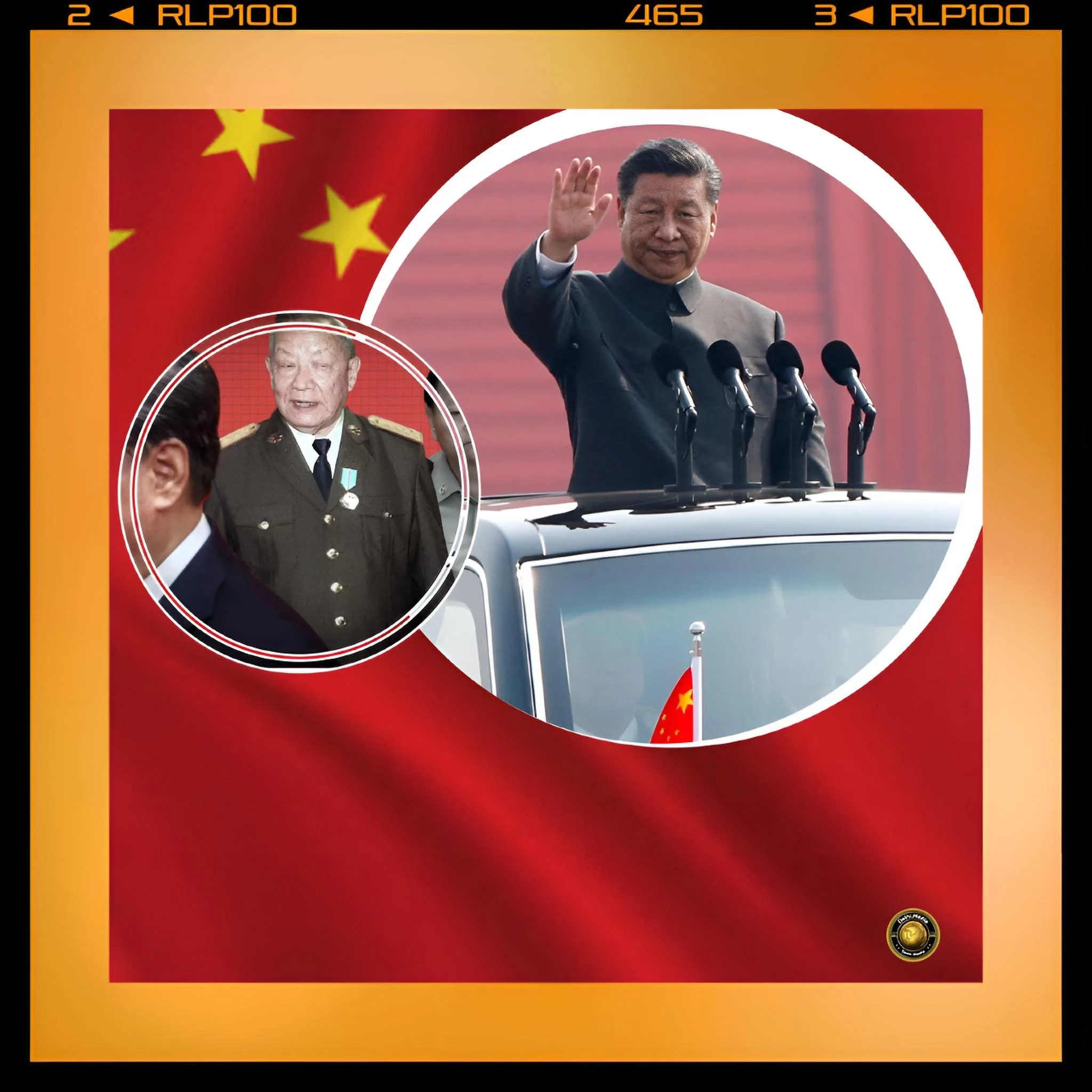
Why Xi Jinping Cannot Sleep: Understanding China's Military Purge and What It Means for Taiwan
Summary
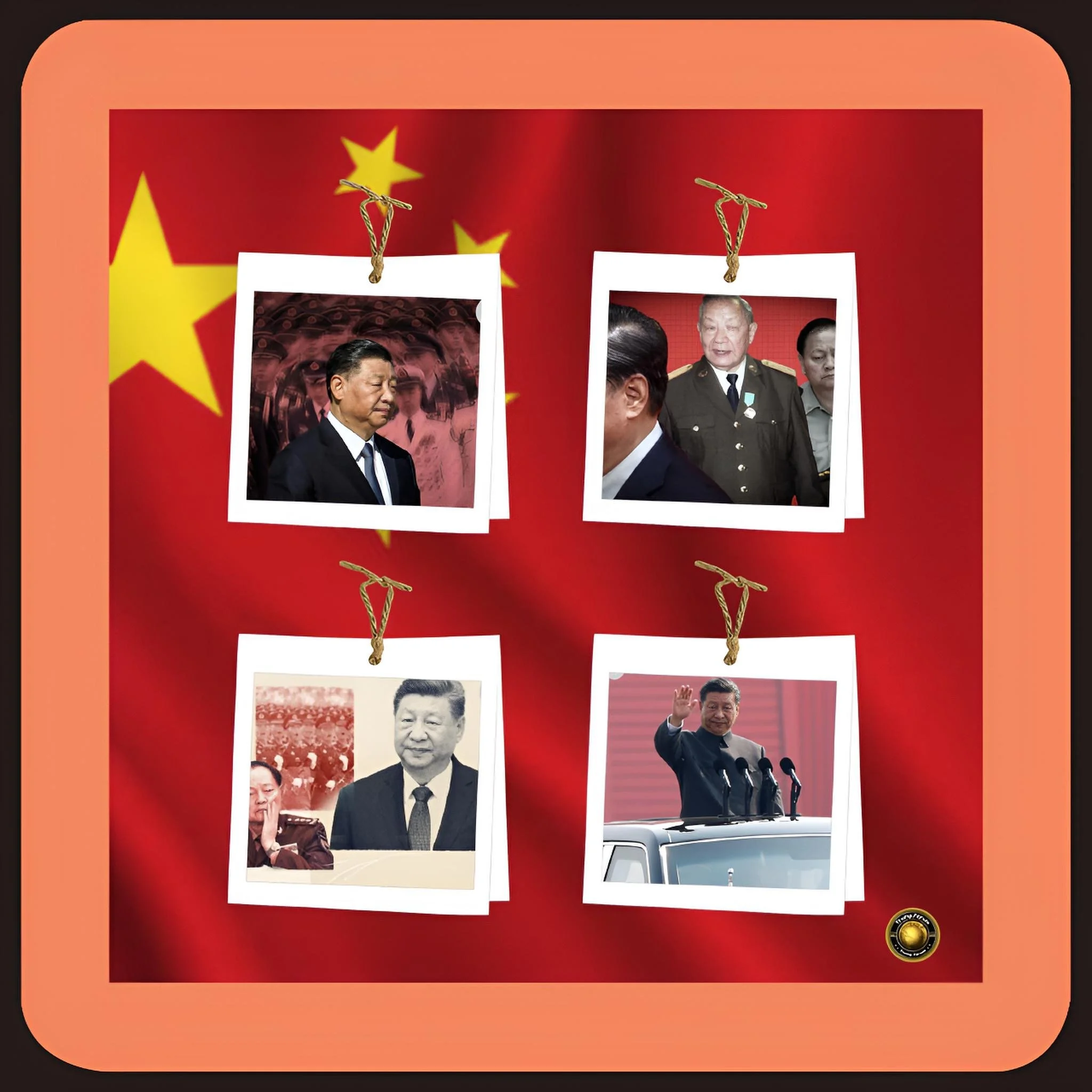
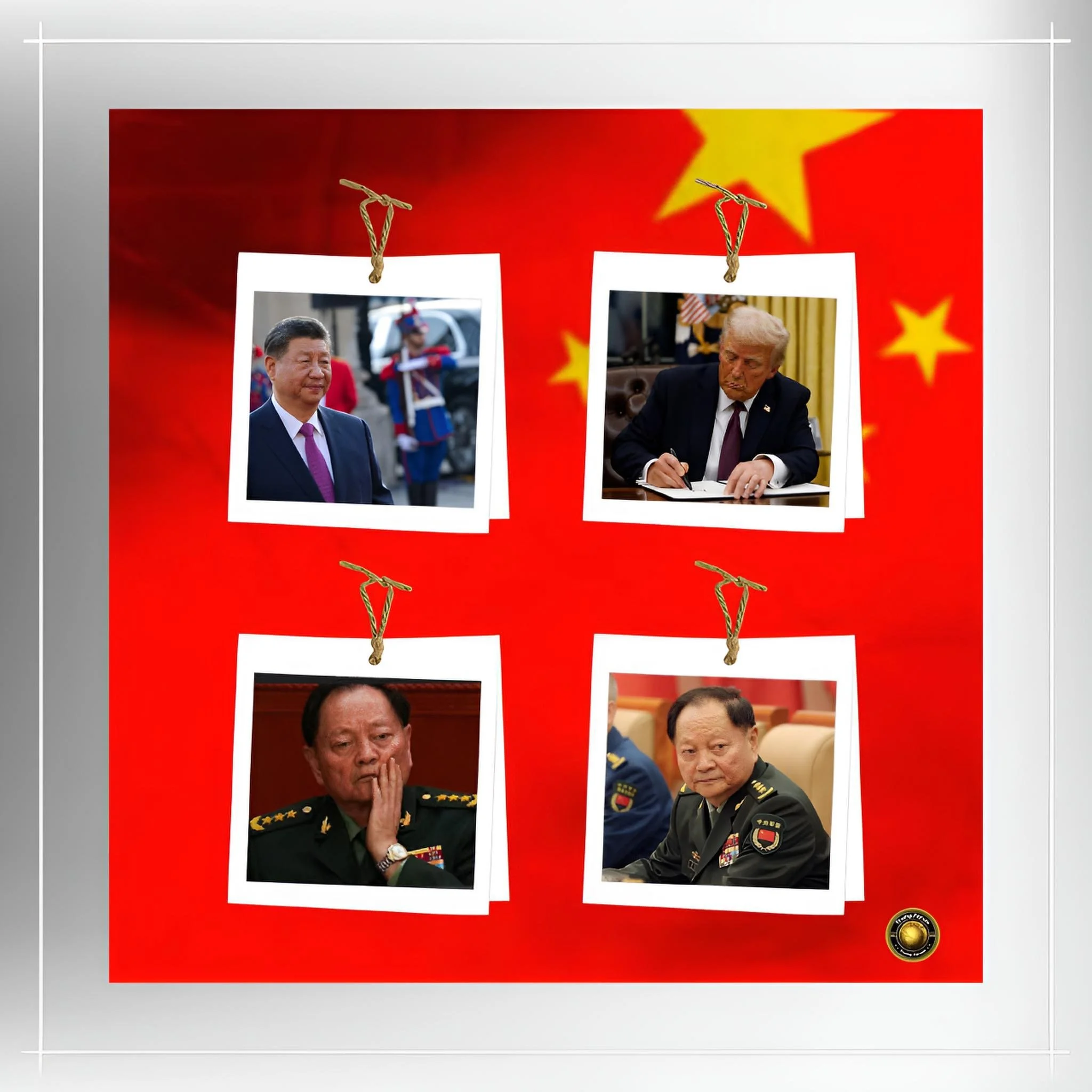
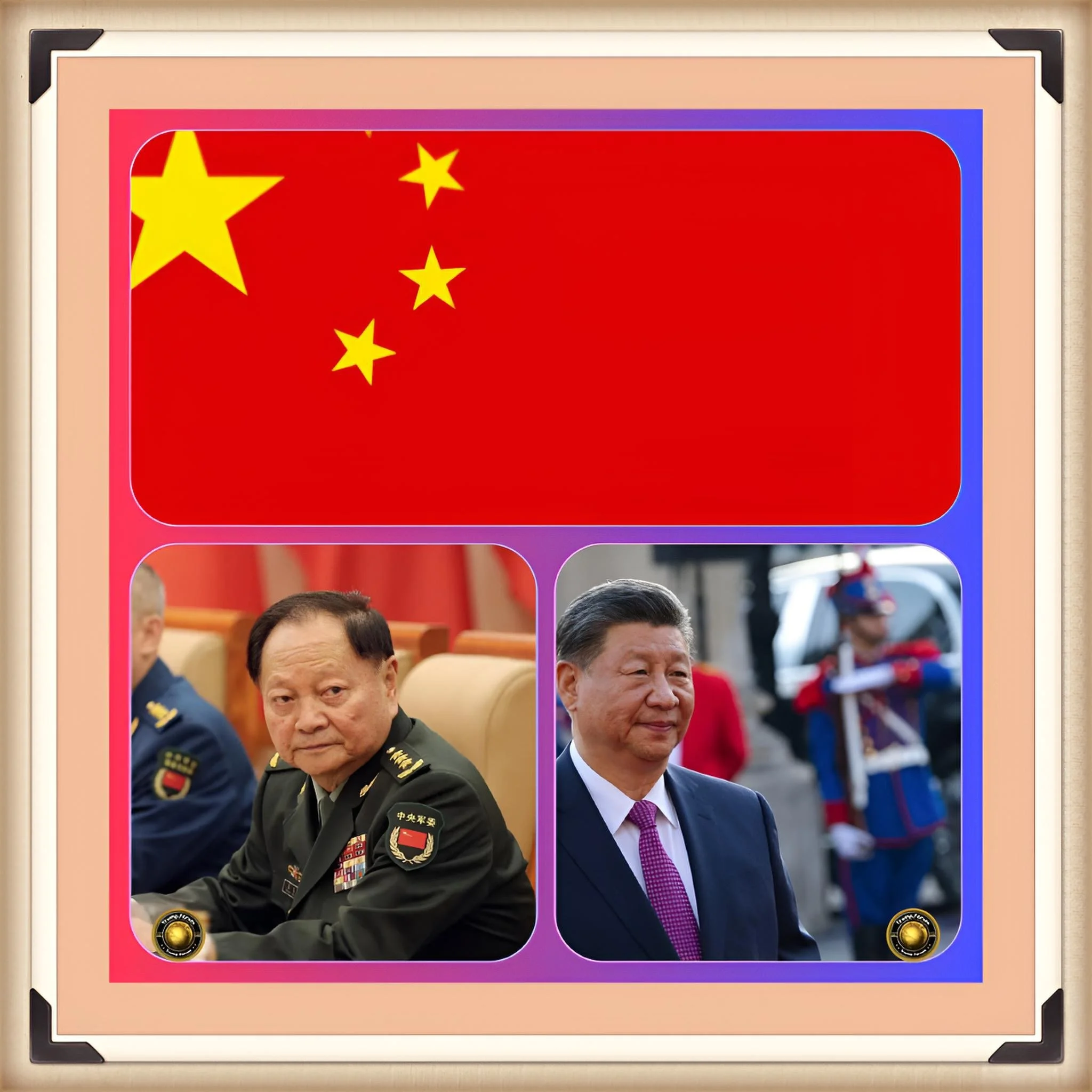
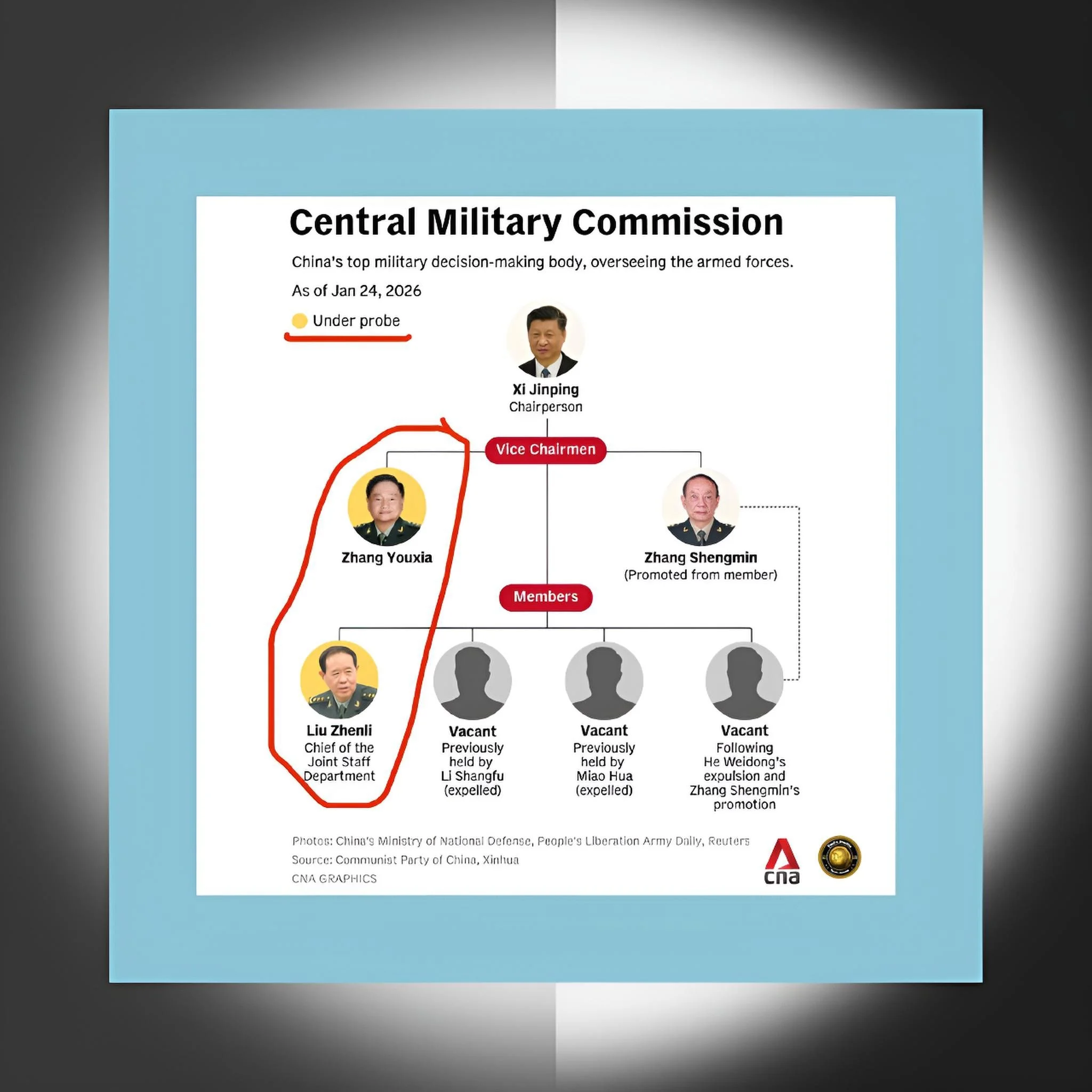
In late January 2026, China shocked the world by removing its top military leader, General Zhang Youxia, from power. Zhang was not a young officer—he was 76, a war hero, the son of one of the founders of the Chinese Communist military, and someone Xi Jinping had personally chosen for this powerful position just three years earlier.
This removal is not an isolated event. It is the latest wave in a pattern of removals that stretches back years, following a pattern used by Soviet dictator Joseph Stalin nearly a century ago.
The removal of Zhang and dozens of other military leaders reveals something troubling: China's leadership structure is consuming itself from the inside through paranoia and political infighting.
Meanwhile, across the world, the United States military just pulled off a flawlessly executed operation to capture Venezuelan President Nicolás Maduro.
The contrast between these two events tells an essential story about the health, trust, and effectiveness of these two military systems.
Introduction
In January 2026, China announced that it was investigating General Zhang Youxia for "serious violations." Zhang was not an ordinary officer. He had fought in actual wars. He bore decorations for bravery. He was the son of a legendary military founder. And Xi Jinping had put him in charge of overseeing the transformation of China's entire military.
Yet despite all of this, Xi removed him. Why? Zhang disagreed with Xi about how fast China's military could be ready to invade Taiwan.
This disagreement—this simple professional difference of opinion—became grounds for removing one of China's most respected military leaders. The removal of Zhang is just the latest example of what happens when political paranoia starts consuming an entire military system.
Part One: The Story of General Zhang Youxia and the Disagreement That Cost Him Everything
Who Was Zhang Youxia?
Zhang Youxia was not a young man seeking to climb the ladder of power. He was 76 years old. His father was Zhang Zongxun, one of the original commanders of the Communist military under Mao Zedong. This made Zhang Youxia part of an elite, inherited military class—the son of a founding figure who had fought in the original revolution.
But Zhang had his own military record. In 1979, during the Sino-Vietnamese War, Zhang commanded troops on the front lines. He was decorated for his bravery. In 1984, he participated in another brutal border battle called the Battle of Laoshan, where he again distinguished himself in combat. When officers who have actually fought in real wars rise to senior positions, their experience is highly valued.
In 2022, Xi Jinping appointed Zhang as Vice Chairman of the Central Military Commission—the CMC.
This is one of the highest military positions in China. Xi was making a statement: he trusted this war hero to help run the military. Zhang was put in charge of training reform—making sure that China's military forces could work together effectively and fight modern wars.
The Disagreement Over Timeline
Here is where the problem began. Xi Jinping had declared that by 2027, China's military must be ready to invade Taiwan.
Why 2027? Because that year marks the 100th anniversary of the founding of the People's Liberation Army. Xi wanted this to be a symbolic moment when China could finally seize Taiwan and unify the country under communist rule.
Xi wanted speed. He wanted a bold, sweeping military transformation. He wanted the military to treat the threat of war with Taiwan as an urgent, standalone priority that required aggressive preparation.
Zhang Youxia saw things differently. As a man who had actually fought in combat, Zhang understood that military transformation cannot be rushed. You cannot turn soldiers into an effective fighting force through political pressure alone.
Zhang believed that by 2027, China's military could consolidate improvements in basic training and address fundamental problems. But he thought that full joint operations capability—the ability of the navy, air force, and ground forces to work together perfectly—would take until 2035. That is eight extra years.
This was not a minor disagreement. Xi had made 2027 a sacred deadline. For Zhang to say "that is not realistic" was essentially telling Xi that his most important goal could not be achieved on his timeline.
The Signs of Defiance
The disagreement grew more visible throughout 2025. In March, when the Chinese leadership gathered for the annual Two Sessions, tension between Xi and Zhang erupted into the open.
First, Xi did something unusual. He invited speakers to address the military who were not even part of the top military leadership. This was a signal that Xi did not fully trust his own generals.
Second, when Xi left one of the main meetings, Zhang Youxia stood with his back to Xi. In Chinese political culture, where everything is symbolic and hierarchical, turning your back on the supreme leader is not accidental. It is a statement of defiance.
Third, Zhang and Liu (the other officer removed) stopped publicly affirming the "CMC Chairman Responsibility System"—essentially the formal acknowledgment that Xi has total authority over the military. They had said this every year before. Now they were silent. This silence meant something important: they disagreed with Xi's system or disagreed with how Xi was using it.
Official accusations later revealed that Zhang and Liu had "trampled" the Chairman Responsibility System—not merely disagreed with it, but actively resisted it. And for the first time, the charges against them included specific damage to "combat capability."
This was significant because it meant Xi was admitting that Zhang and Liu's approach had made the military worse at its primary job: fighting.
Part Two: Why This Is Happening—The Stalin Comparison and the Logic of Paranoia
A Historical Echo: Stalin's Purges of the 1930s
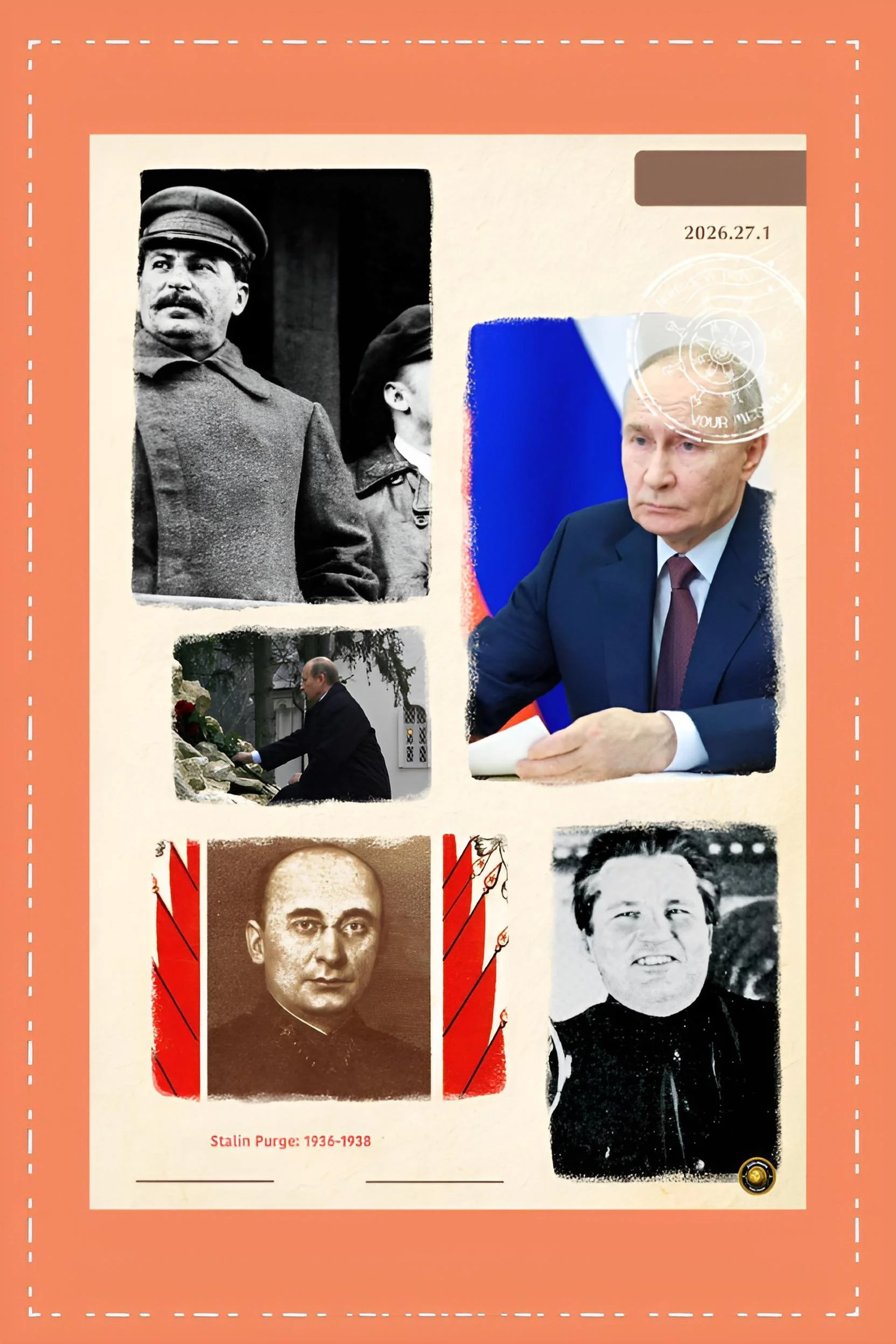
Ninety years ago, in the Soviet Union, a man named Joseph Stalin faced a similar problem. Stalin had risen to total power, but he was paranoid. He believed that powerful military officers might challenge his authority. So he started removing them.
Between 1936 and 1938, Stalin eliminated over 30,000 military officers. He killed the commanders and generals—the men who actually knew how to run an army. He replaced them with loyal followers who would never question his orders, even if those orders made no military sense.
One of the victims was Marshal Mikhail Tukhachevsky, a brilliant strategist who had invented new methods of warfare. Tukhachevsky was removed and executed on false charges of treason and espionage. Stalin replaced him with men who were politically obedient but militarily mediocre.
What happened? When Nazi Germany attacked the Soviet Union in 1941, the Red Army collapsed. Not because the soldiers were not brave. Not because the weapons were poor. But because the officer corps had been stripped of its most capable minds. The survivors were terrified. Nobody wanted to take the initiative or tell Stalin that his military strategy was failing. The result was a catastrophe—millions of deaths, years of brutal warfare, and the near-defeat of the Soviet Union.
Xi Jinping's Purges Follow the Same Pattern
Scholars at universities and think tanks around the world have noticed that Xi is following precisely the same path as Stalin. They call it "Stalin Logic." Here is how it works:
First, a leader becomes paranoid about his power. He thinks his subordinates might be disloyal or might challenge him. So he removes some of them—often people who are genuinely corrupt or who disagreed with him.
Second, after removing some people, the leader looks around and thinks: "Wait, if these men betrayed me, how do I know the others are loyal?" So he removes more people. And more. The paranoia spreads.
Third, and this is the dangerous part, the leader starts removing the very people who helped him carry out the earlier purges. Why? Because those men now have power and could potentially threaten him. So they must be removed too. This creates a vicious cycle that cannot be stopped.
Since 2012, when Xi came to power, over 17 generals have been removed. But the real escalation came after 2022. The purges have primarily targeted the Rocket Force—the military branch that controls China's nuclear weapons and long-range missiles. This is bizarre from a military standpoint. Why would you repeatedly purge the people in charge of your atomic arsenal? The answer is: paranoia. Xi does not trust the officers running his nuclear deterrent.
One dramatic example: the Rocket Force has now had two consecutive commanders purged. The first was removed in 2023. The second, who was appointed to replace him, was also removed within a year. This creates chaos in one of the military's most sensitive areas.
Why This Means Xi Cannot Sleep
We opened with the statement "I have no idea how Xi Jinping is sleeping peacefully at night" because the psychological burden of this system is enormous. Xi must now:
Live with the knowledge that even his closest allies are not safe. He promoted Zhang Youxia to a position of immense power just three years ago. Now he is investigating him. This means that no promotion actually guarantees security. No officer can feel safe.
Worry constantly about whether the officers he promoted are truly loyal or secretly plotting against him. Every conversation, every report, every proposal could be a trap. Xi cannot have normal professional relationships with his military leaders because paranoia poisons everything.
Deal with the fact that by removing Zhang, he has signaled to every other general: your turn might come next. This creates fear, not loyalty. Officers now focus on surviving politically rather than on fighting effectively.
Fear that if he stops the purges, the purged officers' subordinates might rebel. This creates an imperative to keep purging deeper into the military ranks. As the network of fear expands downward through the officer corps, the burden becomes unsustainable.
Part Three: What This Means for Military Readiness—Taiwan Gets a Breathing Window
The Slow-Down in Military Pressure
Throughout 2025, Taiwan noticed something interesting: China's military activity around Taiwan reached record numbers, but the pattern changed. In previous years, Chinese military pressure on Taiwan kept growing month by month. In 2024, it grew faster than in 2023. But in 2025, the growth rate slowed. For the first time in years, Taiwan saw less military pressure in the second half of the year than in the first half.
What happened? Chinese military aircraft still flew near Taiwan constantly. Chinese warships still patrolled around the island. But the intensity and the growth rate dropped. Why? Because the military was being reorganized due to the purges. Resources that might have gone to aggressive operations were instead directed toward internal training and discipline. The military was looking inward, not outward.
This gives Taiwan breathing room. When we say "Taiwan can breathe for a while," this is what we mean: the military that was supposed to invade Taiwan by 2027 is now distracted by internal political turmoil. The chain of command is disrupted. New leaders are still trying to establish their authority. The training that is supposed to prepare for invasion is falling behind schedule.
But This Is Temporary
However, this respite is temporary. Here is the longer-term scenario that analysts worry about: After Xi finishes his purges and appoints new military leaders, those leaders will know something crucial. They will know that Xi wants them to be ready to invade Taiwan by 2027, or very soon after. They will also know what happened to the last guy who said "this is not realistic"—he got removed.
So the new military leaders, desperate to prove their loyalty and avoid the same fate as Zhang Youxia, will likely become MORE aggressive, not less. They will push harder to build joint military capabilities. They will conduct more exercises around Taiwan. They might even pursue risky military operations to demonstrate their willingness to execute Xi's vision of military conquest.
In other words: the short-term weakness caused by the purges is likely to turn into a medium-term surge of aggressive military activity. This is not a permanent change in the threat. It is a pause before a potentially more dangerous phase.
Part Four: Contrast with Operation Absolute Resolve—Why the US Military Works Better
On January 3, 2026, just days after China announced Zhang Youxia's investigation, the United States military executed a major operation called "Operation Absolute Resolve." The goal was to capture Venezuelan President Nicolás Maduro and bring him to the United States to face trial for drug trafficking.
Here is how it spread:
Planning: The CIA spent months gathering intelligence on Maduro's location and movements. They had a source close to Maduro who provided information. Military planners practiced the operation repeatedly.
Preparation: The US military positioned 150 aircraft—fighter jets, bombers, electronic warfare planes, and helicopters. They staged forces in Trinidad and other nearby locations.
Execution: On January 2, President Trump gave the order at 11:46 PM. Operations commenced at 2:00 AM local time in Venezuela. The military bombed air defense systems and military installations. Delta Force commandos—the most elite special operations troops in the world—raided Maduro's compound at Fort Tiuna in Caracas. The operation lasted about 30 minutes.
Result: Maduro and his wife were captured alive. They were brought to a US naval vessel, then flown to New York. All objectives were met. Seven US soldiers were injured. Zero were killed.
Why This Succeeded Where China Struggles
The operation succeeded because of institutional clarity and trust. Here is what this means:
Professional relationships: Everyone involved knew their job. Fighter pilots knew they would execute their missions without fear of investigation if something went wrong. Helicopter crews knew they could communicate honestly about risks and problems. No one was worried about survival politics.
Clear chain of command: President Trump gave the order. General Dan Caine, the Chairman of the Joint Chiefs of Staff, coordinated the operation. Orders flowed downward. Information flowed upward. Everyone understood the mission.
Professional judgment: When one helicopter was damaged by enemy fire, the crew had the autonomy to assess the situation and decide whether to continue or abort. They chose to continue because that is what the mission required, and they trusted that this decision would be supported by leadership.
No paranoia: Nobody involved in the operation feared that reporting a problem might result in an investigation. Military professionals could speak honestly about risks, constraints, and operational realities. This honest communication prevented errors and improved execution.
Institutional stability: The military personnel involved had trained together, worked together, and knew each other's capabilities. This institutional depth allowed for flawless coordination.
Contrast this with the PLA under Xi: Officers are paranoid about their survival. They are afraid to speak honestly about military problems because speaking truth to power can be interpreted as disloyalty or as a challenge to Xi's authority. They are constantly aware that their boss might be the next one to be removed. This fear poisons everything—strategy, training, morale, and operational effectiveness.
The US operation succeeded not because individual Americans are smarter or more capable than individual Chinese. It succeeded because the institutional system permits and rewards professional competence, honest communication, and clear chains of command. China's system, by contrast, rewards political obedience and paranoid conformity, which destroys institutional effectiveness.
Part Five: The Deeper Problem—Can This Be Fixed?
Is This Just a Personnel Problem?
One might think that if Xi just stops removing people, the PLA will recover. But it is not that simple. The damage is psychological and structural.
Psychological damage: Every officer in the PLA now knows that being promoted, being trusted, and having decades of service does not guarantee safety. Zhang Youxia was decorated in actual combat. He was the son of a revolutionary hero. And he was removed. This teaches a lesson to every officer: no matter what you accomplish, you can be taken down. This lesson destroys motivation and initiative.
Structural damage: The removal of officers creates leadership vacuums. When you remove the Commander of the Rocket Force, you do not just remove one person—you remove his network of subordinates and allies. Promotions go to less experienced officers. The military becomes younger on average, less experienced, and less stable.
Institutional memory is lost: The officers being removed often have decades of experience. They know how things work. When they are removed, that knowledge leaves the system. New leaders must spend years relearning what the removed officers knew.
Why Stalin's Purges Never Really Worked
Stalin carried out his Great Purge for years. He removed tens of thousands of officers. Then he stopped. Did the Soviet military recover? Partially, over time. But when Germany attacked in 1941, the military still suffered catastrophic losses. The paranoia, the fear, and the institutional damage took years to overcome.
Xi's purges show signs of following the same trajectory. The only difference is that Xi is not purging as many people as a percentage of the officer corps. But the principle is the same: paranoia driving institutional decay.
What Taiwan and the West Should Do
For Taiwan: Use this window. Accelerate military modernization. Deepen relationships with countries that will provide defense support. Build civil defense capabilities. Taiwan has months or perhaps a couple of years before the PLA's internal reorganization is complete and a new wave of aggressive operations begins. Use this time to prepare.
For the US and democratic allies: Maintain a strong military presence in the region. Support Taiwan. Make clear that any Chinese invasion of Taiwan would be met with a unified, powerful response. Use this period of Chinese instability to strengthen defensive alliances. But understand that in the medium term, as China rebuilds with loyalist officers under pressure to prove themselves, the risk of Chinese military escalation will increase.
For international observers: Understand what is happening. This is not a normal military purge. This is a leader eliminating his own military leadership due to paranoia. This weakens China's military in the near term but creates unpredictability in the medium term. A military under political stress and led by officers desperate to prove loyalty is less reliable and more likely to escalate.
Conclusion
The Cost of Paranoia
Xi Jinping cannot sleep peacefully at night because he has chosen a system built on paranoia. He has eliminated the officers who were supposed to help him achieve his most important goal—bringing Taiwan under Chinese control. The brightest, most experienced military minds have been removed or are under threat. The system is now turning inward, focused on political loyalty rather than military effectiveness.
Meanwhile, the United States military, despite its challenges and controversies, maintains an institutional culture of professional competence and honest communication. This is why a complex operation like the capture of Maduro succeeded with no US combat deaths and minimal casualties. It is why American military officers can speak truth to power and why their advice, though sometimes ignored, is taken seriously.
The contrast between these two military systems illustrates a fundamental truth: paranoid, centralized power may look strong on the surface, but it is actually deeply fragile. Institutions built on trust, professional judgment, and honest communication—even if they sometimes fail—are ultimately more effective and more stable.
For Taiwan, the lesson is both encouraging and ominous: the immediate threat has diminished, but the long-term pattern suggests a more dangerous threat ahead. Taiwan should use this window wisely.