India and Europe’s Biggest Deal: What It Means for Your Wallet and the World
Summary
What Is This Trade Deal All About? A Simple Explanation
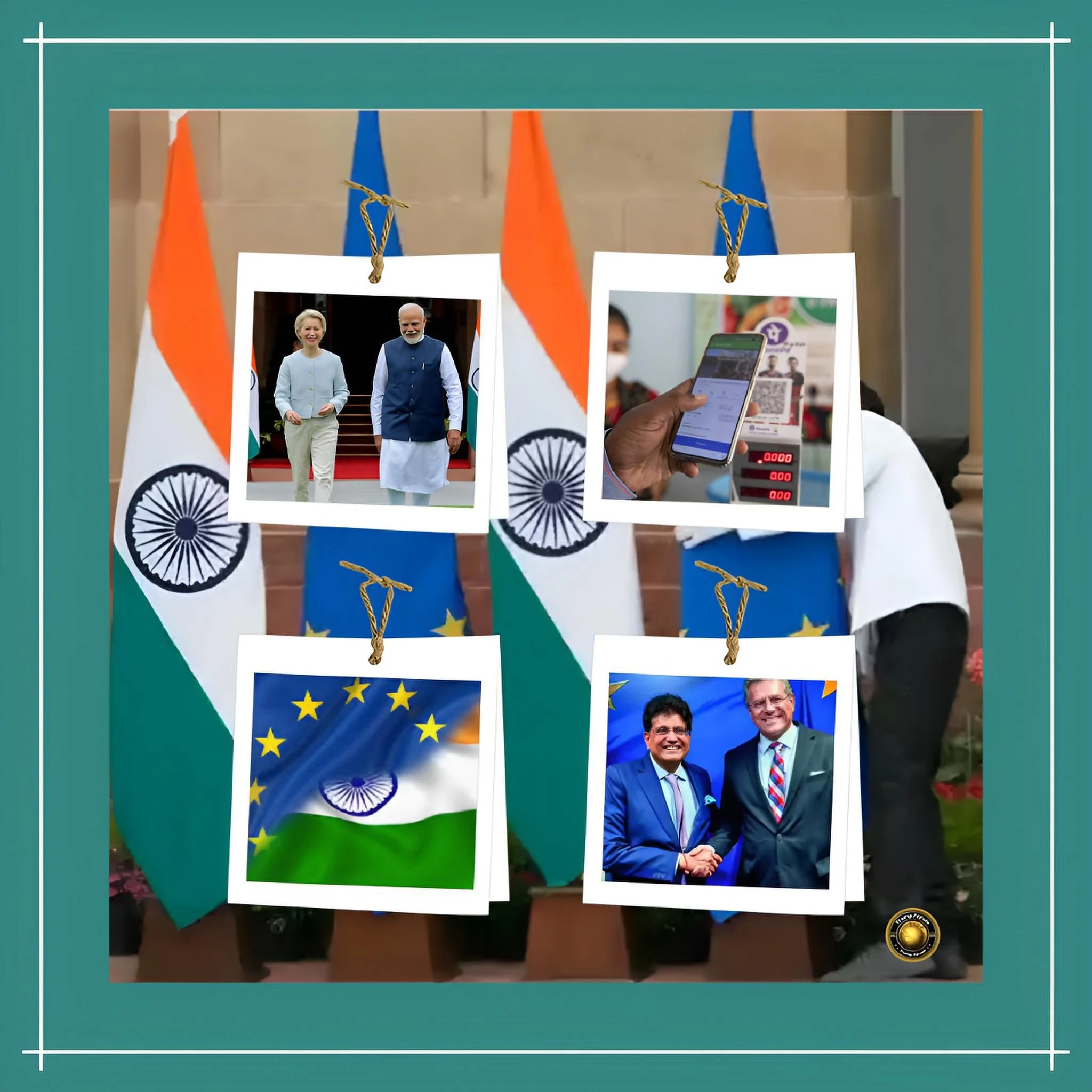
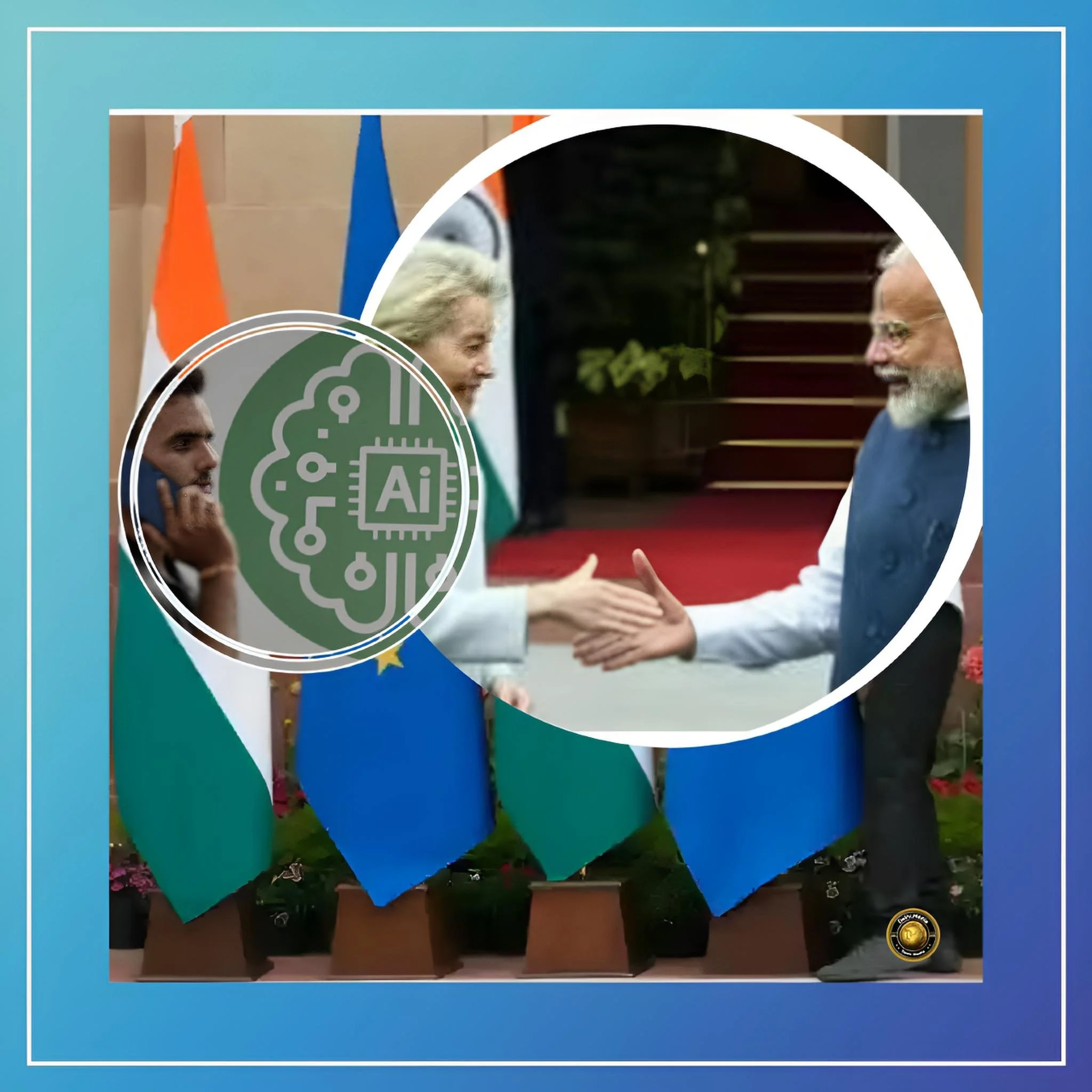
On January 27, 2026, India and the European Union announced one of the biggest trade agreements in the world. Think of it like two large groups of countries agreeing to make buying and selling things between each other much cheaper and easier.
The European Union has twenty-seven countries including Germany, France, and Italy. Together with India, this agreement covers nearly two billion people and represents about one-quarter of all economic activity in the world.
The deal is so big that officials are calling it "the mother of all deals." The strategic urgency for this pact increased significantly following recent United States tariff increases and efforts to find alternative suppliers for products instead of relying on China. When America raised taxes on Indian textiles in August 2025, it hurt Indian clothing makers badly. India and Europe both realized they needed this deal to protect their economies.
Why Did India and Europe Want This Deal? The History Behind It
The story of this trade agreement stretches back almost two decades. India and Europe first started talking about making a trade deal in 2007, but those talks went nowhere for many years. Officials and businesses disagreed about many things, including how to handle medicine prices, protect European cheese makers, and defend Indian farmers.
Everything changed when Russia invaded Ukraine in 2022. This war made Europe worry about depending on other countries for things they needed. The European Union realized it had been relying too much on China for manufactured goods. Europe wanted to find other places to buy from. India looked like a good choice because it is a growing economy with hundreds of millions of people.
The talks moved forward faster starting in 2022, but they became really urgent in late 2025. America's President Trump imposed extremely high taxes on Indian clothing, textiles, and garments that India exports. Suddenly Indian textile makers could not sell their products to America anymore.
This created a crisis for India's textile industry which employs millions of people. Meanwhile, America also threatened high taxes on European cars and metal products. Both India and Europe realized they needed each other. This desperation pushed both sides to finish the deal quickly.
What Exactly Did India and Europe Agree To? The Key Parts of the Deal
The agreement covers many different products and services. The most important parts are about reducing taxes on goods that move between the countries. Currently, when products cross borders, governments tax them heavily. This deal eliminates or reduces those taxes for most products.
For India's exports to Europe: Indian textile makers will see taxes drop from twelve to sixteen percent down to almost nothing. This helps because countries like Bangladesh and Vietnam already sell cloth to Europe with no taxes. Indian pharmaceutical companies that make medicines will pay lower taxes. Indian gems, jewelry, leather goods, and car parts will also face lower taxes. Indian software companies and service workers will find it easier to work in Europe.
For Europe's exports to India: The biggest change is in automobiles. Right now India puts taxes of one hundred to one hundred and ten percent on imported cars. That makes European cars extremely expensive and impossible for most Indian people to buy.
Under this deal, India will lower those taxes to forty percent right away. Over time, these taxes will come down even more to ten percent. This means Mercedes-Benz, BMW, and Volkswagen cars will become cheaper in India. European companies selling machinery, chemicals, and industrial equipment will also pay lower taxes.
European wines and spirits also benefit. India currently taxes imported wine at one hundred and fifty percent, the highest rate in the world. Under the deal, these taxes will be reduced step by step. As Indians become wealthier, more of them want to buy fancy European wines and whiskeys, so European makers are happy about this.
Why Were Farmers and Dairy Producers Left Out of This Deal?
One important part of the agreement is what is NOT included. Agricultural products like rice, wheat, and spices were kept out of the deal. Dairy products like milk, cheese, and butter were also kept out. Why? Because both countries wanted to protect their farmers.
India has hundreds of millions of people who work on farms. If cheap European agricultural products suddenly flooded the Indian market, these farmers would lose money and suffer. Similarly, Europe wanted to keep protecting European farmers.
So both sides agreed to leave agriculture completely out of the deal.
This protects farmers but also means the deal is less comprehensive than it could be.
What Are the Numbers? How Much Money Could This Create?
Current trade between India and Europe totals about one hundred and ninety billion dollars per year. India exports about seventy-six billion dollars of goods and services while importing about sixty-one billion. This deal is expected to increase that trade dramatically.
The European Union estimates this deal will save businesses about four billion euros every year just by removing taxes and duties. That is money that companies and consumers will save. More importantly, experts predict bilateral trade could double within five years. That means the one hundred and ninety billion dollar trade could grow to three hundred and eighty billion dollars. For an economy like India's, this represents significant growth in manufacturing jobs and export earnings.
For example, if an Indian textile company currently pays five hundred thousand dollars in taxes to ship cloth to Europe each year, they might pay nothing after this deal. That saved money could go toward hiring more workers or buying better machinery.
What Problems Still Need to Be Solved? Areas of Concern
Despite the agreement's benefits, several challenges remain. One major concern is something called the Carbon Border Adjustment Mechanism. The European Union wants to make sure imported products have faced fair carbon pricing, which is payment for pollution created during manufacturing. If they do not, Europe will add extra taxes. This worries Indian steel makers, cement producers, and chemical companies because they might have to pay additional costs.
Another concern is about medicines. The European Union wants strict rules about who can make copies of expensive medicines. India, however, is famous for making cheap generic medicines that millions of poor people depend on. If the rules become too strict, Indian medicine makers might not be allowed to make affordable copies, and patients could suffer.
Indian companies also worry about European standards and testing rules. Even without taxes, these regulations can make it hard to sell products in Europe. A medicine might need three years of testing before it can be sold in Europe, making it difficult for Indian medicine companies.
For Europe, the concern is about intellectual property, meaning ideas and inventions. They want to make sure that Indian companies do not steal their technology or copy their designs. India wants flexibility on this issue to protect its own growing technology companies.
How Will This Deal Help India? Benefits for the Indian Economy
For India, the benefits are substantial. First, Indian textile makers will finally compete fairly with Bangladesh and Vietnam. Right now, those countries pay almost no taxes when selling to Europe while Indians pay taxes of ten to sixteen percent. With this deal, Indians get similar treatment. This means more cloth exports, more factory jobs, and more money flowing into textile regions like Tamil Nadu and Gujarat.
Second, Indian medicine makers will sell more pharmaceuticals to Europe. India is known as the pharmacy of the world because it makes cheap medicines. This deal opens European markets wider. Indian companies like Cipla and Dr. Reddy's Labs could dramatically increase their European sales, which creates jobs and growth.
Third, Indian software companies and service workers get easier access to European markets. India's IT sector is worth about two hundred billion dollars and is a major export industry. With this deal, Indian software engineers, consultants, and IT companies can more easily work in Europe.
Fourth, the deal helps protect India from American trade threats. America just imposed fifty percent taxes on Indian textiles. Europe represents an alternative market. If America closes its doors, India can sell more to Europe. This reduces India's dependence on any single market.
Fifth, European investment in India will likely increase. When companies face lower tariffs and clearer rules, they invest more. European companies might build factories in India, create jobs, and transfer technology.
How Will This Deal Help the European Union? Benefits for Europe
For Europe, the primary benefit is reducing dependence on China. Europe relies too heavily on Chinese manufacturing. The COVID-19 pandemic showed how dangerous this dependence is because when China had lockdowns, European companies could not get the products they needed. India offers an alternative source for many products.
Second, European automotive companies benefit. Imagine you work at Mercedes-Benz. Right now, you cannot sell imported cars in India because the taxes are so high. But Indian people increasingly have money to spend on nice cars. With lower taxes, European cars become affordable. Volkswagen, which has plants in India, can now import cars and offer more models. This creates sales and profits.
Third, European businesses selling machinery, chemicals, and advanced equipment will sell more to India. As India develops and builds more factories, it needs European technology and equipment. Lower taxes make European products more attractive compared to Chinese alternatives.
Fourth, India becomes a more important economic partner as it grows to be the world's third-largest economy. Europe wants strong relationships with future economic powerhouses. This deal strengthens Europe's position in the Indo-Pacific region, which is becoming the center of global economic competition.
Fifth, the deal helps Europe compete against American economic pressure. America is threatening European companies with high taxes on cars and metal products. By diversifying trade relationships and deepening partnerships with India and other countries, Europe reduces American power over its economy.
What Happens Next? The Path Forward
When leaders announced the deal on January 27, 2026, that was not the final step. The agreement still requires approval from the European Parliament, which is the elected assembly that makes laws in Europe. This approval process has become more difficult in recent years because environmental groups, labor unions, and farming organizations often object to trade deals. Some have even gone to European courts to try to stop previous agreements. This process could take at least one year.
In India, the government cabinet must approve the deal, and the Indian Parliament must ratify it. Indian farmers and small business owners have concerns. Politicians must convince them that the benefits outweigh the challenges.
After approval, both countries must set up systems to manage the deal. Customs officials need to learn new rules. Companies need to understand the new tax rates. Both countries must establish committees to solve disagreements when they arise.
The success of this deal depends on how well both countries implement it. If customs officials follow the rules fairly, if companies comply with regulations, and if both governments keep their promises, the deal will create the expected economic benefits. If problems arise and are not solved quickly, companies might become frustrated and trade might not grow as projected.
What Does This Mean for the World? Bigger Pictures and Implications
This deal matters beyond just India and Europe. It sends a message that despite American protectionism and geopolitical tensions, countries can still negotiate beneficial trade agreements. In a world where trade seems threatened by nationalism and conflict, this deal offers hope that cooperation is still possible.
The deal also signals that India is becoming a more important global player. As India's economy grows and its population expands, the world's largest democracies increasingly want partnerships with India. Europe chose to invest time and resources in negotiating with India because it views India as central to future global prosperity and stability.
The deal also reflects growing concerns about Chinese manufacturing dominance. Both India and Europe are trying to reduce their dependence on China. This agreement is part of a larger reshaping of global supply chains. Companies everywhere are asking, "Can we make this product somewhere other than China?" This deal provides an answer: "Yes, perhaps in India or with Indian partners."
For workers around the world, the deal creates both opportunities and challenges. Indian textile workers will benefit from more exports. European auto workers might face new competition from Indian manufacturers. Global supply chains will reorganize. Some people will gain jobs while others might lose them. That is the reality of trade agreements.
Conclusion
A Deal for Changing Times
The India-European Union free trade agreement represents far more than just a commercial arrangement. It reflects how the world is changing. American protectionism pushed India and Europe together. Chinese manufacturing dominance made both sides want alternatives. Together, they negotiated a comprehensive agreement covering two billion people.
For India, the deal offers desperately needed market access for textiles, medicines, and services. It provides an alternative to American markets that have become hostile. It brings European investment and technology. It positions India to benefit from its growing economy and rising middle class.
For Europe, the deal provides supply chain diversification away from China, access to India's enormous and growing market, and a strategic partnership with a future economic superpower.
The strategic urgency for this pact increased significantly due to United States tariff increases and the need to find suppliers beyond China. Both sides recognized they needed each other in an increasingly uncertain world.
The real test comes next. If both countries implement this agreement effectively and keep their commitments, the deal will generate the predicted economic growth, create millions of jobs, and strengthen the global trading system. If problems arise and are not managed well, benefits could be limited.
The coming months and years will reveal whether this landmark agreement truly becomes "the mother of all deals" that both sides hope it will be.