America and India Make a Big Trade Deal: What Does It Mean for Both Countries?
Summary
What happened on February 2, 2026?
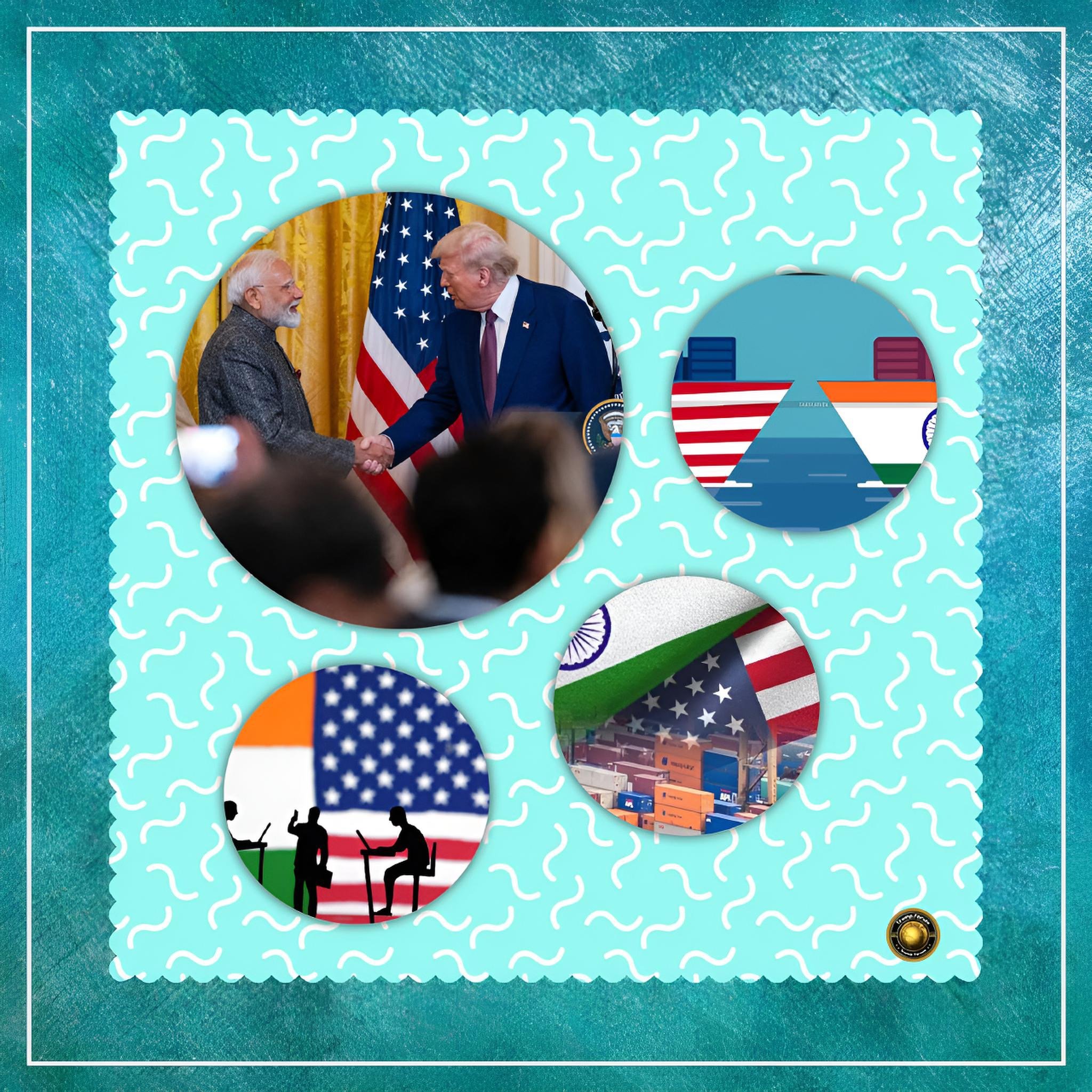
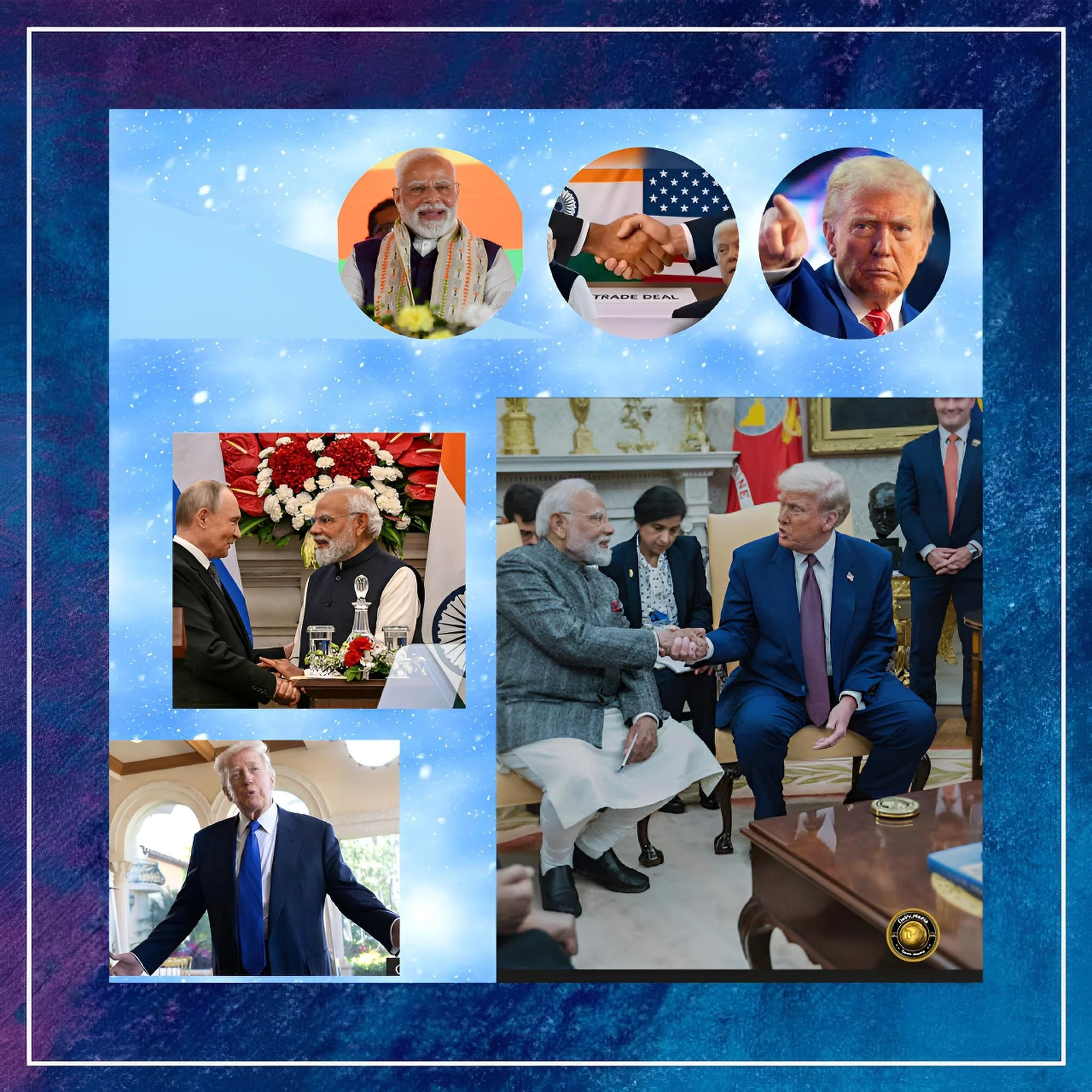
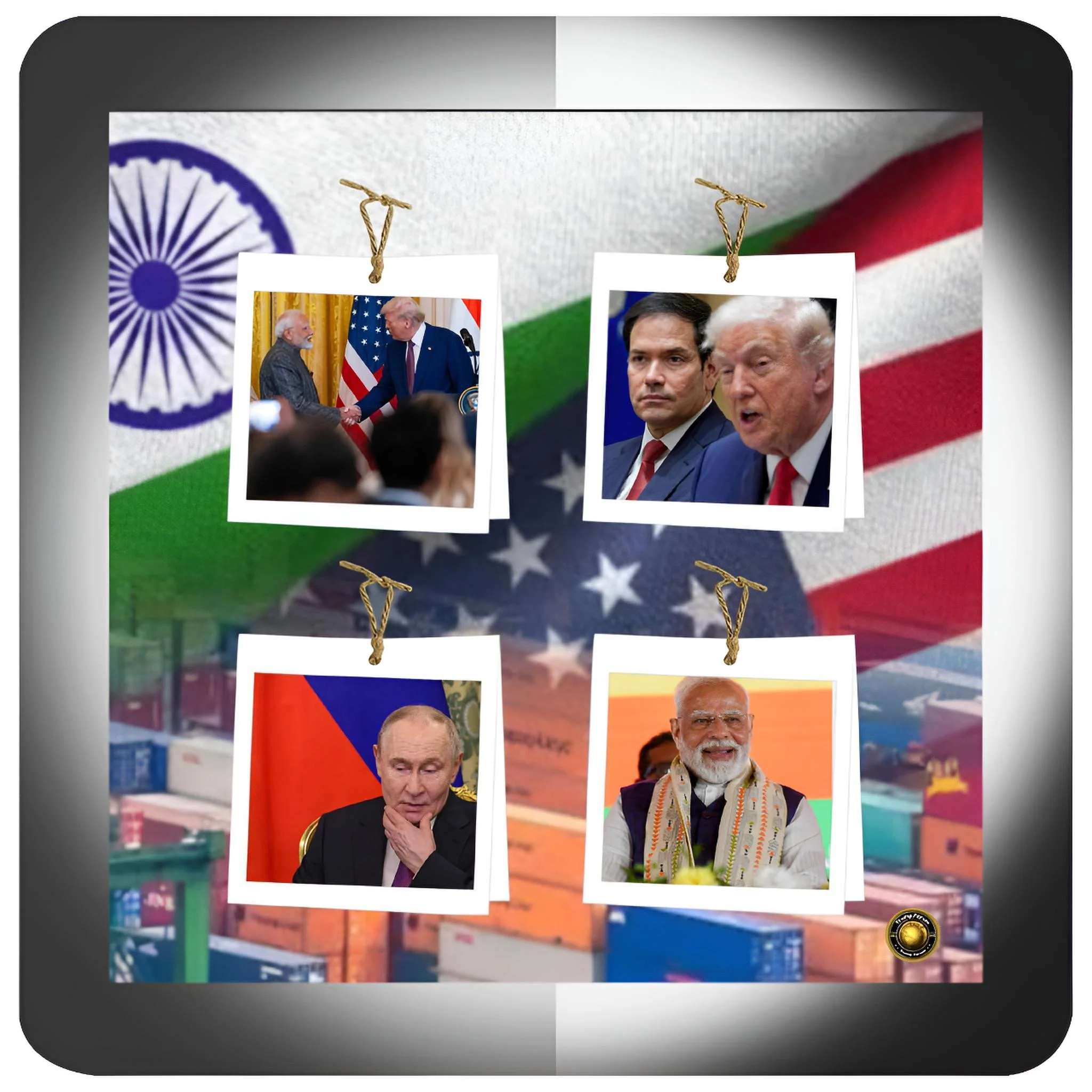
On February 2, 2026, the President of the United States and the Prime Minister of India announced a big trade deal. Think of it like two shops agreeing on their prices. The US shop agreed to charge India less for the products America sells to India. In return, India decided to buy more goods from America rather than from other countries.
Before this deal, America was charging very high prices (50%) on Indian goods. Now, America will charge only 18%. This is like paying $50 extra tax on every $100 you buy, and now you only pay $18 extra tax. That saves money.
How much money does India save?
When tariffs are lowered, Indian companies that sell to America can make more profit. Let us do some math. India exports about $87 billion worth of things to America each year. Before the deal, America charged 50% tariff on these products. That means America was taking $43.5 billion in taxes from Indian products.
Now America only charges 18% tariff. That means America takes only $15.66 billion in taxes. So the difference is about $27.66 billion per year in reduced taxes. But this is the most significant possible number.
In real life, the number is smaller because some products get cheaper and people buy more of them, and some sellers change which countries they sell to. Most experts say India saves about $6 billion to $7 billion per year from lower tariffs. That is still a lot of money.
What did India have to give up?
India had to agree to 4 big things:
(1) Stop buying oil from Russia. India was buying a lot of Russian oil because Russia gives discounts. But America did not like this because America is trying to hurt Russia because of the war in Ukraine. India said it would buy much less Russian oil.
(2) Buy oil from Venezuela instead. America controls Venezuela now because America took the leader prisoner in January 2026. Venezuela's oil costs about $60 per barrel. But Russian oil only costs India about $50 to $54 per barrel. This means India will have to pay about $7 to $10 more per barrel for Venezuelan oil.
(3) Buy $500 billion worth of American products by the year 2030. These products include oil, gas, coal, farm products such as corn and soybeans, computers, and other technologies.
(4) Make tariffs zero on American goods. India has protected its own businesses by imposing high taxes on American products.
Now India must reduce these taxes to zero. This means American companies can sell products more cheaply in India, which might hurt Indian companies.
How much more will India pay for oil?
This is the bad part of the deal for India. India imports oil from many countries. In January 2026, India was buying about 1.2 million barrels of Russian oil every day. India plans to cut this to about one million barrels in February, 800,000 barrels in March, and then to about 500,000 to 600,000 barrels per day in the future.
Let us do the math. If India buys 600,000 barrels of Venezuelan oil instead of Russian oil, and Venezuelan oil costs $7 to $10 more per barrel, then India pays extra money every day. Let me calculate: 600,000 barrels x $8 extra per barrel x 365 days = about $1.752 billion extra per year.
So India saves $6 to $7 billion from tariff reduction, but India pays $1.3 to $1.6 billion more for oil. The net gain for India is about $4.4 to $5.7 billion per year. That is still good, but it is not as good as the tariff numbers suggest.
Why does America want this deal?
America gets many things from this deal:
(1) India stops buying Russian oil. This hurts Russia's ability to pay for its war in Ukraine. When India was buying 1.2 million barrels per day from Russia, Russia was making a lot of money. Now that India will buy only 500,000 to 600,000 barrels, Russia loses about $1.8 billion to $2.2 billion per year. This money would have been used to fight in Ukraine.
(2) India promises to buy $500 billion of American things. This helps American farmers, oil workers, technology companies, and coal miners. If India buys $50 to $70 billion of American products per year, American workers get jobs.
(3) America still charges 18% tariff on Indian products. This means America collects about $1.6 billion in taxes on Indian goods each year.
What about the Supreme Court?
There is a problem. The US Supreme Court might rule that Trump lacks the power to impose these tariffs. The Supreme Court heard the case in November 2025. The court might say that Trump was wrong to impose tariffs without first asking Congress for permission.
If the Supreme Court says the tariffs are illegal, Trump has a backup plan. Trump will instead impose 10% tariffs under a different law. This law allows the President to impose tariffs of up to 15% for 150 days. So even if the Supreme Court says no, India will still pay tariffs, just maybe 10% instead of 18%.
What about H1B visas for Indian workers?
There is bad news for Indian workers who want to go to America to work. Trump is charging an extra $100,000 for new H-1 B visas. About 71% of H-1 B visas go to Indian nationals. This additional fee makes it very expensive for American companies to hire Indian workers.
For example, if an American company wants to hire 10 Indian workers, it must pay $1 million in additional fees. This is a lot of money. Companies might decide to hire American workers instead or not hire at all.
Trump has said nothing about removing this $100,000 fee. The courts have already ruled that the fee is legal. So Indian workers going to America will probably have to pay this fee.
What about geopolitics - India and other countries?
India is now in the middle. On one side is America. On the other side are China, Russia, and other countries. India is trying to be friendly with everyone.
At the same time India made this deal with America, India also made a free trade deal with Europe (the EU) on January 27, 2026. This is good for India because it can sell to both America and Europe, and not depend solely on America.
India is also friendly with Russia and is part of BRICS (Brazil, Russia, India, China, South Africa). So India is not choosing just one side. India wants to do business with everyone.
This is smart for India because it keeps India's freedom to make its own choices.
What is the bottom line?
For India: India saves about $4.4 to $5.7 billion per year from this deal. Indian companies can sell more things to America because tariffs are lower. But India has to pay more for oil and has to buy American products.
Also, Indian workers cannot easily go to America anymore because of the $100,000 H1B fee.
For America: America gets India to stop buying Russian oil, which hurts Russia. America gets a promise that India will buy $500 billion of American products.
America still makes money from 18% tariffs on Indian products. But America does not have India 100% on its side, because India remains friendly with Russia, China, and Europe.
Both countries got something, but neither country got everything it wanted. That is how trade deals work.