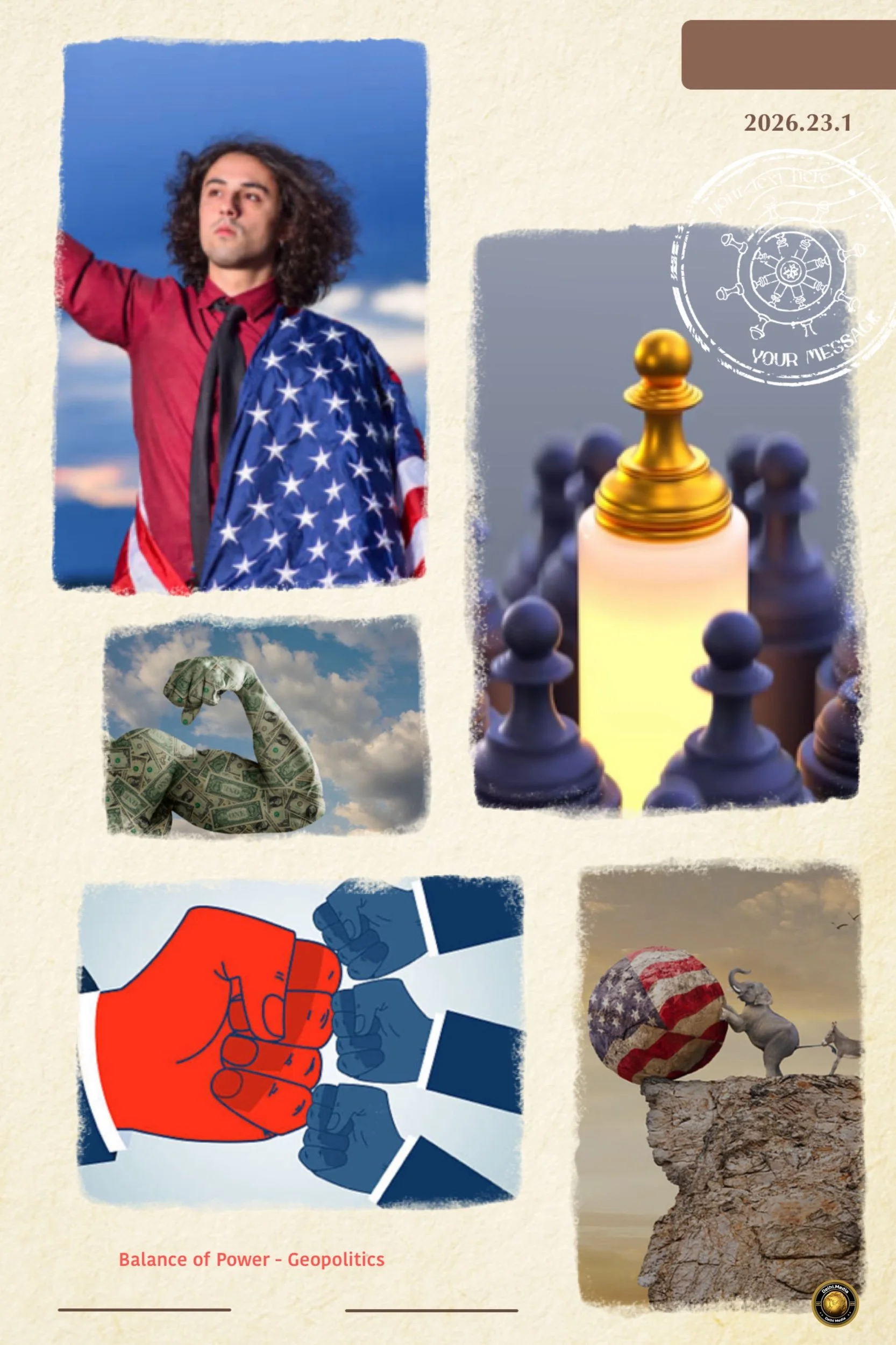
Allies in Retreat: Countries Pulling Away from a Threatening America
Executive Summary
For many years, most countries saw the United States as a strong but mostly safe partner.
America was powerful, but it was also predictable, and it usually tried to protect its friends. Today that picture is changing.
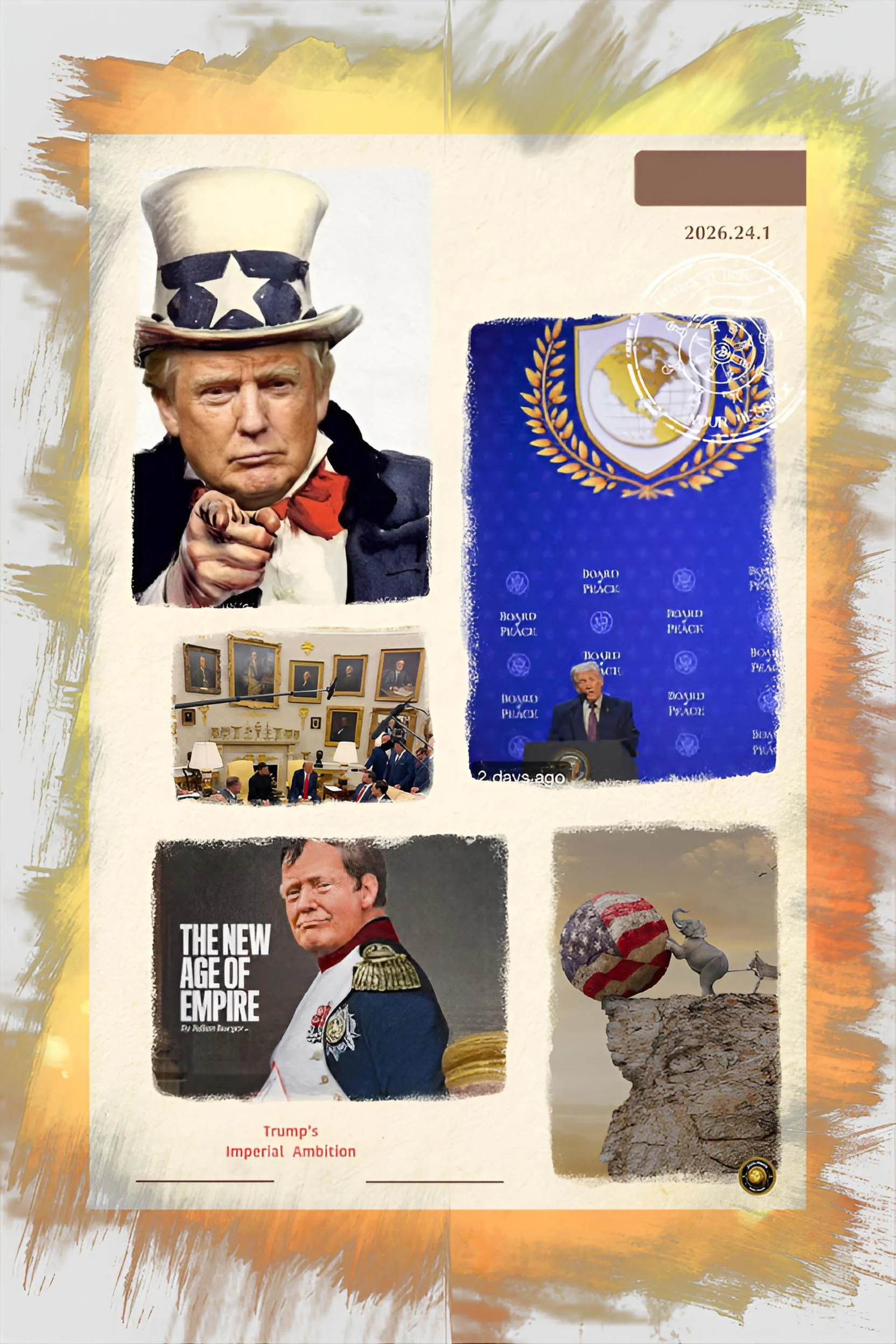
Under President Donald Trump, the United States often behaves like a bully, even toward its closest allies. It threatens trade wars, questions defense promises, and speaks about other countries’ territories as if they were things to be taken.
This change has forced many governments to ask a hard question: if the main superpower in the world is no longer fully trustworthy, what should we do?
Some are starting to step back a little from America, to build new partnerships with each other, and to make plans in case the United States turns against them in the future.
FAF article explains that shift in simple language.
It introduces the idea of “balance of power” and “balance of threat” with everyday examples.
The article then describes how America used to be seen, what Trump has done differently, how leaders such as Canada’s Mark Carney are reacting, and what this might mean for global politics and for ordinary people.
Understanding balance of power in simple terms
Imagine a schoolyard. One kid is bigger and stronger than everyone else. If that strong kid is kind and fair, many others will want to be friends with them. They feel safer standing next to someone who can protect them if trouble starts.
Now imagine that same strong kid starts to push people around, take their lunch money, and threaten anyone who disagrees.
At first, the smaller kids may still stay close, hoping the bad behavior will stop. But if it continues, they will start to whisper to each other: “We should stick together. Maybe if we all stand up at once, the bully will think twice.”
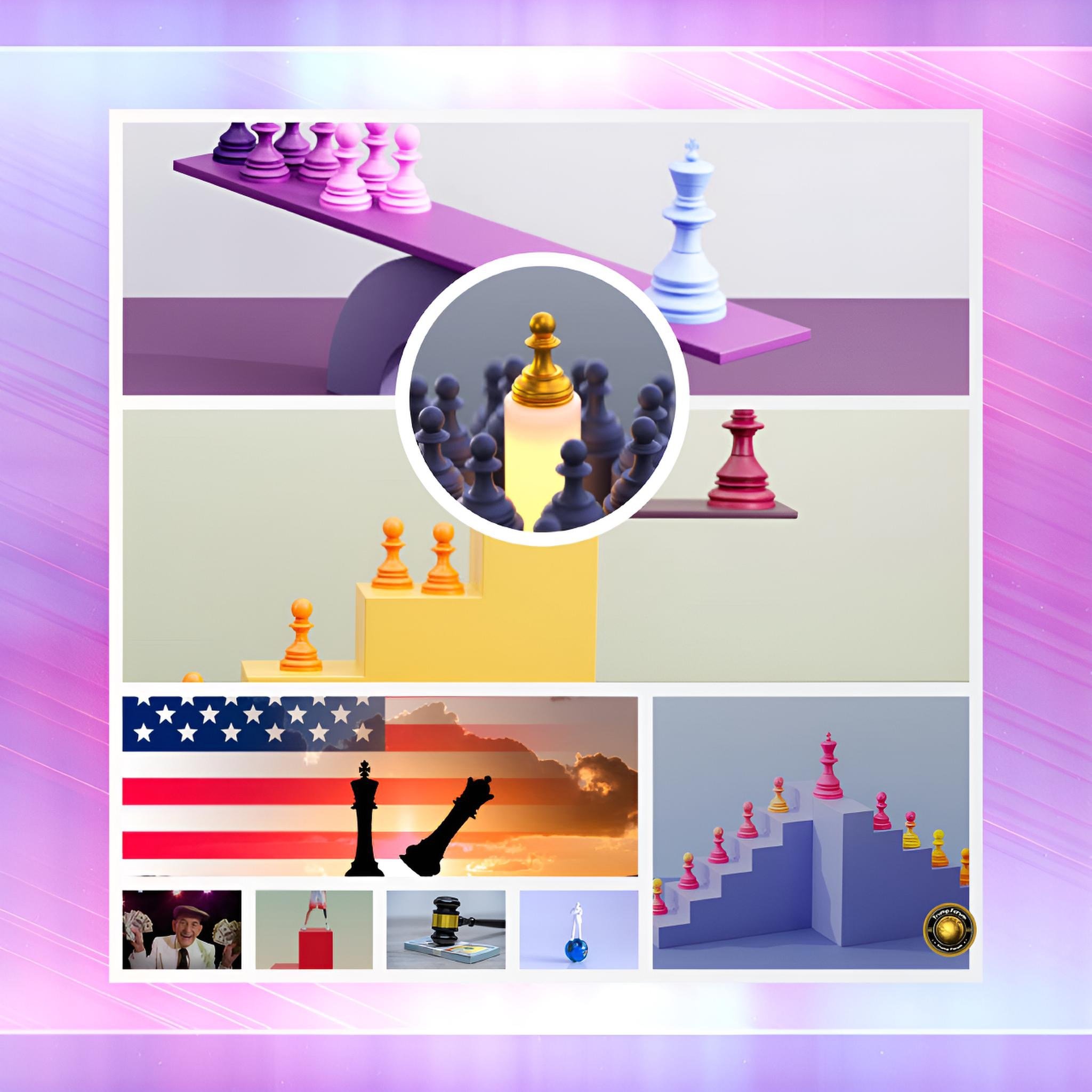
This is the basic idea behind balance of power.
In world politics, countries are like those kids in the schoolyard. No one wants to be completely at the mercy of a much stronger state. So when one country becomes too strong and starts to act in a threatening way, others usually react by getting stronger themselves or by joining together in alliances.
But there is an important twist. Countries do not balance against power alone.
They balance against threat. A strong country that mostly plays by the rules, respects its neighbors, and protects its friends is less scary than a slightly weaker country that bullies others and tries to grab land.
So when leaders decide whom to fear and whom to align with, they ask not only “Who is strong?” but also “Who is dangerous?”
This second idea—balance of threat—is central to what is happening now with America and its allies.
How America used to look: powerful but not too scary
For much of the period after World War II, the United States was the biggest kid in the global schoolyard. It had the largest economy, the strongest military, and a huge network of bases around the world. Yet many countries did not see it as a bully. They saw it as a leader and, in some cases, as a protector.
There were several reasons for this.
First, geography. The United States is far from Europe and Asia, separated by two large oceans. It did not sit right on top of its allies in the way the Soviet Union did during the Cold War. That distance made it feel a bit less threatening.
Second, behavior. The Soviet Union kept huge armies close to Western Europe and talked about spreading its system everywhere. That felt aggressive.
By contrast, the United States said it wanted to defend freedom, keep trade routes open, and support its allies. Even when Washington did bad things—like backing coups or fighting messy wars—many allies still believed that, overall, it was on their side and did not want to conquer them.
Third, benefits. U.S. allies got a lot from the relationship. They received security guarantees, military help, access to the American market, and a say—though not always a decisive one—in the shared institutions that the United States built after 1945. For many countries, it seemed cheaper and safer to “ride along” with American power than to oppose it.
Because of all this, the classic pattern of weaker states balancing against the strongest power did not quite appear. After the Soviet collapse, there was no big anti-American alliance.
Instead, most major countries either stayed friendly with the United States or tried to avoid direct confrontation. The United States was very powerful, but not widely seen as a direct threat to its closest partners.
What changed with Trump: from partner to problem
Donald Trump’s first term already worried many allies. He called NATO “obsolete,” complained constantly that allies were “ripping off” the United States, and threatened trade wars not just with rivals but also with partners such as Canada and the European Union. Still, many leaders hoped that institutions, Congress, and U.S. public opinion would limit the damage. Perhaps, they told themselves, this was a temporary storm.
His return to the White House has been different. Trump now has fewer internal checks and a clearer sense of how to use his office to get what he wants. He has displayed three types of behavior that especially alarm allies.
First, trade as a weapon. Trump uses tariffs and tariff threats like a club. He raises or threatens to raise taxes on imports from friendly countries whenever he wants something from them, even when the issue has nothing to do with trade. For example, he has tied tariff threats to disputes over migration, defense spending, and even territorial questions such as Greenland.
Second, threats to security ties. Trump repeatedly questions whether the United States should defend its allies and whether those allies would defend America. He speaks of NATO protection as if it were a service that can be turned on or off depending on whether countries pay enough or buy enough American weapons. For states that have relied on U.S. guarantees for decades, this sounds like a landlord threatening to kick them out of their own homes unless they meet his latest demands.
Third, talk about “taking” territory. The Greenland episode stands out. Trump has pushed the idea that the United States should control Greenland, a vast island that is part of the Kingdom of Denmark. He has mixed this with trade threats and harsh words toward Denmark and other European partners who oppose him. To many Europeans, this sounds like a return to the old age of great powers grabbing land from smaller states. Even far-right parties that used to admire Trump’s stance on immigration have distanced themselves over this issue.
All of this, taken together, has changed how America looks in the eyes of its allies: less like a sometimes clumsy friend, more like a big, unstable neighbor who might turn on you if it suits him.
Mark Carney and the “third path”
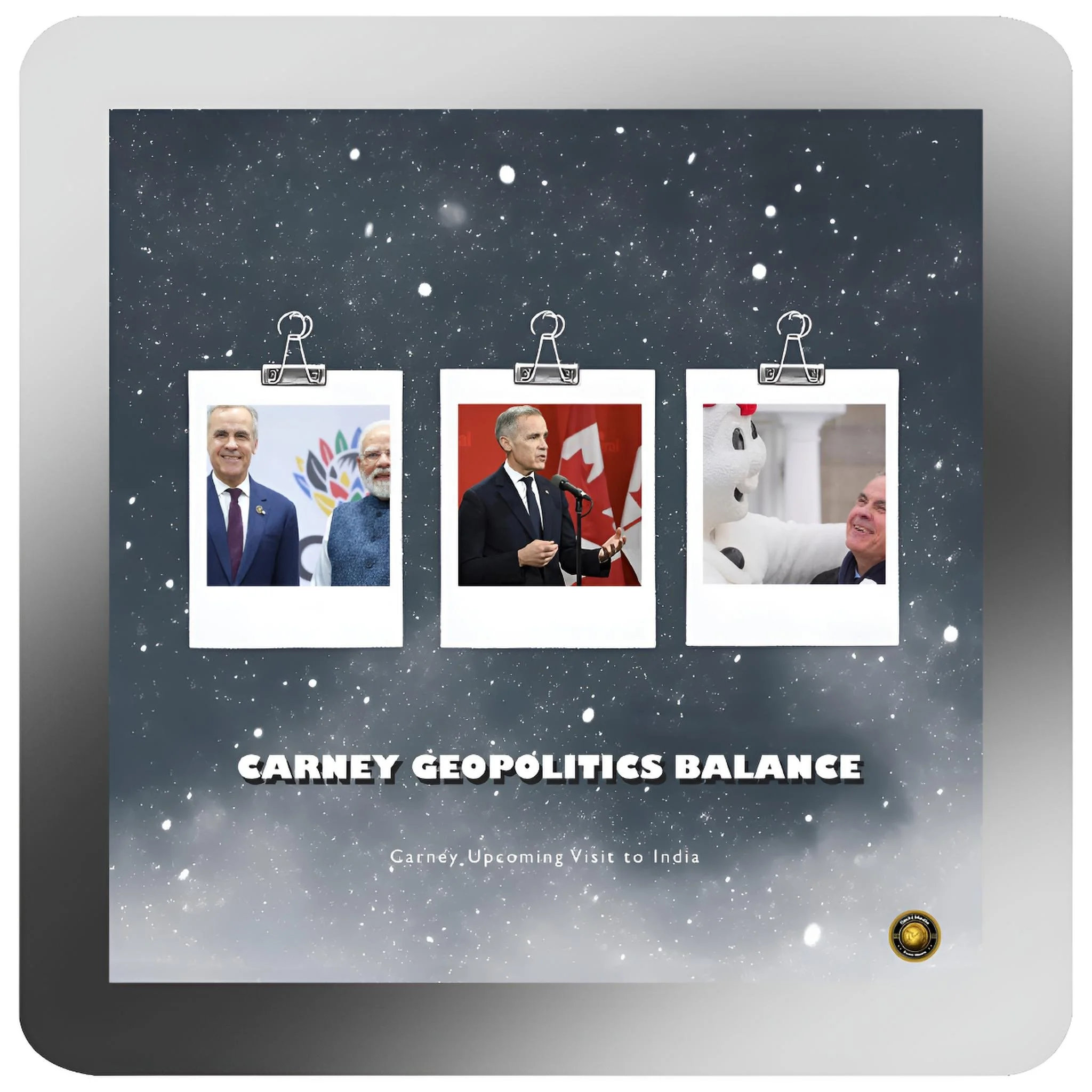
One of the clearest signs of this shift came from Canada’s Prime Minister Mark Carney. Canada has long been one of America’s closest partners—sharing a long border, deep trade links, and a tight security relationship. In the past, Canadian leaders almost always avoided public criticism of Washington.
At the World Economic Forum in Davos, Carney sent a different message. He argued that the old “rules-based” order is not coming back and that middle powers—countries that are not superpowers but still influential—face a choice: compete for favor from the big players or join together to create a “third path” that gives them more impact and independence.
Carney did not shout or insult. He did not even always name the United States directly. But the target was obvious. He spoke about big powers using economic pressure to force others into line and about the need for countries like Canada to work with each other so that they are not “on the menu” when the powerful start carving up the world.
In later remarks at home, Carney pushed back directly against Trump’s claim that “Canada exists because of the United States.” He answered that Canada flourishes because of Canadians, and that while the two countries have built an extraordinary partnership, this does not mean Canada must accept any demand that comes from Washington.
For Canada to take this public stance marks a major break with its usual caution. It shows that even America’s friendliest neighbor is worried enough to talk openly about building options beyond the U.S. shadow.
How other allies are reacting
Canada is not alone. Across Europe and Asia, governments are rethinking how much they can rely on the United States. Their reactions differ by region and by how close they are to other threats, but some common themes stand out.
In Europe, leaders had already been discussing “strategic autonomy”—the idea that Europe should be able to act on its own in defense and foreign policy. For years, this talk moved slowly. Many European states were comfortable under the U.S. security umbrella and did not want to spend more on defense. Now, Trump’s behavior has given this debate new energy. European governments worry not only about Russia or terrorism but also about being caught in the crossfire of U.S. trade wars, sanctions, and personal feuds. They are talking more seriously about building their own military capabilities, coordinating foreign policy, and creating financial tools that can bypass U.S. pressure.
The Greenland crisis has sharpened these anxieties. When Trump threatened Europe with tariffs and pressure over an island that is part of a NATO ally, it forced many leaders to ask: if the United States is ready to punish us over something so sensitive and symbolic, what might it do in the future? That question does not encourage trust.
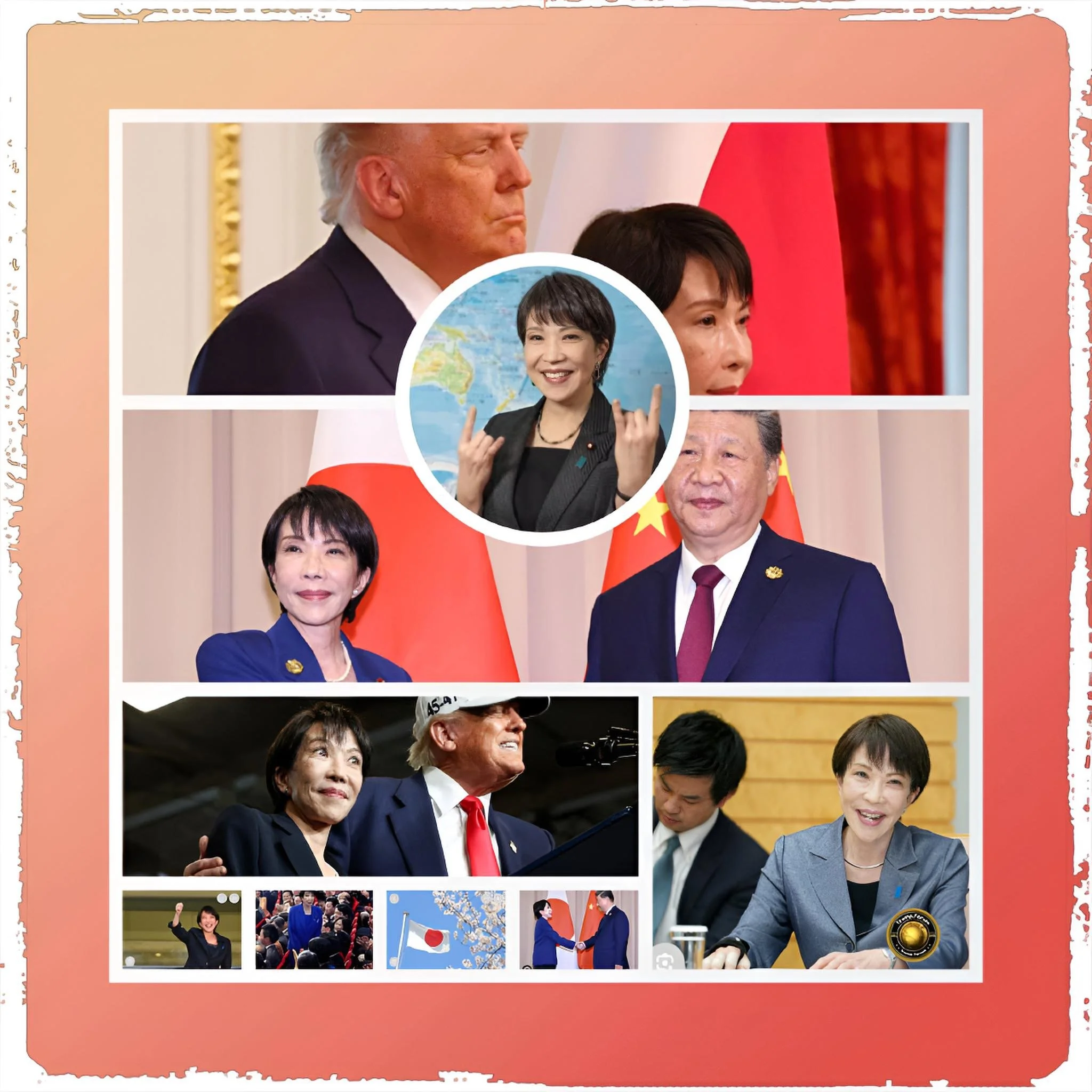
In Asia, the picture is more complicated. Many countries there worry deeply about China’s rise and still see the United States as a vital counterweight. At the same time, they depend heavily on trade with China and cannot afford a clean break. When the U.S. defense strategy downplays confrontation with China but focuses attention on other issues, such as migration and crime in the Americas, allies in Asia fear Washington may not be as committed as before to their region’s security.
To protect themselves, countries like Japan, South Korea, and Australia are increasing their own defense budgets, building closer ties with each other, and keeping strong economic links with China. In practice, this means they are hedging—preparing for different futures, including one where U.S. support is weaker or more conditional than in the past.
Even in smaller U.S. partners, such as Thailand, harsh policies like visa freezes and sudden bans have created a sense of betrayal. People who had planned to study, work, or build families in the United States have seen their hopes crushed by decisions that appear arbitrary and political. Those experiences filter back into how societies see America—not just as a land of opportunity, but also as a place that can shut the door without warning.
Why this matters for ordinary people
It might be tempting to view these developments as distant diplomatic games. But they have real consequences for everyday lives.
When trust in alliances weakens, the chance of miscalculation goes up. If European leaders doubt whether the United States would really defend them in a crisis, they may feel forced to act more aggressively on their own or to make rushed deals with other powers to avoid being left alone. That can lead to unstable compromises or to local arms races.
Trade conflicts also affect jobs and prices. Tariff threats against allies create uncertainty for businesses that rely on cross-border supply chains. When Canada wonders whether its exports might be hit by sudden U.S. duties, its firms hesitate to invest. European companies that fear U.S. sanctions for trading with certain countries may lose markets, even as their competitors elsewhere step in. Consumers can end up paying more for goods or losing access to certain products altogether.
Migration and visa rules shape families and careers. When policies change overnight and whole countries find themselves blacklisted, ordinary people bear the cost. Students cannot start programs, spouses are separated, and skilled workers are sent home. Over time, talented individuals may decide to move elsewhere, weakening the United States’ long‑standing advantage as a magnet for global talent.
Finally, a world where allies quietly step back from America is a world with more centers of power and fewer shared rules. That can be good in some ways—no single country should decide everything—but it can also mean more room for local conflicts, more rival trade blocs, and less ability to coordinate on big issues like climate change or pandemics. When trust is low, cooperation becomes harder, even when everyone knows it would help.
Cause and effect: from perception to action
To see how this all fits together, it helps to return to the idea of balance of threat. The core claim is simple: when countries start to view a powerful state as a danger, they gradually change their behavior to protect themselves.
First, their perception changes. Leaders look at Trump’s tariffs, insults, and demands and conclude that the United States may not respect their interests or sovereignty. They notice that he is willing to pressure even close partners in ways that previous presidents reserved for rivals.
Second, they feel more vulnerable. If the U.S. market can be closed off overnight, if defense promises can be questioned in a speech, if sensitive territories can be turned into bargaining chips, then deep dependence on the United States looks risky.
Third, they start to hedge. They do not cut ties completely—the costs would be too high—but they take small, careful steps to reduce their exposure. They sign more trade deals with other countries. They invest in their own military industries. They meet quietly with other middle powers to coordinate positions. They talk openly about “third paths” and “strategic autonomy.”
Fourth, those steps begin to add up. Over time, the United States finds that its influence has weakened. Allies are less willing to automatically follow its lead. They ask more questions, demand more say, and sometimes simply refuse. The very behavior that was meant to show strength—such as using tariffs to force quick deals—ends up pushing others to build ways to live with less American power.
There is also a domestic side to this story. When foreign leaders watch Trump attack his own courts, media, and civil servants, they see a country where internal checks are under stress. If U.S. institutions struggle to control the president at home, why should allies expect them to restrain him abroad? That doubt feeds into the overall sense of threat.
Possible futures: three simple scenarios
Looking ahead, it is useful to imagine three broad futures, even if reality will probably mix elements of all three.
In the first future, nothing really changes in Washington’s approach. Trump or someone with similar views continues to treat allies as burdens and tools. Tariffs and threats remain central to U.S. diplomacy, and talk of taking territories like Greenland or punishing “ungrateful” partners continues. In this world, allies will slowly but surely move away. They will still cooperate when it suits them, but they will no longer count on the United States to be the steady protector it once was. Global politics will feel more crowded and more tense.
In the second future, U.S. leaders realize that this path is harmful. Maybe businesses, military officers, and voters push back hard enough. Maybe a crisis shows how much America still needs allies. In response, Washington returns to a more respectful style: disagreements are handled through quiet talks, not public humiliation; security promises are reaffirmed, not questioned; trade disputes are managed through rules, not sudden tariffs. Allies, reassured, slow their hedging. The world remains messy, but the sense of shared purpose partly returns.
In the third future, middle powers become the real drivers of change. Tired of waiting for Washington to stabilize, they push ahead with building their own networks. Canada works more closely with Europe and parts of Asia. European states build stronger defense and foreign-policy tools that do not rely on U.S. approval. Asian democracies strengthen their ties with each other and with partners such as India. The United States is still important, but it becomes one powerful player among several rather than the center of a single system.
For ordinary people, the third future could mean more choice of where to live, trade, and seek protection—but also more confusion and more competing rules. For the United States, it would mean less automatic influence and more need to persuade rather than demand.
Conclusion
In a sense, nothing truly new is happening. The balance-of-power logic that shaped earlier centuries is reasserting itself. When the strongest state in the system begins to look dangerous, others start to balance against it. They do not wait for disaster; they quietly prepare, talk to each other, and look for ways to reduce their dependence.
What is new is the identity of the potential target. For much of modern history, the United States helped other countries balance against clear aggressors—Nazi Germany, the Soviet Union, and, more recently, regional bullies. Now, through a mix of carelessness and deliberate choice, Washington is making itself look like a problem to be managed, not just a partner to be courted.
Mark Carney’s warning in Davos captured this shift in calm but firm language. The old order is not coming back on its own. Middle powers cannot simply trust that the biggest player will always act in their interest. They must work together to shape a “third path” that protects their sovereignty and values, even when the superpowers drift.
Whether the United States adjusts course will determine how far this balancing goes. If it rediscovers the value of allies and the power of leading by example, the damage can still be limited. If it continues down the current road—treating friends as targets, territory as a trophy, and trade as a weapon—then the world will adapt in the only way it knows: by quietly building defenses, forming new partnerships, and stepping back from a superpower that has forgotten how to be trusted.