Summary
A Simple Overview: The Greenland Story
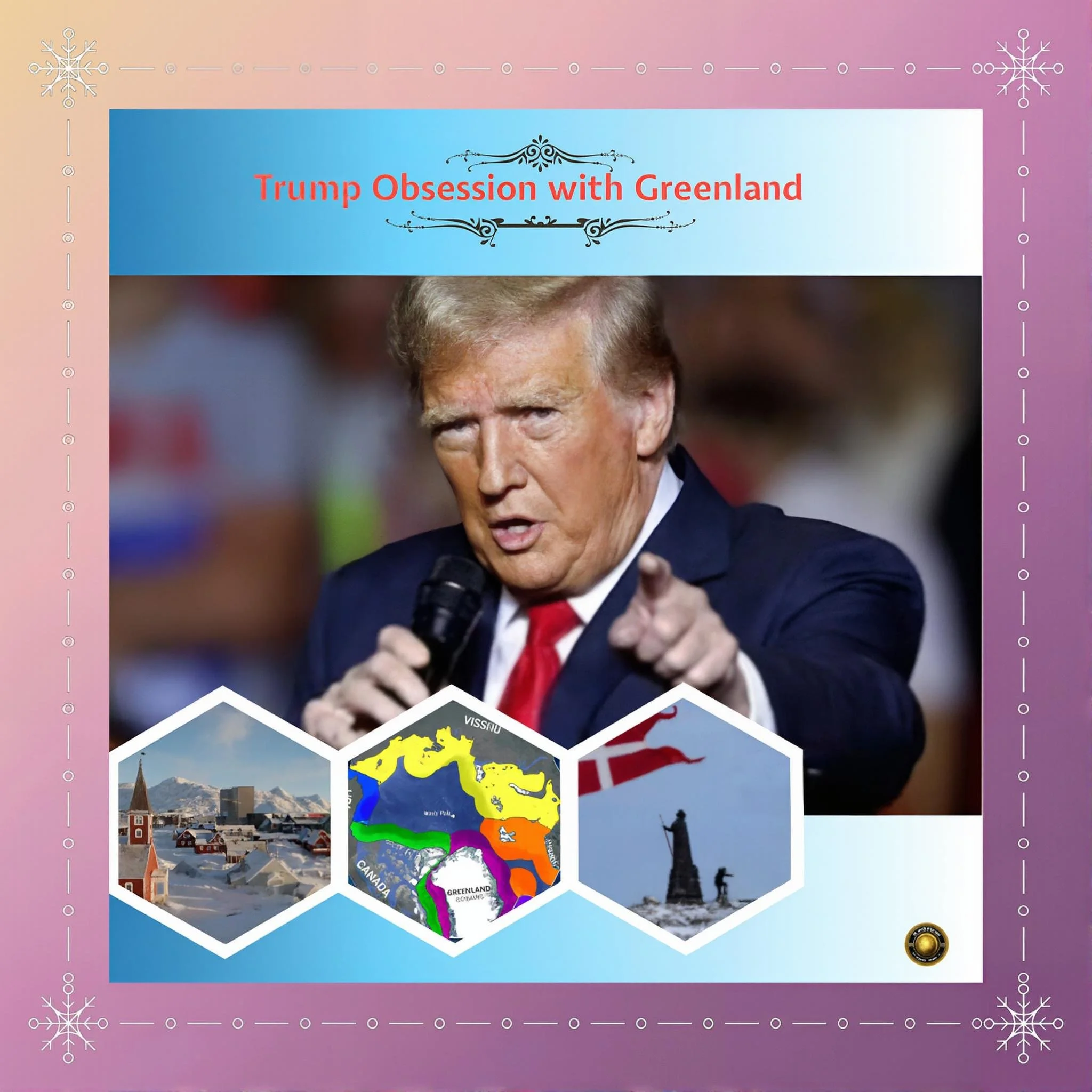
President Trump has been demanding that the United States should own Greenland, a large Arctic island that currently belongs to Denmark. This sounds strange to most people, but Trump believes it is important for American security.
In January 2026, he even threatened to put taxes on goods from eight European countries if they did not support giving Greenland to the United States.
However, after talking with NATO's leader Mark Rutte, Trump changed his mind about the tariffs and said he would not use military force to take the island. But he is still interested in making some kind of deal with Denmark about it.
What Is Greenland and Why Does Trump Want It?
Greenland is a huge piece of land in the Arctic Ocean. It belongs to Denmark, but it has its own government that runs many local things. About 57,000 people live there. It is very cold and covered with ice. However, it sits in a location that is becoming more important because of changes in the world.
Trump thinks America needs to own or control Greenland for three main reasons. First, he says that China and Russia are becoming very active in the Arctic region.
These two countries are sending ships and military equipment there, trying to become more powerful in that area. Trump believes that if America controls Greenland, it can stop China and Russia from doing what they want in the Arctic. He mentions something called the "Golden Dome," which is a missile defense system. This system would work better if America had Greenland.
Second, Trump says that Greenland has valuable things under the ground. The Arctic is becoming easier to reach because ice is melting. This means companies can dig up minerals and metals that are expensive and needed by manufacturers around the world. Trump wants America to control these resources so they do not go to China or Russia.
Third, Trump claims that America has spent a lot of money protecting Denmark during World War II and after. He thinks Denmark has not taken good enough care of Greenland's defenses. So, he believes America deserves to have Greenland as payment for all the money America has spent helping Europe.
A Real Comparison to Understand Trump's Thinking
Imagine you gave money to your friend to help him protect his house from bad neighbors. Years go by, and you think your friend is not protecting the house well enough. So you tell your friend: "I should own your house because I paid for protection." Your friend says "No, the house is mine." But instead of accepting this answer, you say: "Okay, I will stop being your friend and charge you extra money unless you give me the house." This is similar to what Trump has been doing with Denmark and Greenland. He is using economic punishment to force Denmark to agree with his demands.
How Trump Made His Demands
The Greenland situation got worse very quickly in January 2026. Trump started by saying he wanted to buy Greenland. When Denmark and Greenland said "no," he got more aggressive. On January 18, 2026, he announced that he would put a 10 % tax on all goods from eight countries: Denmark, Norway, Sweden, France, Germany, the United Kingdom, the Netherlands, and Finland.
These taxes would start on February 1 and become even higher (twenty-five percent) on June 1 if Denmark did not agree to let America buy Greenland.
This was shocking to European leaders. They could not believe that Trump was punishing his allies for protecting their own territory and helping keep the Arctic safe. Swedish Prime Minister Ulf Kristersson said: "We will not allow ourselves to be blackmailed."
French President Emmanuel Macron said these taxes made no sense. Germany, Italy, Spain, and Poland all agreed that Trump was wrong.
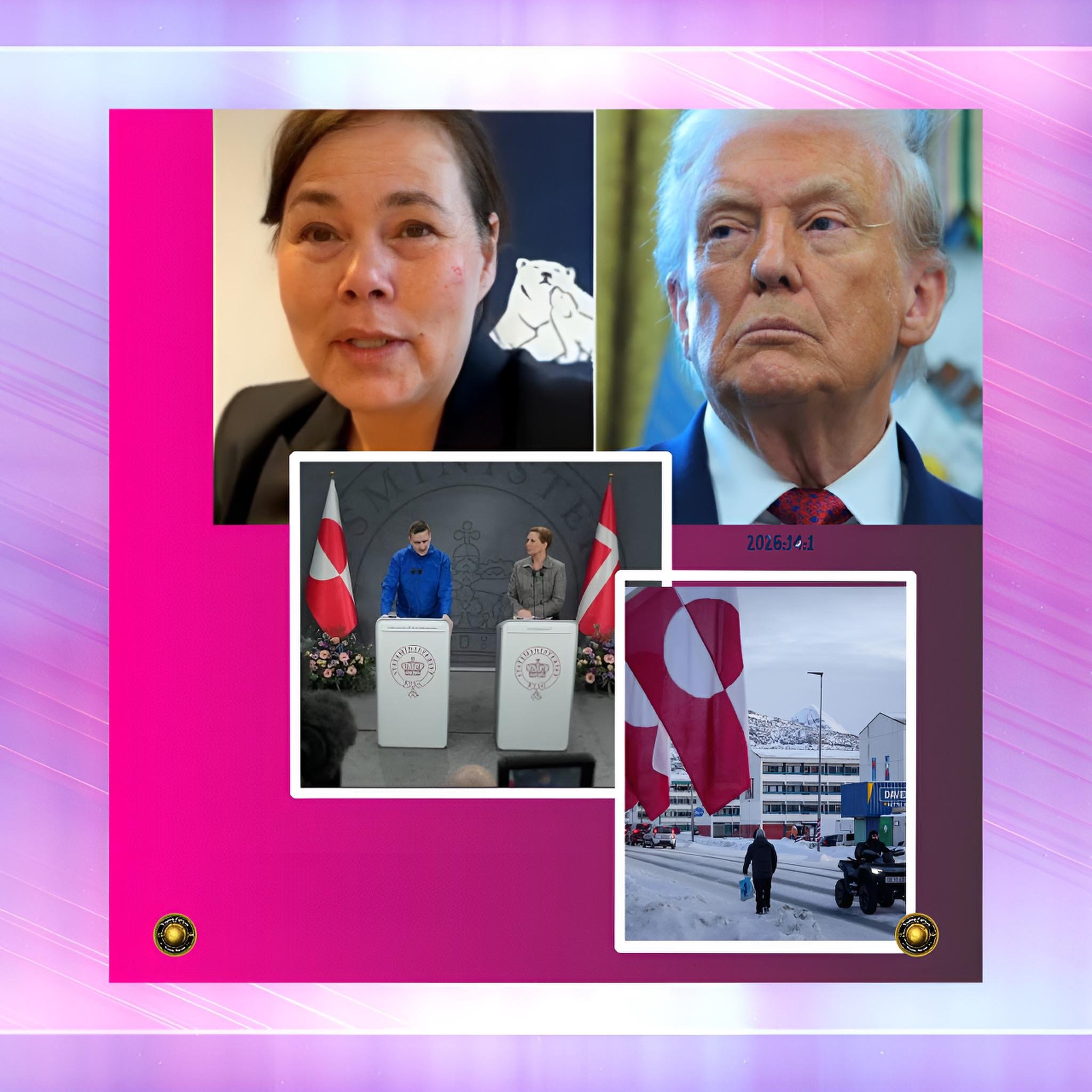
In Greenland itself, the government was worried. Prime Minister Jens-Frederik Nielsen told people to keep emergency supplies at home.
The government gave out handbooks telling people to have five days of food, water, and fuel ready.
This made people understand how serious the situation felt. Most people in Greenland did not want to become part of America. They preferred to stay with Denmark, and many wanted Greenland to become completely independent instead.
What Changed Trump's Mind
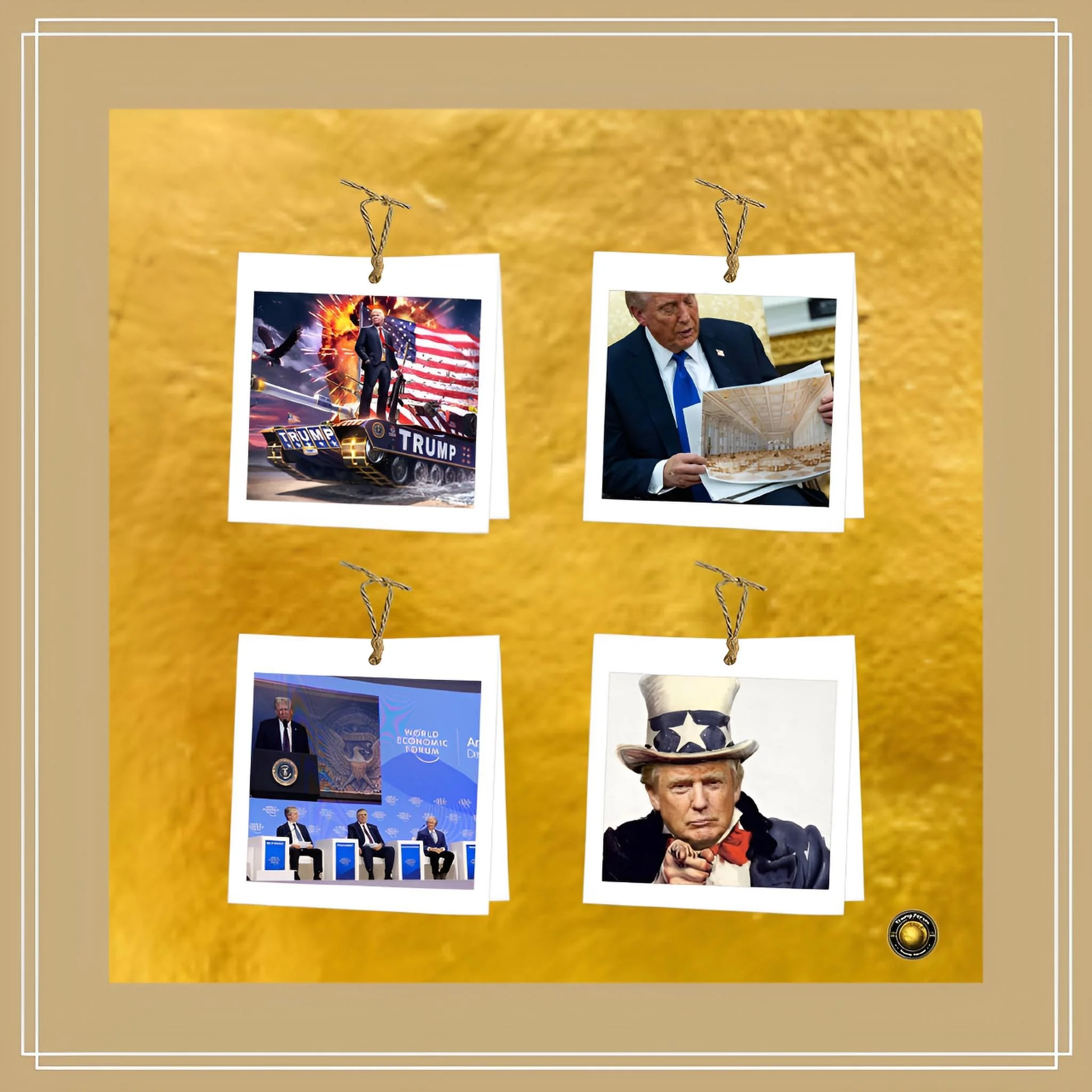
By January 20, 2026, something important happened. NATO's chief, Mark Rutte, had a meeting with Trump in Davos, Switzerland. Rutte is a smart negotiator. He convinced Trump that he could get something that would help America without actually taking Greenland.
Trump also heard from people inside his own government who told him that using military force to take Greenland was a bad idea.
Trump announced that he would not use the military to take Greenland. He also said he would not put those taxes on the eight countries. Instead, he said America and NATO would work together on a "framework" (which means a plan for how to work together) about Greenland and Arctic security. Trump claimed this was a big success for America.
However, Trump never said exactly what this framework would be. He said it was "complex." European leaders were relieved that Trump stopped threatening them, but they remained worried.
Danish Foreign Minister Lars Løkke Rasmussen said: "The problem is still there. Trump still wants to get Greenland. We will not sell it."
Why Is the Arctic So Important?
The reason everyone is interested in the Arctic now is climate change. Because the Earth is getting warmer, the ice in the Arctic is melting. This creates new shipping routes and makes it possible to reach minerals that were frozen under ice before.
Russia and China know this is important, so they are sending more ships and military equipment to the Arctic.
General Alexus Grynkewich, who is in charge of NATO's European forces, explained this problem. He said that Russia and China are working together in the Arctic. They are doing surveys to understand the underwater geography. They are planning how to use these new shipping routes. He said: "They are not studying seals and polar bears. They are figuring out how to fight NATO in this region."
This is a real concern for Europe and America. But many experts think that Europe's countries, working together through NATO, can handle this problem without America needing to own Greenland.
How Europe Responded
European countries did something unusual: they united against Trump. Usually, European countries disagree about things, but on this issue, they all said the same thing.
Eight countries issued a joint statement saying they support Denmark completely. They said that making decisions about Greenland should only be Denmark and Greenland's choice, not America's choice.
These countries also sent troops to Greenland to show they were serious about protecting it.
They called this Operation Arctic Endurance. Trump got angry about this because he thought it was a response to his threats. But the countries said they were just doing military exercises to practice working together.
This united response surprised Trump. He expected some countries might leave Denmark's side to avoid his taxes. But they did not. This shows that even though many Europeans worry about America's reliability, they are still willing to work together when their sovereignty is threatened.
Europe Is Now More Independent
The whole crisis changed how Europe thinks about depending on America. For many years, Europe relied on America's military strength to protect them. But Trump has shown that America's help might not be automatic anymore. Trump said that Europe might need to spend more money on their own military instead of depending on America.
This is already happening. Germany announced a huge increase in defense spending. Poland is spending more. Finland and Sweden, which recently joined NATO, are building up their military forces. Smaller countries are making plans to protect themselves.
This could be good—more defense spending makes Europe stronger. But it also means Europe is less dependent on America, which might change the whole relationship between Europe and America.
What Happens Next?
Nobody knows exactly what this "framework" means that Trump and Rutte agreed on. It could mean different things. One possibility is that America will get more military bases in Greenland and more say in how Greenland is protected. Another possibility is that America will get special rights to dig up minerals in Greenland. Or it could mean that America will just be involved in decisions about Arctic security along with other NATO countries.
Denmark has said clearly that Greenland is not for sale. Greenland's government also said they do not want to be part of America. So, Trump cannot actually buy Greenland or force it to become part of America without breaking many international laws.
But Trump might keep trying through other means. His government has talked about trying to influence what Greenlandic people think. He might use the "framework" to get more control over Greenland bit by bit, rather than taking over all at once. Or he might lose interest if something else becomes more important to him.
What Does This Mean for International Law?
When Trump threatened to force Denmark to give up Greenland, he was breaking rules that the whole world agreed to follow. There is a United Nations rule that says countries cannot take land from other countries by force or threats. This rule has been around since 1945, and America helped create it.
Many experts say that Trump's actions were illegal under international law. But Trump said that America's security needs are more important than international law. If big powerful countries can ignore international law, then smaller countries lose protection. This is dangerous for global peace.
What If Russia or China Does Something Similar?
This is the worry that many experts have. If Trump can threaten to take Greenland from Denmark, what stops Russia from taking more land from Ukraine? What stops China from taking Taiwan? Other countries might say: "If America ignores international law, so can we." This could make the whole world less safe.
Some countries, like Russia and China, have already broken international law by taking land from other countries. If America breaks these same rules, America loses the right to complain about what Russia and China do.
Lessons for Greenland and Denmark
Greenland and Denmark learned important lessons from this crisis. They learned that they cannot depend completely on America to keep them safe. They have to be ready to defend themselves. Denmark has sent more soldiers to Greenland and is spending more money on military equipment.
People in Greenland learned that they might face threats from big powerful countries.
The government gave them handbooks telling them to prepare for emergencies. Most Greenlanders understand now that their small population (only 57,000 people) means they need powerful allies. Greenland still chooses Denmark as its main ally, and many Greenlanders want complete independence while staying friendly with Denmark and NATO.
Lessons for Europe
Europe learned that it cannot believe everything America says anymore. European leaders now assume that America might change its mind or make new demands. This makes them nervous. But it also makes them stronger because they are preparing to defend themselves instead of just depending on America.
Germany's leaders decided to spend much more money on military equipment. France's leaders talk about Europe being independent from America. Smaller countries are joining together to share defense responsibilities. This could make Europe more united, but it could also divide Europe from America over time.
Lessons for America
Trump's actions have costs for America too. America's friends in Europe are less trusting. They wonder if America will help them when they really need it. America has to spend more time on negotiations and threats instead of working on bigger problems like China's power growing in Asia.
The "framework" that Trump announced shows that even the most powerful country in the world cannot always get what it wants just by threatening people. Trump wanted to buy Greenland. He could not. Instead, he had to accept a deal that lets him claim victory but does not actually give him Greenland.
Conclusion
A Complicated Situation
Trump's demands for Greenland seemed crazy to most people, but they show real changes in how America is approaching world affairs. Trump thinks America should get what it wants because it is the most powerful country. But the world has rules designed to stop powerful countries from taking what they want by force or threats.
Denmark and Greenland stood firm. They said "no" to Trump's demands. European countries united together. This shows that even though America is powerful, it cannot do everything it wants. The "framework" that Trump announced means this particular crisis probably will not turn into a military conflict.
However, the crisis left important changes. Europe is building stronger defenses. Europe is becoming less dependent on America. The rules that protect smaller countries from powerful ones seem weaker now. And Trump has shown that America might ignore international law when its leaders think it is important.
For Greenland specifically, the fear of becoming part of America has lessened. Most Greenlanders will keep living their normal lives. But they will remember that a powerful country tried to take their home. They will probably make more plans to protect themselves. And they will think more seriously about what it means to be important to big powerful countries like America, China, and Russia.
The lesson for all countries is simple: in 2026, the old rules about respecting each other's borders are becoming weaker. Countries need to be ready to stand up for themselves and work with their neighbors to stay safe. That is the real story behind Trump's interest in Greenland.
"When a Superpower Demands: How a Small Arctic Island Tested the Rules of Global Politics"