Executive Summary
The Ultimatum: Trump's Davos Speech Changes Everything for America and the World
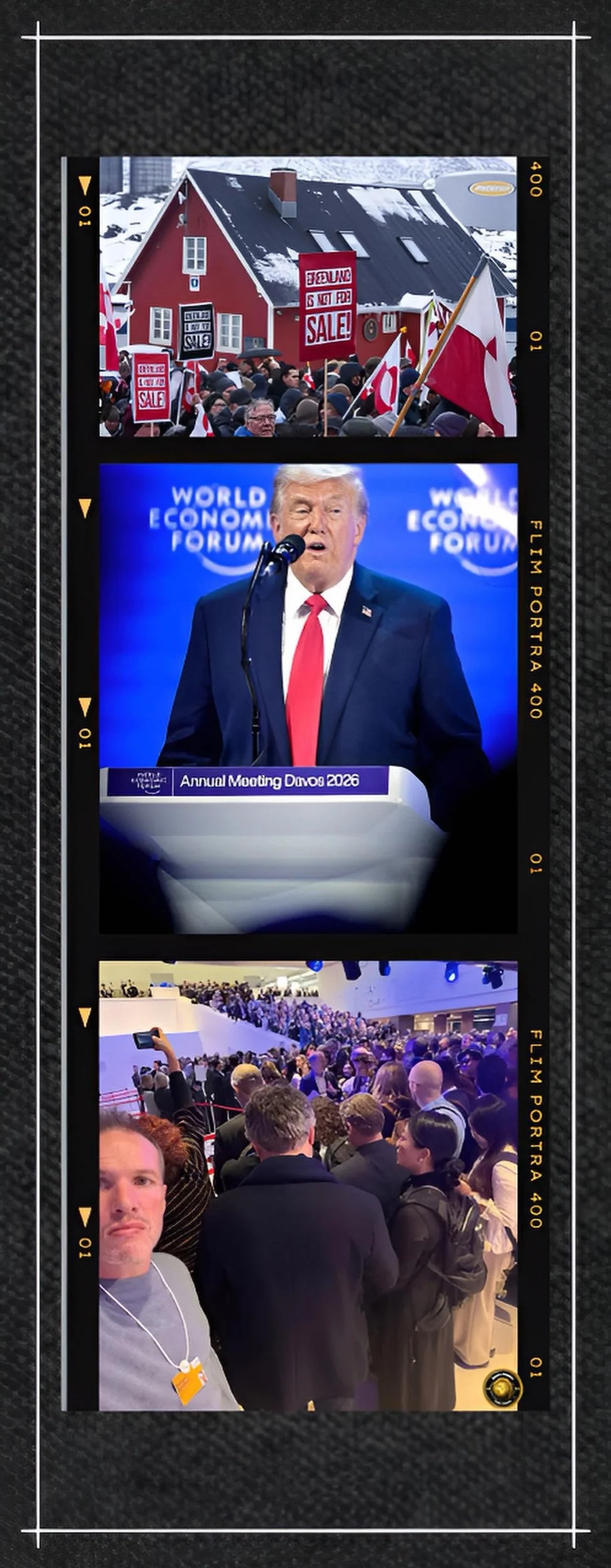
When President Trump walked into the World Economic Forum at Davos on January 21, 2026, nobody knew what to expect. What they got was a bombshell.
In an explosive hour-long address, Trump drew the world's attention with radical demands: he wants to buy Greenland from Denmark, he's threatening European allies with massive tariffs, and he's rewriting the rules of international diplomacy.
The speech revealed a president who is willing to challenge everything about how America has operated for the past 75 years. He's threatening allies, making deals with former enemies, and putting America's interests above everything else. Here's what happened at Davos and why it matters to you.
Introduction
Europe's Last Warning: The Day Trump Made Allies into Enemies
Davos is where the world's most powerful people gather once a year to talk strategy, make deals, and shape the future. It's a place where diplomats speak carefully, business leaders network quietly, and everyone tries to find common ground. But Trump blew that script up the moment he took the stage.
Davos Gets a Dose of Trump Reality
For over an hour, Trump went on the offensive.
He criticized Europe, attacked Canada's Prime Minister personally, talked about buying Greenland like it was a piece of real estate, and declared victory over inflation while the data told a different story
Room Silent at Davos
The room sat in stunned silence, with nervous laughter breaking out occasionally. This was not the normal Davos experience. This was raw, unfiltered Trump diplomacy playing out in front of the world's most important leaders.
The stakes?
Nothing less than the future of America's relationships with its allies, the structure of global trade, and the possibility of ending the Ukraine war—even if it means Ukraine loses.
The Greenland Gambit: Why Trump Wants an Icy Island Nobody Else Cares About
History: Why Trump Thinks America Got a Bad Deal
To understand why Trump is so angry, you need to look back.
After World War II, America emerged as the world's superpower.
It rebuilt Europe with the Marshall Plan, created NATO to protect Europe from Soviet threats, and basically became everyone's security guarantor.
In return, America got influence, markets for its goods, and military bases around the world.
For 75 years, this worked. America was the boss, and everyone else followed.
But Trump thinks America got the short end of the stick. He looks at the bill and sees: America spends massive amounts protecting European countries through military bases, weapons, and soldiers stationed overseas.
Meanwhile, Europe sells more stuff to America than America sells to Europe, leaving America with a trade deficit.
Trump's thinking is simple: America is being ripped off.
So at Davos, Trump came to renegotiate everything. He did not come to make friends or smooth things over. He came to rewrite the rules and make sure America gets a better deal. Think of it as the biggest hostile takeover of a business partnership in history—except the "business" is the entire Western alliance system.
The Big Bombshell: Trump Wants Greenland and He's Not Joking
When the President Demands the Impossible: Trump Wants to Buy Greenland
The headline that shocked everyone was Greenland. Trump did not just mention it in passing. He spent significant time explaining why America needs to own this massive frozen island that belongs to Denmark.
His argument
Greenland sits in the Arctic, and in the future, climate change will make the Arctic more important militarily and economically.
China and Russia might try to set up military operations there. If America does not own Greenland, Trump says, America could be in danger. So his solution is simple—America should buy it.
Here is how Trump framed it?
"This vast, unsecured island is fundamentally part of North America. We require it for both national security and international stability."
When Denmark said absolutely not, Trump pulled out his biggest weapon: tariffs. He threatened to slap a 10 % tax on Danish goods starting February 1, rising to 25 % by June.
That would devastate Denmark's economy. Similar threats went to eight other European countries, including France, Germany, and the Netherlands.
But here is the twist?
Days later, Trump announced he had reached a "framework" for a deal with NATO's Mark Rutte.
The tariffs got suspended. Nobody knows what's in the deal—maybe mineral rights for America in Greenland, maybe military base expansion, maybe something else entirely. But Trump gave up the tariff threat, which makes people think he might be backing down.
Don't believe it. Trump is just changing his negotiating tactics.
The goal remains the same: America needs Greenland, or at least America needs to control what happens there.
Europe Faces a Reckoning: Trump Lays Down the Law
Trump's speech was a systematic takedown of Europe. He did not hold back.
Attack on Green energy?
First, he attacked green energy with brutal directness. "Windmills are failures," he declared. "China makes all the windmills, but I can't see any windmills in China. They sell them to stupid people in Europe and make fortunes." His message: Europe paid billions for solar panels and windmills to fight climate change, and it hurt their economy without even helping the climate.
For example, a factory in Germany that paid €10 per hour for energy in 2015 might pay €15 by 2026 because of green energy transition costs.
That extra cost means the factory might move to Poland or Asia where electricity is cheaper. Europe loses jobs; Trump is happy.
Attack on immigration?
Second, Trump attacked immigration. "Certain places in Europe are frankly not even recognizable anymore," he said, a subtle way of saying: "You've let in too many immigrants and it has changed your society." He said this like it was obvious that Europe had destroyed itself.
Attack on why NATO ?
Third, he called out NATO as a bad investment. America pays the most, he says, but gets nothing back. "The United States is treated very unfairly by NATO. We give so much, and we get so little in return."
Attack on global leaders?
Then came the personal attacks.
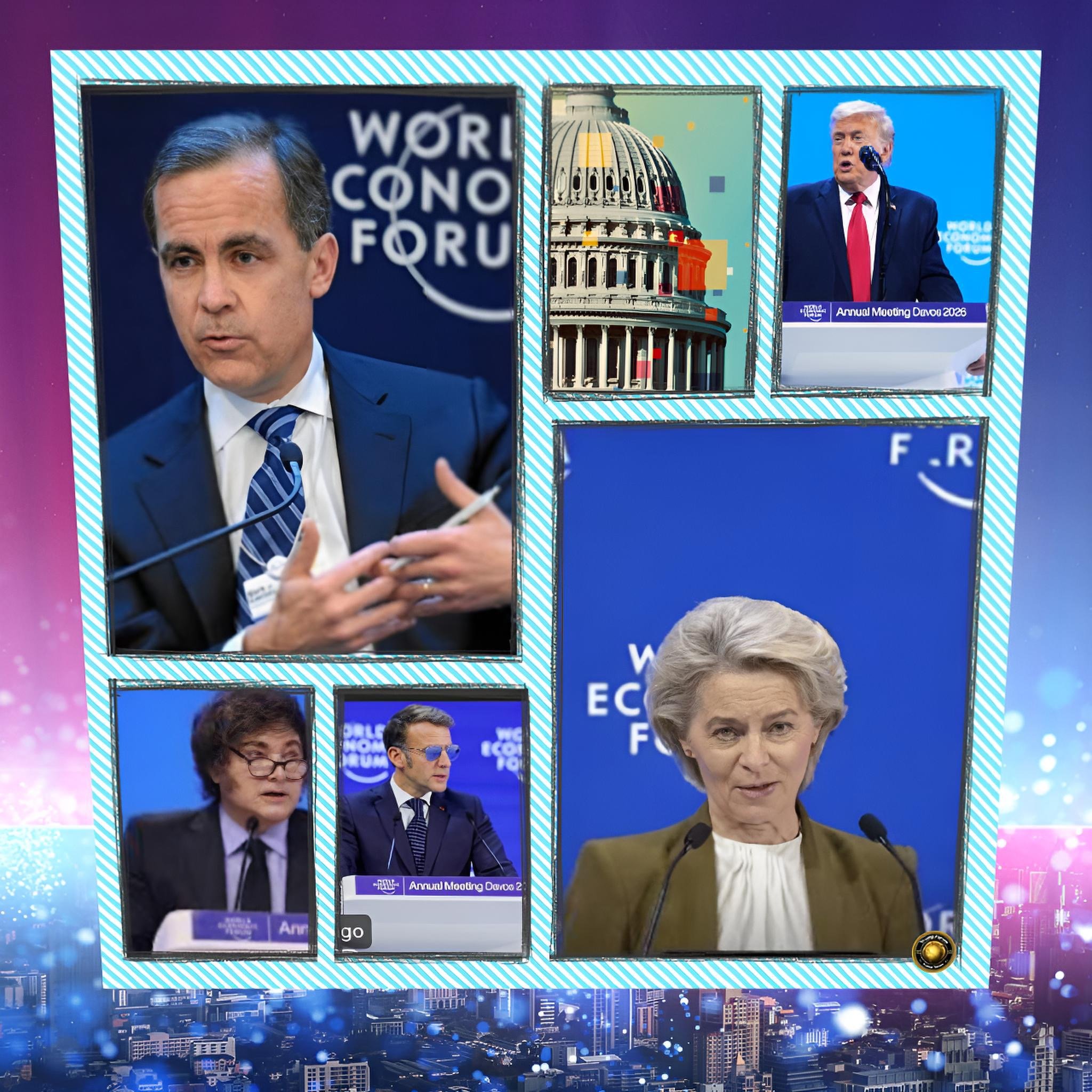
Trump singled out Canada's Prime Minister Mark Carney, who had given a speech the day before suggesting that America's global dominance was ending. Trump's response was brutal: "I watched your Prime Minister yesterday. He wasn't grateful. Canada should be grateful. Canada lives because of the United States."
The message was clear: other countries exist because of America. They should act grateful, or else.
The Ukraine Wildcard
Ukraine's Dangerous Moment: How Trump Could End the War and Lose the Peace
Trump claimed he is on the verge of ending the Ukraine war. He said: "I believe they're at a point where they can come together and get a deal done. And if they don't, they're stupid."
Here is the problem: Nobody actually knows what deal Trump has in mind. Some experts worry he will pressure Ukraine to give up territory it controls—basically rewarding Russia for invading. Trump's message seems to be: "End the war now, whatever it takes."
Board of peace?
Trump created something called the "Board of Peace" that supposedly will bring parties together to solve global conflicts.
He claimed Putin accepted the invitation (Putin said he is still thinking about it). He said he would meet Zelensky at Davos to discuss next steps. But Putin can’t come to Davos? ICC? Remember ?
Why this matters hugely?
If Trump forces Ukraine to give up the Donbas region or Crimea just to end the war, two things happen:
First, Ukraine loses territory it believes is rightfully theirs.
Second, Russia gets rewarded for invasion, which sends a signal to China that invading Taiwan might work, and to other countries that conquest is acceptable.
The Takeover Nobody Saw Coming: America's Power Play in Venezuela
Venezuela: Trump Shows His Muscle
In January 2026, the United States military struck Venezuela and captured the country's dictator, Nicolás Maduro. Venezuela has the world's largest oil reserves, and Trump wanted access to them.
Trump said: "Venezuela is going to make more money in the next six months than they've made in the last 20 years."
What he did not say: America is essentially occupying Venezuela until a new government takes control. American companies are pumping Venezuelan oil and selling it globally. Venezuela is getting a cut, but America is getting the money and the control.
This action reveals something crucial about Trump: He is willing to use military force to achieve his goals, especially in the Western Hemisphere. It also shows that Trump sees the world differently than traditional diplomats. To him, if you own the oil, you own the country's future.
Economic Boasts vs. Reality: The Numbers Game
Trump claimed economic victory. He said inflation has been "defeated" and is now "virtually non-existent." He claimed grocery prices, gas, and rent are all falling. He boasted about reducing the trade deficit by 77 percent in one year.
Following the Money: Why Trump's Economic Claims Don't Match Reality
But here is what the actual data shows:
Inflation is down from 3 percent to 2.7% —which is better, but still above the 2 % target that experts want.
Core inflation (excluding food and energy) is actually 2.6 % . Some prices did drop, but many essentials like food and electricity are still expensive.
The trade deficit reduction claim is exaggerated.
While it did improve, the 77 % figure appears inflated. And here is the real kicker: When Trump puts tariffs on imported goods, companies usually pass those costs to American consumers. So Americans end up paying more at the store, even if Trump claims inflation is down.
Trump also claimed he cut federal spending by $100 billion and reduced the deficit by 27 %.
These numbers are hard to verify and appear overstated. But how 27%? What about the yearly debt payment of $8.7 trillion?
The trade deficit with China was over $340 billion in 2023. Trump's tariffs have reduced this, but the pain is being felt by American businesses and consumers buying imported goods.
The Bottom Line: Trump's Economic Scoreboard Is Mixed at Best
Tariffs and Trade Wars: When Allies Become Enemies
Trump's tariff strategy is his hammer for everything. When he did not get his way on Greenland, he threatened tariffs. When Europe criticized him, tariffs. When companies did not follow his wishes, tariffs.
The problem: Trade wars hurt everyone. When America puts a 10-25 %tax on European goods, European countries retaliate with taxes on American goods.
American farmers, car manufacturers, and consumers end up paying more. Prices rise. Businesses hire fewer people. Unemployment goes up.
Think of it like this: Imagine your town and the neighboring town argue, and both build walls that make it impossible to trade.
Your town loses money because you cannot sell apples to the neighboring town anymore. The neighboring town loses money because they cannot buy your apples. Everyone is worse off.
That is what a trade war does?
But Trump sees it differently. He thinks tariffs force countries to buy American goods instead of imports. He thinks they bring manufacturing jobs back home. The data suggests it is more complicated than that.
Latest Facts: What We Know for Sure
Here is what actually happened at Davos:
(1) Trump demanded Greenland, threatened Denmark with tariffs, then announced a "deal framework" when Mark Rutte negotiated with him (details unknown)
(2) He attacked green energy aggressively, calling windmills "failures" and "sold to stupid people"
(3) He publicly criticized Canada's Prime Minister Mark Carney and said Canada "should be grateful" to America
(4) He said the Ukraine war could be solved soon with a peace deal, suggesting territorial negotiations are on the table
(5) He announced the "Board of Peace" but details are vague, and Putin has not confirmed he will participate
(6) He boasted about economic achievements that economists say are exaggerated
(7) He threatened more tariffs on different countries if they do not comply with American demands
(8) He discussed Venezuela's oil wealth as America's to manage and benefit from
From Partnership to Pressure: How America's Oldest Allies Became Negotiating Targets
The European Response: Shock and Concern
Europe did not know how to react. Some countries quietly cheered—they thought Trump was joking about Greenland. Others got angry. Several suspended trade negotiations with America as a protest.
British newspapers called Trump's speech "bellicose" (warlike) and questioned whether he was serious. German officials expressed concern about NATO's future. French diplomats questioned whether Europe could really depend on America anymore.
The overall European message: "We need to think about defending ourselves without America."
This is historically significant. For 75 years, Europe depended on America for security. Now Trump is forcing them to consider independence.
This could lead to Europe building up its own military, making deals with other countries, or even reconciling with Russia.
Cause and Effect: What Trump Wants and What It Means
Why Trump Thinks This Strategy Works
Trump fundamentally views the world as a zero-sum competition. If another country gains, America loses. If America gives money to NATO, America loses that money. If America does not own Greenland, America is vulnerable.
Because of this worldview, Trump believes:
Demanding more from allies makes them respect America more
Using tariffs as a weapon forces countries to obey
Military strength is the only language countries understand
America should prioritize its own interests above everything else
This explains why he demands Greenland, threatens tariffs, intervenes in Venezuela, and tries to force peace in Ukraine. It all fits together in Trump's mind.
A Trade War Nobody Wins: The Cost of Trump's Tariff Strategy
What This Could Mean for the World
If Trump succeeds with his strategy, the world changes dramatically:
(1) America becomes a transactional power rather than a trusted ally. Countries will do what America demands because they fear punishment, not because they believe in partnership.
(2) Europe will build its own military. NATO might weaken or dissolve. European countries might eventually make their own deals with Russia or China.
(3) Trade becomes weaponized. Countries will retaliate with their own tariffs. Prices go up. Economic growth slows. Poor countries suffer most.
(4) Small countries realize they have no choice but to obey big countries. Greenland, Taiwan, and smaller nations face increased pressure from their powerful neighbors.
(5) Wars become more likely because countries cannot depend on American protection. China might invade Taiwan. Russia might invade other European countries.
(6) Ukraine loses territory as Trump forces a peace deal that rewards Russian invasion.
Future Steps: What Will Happen Next
Trump Will Keep Pushing on Greenland
Even though he suspended tariffs, Trump will not forget about Greenland.
Expect new approaches: military base expansions, mineral rights negotiations, strategic partnerships with Greenland's politicians, or long-term lease arrangements. This saga will drag on for years.
Europe Will Get Tougher Internally
European countries will accelerate spending on their own militaries. They will work together more on defense. They might also start negotiating with countries outside the Western alliance.
The Ukraine Deal Will Come, but at a Cost
Trump will push Ukraine and Russia toward a deal. Ukraine will probably have to accept losing the Donbas region or other territory.
This will upset Ukraine's European allies but will make Trump happy because he can claim victory on ending the war.
Tariff Negotiations Will Dominate 2026
Trump will continue using tariffs as his primary negotiating tool. Expect dramatic threats followed by partial suspension of tariffs when countries partially comply. This cycle will repeat.
The Dollar's Role May Weaken
If America is seen as an unreliable partner, other countries might reduce their dependence on the dollar for trade.
This could weaken American economic power over time.
Conclusion
The World Holds Its Breath: What Happens When Trump Rewrites the Global Rules
A New World Order Emerges
Trump's Davos speech was not just another political address. It was a declaration that the old world order is dead and a new one is being born. For 75 years, America led the Western world based on shared values of democracy and free trade. Countries followed because they believed in America's leadership and wanted security.
Trump is replacing that with something different: pure power politics.
America will stay strong. America will get what it wants. Other countries will obey because they have no choice. This is transactional diplomacy, not partnership.
The question for Europe, Canada, and America's other allies is:
Do we negotiate with Trump and accept his demands?
Do we stand together against him?
Or do we make individual deals and hope for the best?
The next few years will decide whether America remains the leader of the Western world or becomes just another powerful country playing power politics. It will also decide whether the world becomes more stable or tips toward conflict.
Trump came to Davos with a message: The old deals are over. America wants new ones. And Trump is willing to shake the world to get them.