Why America's Plan to Change Iran Won't Work: Simple Lessons from What Happened in Iraq and Afghanistan
Summary
When the United States tried to force change in other countries, things usually went wrong. Let's look at what happened and what it means for Iran right now.
What happened in Iraq?
Iraq is a perfect example. In 2003, America invaded Iraq to remove Saddam Hussein. The invasion was quick and successful—American military forces destroyed the Iraqi army in weeks. But then came the hard part: actually running the country and getting people to accept a new government.
America put billions of dollars into building a new Iraqi army and installing a new government. But the problem was that the Iraqi government that America supported was seen by many Iraqis as a puppet created by foreigners.
When Iraqi soldiers were trained by Americans, they learned American military tactics and needed American weapons, supplies, and air support. When American troops left, the Iraqi army fell apart because it couldn't survive without American help.
More importantly, the new Iraqi government favored Shia Iraqis over Sunnis.
This created such anger that eventually ISIS rose up and took over parts of Iraq. Iraq today is worse off than before the invasion, and Iran now has more influence there—the opposite of what America wanted.
Afghanistan another reminder!
Afghanistan followed the same pattern. America spent twenty years and over two trillion dollars. But when American troops withdrew, the Afghan government collapsed in just weeks.
Why? Because the government was built to work only with American support.
Afghan soldiers couldn't fight without American air power and supplies. Afghans saw their government as America's creation, not their own. So when the Americans left, Afghans stopped supporting the government.
The lesson is clear: you cannot force a country to change from outside.
A government built and run by foreigners will collapse as soon as the foreigners leave. People don't support governments they see as puppet regimes.
Now let's look at what actually worked?
Poland
In Poland in the 1980s, Polish workers organized through the movement Solidarity to oppose the communist government. America or the West didn't lead this.
Polish people themselves did it. They didn't ask America to invade Poland or tell them how to organize. They organized their own movement. When the movement became too big and powerful, the Polish communist leadership actually sat down and negotiated with Solidarity.
Poland changed government not because outside powers forced it, but because Polish people organized inside Poland and created so much pressure that the government had to negotiate.
South Korea and Taiwan!
South Korea and Taiwan also became democracies, but not through foreign invasion or outside pressure.
In both cases, the leaders of the governments themselves decided it was time to allow more freedom. The change came from inside those societies, with their own people deciding what they wanted.
The message for Iran is important!
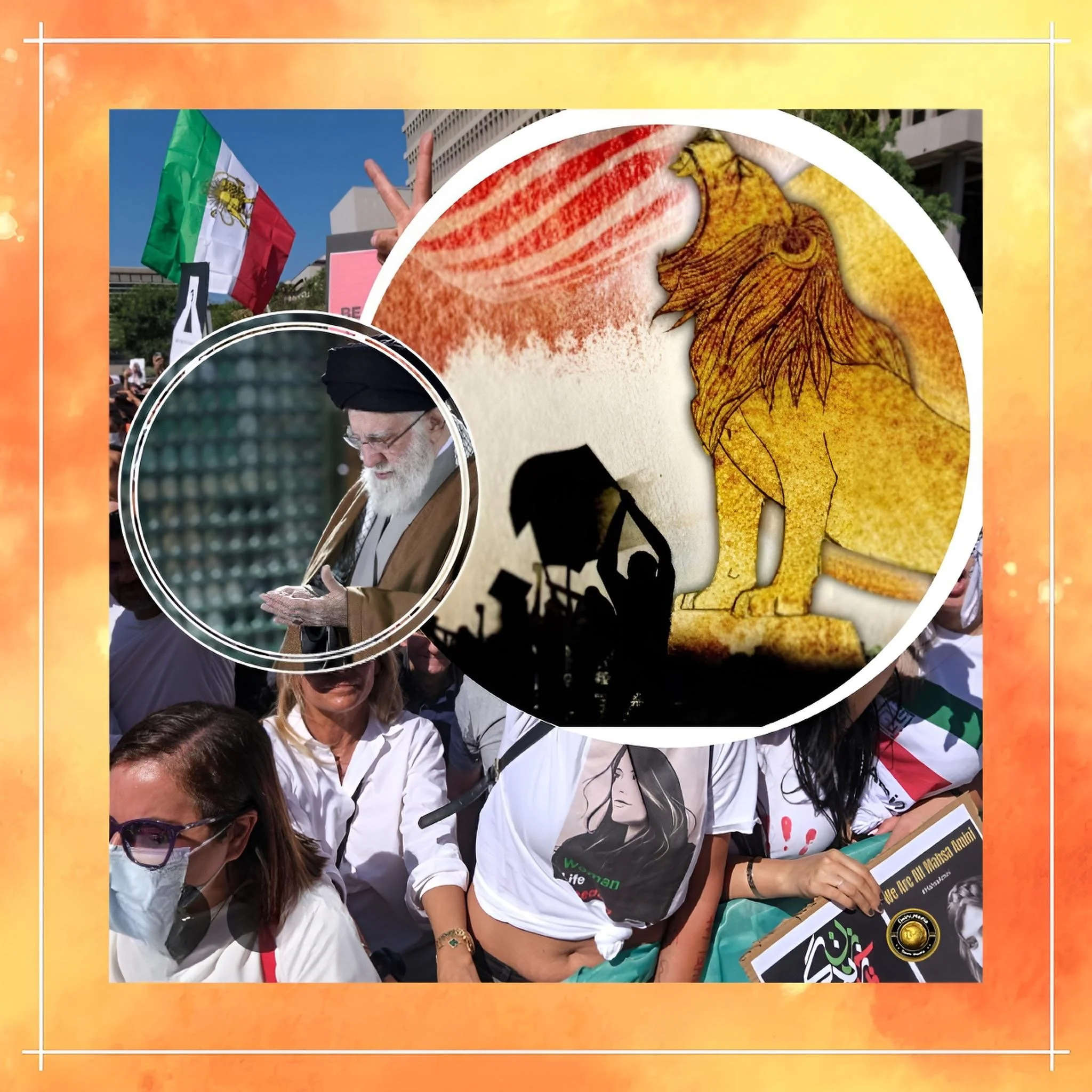
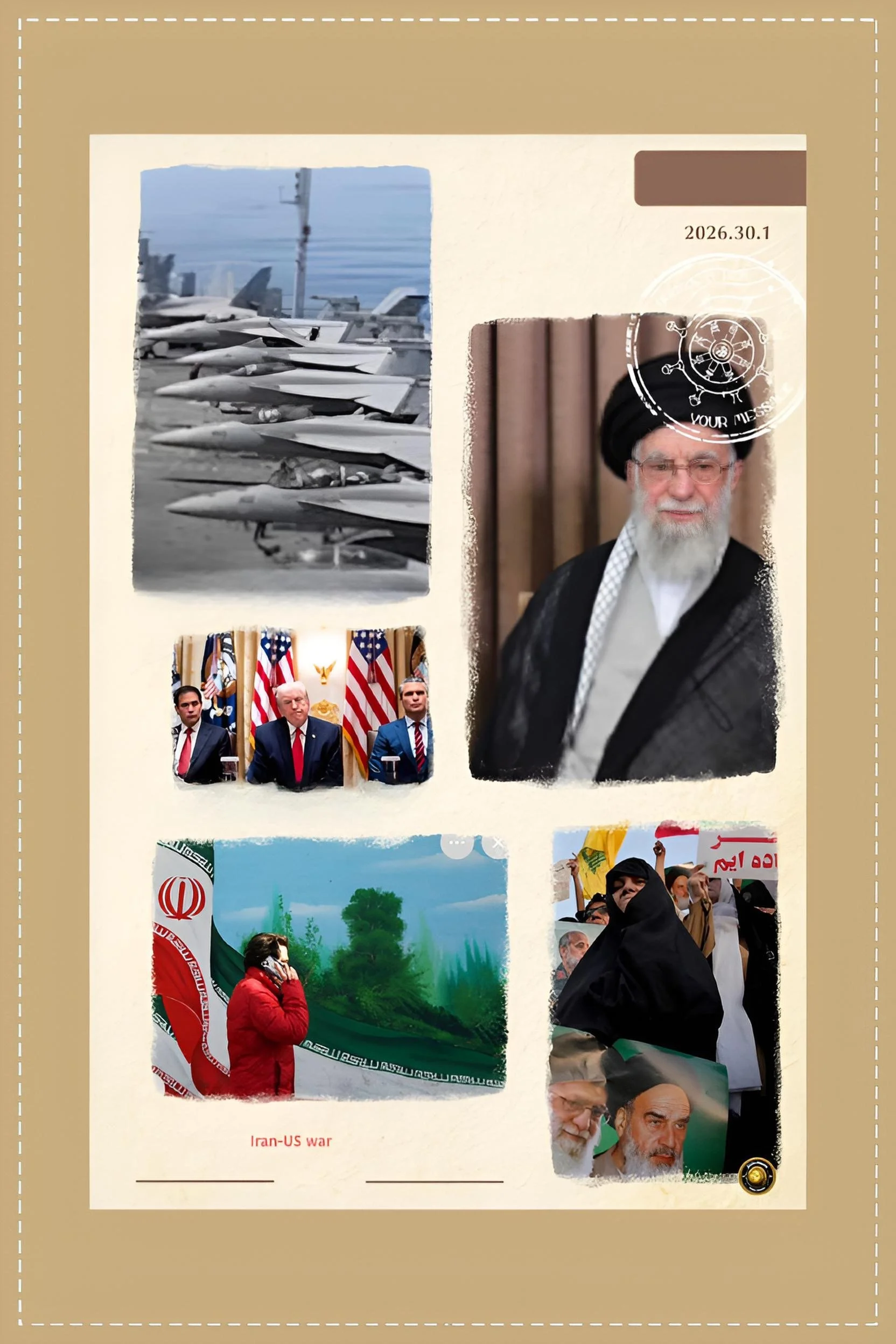
Right now, Iranians are protesting against their government. These protests are happening because Iranians are angry about their economy, their government's failures, and lack of freedom.
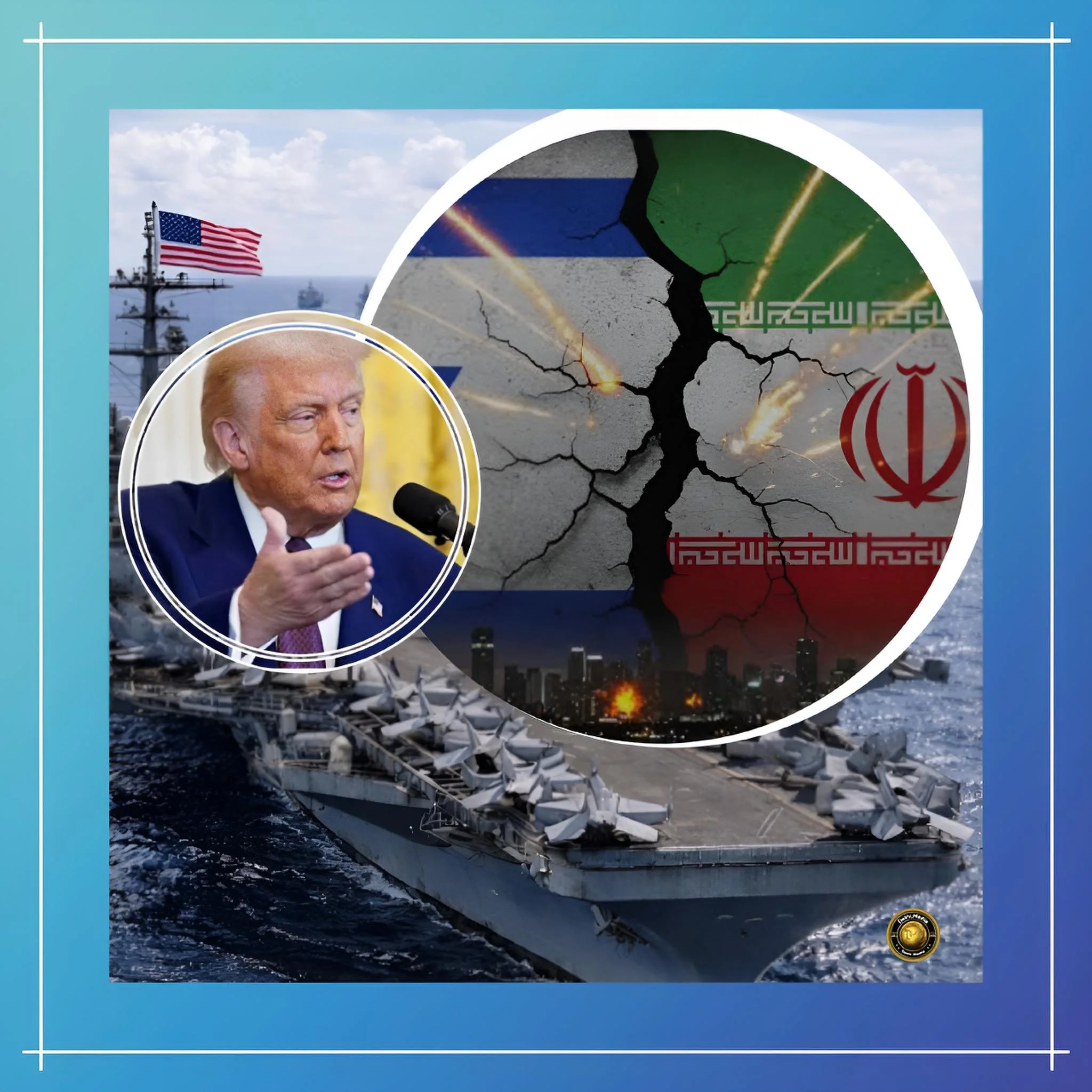
This anger is real and it comes from inside Iran. But if America tries to force change through bombs or extreme pressure, something bad happens: Iranians stop looking at their own government's failures and start looking at America as the enemy.
When people feel their country is under attack from outside, they rally around their government, even if they dislike it. It's like if you hated your boss but then an outsider came and attacked your boss—you'd probably defend him, even though you dislike him.
Also, if opposition leaders in Iran look like they're being controlled or supported by America, Iranians won't trust them. People want leaders who represent their own country, not leaders who seem to be following American orders. This is especially true in Iran because America has a history of interfering in Iranian politics.
America’s true option!
So what should America do instead? Here's what the evidence suggests works better.
First, apply pressure on Iran but make it clear that you're trying to constrain Iran's nuclear weapons and harmful activities, not trying to overthrow the government or control what kind of government Iran has. That's different.
Second, support Iranian human rights groups and opposition figures quietly, without making it obvious that you're directing them.
Third, make it clear to Iran's leaders that if they give up nuclear weapons and stop supporting terrorist groups, sanctions will be lifted and Iran can do business with the world again. This gives them a reason to negotiate without making them look like they're surrendering to America.
The hardest part is patience. Real change in countries takes time. America can't make it happen faster by using military force or extreme sanctions. What America can do is create conditions where Iranians themselves decide their country needs to change. That's what worked in Poland and South Korea. That's what will work in Iran. Countries don't become free because foreign armies invade.
They become free when their own people organize, protest, negotiate, and create change from within.
America can either help that process happen naturally, or it can get in the way by making Iranians unite against the American threat instead of focusing on fixing their own government.