When Bullies Make Things Worse: Why Squeezing Iran Harder Might Actually Help the Government Survive
Summary
Here's something that seems backwards but is actually true: when countries put heavy pressure on a foreign government, that pressure sometimes makes the government stronger, not weaker. This happened over and over. Let's see how and why.
Imagine you live in a country where you're angry at your government because they're not doing a good job, the economy is bad, and there's too much corruption.
You're thinking about protesting and pushing for change. But then a foreign country starts putting extreme sanctions on your nation and threatening military strikes. What happens?
Suddenly, you're not just angry at your government—you're also scared and defensive about your country being attacked from outside. You might start supporting your government, even though you dislike it, because you feel your country is under threat.
This is called "rally-around-the-flag," and it happens in almost every country when people perceive external threats. Instead of your anger pushing for internal change, your fear pushes you to support whatever leader is defending the nation.
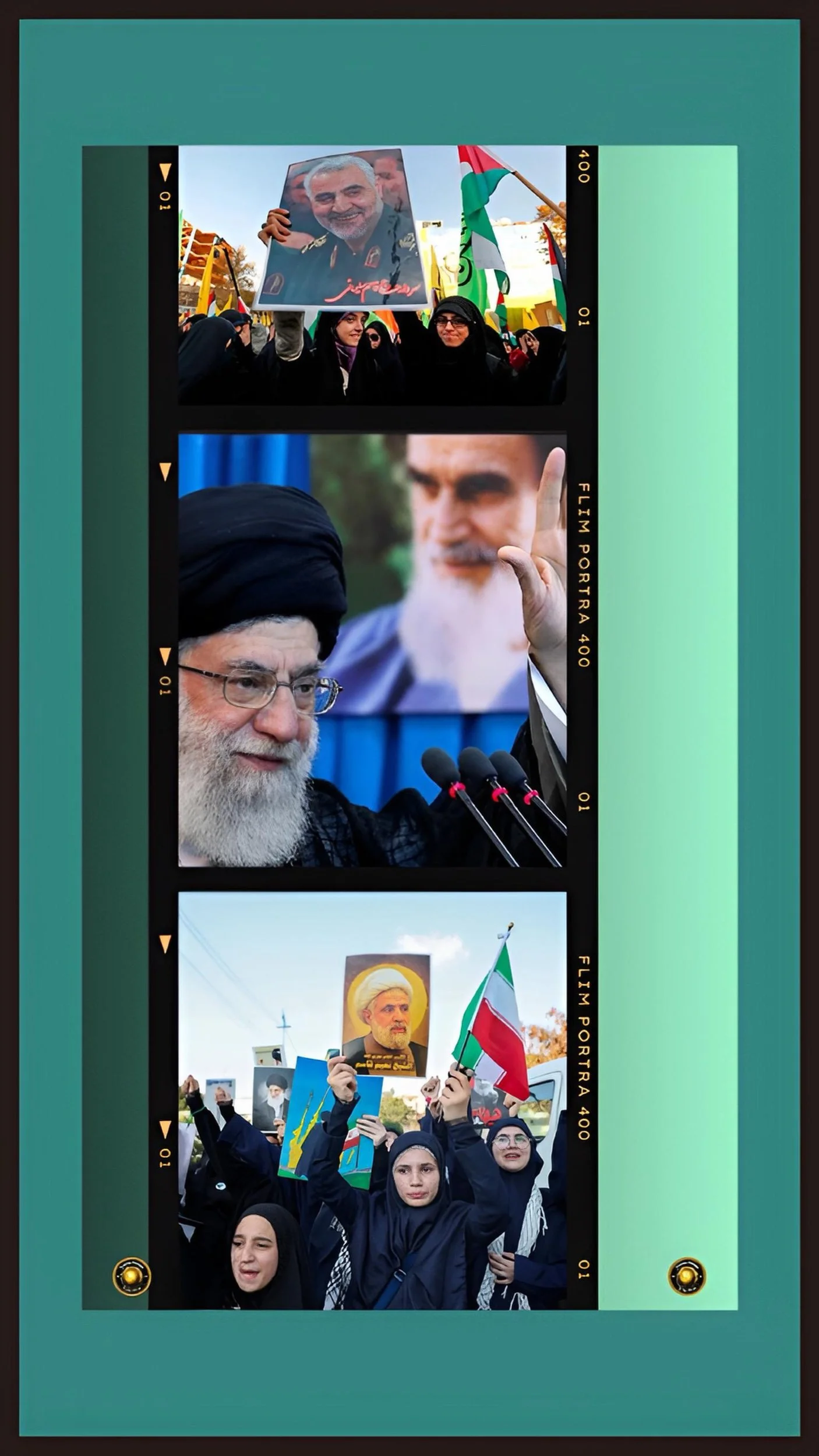
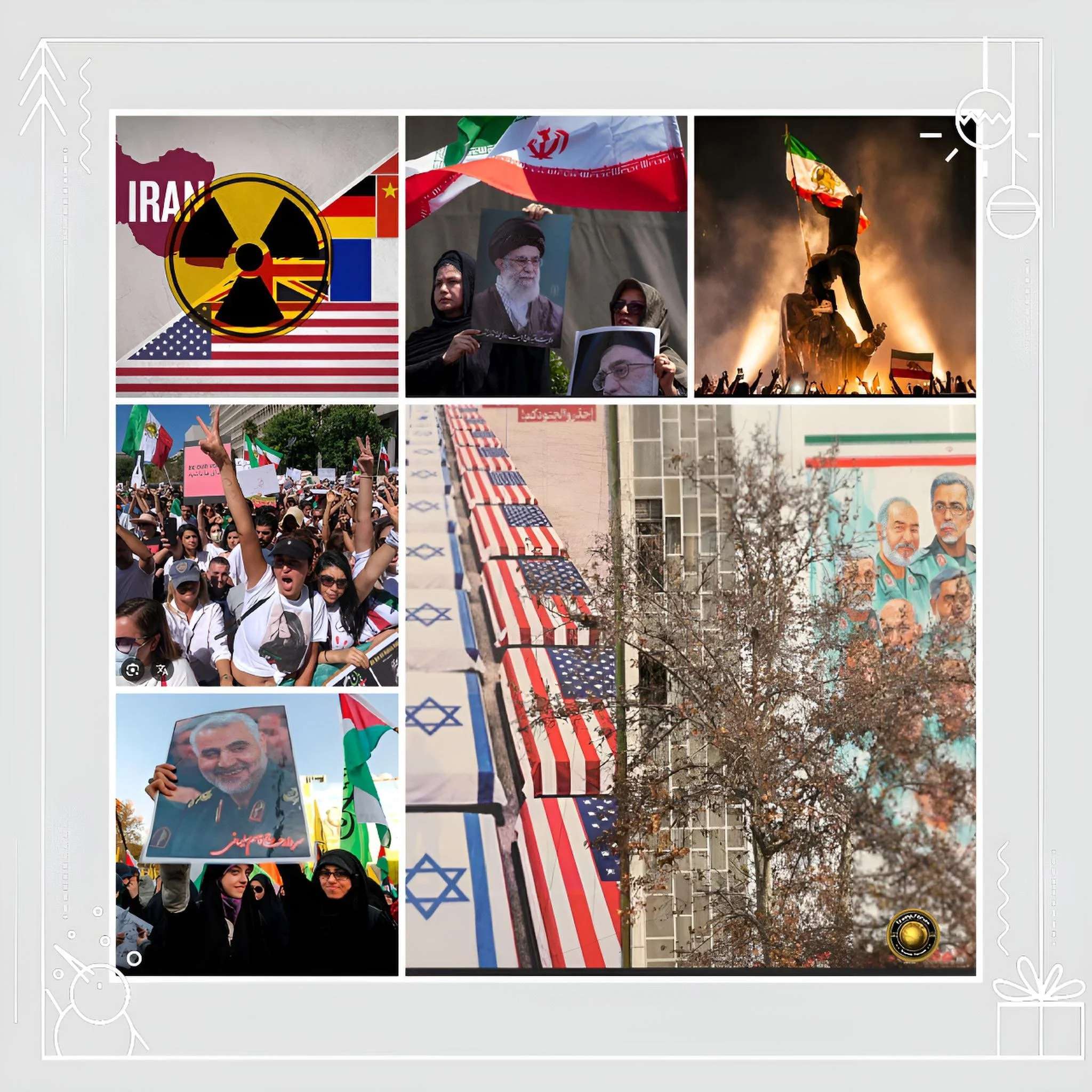
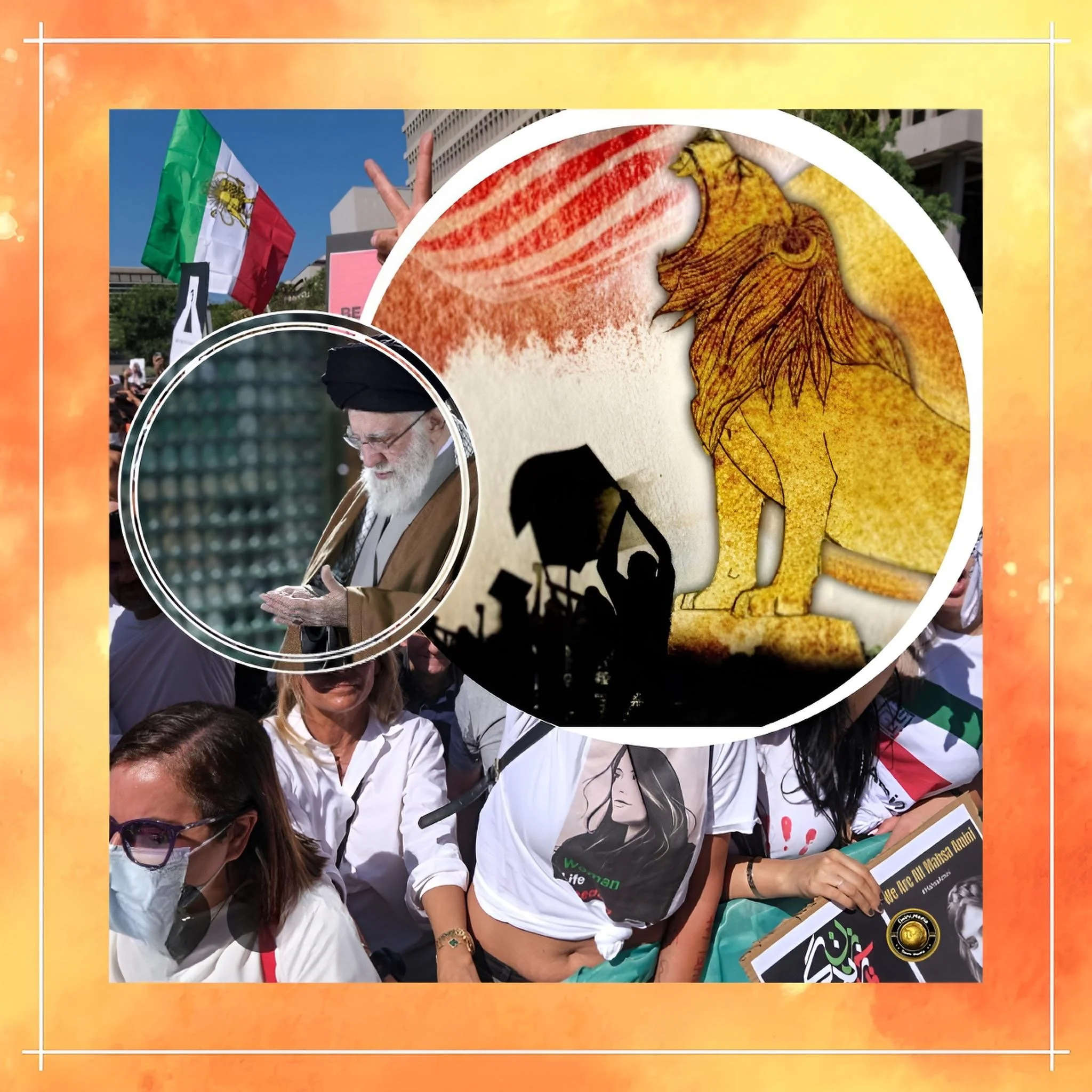
This is precisely what's happening in Iran right now. In late 2025, Iranians started massive protests because their economy was failing—inflation was over 40 percent, their money was worthless, and people couldn't afford basic goods.
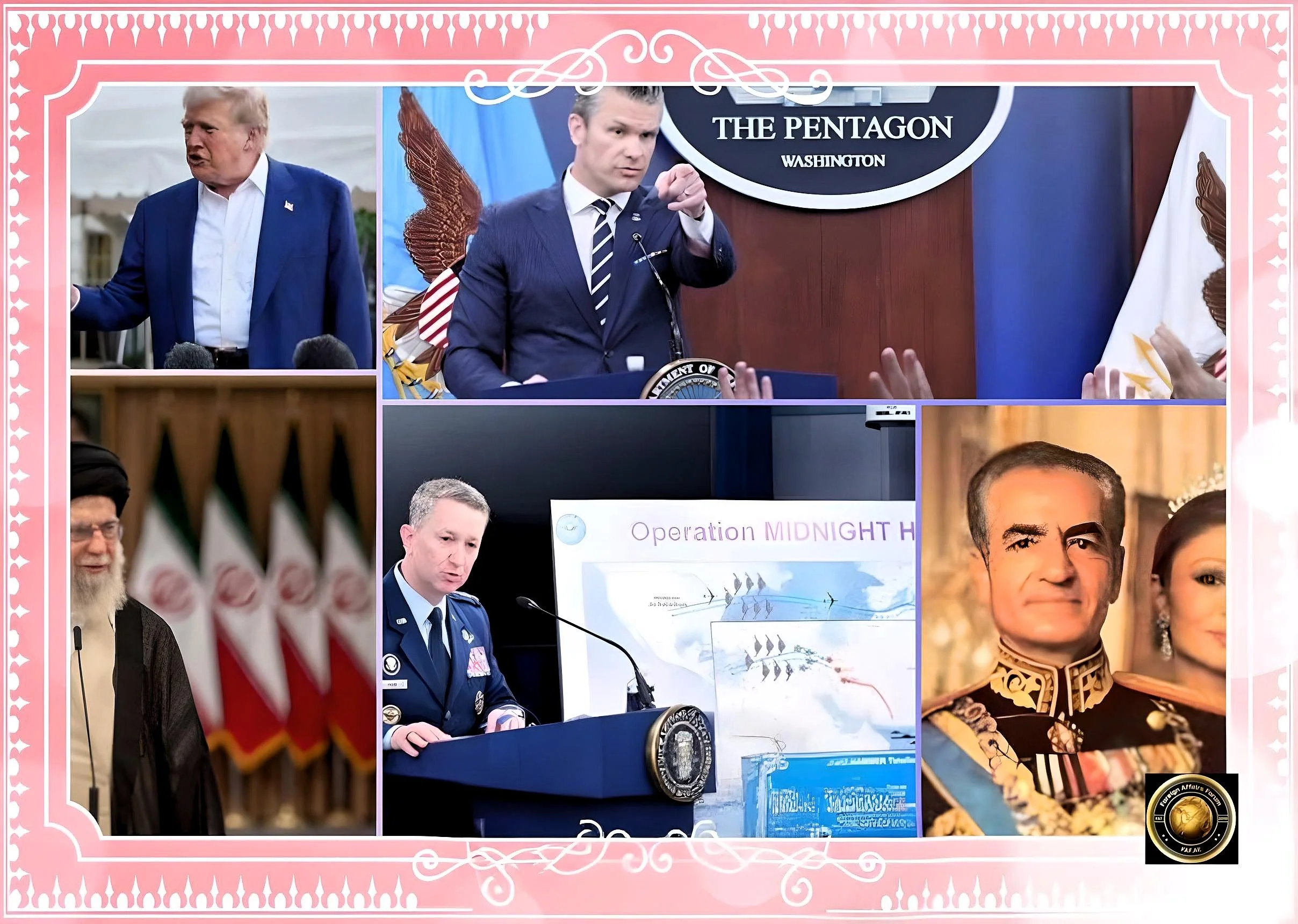
This was genuine anger at their own government. But now the Trump administration is threatening military strikes, imposing crushing sanctions, and talking openly about forcing change in Iran. What's the result?
The Iranian government now gets to tell its people, "Look, it's not our fault things are bad. America is trying to destroy us with sanctions and bombs. We need to unite and defend the nation." This narrative is powerful. Suddenly, people who were angry at their government are now focused on an external threat rather than internal problems.
Think of an example from Venezuela. That country suffered under a terrible government that caused economic collapse and a humanitarian crisis. America imposed very harsh sanctions on Venezuela to try to force change. But did it work? No.
The Venezuelan government actually used the American sanctions as justification for becoming more authoritarian. The government could tell citizens, "The Americans are trying to starve us. That's why we're suffering, not our own failures."
The government expanded its security forces, suppressed dissent more harshly, and consolidated power. The sanctions were supposed to weaken the government, but actually strengthened it by providing a nationalist enemy.
Here's another example. When Russia was hit with extreme sanctions over its invasion of Ukraine, did the Russian government become more cooperative?
No. It became more aggressive and more repressive at home. The government cracked down harder on protesters and the press, convinced Russians that the West was trying to destroy them, and used the crisis to justify emergency powers.
The problem with extreme pressure is that it's like squeezing a fist tighter—instead of the hand opening, it just clenches harder. Authoritarian leaders respond to intense external pressure not by giving in but by consolidating power, repressing internal opposition as "foreign collaborators," and rallying the population through nationalism.
So what actually works better? Moderate pressure focused on specific behaviors, combined with clear rewards for concessions. Tell Iran: "If you stop developing nuclear weapons and stop supporting terrorist groups, we'll lift sanctions."
Make it clear that the pressure is about specific behaviors, not about determining who rules Iran. This way, moderate figures within the Iranian government or military can negotiate without appearing to be traitors. It gives them a path to accept constraints without appearing to surrender to foreign pressure.
The key lesson: extreme pressure often backfires by uniting people around their government, even if they dislike it. Moderate pressure combined with negotiation incentives is more likely to produce actual behavioral change. Iranians will determine Iran's future.
American policy can either help that process work or make things more complicated by activating nationalist sentiment that consolidates the government's control.