When Giants Stumble: The Anatomy of Failed Foreign Interventions and What Iran Must Learn
Summary
The twentieth-first century has become an extended autopsy on American interventionism.
The Afghan state collapsed within weeks of American withdrawal after two decades of occupation, hundreds of billions of dollars, and the loss of tens of thousands of lives. Iraq, invaded and occupied for nearly a decade, descended into sectarian warfare that spawned ISIS and left the country devastated and aligned with Iran—the opposite of the intended outcome. Yet these catastrophes did not emerge from lack of military capability or insufficient determination. They resulted from a fundamental misunderstanding of what external power can accomplish: military forces can destroy existing orders but cannot construct viable replacements through occupation and coercion.
The pattern extends further back. The 1961 Bay of Pigs invasion was designed to overthrow Fidel Castro using fourteen hundred CIA-trained Cuban exiles. The plan was premised on the assumption that the Cuban population would rise against Castro once the exiles established a beachhead. Instead, Castro mobilized national defense forces, Castro's forces defeated the invasion within seventy-two hours, and the humiliating failure consolidated his rule and pushed Cuba irrevocably into Soviet alignment. American planners had catastrophically underestimated Cuban support for the revolution and overestimated the transformative power of armed external intervention.
Somalia proved that even humanitarian motives could not redeem fundamentally flawed intervention strategy. When famine threatened millions in 1992, the United States deployed forces under UN auspice to establish security conditions for food delivery. Yet the operation metamorphosed into a military campaign against Somali warlord Mohammed Aidid, with American forces conducting raids through Mogadishu neighborhoods, helicopter attacks on civilians, and mass shooting incidents. By attempting to use military force to resolve Somalia's political fragmentation rather than working with indigenous political institutions and civil society, the intervention exacerbated conflict, produced widespread civilian casualties, and left Somalia in worse condition.
These cases share common features that illuminate why external intervention fails at producing democratic transition. First, external actors consistently overestimate the appeal of their preferred political models. American planners assumed Cubans wanted the pre-revolutionary order restored; they assumed Afghans wanted American-style liberal democracy; they assumed Iraqis wanted sectarian-neutral governance led by American-selected figures. These assumptions, rooted in ideological conviction rather than sociological understanding, systematically underestimated the appeal of indigenous ideologies and the role of anti-foreign nationalism in motivating populations.
Second, occupying powers inevitably delegitimize the institutions they seek to build. Hamid Karzai's government in Afghanistan was dependent on American support for its survival—financially, militarily, diplomatically. This dependency made the government appear, to ordinary Afghans, as a puppet regime rather than a national government. When Americans withdrew, so did the regime's capacity to function. The same dynamic destroyed credibility of Iraqi governments dependent on American military backing. By contrast, governments that emerge from indigenous political negotiation and maintain internal constituency retain legitimacy that survives withdrawal of external support.
Third, external occupation prevents indigenous political problem-solving. Rather than allowing Afghan factions, Iraqi sectarian groups, and Somali clans to negotiate power-sharing arrangements reflecting actual power distributions, external occupiers attempted to impose governance structures designed in Washington or Brussels. This suppressed the political learning process through which societies develop institutions capable of managing their own conflicts. When occupation ended, these societies lacked the institutional infrastructure for self-governance precisely because external forces had prevented its development.
Fourth, building indigenous forces in the image of the occupier creates unsustainable dependencies. American military advisors trained Afghan and Iraqi forces in American doctrine, equipped them with American technology, and structured them according to American organizational principles. These forces required constant American logistical support, American air power, American intelligence, and American medical evacuation. When Americans left, these forces rapidly collapsed because they could not sustain themselves on indigenous resources or local political basis. By contrast, forces rooted in local military tradition, resourced from local capacity, and responsive to indigenous political authority prove far more durable.
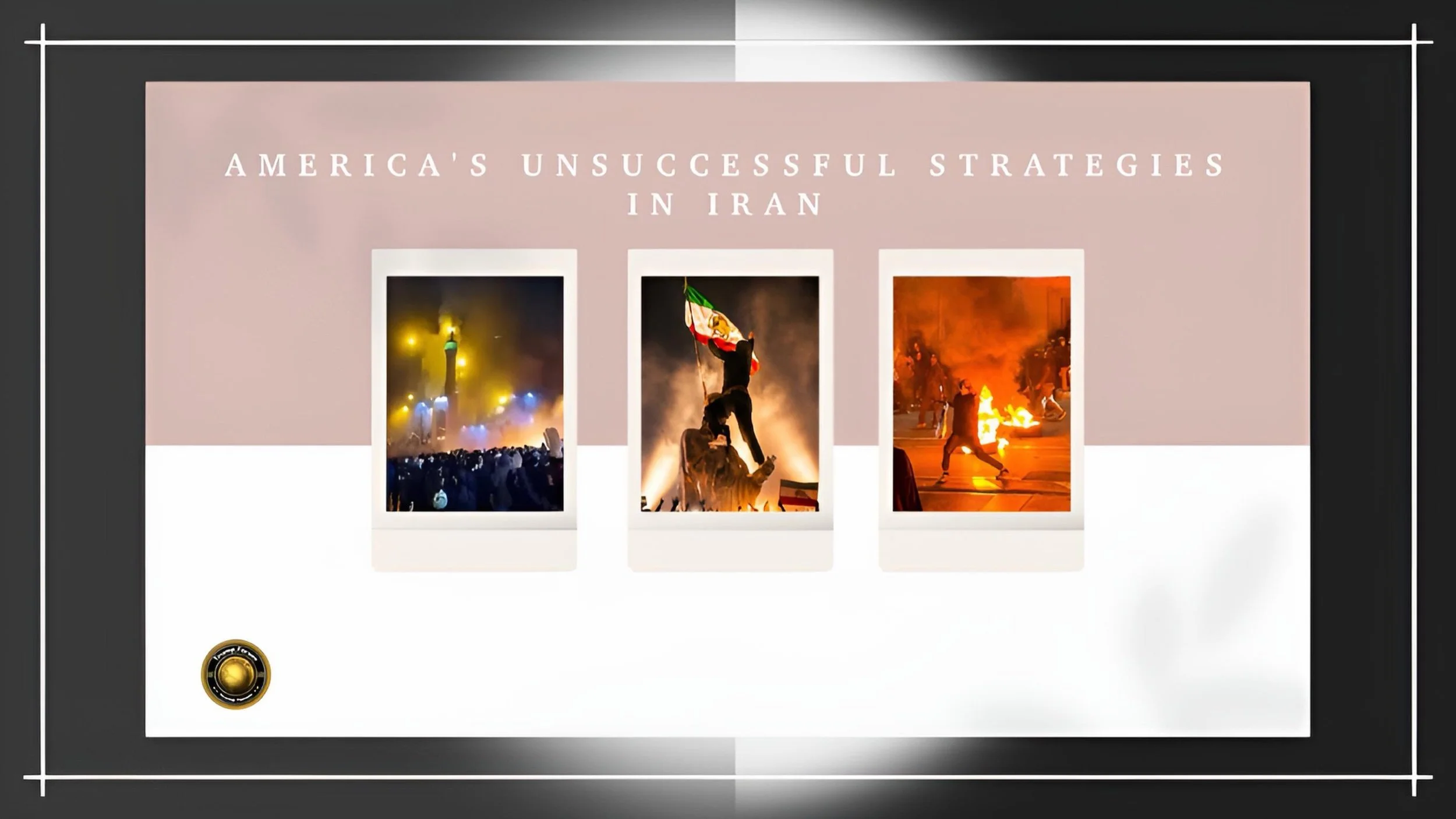
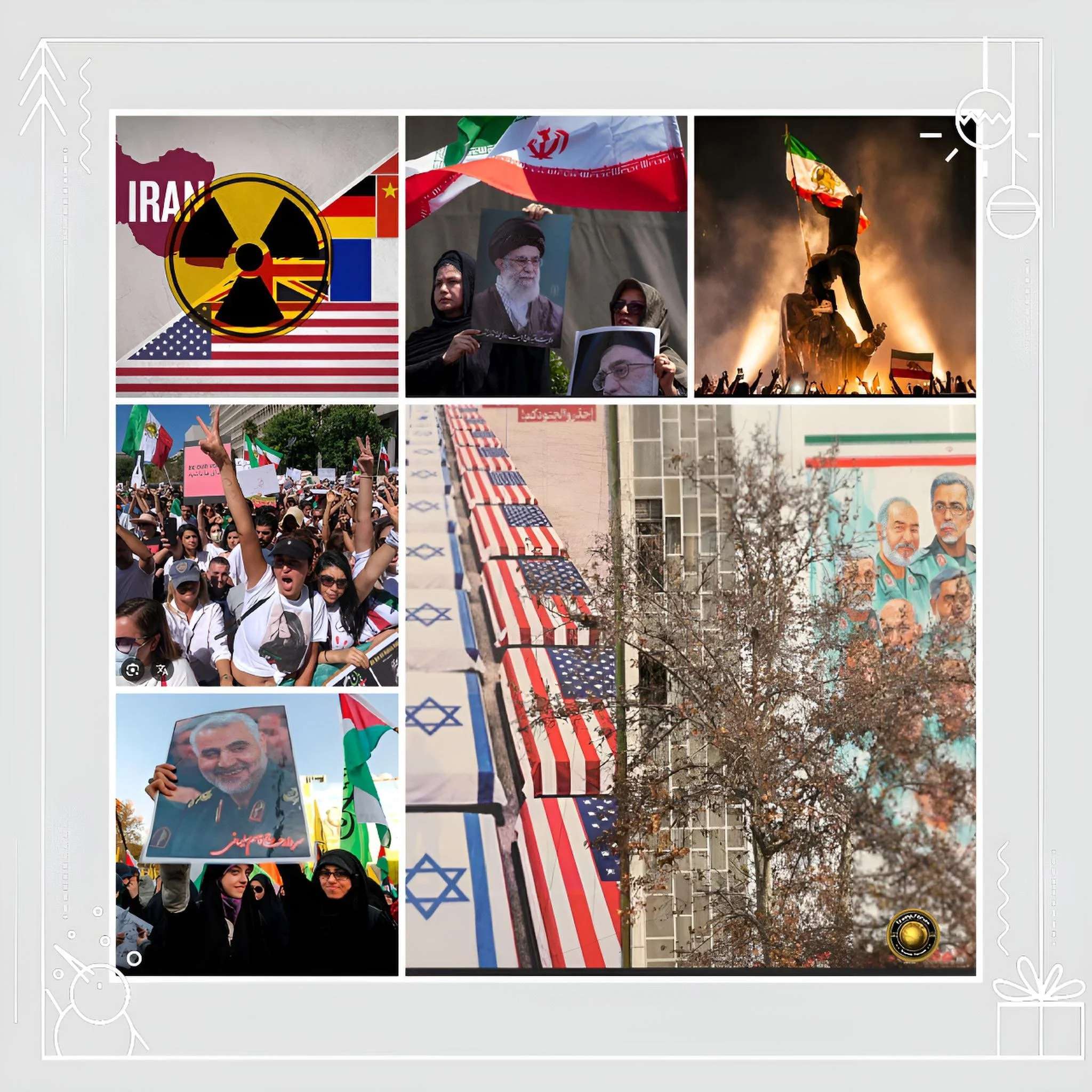
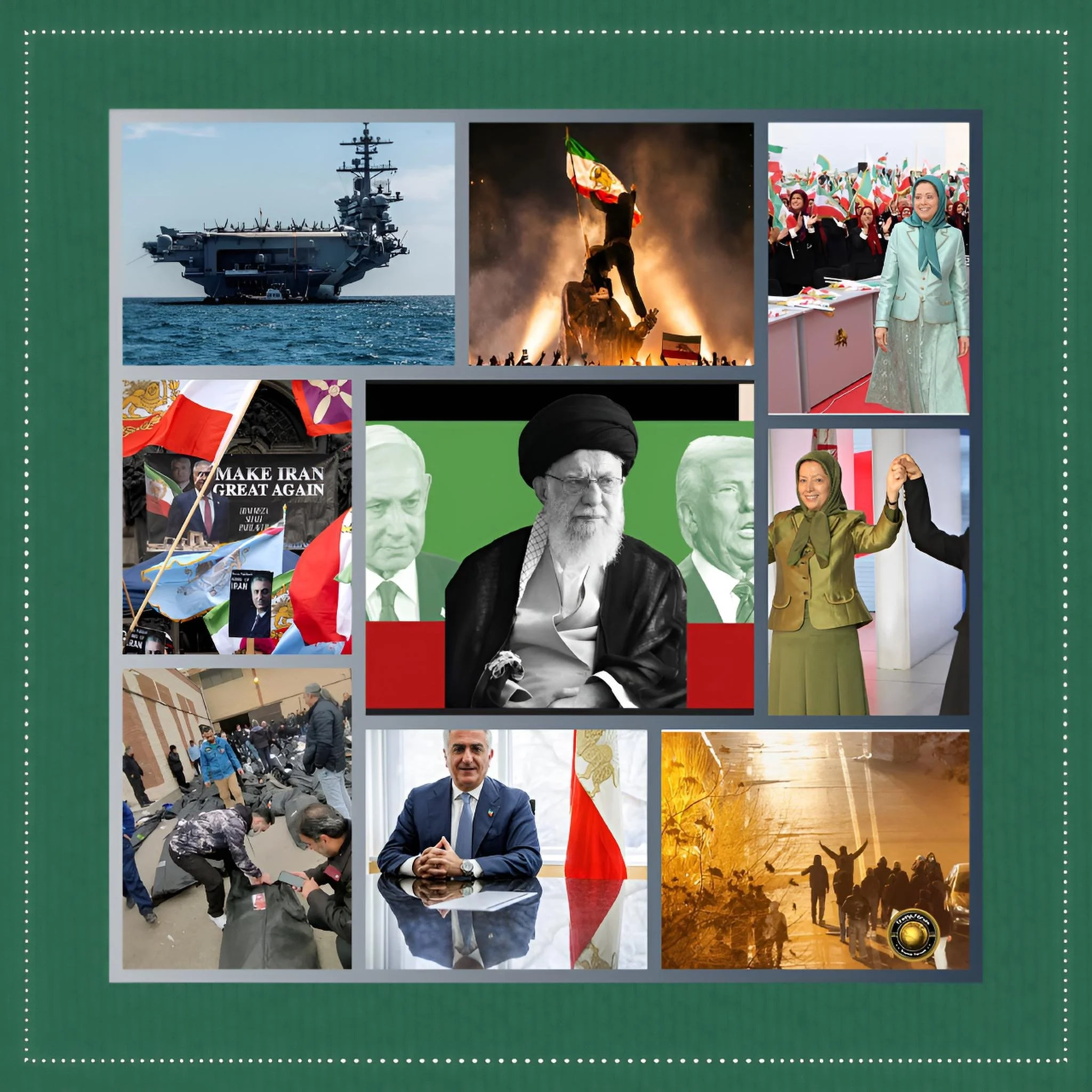
For Iran in 2026, these lessons translate into clear strategic imperatives. A successful Iranian transition, if one emerges from current turmoil, will depend overwhelmingly on indigenous forces: the opposition's capacity to mobilize broad social base, the regime's willingness to negotiate power-sharing rather than fight to the death, and the ability of competing factions to develop inclusive institutional arrangements. External pressure can either support these indigenous processes or actively undermine them through delegitimization, nationalism activation, and the appearance that opposition figures are foreign-directed puppets.
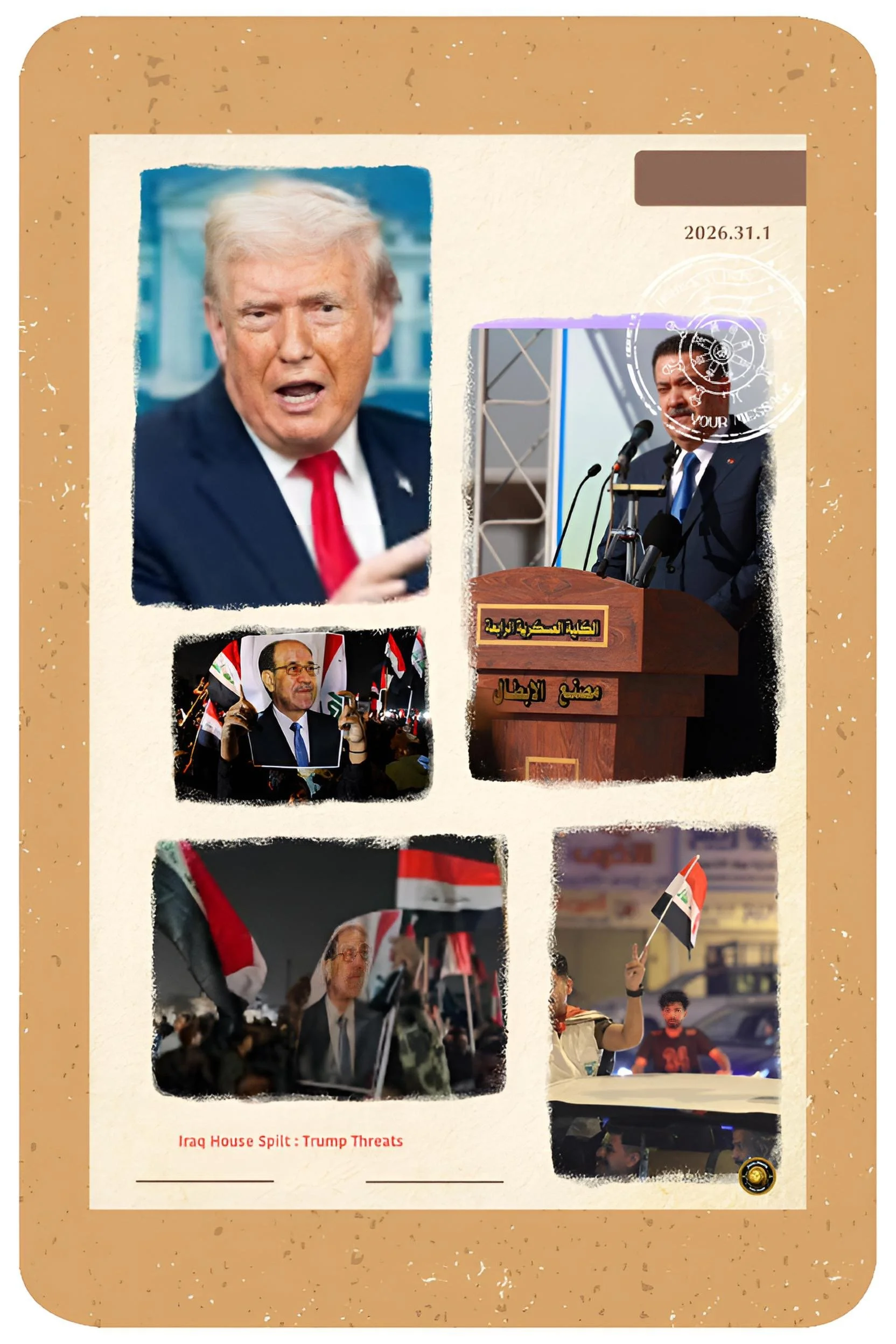
The Trump administration's renewed maximum pressure campaign and military threat rhetoric risk falling into the historical trap that has consistently undermined American efforts at producing democratic change. Even if economic sanctions and military strikes degrade regime capability, they do not automatically produce the political institutions necessary for viable governance. The sanctions may weaken Iran's economy, but economic weakness does not translate automatically into democratic governance—it is more likely to produce state collapse, civil war, or authoritarian militarism unless indigenous political forces develop capacity to manage the transition. Military strikes against IRGC targets would certainly damage Iran's security apparatus, but would equally certainly activate nationalist sentiment and provide the regime with justification for repression of opposition movements framed as foreign-directed destabilization.
The alternative is strategic patience combined with clear communication of American interests and red lines. This means distinguishing between what the United States can achieve directly through pressure and what Iranians must achieve through their own political negotiation. It means offering Iran a negotiated pathway out of sanctions and isolation if the regime accepts constraints on nuclear weapons and regional proxy activities, rather than attempting to produce regime overthrow through pressure. It means signaling support for Iranian opposition movements while resisting the temptation to direct, fund, or coordinate those movements in ways that compromise their indigenous legitimacy. Most fundamentally, it means accepting that American power can create constraints and incentives within which Iranian actors operate, but cannot substitute for the difficult, time-consuming work of political negotiation and institution-building that Iranians themselves must accomplish.
History suggests that American policymakers learn these lessons only slowly and reluctantly. Yet the lessons are written in blood and treasure across decades of interventions. When external powers attempt to impose political solutions through military occupation and coercive pressure, they tend to produce outcomes opposite their intentions. When external powers support indigenous movements while allowing those movements to drive political outcomes, success rates improve substantially. Iran's future will be determined by Iranians.
American policy can either acknowledge that reality strategically or repeat the costly failures of the past half-century.