Summary
For sixteen years, Hungarian politics has resembled a one-man show. Viktor Orbán, backed by the Fidesz–KDNP alliance, rewrote the constitution, reshaped the electoral system, colonised key institutions, and curated a media ecosystem that amplified his message while marginalising critics.
Elections occurred on schedule, but their outcomes felt pre-ordained. The 2026 contest breaks this pattern. For the first time since 2010, the governing party enters a campaign on the defensive, facing an opponent that is both structurally serious and symbolically potent.
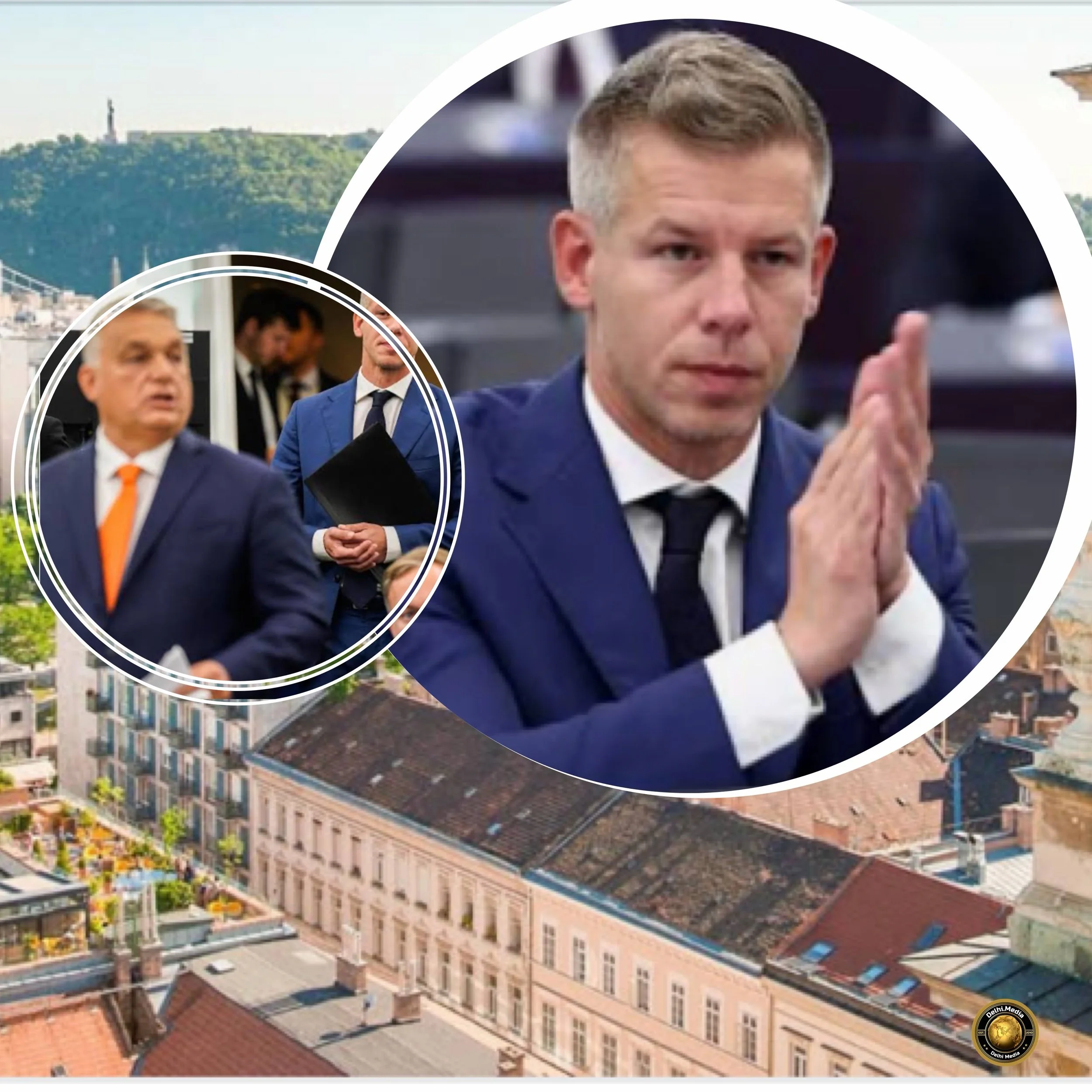
That opponent is Péter Magyar and his Respect and Freedom (Tisza) party, which has surged from obscurity to double-digit leads in several independent polls. Magyar's rise is remarkable not because he is a classic dissident, but precisely because he is not. A former insider who once moved comfortably within the Fidesz elite and was married to Orbán's justice minister, he knows the inner workings of the system he now denounces. When such a figure turns and calls the regime corrupt, hollow, and morally bankrupt, it carries a different weight than familiar opposition rhetoric.
Magyar's political project fuses three strands that Hungary's previous opposition struggled to connect. The first is moral outrage at corruption and abuse of power. He has built his narrative around the claim that the state has been captured by a narrow clique that siphons EU funds and public contracts into its own networks, leaving ordinary Hungarians with stagnant wages, failing services, and rising emigration.
The second strand is a clear geopolitical orientation. Unlike the fragmented opposition of 2022, which often hedged around questions of foreign policy, Magyar explicitly promises to anchor Hungary in the EU and NATO mainstream. He pledges to join the European Public Prosecutor's Office, implement rule-of-law reforms, and unblock the billions in EU funds frozen due to democratic backsliding. In doing so, he turns what Orbán presents as an attack by "Brussels" into an indictment of Orbán's own diplomacy: it is not Europe that is punishing Hungary, he implies, but Orbán who has chosen isolation.
The third strand is a deliberate rejection of the old opposition camp. Magyar portrays the left-liberal parties that united unsuccessfully in 2022 as co-responsible for the current order, either through past misrule or through ineffectual resistance. Tisza positions itself as a centrist anti-establishment force, drawing voters from previously antagonistic constituencies and insisting that a clean break with both Fidesz and the old opposition is required.
This triad—anti-corruption, pro-European, anti-establishment—has proven electorally powerful. In the European Parliament elections of 2024, Tisza vaulted into first place among opposition forces, securing roughly one-third of the vote and seven MEPs. Survey research suggests that its electorate is ideologically heterogeneous but united by a shared sense that the system is rigged and in need of fundamental change. Many are highly educated, urban, and pro-European, but Tisza has also made inroads among rural and conservative voters disillusioned with clientelism and cronyism.
Yet Magyar's strength is inseparable from Orbán's earlier overreach. It was Fidesz's insistence on absolute dominance—its determination not merely to win elections but to permanently structure the arena in its favour—that set the stage for such a backlash. The adoption of a new constitution on partisan lines, the systematic reduction of the Constitutional Court's independence, the creation of KESMA as a mega-conglomerate for pro-government media, and repeated manipulations of electoral boundaries cumulatively blurred the line between legitimate advantage-seeking and outright system-rigging.
For years, the strategy appeared to work. International criticism mounted, and the EU eventually resorted to conditionality, freezing significant tranches of cohesion and recovery funds over rule-of-law and corruption concerns. But inside Hungary, Fidesz kept winning, helped by economic growth, generous welfare and tax programmes for favoured constituencies, and a fragmented opposition that struggled to offer a coherent alternative.
The calculus changed when economic performance faltered. The post-pandemic period brought one of the EU's worst inflation spikes, with Hungarian prices rising more than 17 percent in 2023 and peaking at over 25 percent year-on-year, eroding household savings and real wages. The country slipped into recession, growth underwhelmed projections, and the government's habit of over-promising and under-delivering on economic targets became increasingly visible. At the same time, the visible loss or freezing of EU funds—widely reported in domestic and foreign media—offered a concrete symbol of the cost of illiberal governance.
It is against this backdrop that Magyar's promise to "bring home the money" resonates. By linking EU conditionality to domestic standards of integrity and competence, he recasts a seemingly arcane legal dispute as a kitchen-table issue: under Orbán, Hungarians pay the price for one man's political games; under Tisza, that price could be reduced.
Still, the system that Magyar seeks to defeat has not disappeared. The electoral map has been quietly adjusted—Budapest loses seats, pro-government areas gain—while winner-compensation rules remain in place. Public broadcasters and a large segment of private media continue to function as partisan amplifiers for Fidesz, relentlessly attacking Magyar as a "Brussels puppet" and warning of tax hikes, migration, and war should he prevail. State resources, from government advertising to public-sector messaging, blur into the ruling party's campaign toolkit.
Consequently, Tisza may need not just to win, but to win big. A narrow popular-vote margin could still translate into a parliamentary stalemate or even a Fidesz majority, given the asymmetries baked into the system. Magyar faces the paradox common to challengers in competitive authoritarian regimes: he is riding a wave of dissatisfaction that is, in part, produced by institutional abuse, but he must overcome those very abuses to turn dissatisfaction into power.
Whatever the outcome, the April election will reverberate far beyond Budapest. A Tisza victory would signal that entrenched illiberal projects inside the EU are not irreversible and that conditionality, opposition recomposition, and economic reality can together bend even a distorted playing field. A renewed Fidesz mandate, by contrast, would embolden illiberal actors across Europe and force the EU to confront the limits of its own normative influence.
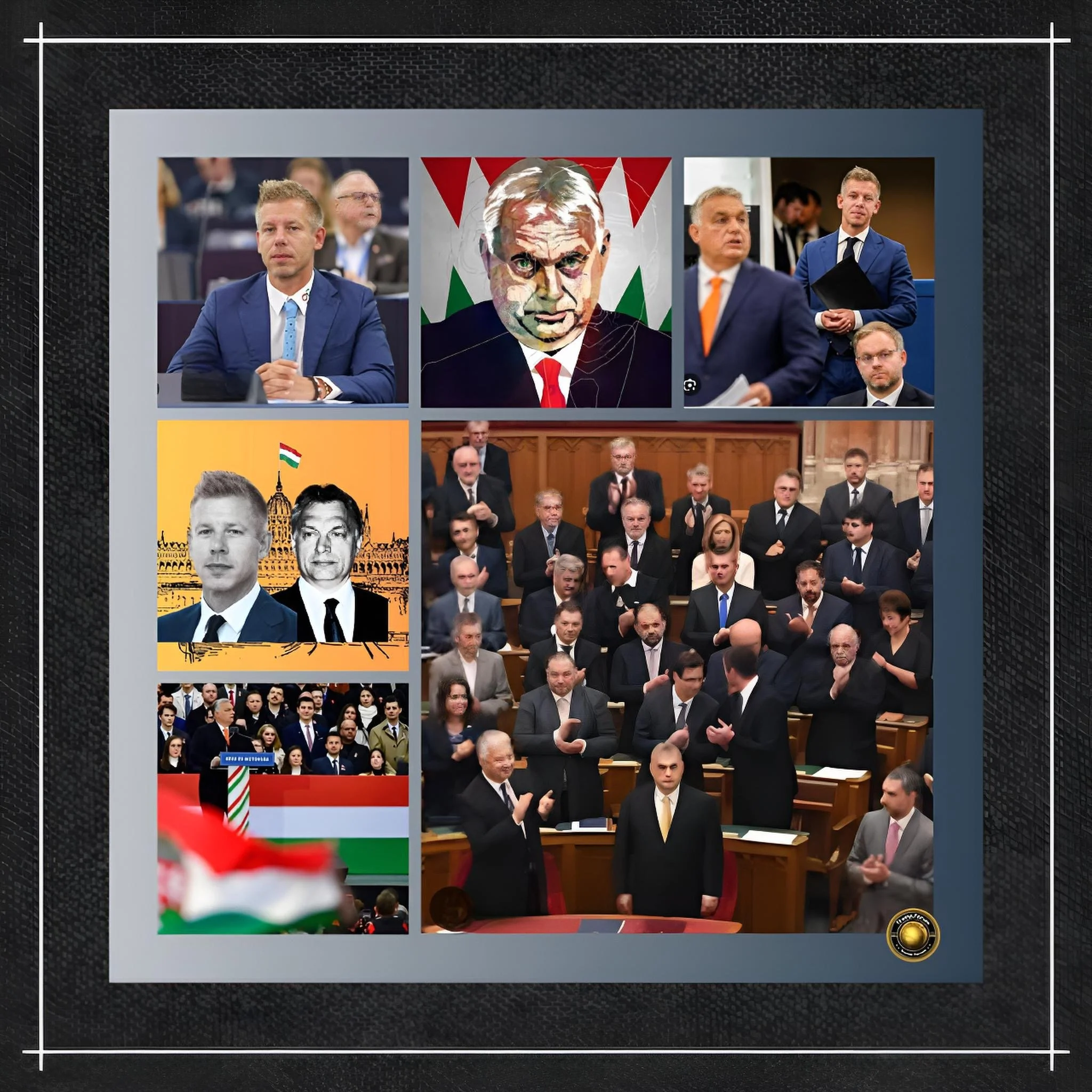
In that sense, Orbán versus Magyar is not merely a duel between two politicians. It is a clash between two political time horizons: a system painstakingly constructed to endure, and a movement improvisationally assembled to force change before disillusion turns into resignation.