Trump’s oil play: Why america is now in charge of venezuela’s petroleum wealth
Introduction
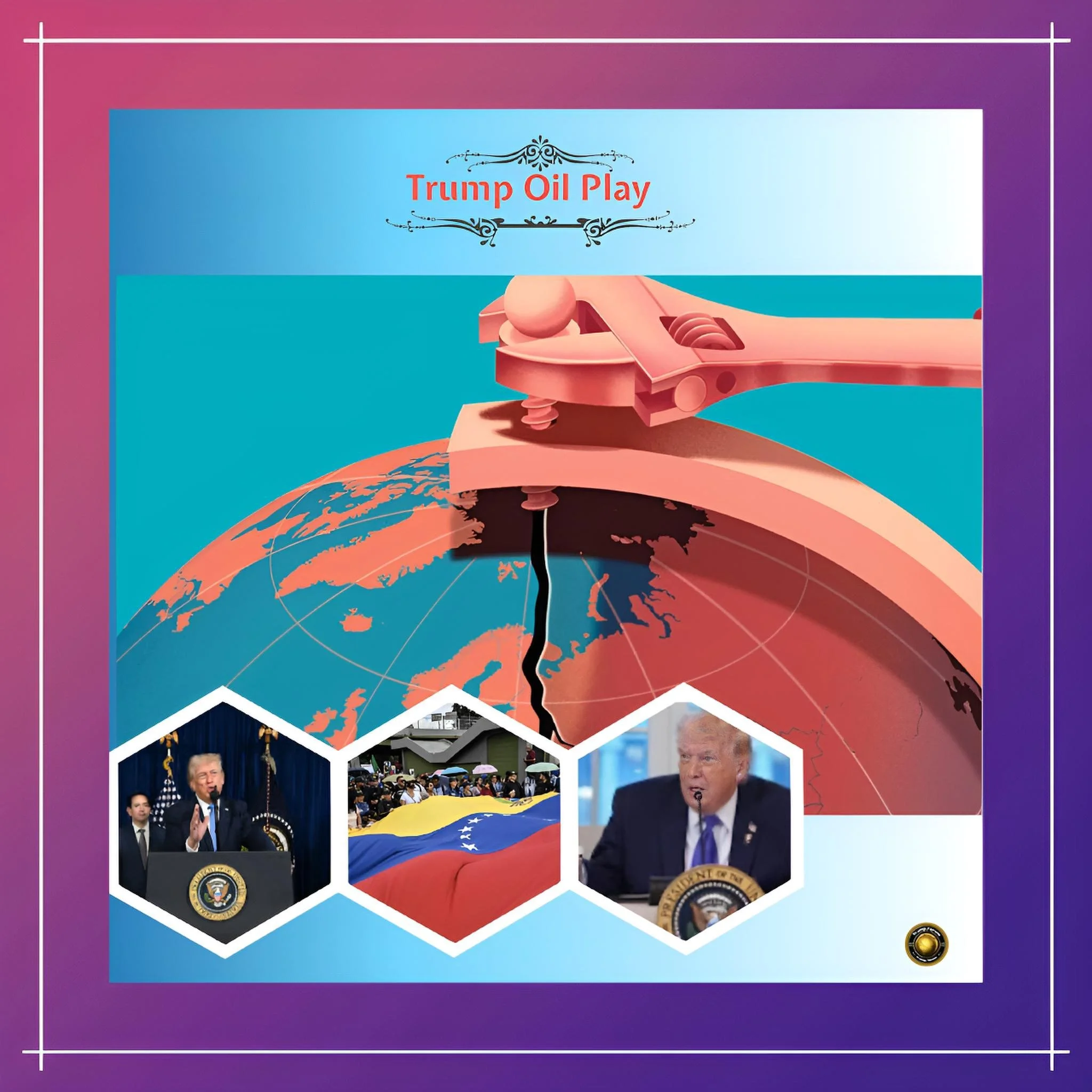
President Donald Trump just signed an executive order that changes everything about how America deals with Venezuela's oil. On January 10, 2026, Trump took control of billions of dollars worth of Venezuelan oil money sitting in American banks. But what does this really mean? And why should you care about what happens to Venezuelan oil?
To understand this story, we need to go back and look at what happened leading up to this moment.
What Happened Before the Executive Order?
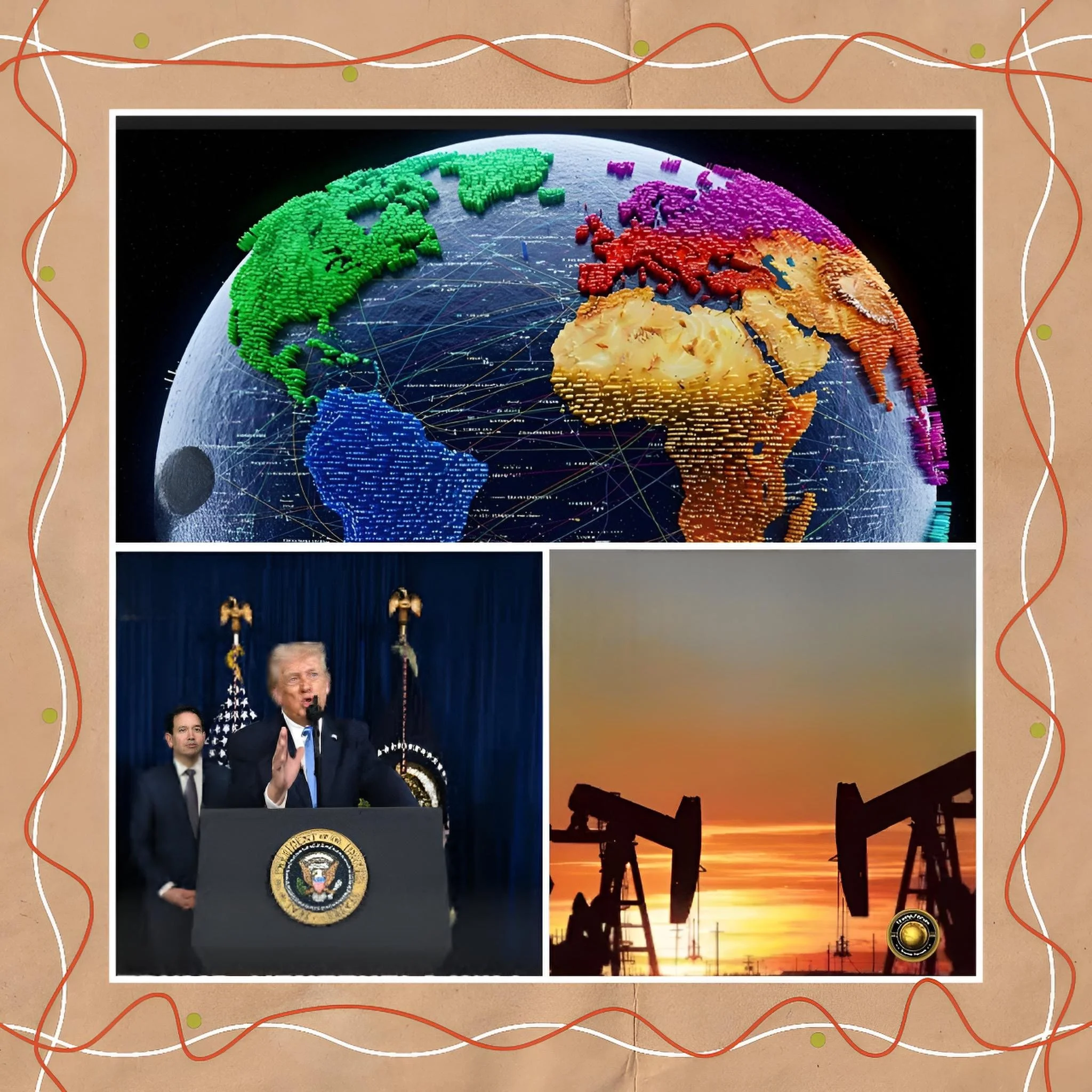
Venezuela used to be rich. Back in the early 2000s, the country pumped more than three million barrels of oil every single day. Oil money built Venezuelan schools, hospitals, and cities. But then things started falling apart.
In 2007, the Venezuelan government took over all the oil companies operating in the country. American companies like ExxonMobil and ConocoPhillips had to leave. These companies had invested billions of dollars, and they lost everything. They went to court and won judgments totaling tens of billions of dollars. But here's the problem: Venezuela didn't have the money to pay them back.
By 2025, Venezuela's oil production had collapsed to just 800,000 barrels per day. The oil fields deteriorated. Equipment broke down. Workers left the country. And Venezuela's government spent everything, leaving nothing for creditors to collect.
The Military Operation
On January 3, 2026, American military forces captured President Nicolás Maduro and flew him to New York. Maduro had run Venezuela for years, and according to American officials, his government was connected to drug trafficking and money laundering. American forces took control of Venezuela's government, and Trump appointed an interim leader who would follow American directions.
This military operation shocked the world. Never before had America directly captured a foreign nation's leader and brought him to American courts.
What Does the Executive Order Actually Do?
Trump's executive order does something unusual. It says that Venezuelan oil money in American banks belongs to Venezuela—but only America can decide how to use that money. Here's how it works:
When Venezuela sells oil, the money goes into American bank accounts. Venezuela can't touch this money. Private creditors like ExxonMobil can't touch it either. Only President Trump's administration decides what happens to the money.
The order claims it is protecting Venezuelan sovereignty. But in reality, it stops creditors from using American courts to take the money. Those creditors had won legal victories showing they were owed billions. But now they're blocked.
Who Benefits?
American oil companies
American companies benefit the most. Trump promised them security and investment opportunities. He told them they would invest $100 billion rebuilding Venezuelan oil infrastructure. In return, they would get their money back quickly, plus huge profits.
The Trump administration
The Trump administration benefits by controlling oil revenues. Trump said the money would help both Americans and Venezuelans, but mostly it seems designed to lower American gas prices and generate government revenue.
China and Russia lose
China had been Venezuela's largest oil customer. But now the Trump administration controls all oil sales and says China cannot buy Venezuelan oil anymore. This cuts off China's access to cheap oil and eliminates Venezuelan revenue that was paying back Chinese loans.
What About Venezuela?
This is where things get complicated. Venezuela's interim government—led by Delcy Rodríguez, a Maduro loyalist—theoretically runs the country. But Trump made clear that she must follow American orders. He said if she doesn't cooperate, "she is going to pay a very big price, probably bigger than Maduro."
Venezuelan oil production could increase if American companies invest in repairing broken equipment and pipelines. By the end of 2026, production might reach 1.2 million barrels per day. This would generate billions in revenues. But who gets that money? The Trump administration will decide.
Venezuela desperately needs revenue to rebuild hospitals, schools, and infrastructure destroyed during the Maduro years. But it also owes billions to international creditors. The executive order delays any settlement with those creditors indefinitely.
The Creditor Problem
For years, companies like ConocoPhillips and ExxonMobil fought through American courts to collect the billions Venezuela owed them. They won in court. American judges said they could attach Venezuelan assets to satisfy their judgments.
But the executive order changes everything. Trump used presidential power to override those court decisions. He says Venezuelan oil money is too important for American national security to let courts seize it. This makes many legal experts uncomfortable, because it suggests the president can override court decisions whenever he claims national security is involved.
These creditors still theoretically have valid claims worth tens of billions of dollars. But now they can only get paid if Trump's administration decides to pay them. This could take years.
The Investment Question
Trump wants American oil companies to spend $100 billion rebuilding Venezuela. But executives are hesitant. They remember what happened before when Venezuela took over their oil fields. They want guarantees that America will protect their investments.
Trump promised security through American military presence. But executives also want to see real democratic governance, rule of law, and stable institutions. Right now, Venezuela has none of these things.
What Happens Next?
The executive order is just the beginning. Trump says America will essentially run Venezuela indefinitely—meaning American troops will stay, and American officials will make decisions about Venezuela's government and oil.
Trump hasn't said when elections will happen in Venezuela. He hasn't said when America will leave. This creates huge uncertainty that makes it hard for companies to plan long-term investments.
The Bigger Picture
This situation represents something unprecedented. America has directly captured a foreign nation's leader, taken over governance, and claimed control of natural resources. Trump describes it as protecting America's national security and helping Venezuelan people. But it also represents massive American intervention in Latin America.
China and Russia are watching carefully. If America can simply take over Venezuela and control its resources, what does that mean for other countries? This could make other nations more hostile toward America or more determined to resist American influence.
Conclusion
Trump's executive order about Venezuelan oil represents a radical shift in American foreign policy. It consolidates American control over Venezuela's petroleum wealth under the guise of protecting Venezuelan sovereignty. It stops creditors from collecting money they won in court. It opens opportunities for American oil companies while excluding China and Russia from Venezuelan energy development.
For Venezuela, the outcome remains uncertain. The country could rebuild if American companies invest. But Venezuelans would see their vast oil wealth controlled by American officials rather than their own government.
Creditors face indefinite delays in collecting debts. And the entire arrangement raises uncomfortable questions about American military intervention, resource appropriation, and presidential authority to override court decisions.
The executive order is less about protecting Venezuela's oil than about securing America's control of it. Whether this approach succeeds depends on whether American companies invest, whether Venezuela stabilizes politically, and whether the international community accepts unprecedented American intervention in Latin American resource management.