American hegemony leading to global resentment
Executive Summary
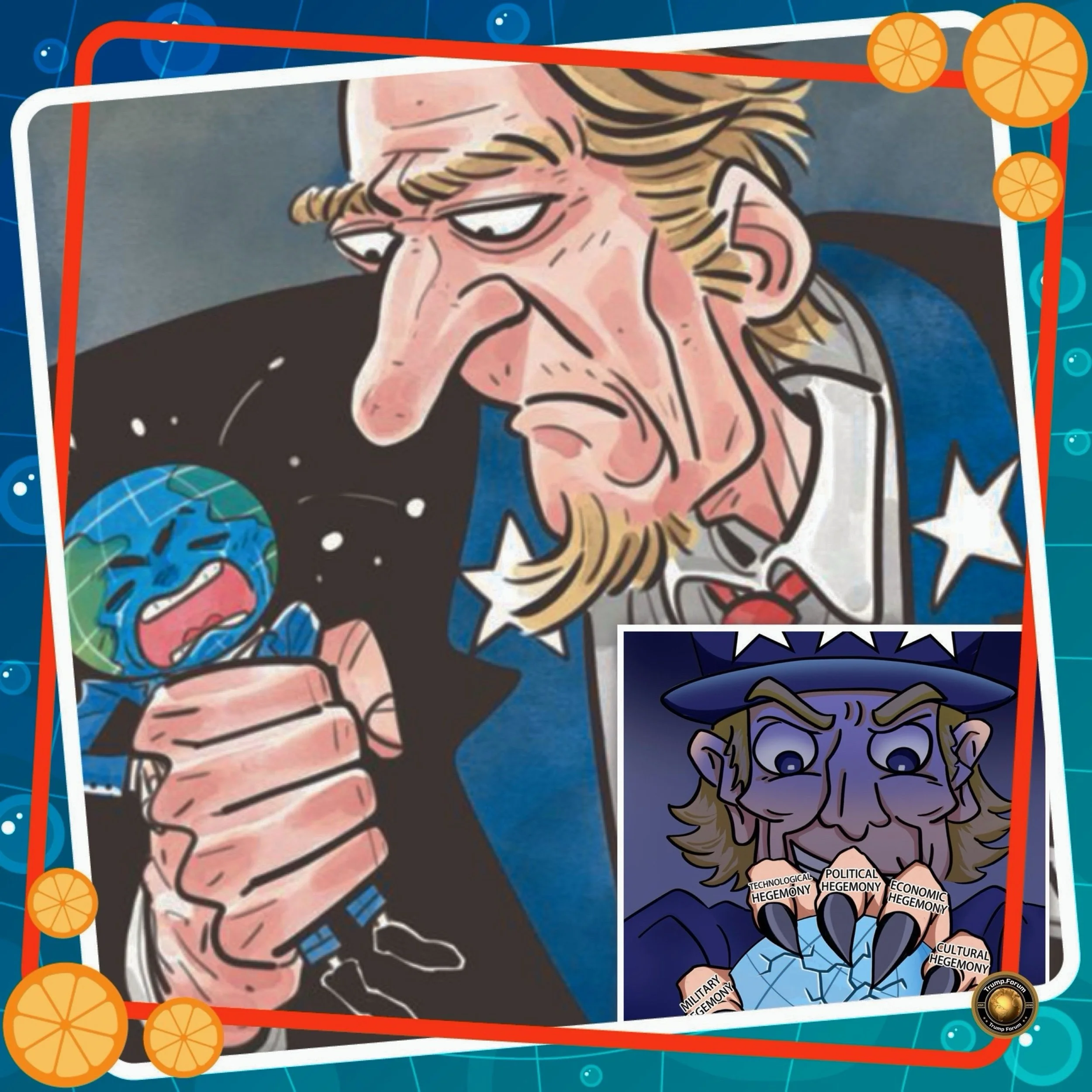
The dominance of the United States on the global stage has often resulted in widespread animosity among various nations.
This American hegemony, characterized by its military supremacy, economic power, and cultural influence, has created a landscape where many countries feel marginalized or oppressed.
As the U.S. promotes its interests—through military interventions, trade agreements, and the spread of American cultural norms—certain regions and populations may perceive these actions as attempts to impose American values and agendas.
This sense of imposition can fuel resentment and distrust, leading countries to rally against perceived imperialistic behavior.
Consequently, this dynamic not only strains international relations but also gives rise to movements aimed at countering American influence, further complicating geopolitical landscapes.
Introduction
FAF analysis captures the essential dynamics of how American foreign policy has generated global resentment over decades.
The Trump administration policies highlighted—particularly the withdrawal from the Iran nuclear deal and the move of the Jerusalem embassy—represent striking examples of how unilateral American actions can exacerbate international tensions and reinforce perceptions of American disregard for multilateral cooperation and international law.
The Withdrawal from the Iran Nuclear Deal: A Case Study in Diplomatic Isolation
In May 2018, the United States' unilateral withdrawal from the Joint Comprehensive Plan of Action (JCPOA) highlighted the detrimental impact of American unilateralism on its global alliances, even with historically close partners.
The response from the international community was swift and predominantly critical. Key European leaders—Emmanuel Macron of France, Angela Merkel of Germany, and Theresa May of the UK—collectively expressed “regret and concern” and reaffirmed their “continuing commitment to the JCPOA.”
Federica Mogherini, the European Union’s foreign policy chief, articulated that Europe was “determined to work with the international community” to uphold the agreement despite the U.S. exit.
This scenario created a rare instance of Europe actively seeking ways to circumvent U.S. policy, underscoring the diplomatic isolation resulting from the Trump administration's decision.
The broader ramifications were significant.
A Foreign Affairs analysis pointed out that the withdrawal “undermines our security, breaks America’s commitments, isolates us from our allies, empowers Iran’s hardliners, and diminishes our global leverage” to manage Tehran’s activities.
This approach prioritized domestic political considerations over the principles of international stability and cooperative diplomacy.
The U.S. Attack on Nuclear Sites: The Israeli Involvement
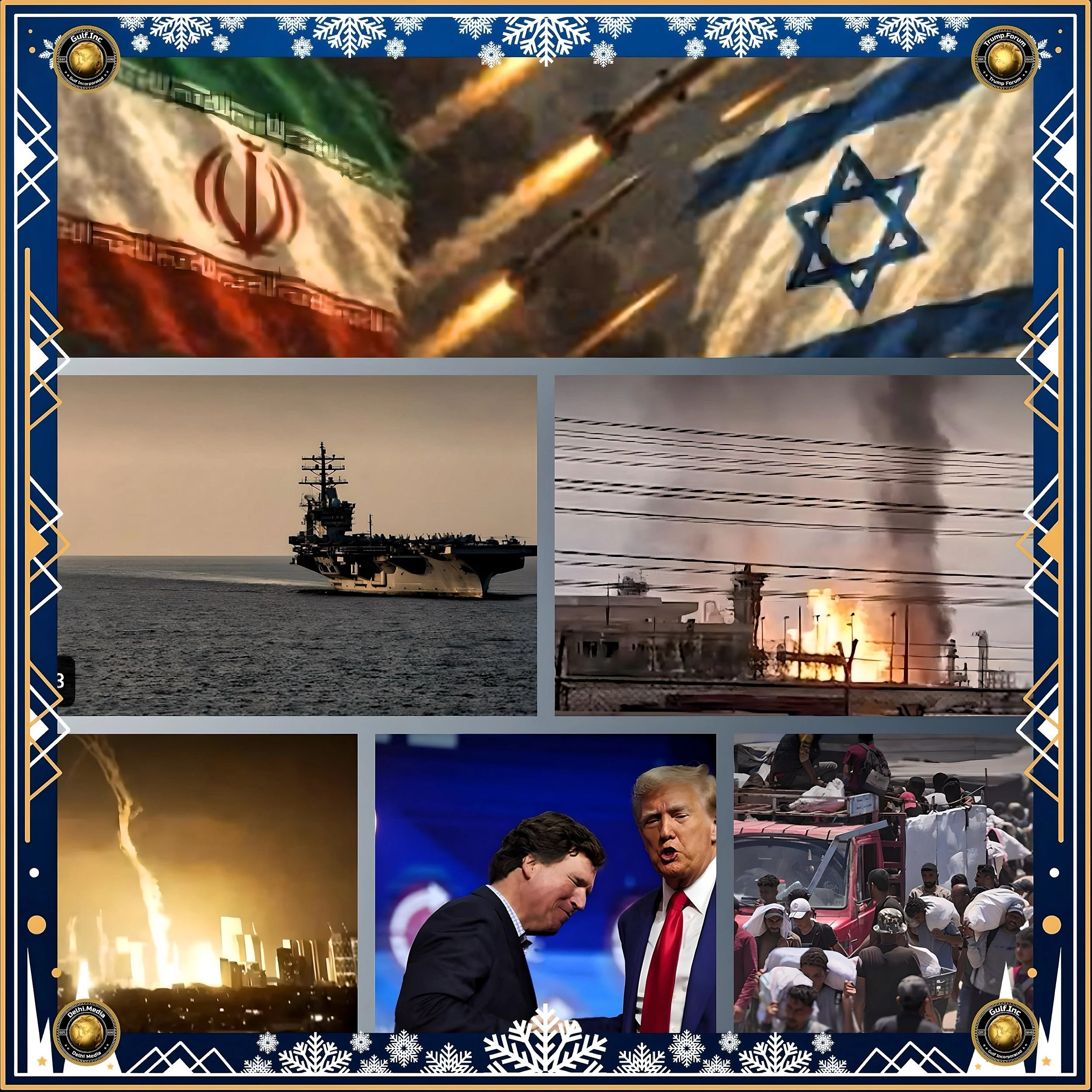
The surge in anti-American sentiment following recent military actions against Iranian nuclear facilities highlights the intricacies of the conflict, which cannot be solely attributed to U.S. or Israeli actions.
The situation escalated through the involvement of both militaries, each playing distinct roles, further complicating global perceptions.
Was it an American or Israeli Attack?
Initial Strikes
The conflict began with unilateral airstrikes by Israel targeting Iranian nuclear and military infrastructures, an operation Israel termed “Operation Rising Lion.”
U.S. Involvement
The United States later escalated its involvement, with President Trump confirming the deployment of U.S. B-2 bombers and cruise missiles to strike critical Iranian sites such as Fordow, Natanz, and Isfahan.
Public Narrative
In the initial stages, U.S. media and officials portrayed Israel as acting independently. However, subsequent disclosures labeled many of these operations as joint U.S.-Israel actions, particularly given the unique capabilities of the U.S. military to conduct heavy bombardments on fortified positions.
Statements from both the Pentagon and the White House indicated that Israel had briefed the U.S. prior to its initial strikes, with the operational command resting subsequently with the U.S., maintaining an emphasis on diplomatic messaging to avert broader regional conflict.
Anti-American vs. Anti-Israeli Sentiment
Regional and Global Response
Following the U.S. involvement in attacking Iranian nuclear sites, global sentiments sharply transitioned from outrage directed at Israel to heightened animosity toward the United States for its direct participation.
Iran’s Reaction
Despite U.S. assertions of non-involvement in the early Israeli airstrikes, Iranian officials quickly attributed complicity to Washington, especially after the U.S. performed significant air operations against nuclear installations.
International Concerns
The global reaction, particularly from traditional U.S. allies, was one of alarm, with calls for restraint amid fears that U.S. engagement represented a serious escalation with potentially unpredictable consequences.
Public Perception and “Ownership” of the War
U.S. Public Opinion
Polling data in the U.S. reveals a nation divided: only 35% approve of the airstrikes against Iranian targets, while 46% disapprove, with a majority skeptical about the effectiveness of these actions for enhancing national security and fearing further escalation.
Media Framing
While many media outlets initially emphasized Israel's role in striking Iran, the complexity of the situation—especially the U.S.'s critical military involvement—has led both regional and global audiences to associate the resulting unrest equally with both nations.
Public displays in Tel Aviv calling for U.S. participation indicate a shared ownership of the military engagement.
Expert Views
Scholars and diplomats caution that U.S. collaboration with Israel may inadvertently validate Iranian narratives of “Western aggression,” which could spike anti-American sentiment even while Israel is viewed as the primary aggressor.
In summary, both Israel and the U.S. played significant yet distinguishable roles in the operations against Iranian nuclear sites.
Initial anti-Israeli sentiment expanded into broader anti-American sentiment following U.S. airstrikes, as many observers now view American involvement as a critical factor in transforming a regional standoff into a more extensive existential conflict.
The Jerusalem Embassy Move: Igniting Religious and Regional Frictions
The December 2017 recognition of Jerusalem as Israel’s capital, followed by the embassy relocation in May 2018, incited worldwide condemnation.
The UN General Assembly voted overwhelmingly—128 in favor to 9 against—to reject the U.S. decision, with even key allies like Britain, France, and Germany opposing the American stance.
Yemen: Dynamics of Proxy Warfare and American Involvement
The emergence of proxy wars stands as a crucial aspect of the contemporary landscape of anti-American sentiment.
The U.S. involvement in Yemen since 2015 exemplifies how backing regional allies can entangle the United States in protracted conflicts, which often lead to considerable civilian casualties and regional backlash.
The Saudi-led intervention in Yemen, underpinned by U.S. military support through arms sales, intelligence sharing, and logistical assistance, has precipitated what the United Nations has labeled as the world’s most severe humanitarian crisis.
A 2024 analysis posits that American involvement in backing Saudi-led military operations against the Houthi movement has been counterproductive, exacerbating the conflict rather than facilitating its resolution.
The humanitarian toll has been staggering, with the conflict leading to hundreds of thousands of fatalities and the displacement of millions.
Human Rights Watch has criticized the U.S. for its insufficient commitment to holding its allies, particularly Saudi Arabia and the UAE, accountable for potential violations of human rights.
This pattern of supporting allies implicated in human rights abuses has become a focal point of international criticism directed at U.S. foreign policy.
U.S. Proxy Engagement in Syria
In a recent development regarding the Syrian conflict, Press Secretary Karine Levitt indicated that the U.S. was taken by surprise by an Israeli operation targeting Damascus, although Israel claimed prior coordination with the White House.
Following the incident, the U.S. engaged in diplomacy, urging Israel to withdraw.
Israel justified its actions by stating it operated under an invitation from the Druze monarchy, a claim that was notably repudiated by the Druze community, thus highlighting tensions related to Israel’s regional expansionism.
US Tariff Global war
The Impact of the 2025 Tariff Increases on Global Public Opinion toward the United States
In 2025, a significant pivot in global public sentiment emerged as a direct consequence of substantial tariff increases instituted by the United States.
Data illustrate a pronounced decline in net favorability toward the US across the majority of surveyed countries, with notable escalations in anti-American sentiment observed throughout Europe, Asia, and selected regions within the Americas.
Survey Results Overview
Analysis from Morning Consult and Statista highlights that the US's reputation deteriorated in 38 out of 42 nations post-announcement of the tariffs.
The most substantial declines were reported in Sweden (-47 points), Canada (-44), Norway (-36), the UK (-31), and France (-33).
European surveys indicate that up to 70% of Swedes are either avoiding or contemplating avoidance of US products, with parallel trends manifesting in Germany, France, and the UK.
This has fueled an uptick in consumer boycotts and negative brand associations linked to American products.
Pew Research indicates that over half of adults in 19 of 24 surveyed major countries express a lack of confidence in American leadership following these tariff events, signaling a broader crisis in the US’s soft power.
Factors Behind Rising Anti-Americanism
Polling analyses attribute this surge in anti-American sentiment to aggressive tariff measures, perceived unilateralism in international trade, and broader geopolitical grievances connected to US involvement in Ukraine and the Middle East.
Even among traditional allies, the US is increasingly characterized as an unreliable economic partner, resulting in multinational brands like McDonald's and Levi's experiencing measurable business declines correlated with these shifts in public opinion and intensified local media critiques.
Regional Variability and Exceptions
It's noteworthy that not all trends reflect a uniformly negative outlook.
Russia and Israel reported slight improvements in US favorability, which could be linked to the US diplomatic engagements in Ukraine and the Middle East.
However, these instances stand out as exceptions within a predominantly declining global perception.
In China, sentiment saw a brief uptick due to moderated tariff escalations; nevertheless, the overarching view remains significantly negative amidst expectations of renewed trade tensions.
US Domestic Public Opinion Landscape
Within the United States, polling reflects sharp partisan divisions regarding the tariff policy's outcomes.
Nonetheless, a majority of Americans perceive the tariffs as detrimental to both national interest and personal financial wellbeing.
Support for international free trade appears to be gaining traction among the public, reflecting an increasing skepticism toward economic nationalism and a growing inclination to counteract isolationist tendencies.
In summary, the 2025 wave of US tariff increases has precipitated a historically steep decline in global public approval, carrying substantial implications for international perceptions, confidence in US leadership, and the global standing of American brands and businesses.
The Venezuela Crisis
In the past few weeks, U.S. rhetoric surrounding Venezuela has intensified, marked by an increase in the financial bounty on President Maduro from $25 million to $50 million.
Concurrently, U.S. Navy SEAL movements in proximity to Venezuela have raised alarms, with the administration framing these actions within the context of combating drug cartels and addressing the so-called dictatorship under Maduro.
Recent directives from former President Trump have reportedly included orders to engage with threats towards U.S. naval assets, signaling a potential escalation that could have broader implications for international relations and Venezuelan sovereignty.
Historical Patterns of American Intervention
The ongoing analysis of U.S. policy underlines a historical continuity in interventionist strategies, with the Vietnam War and the 2003 invasion of Iraq serving as pivotal events that reshaped global perceptions of American power and intentions.
The Vietnam War provoked widespread international dissent, with protests peaking in 1967 at around 400,000 participants in New York alone, emblematic of the global backlash against perceived American imperialism.
The Iraq War, initiated under the pretext of neutralizing weapons of mass destruction that ultimately proved non-existent, severely tarnished U.S. credibility worldwide.
The manipulation of intelligence by agencies, particularly highlighted by the Office of Special Plans, reinforced suspicions regarding the integrity of U.S. decision-making processes.
The Concept of “Blowback” in Proxy Warfare
The aforementioned analysis of proxy conflicts is pivotal in understanding the concept of "blowback"—the unintended repercussions that arise from supporting allied factions.
Current conflicts in Syria and Yemen epitomize how major powers, including the U.S., Russia, Iran, and Saudi Arabia, leverage local actors to vie for geopolitical influence.
These proxy engagements present distinct challenges for U.S. interests: they often extend the duration of conflicts by mitigating incentives for local parties to negotiate.
Furthermore, they tend to generate civilian casualties, engendering animosity towards external sponsors.
Most critically, they can result in blowback, where the very groups supported turn against their benefactors, further complicating the security landscape.
Conclusion
The Crisis of Legitimacy in the Contemporary Context
A survey of historical trends alongside recent events reveals a consistent theme in U.S. foreign policy: actions often favor short-term strategic gains over adherence to international law, collaborative multilateral engagement, and the protection of civilian rights.
This approach cultivates a “legitimacy deficit,” diminishing the long-term efficacy of American influence.
The policies instituted during the Trump administration accentuated this legitimacy crisis, fostering perceptions of American exceptionalism as problematic rather than altruistic, particularly through unilateral withdrawals from international accords and backing controversial military operations.
This dynamic, as highlighted in your analysis, transcends any single administration or policy, speaking to an enduring tension inherent in the U.S.'s global engagement strategy.