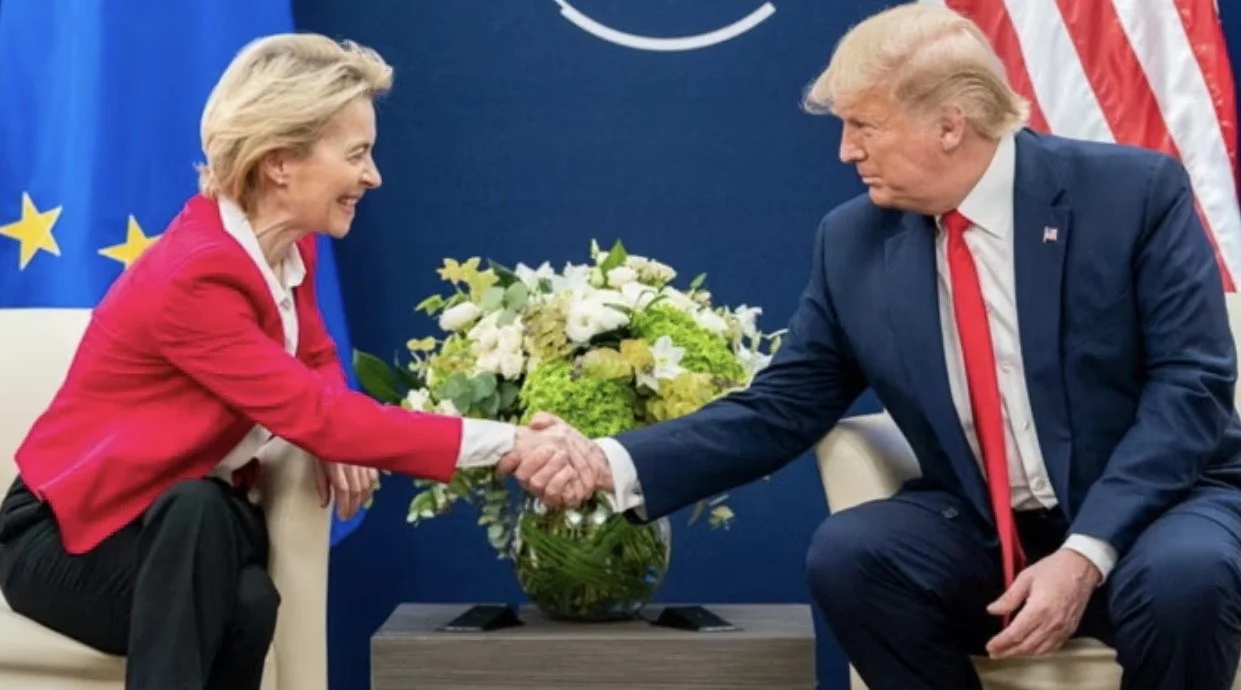
Navigating the Complexities of Trump's Foreign Policy: Europe's Strategic Response
Executive Summary
Europe Faces the Diplomatic Dilemmas of Trump's Foreign Policy
As the Trump administration embarked on its unconventional approach to foreign affairs, European nations found themselves contending with a landscape fraught with uncertainty.
The U.S. President's penchant for unilateral decision-making, coupled with a penchant for questioning long-standing alliances, posed significant challenges to European leaders.
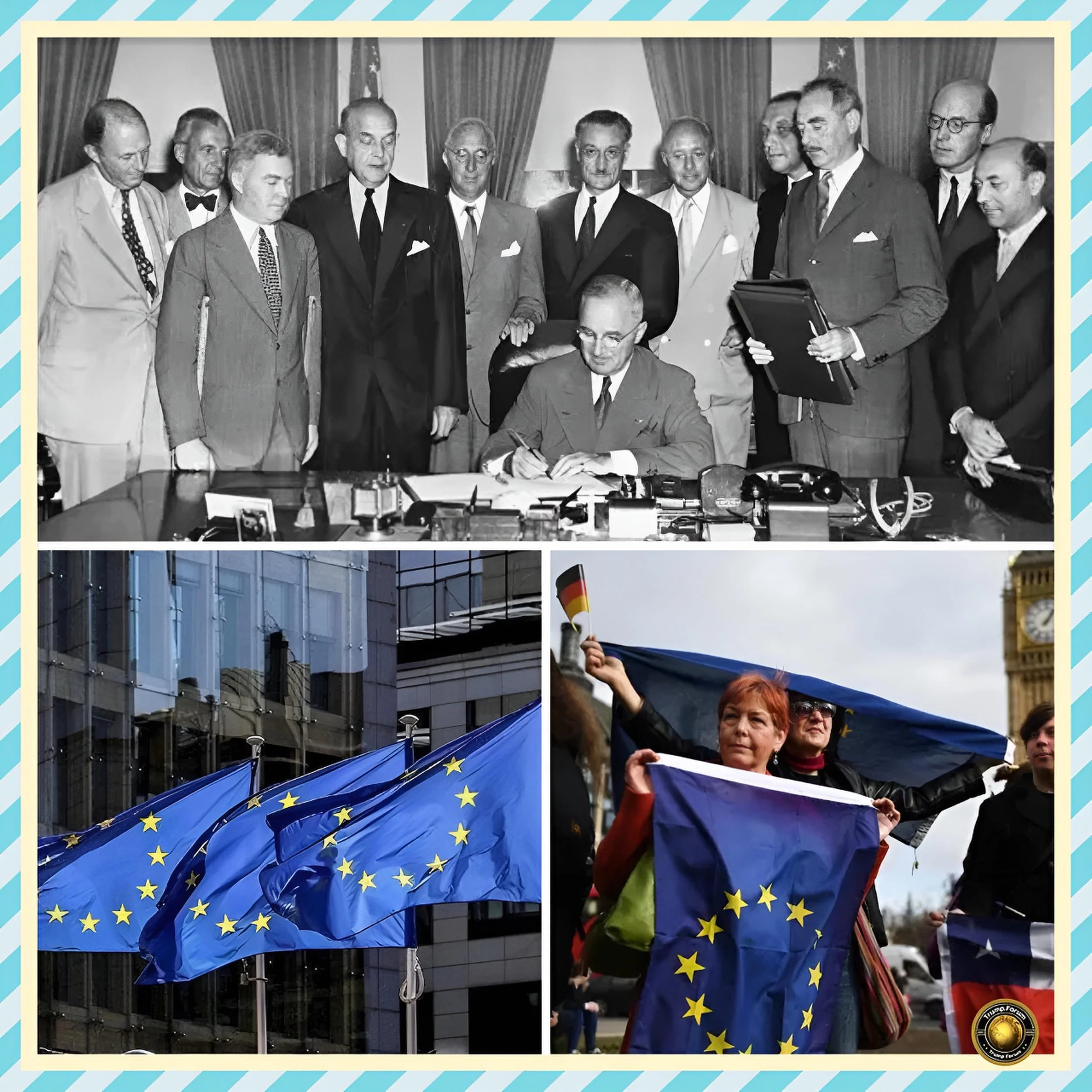
In the wake of Trump's contentious withdrawal from international agreements, such as the Paris Climate Accord and the Iran Nuclear Deal, European countries were compelled to forge a unified front.
They sought to reinforce their commitment to multilateralism, often stepping in to fill the gaps left by the U.S.
This was especially evident in the concerted efforts by France, Germany, and the United Kingdom to maintain the integrity of the Iran deal, navigating complex negotiations to preserve diplomatic channels and prevent potential conflict.
In addition to policy shifts, the rhetoric emanating from Washington added an urgent dimension to transatlantic relations.
Trump's dismissive remarks towards NATO sparked anxiety over collective security commitments, prompting European nations to reconsider their defense strategies and investment in military capabilities.
Leaders rallied to reaffirm NATO's importance while also advocating for a more robust European defense posture, aiming for greater autonomy in foreign affairs.
Trade relationships also came under strain, with tariffs and trade disputes creating rifts that required deft diplomacy.
Europe found itself negotiating with a partner that often employed aggressive tactics, leading to a recalibration of trade agreements and new economic alliances.
In summary, Europe's navigation of Trump's foreign policy has been characterized by a delicate balance of asserting its own interests while grappling with the unpredictability of an ally.
The continued evolution of these dynamics underscores the resilience and adaptability of European nations in the face of change and uncertainty on the global stage.
Introduction
The European Union currently faces a multifaceted and increasingly intricate challenge as it navigates the erratic foreign policy tendencies of the Trump administration.
This administration has demonstrated a penchant for fierce criticisms directed at its European counterparts, combined with abrupt shifts in policy that have compelled Brussels to rapidly adjust its strategic maneuvers.
Trump’s Sudden Shift on Ukraine Policy Sparks New Dynamics
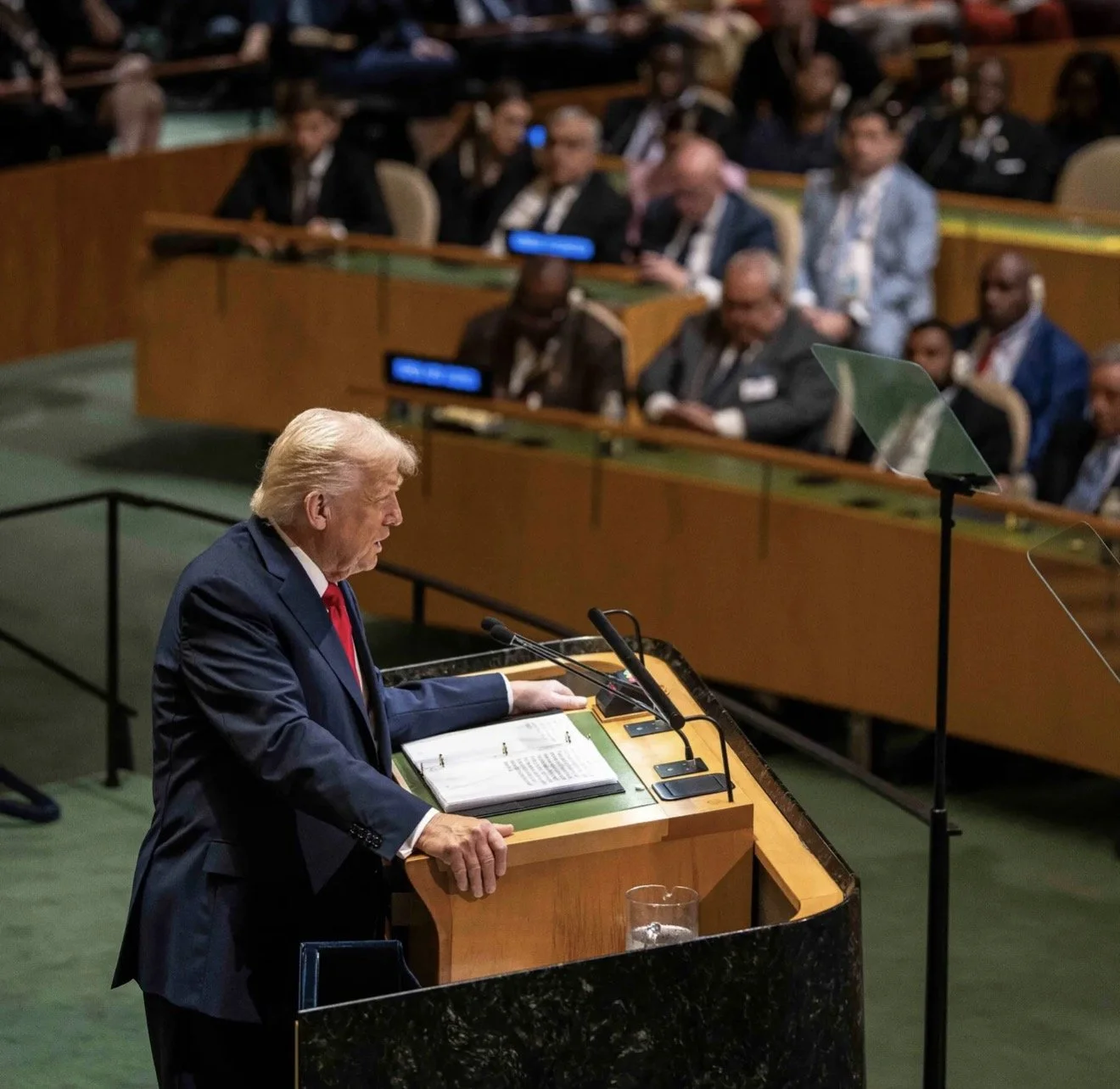
Recent remarks made by Donald Trump during the United Nations General Assembly vividly illustrate the capricious nature of his foreign policy. After several months of advocating for Ukraine to concede territory to Russia as a pathway to peace, Trump executed a striking turnaround.
Trump announced on his social media platform, Truth Social, that Ukraine is “in a position to fight and WIN all of Ukraine back in its original form.”
This unexpected pivot occurred just hours after he delivered a stinging address at the UN, where he chastised European nations for purchasing oil and gas from Russia at a time when they are ostensibly contending with Russian aggression.
EU foreign policy chief Kaja Kallas expressed her approval of this abrupt change of tone, commenting, “These have been very strong statements that we haven’t heard before in such formats, so it is really good that we are in the same understanding now.”
However, the unpredictable nature of Trump’s turnaround illuminates the significant hurdles that Europe must overcome in addressing an administration whose positions can alter swiftly and without apparent rationale.
Europe’s Strategic Response: Pursuing Diversification and Autonomy
Confronted with Trump’s mercurial stance and his direct assaults on European institutions, the EU has embarked on a comprehensive, multi-faceted strategy aimed at fostering strategic autonomy while also diversifying its global partnerships. As Kaja Kallas aptly put it, “We are trying to have more friends around the world,” highlighting Europe's commitment to decrease its dependence on its traditional ally, the United States.
This strategic shift comprises several key elements
Enhanced Global Partnerships
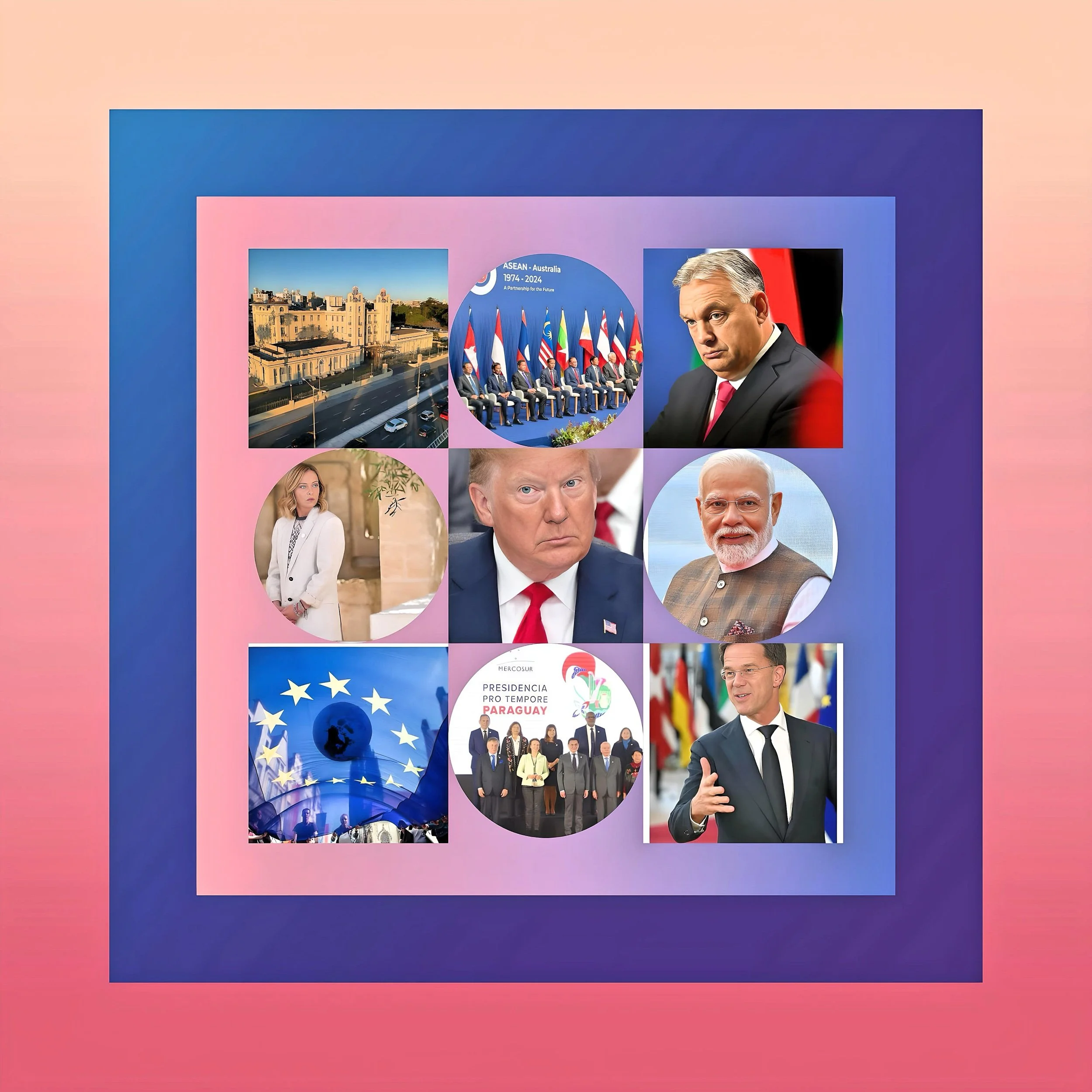
The EU is actively accelerating trade negotiations with an array of alternative partners. This includes finalizing trade agreements with nations such as Canada, Japan, and South Korea, as well as with the Mercosur bloc of South American countries, all of which collectively could establish the world’s largest free trading area.
Moreover, the bloc is enhancing its technological partnerships with rapidly emerging economies like India and is working to strengthen energy collaboration with its Mediterranean neighbors, seeking to create a more integrated and resilient energy network.
Defense Independence
European leaders are advocating for increased military autonomy, marking a significant departure from decades of reliance on NATO and U.S. military protection.
This push for defense independence is manifested through elevated defense budgets and the development of joint military capabilities among member states, reflecting a fundamental shift in how Europe envisions its own security framework.
Economic Resilience
To bolster its economic standing and competitiveness against titans such as the United States and China, the EU is diligently working to finalize its single market.
This entails reducing administrative hurdles and fortifying its technological sovereignty, thereby aiming for a more robust and resilient economic infrastructure that can thrive on the global stage.
Through these initiatives, the European Union is positioning itself to adapt to a rapidly changing international landscape while striving for greater autonomy and confidence in its strategic decisions.
The Trade Deal Dilemma and Trump’s Coercive Tactics
The July 2025 EU-US trade agreement serves as a revealing case study of the multifaceted pressures facing Europe and the inherent limitations of Donald Trump's distinctive negotiation style.
Initially, Trump issued a stern threat of imposing sweeping 30% tariffs on a wide range of European goods, generating significant anxiety among EU leaders.
Ultimately, he brokered a deal that settled on more moderate 15% tariffs on most EU exports entering the United States.
In conjunction with these tariffs, the agreement included formidable commitments from Europe to significantly increase its energy purchases from the U.S., as well as invest heavily in American infrastructure.
However, Trump's subsequent maneuvering raised eyebrows among analysts and diplomats alike. He threatened to ramp up tariffs on pharmaceuticals to an exorbitant 250%, an action that brazenly contradicted the newly signed agreement.
Such threats exemplify what experts have termed Trump's predictable “ultimatum playbook,” a strategy that prioritizes coercive pressure over collaborative, mutually beneficial agreements, pushing Europe into a corner where compliance with American demands appears to be the only option.
Uncomfortable Alliances and Diplomatic Isolation
Estonian Prime Minister Kaja Kallas has expressed significant unease regarding Trump’s perceived alignment with Russian narratives.
She articulated her discomfort in hearing U.S. leaders echo "Russian talking points" pertaining to Ukraine, a situation that escalated when the U.S. aligned itself with nations such as North Korea, Russia, Belarus, Mali, Nicaragua, and Haiti in voting against a UN resolution that condemned Russia’s invasion of Ukraine.
The Trump administration's approach has not only strained diplomatic relations but has also involved overt interference in the domestic politics of European nations.
Vice President Vance criticized several European countries for allegedly infringing on free speech and for their perceived leniency toward far-right political movements, thus complicating the already challenging dynamics of transatlantic relations.
Challenges in Building Consensus
In addition to external pressures emanating from Washington, Europe faces a myriad of significant internal challenges that impede the development of a cohesive response to these diplomatic tensions.
The EU's framework, which mandates unanimous decision-making on foreign policy matters, frequently hampers decisive action.
This was particularly evident in the EU's protracted struggles to impose sanctions on Israel over its actions in Gaza, highlighting the difficulty in achieving a unified stance.
As Kallas poignantly noted, “When we are divided, we do not have a unified voice, and if you do not have a unified voice then on this topic, we do not have a voice on the global scene.”
The rise of far-right political parties across Europe, many of which find common ground with Trump’s confrontational approach, adds an additional layer of complexity to efforts aimed at fostering European solidarity.
Notably, countries like Hungary continue to cultivate closer ties with Russia, further undermining the EU's unity on critical security concerns and complicating collective action in response to rising geopolitical tensions.
Conclusion
Long-term Implications for Transatlantic Relations
European analysts are increasingly interpreting the prospect of Trump's return as a catalyst for significant transformations in the transatlantic dynamic. Rather than a mere episode of disruption, this moment may present an impetus for Europe to assert itself as a more autonomous global actor.
As articulated in one analysis, “Trump’s concentration of power, his immunity to traditional constraints, and his disruptive decision-making processes may distort the US governmental system for years, potentially paving the way for subsequent presidencies marked by similar issues.”
This evolving perspective has spurred calls for Europe to prepare for what has been termed “a long solitary game,” necessitating a heightened reliance on its own strategic capabilities.
The central challenge lies in whether European leadership can transcend existing internal divisions to construct the requisite economic and military strength that would enable genuine strategic autonomy.
The current geopolitical landscape represents a critical inflection point for European integration and its global influence.
Successfully navigating the challenges posed by Trump's tenure could bolster Europe’s stature as an independent pole within an increasingly multipolar world.
Conversely, failure to adapt could render the continent susceptible to external pressures and exacerbate internal fragmentation.
As developments continue to unfold, Europe's capacity to unify around a coherent strategic framework while selectively cooperating with the United States will be pivotal in shaping its future role on the international stage.