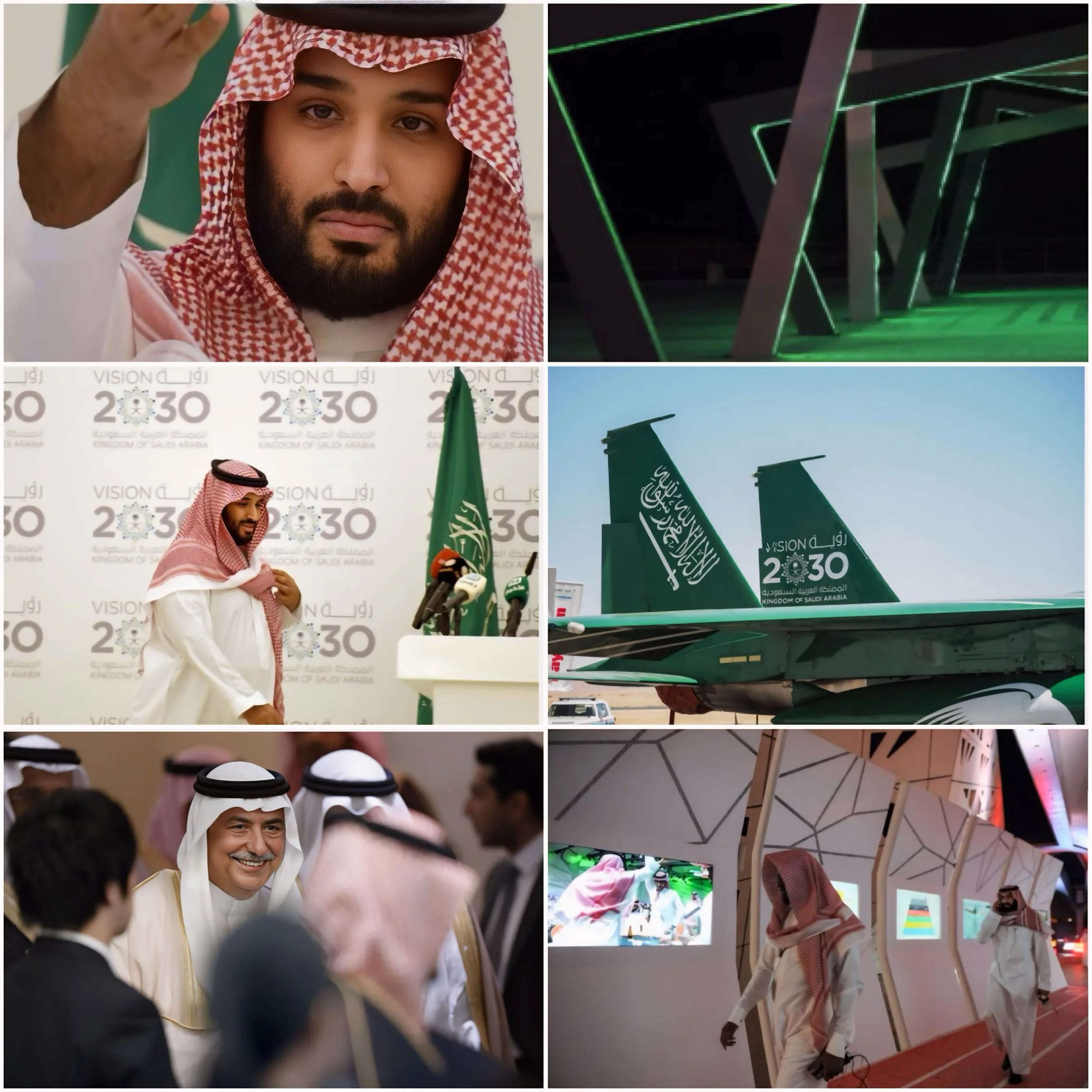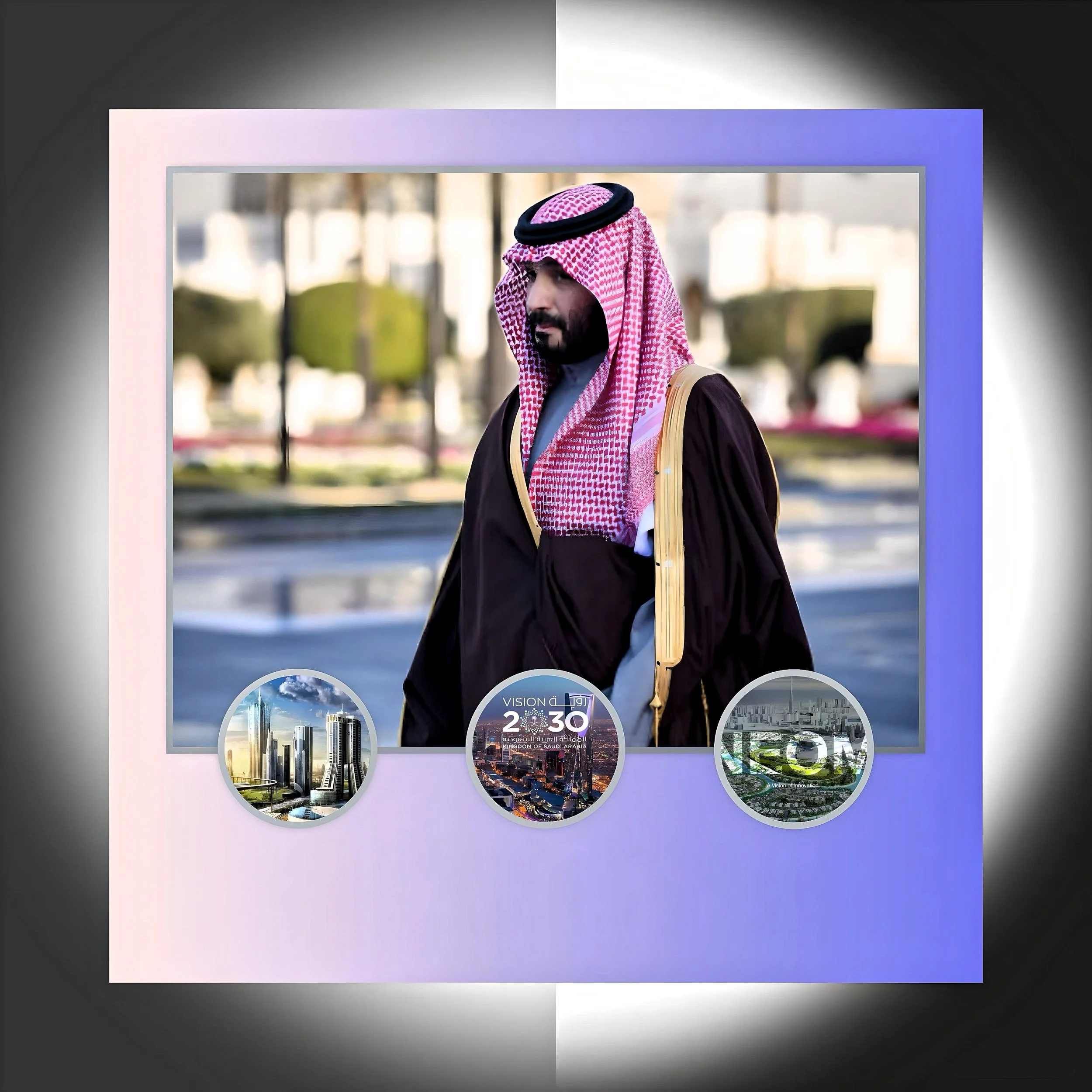
Saudi Vision 2040: Ambitions Beyond 2030 and Progress Assessment
Executive Summary
Saudi Vision 2040: Aspirations Extending Beyond 2030 and Evaluation of Progress
Saudi Vision 2040 encompasses a comprehensive strategic plan aimed at transforming the Kingdom's economy and society, building on the earlier goals set for 2030.
This initiative focuses on advancing various sectors, such as technology, tourism, and renewable energy, while fostering sustainable development.
The vision seeks to diversify the economy away from oil dependence, promoting entrepreneurship, and attracting foreign investments.
In this context, a thorough assessment of the progress made since the introduction of Vision 2030 serves as a vital benchmark.
It includes tracking key performance indicators, analyzing sector-specific advancements, and evaluating stakeholder involvement.
The overarching aim is to ensure that the Kingdom not only meets its near-term objectives but also lays a robust foundation for long-term growth and stability, setting the stage for an innovative and prosperous future by 2040.
Introduction
Key Elements of Saudi Vision 2040: An In-Depth Overview
Saudi Vision 2040 signifies a pivotal evolution in Saudi Arabia’s ongoing economic transformation, expanding upon the foundational framework set by the Vision 2030 program.
While detailed plans are still being formulated, Crown Prince Mohammed bin Salman revealed in September 2023 that the official announcement of Vision 2040 is expected between 2027 and 2028.
Preparatory work for this ambitious strategic initiative is set to commence upon the completion of key objectives outlined in Vision 2030, anticipated to occur in the first half of 2024.
Strategic Framework of Vision 2040
As we look ahead to Vision 2040, it is essential to examine its potential framework in the context of the achievements of Vision 2030.
Preliminary outlines suggest several strategic elements that are likely to define the new vision:
Economic Transformation Objectives
Vision 2040 aims for a dramatic acceleration in economic diversification and transformation beyond what was planned in Vision 2030.
Projections indicate a goal for the non-oil sector to contribute up to 46% of the Kingdom's Gross Domestic Product (GDP), representing a significant leap from the 45-50% target established under Vision 2030.
Central to this economic strategy is the Public Investment Fund (PIF), which is expected to expand its assets from the current $925-945 billion to a staggering $2-3 trillion by 2030, and potentially surpass $3 trillion by 2040.
Focus on Technology and Innovation
A cornerstone of Vision 2040 is its emphasis on advanced sectors poised for growth, such as biotechnology, artificial intelligence (AI), genomics, vaccine development, plant optimization, and biomanufacturing.
The vision positions the Kingdom as a regional leader in these transformative and high-tech industries, leveraging innovation as a catalyst for economic advancement.
Infrastructure Development and Megaprojects
The new initiative encompasses the continuation of an ambitious $1.25 trillion investment in giga-projects, which includes transformative endeavors like NEOM and the Red Sea Project.
These monumental projects aim to create new economic landscapes that will enable the Kingdom to reduce its historical dependence on oil.
Distinctions Between Vision 2040 and Vision 2030
As the Kingdom transitions from Vision 2030 to Vision 2040, it represents a strategic evolution rather than a complete overhaul. Key distinctions include:
Temporal Scope and Long-term Ambition
Vision 2030 was primarily focused on establishing foundational diversification of the economy. In contrast, Vision 2040 sets its sights on enduring transformation that extends well beyond 2040, recognizing that achieving true economic diversification necessitates long-term commitment across generations.
Refined Investment Strategies
Building on the lessons learned from the implementation of Vision 2030, Vision 2040 will refine its investment strategies.
The PIF's approach has shifted dramatically, with a focus transitioning from 80% international investments in 2015 to an 80% focus on domestic opportunities today.
Future international investments will now hinge on encouraging reciprocal foreign investments within Saudi Arabia itself.
Sector-Specific Growth and Focus
Unlike the comprehensive diversification approach taken in Vision 2030, Vision 2040 adopts a more targeted focus on high-value sectors where Saudi Arabia possesses competitive advantages, particularly in the fields of biotechnology, artificial intelligence, and renewable energy sources.
Lessons from Implementation Experience
Vision 2040 will leverage the insights gained from the execution of Vision 2030. Experts suggest that this new vision will likely focus on recalibrating critical issues surrounding participatory governance, climate change mitigation strategies, and the stability of the region.
Current Progress of Vision 2030
Milestones of Economic Diversification
Significant strides have been achieved under Vision 2030, as evidenced by Saudi Arabia’s notable growth in the non-oil economy.
In the first two quarters of 2025, non-oil GDP expanded by 4.9% and 4.7% respectively, markedly outpacing the oil sector’s performance.
For the first time in the country's history, non-oil activities now represent over 52% of the overall GDP.
Fiscal Transformation and Revenue Growth
The Kingdom's financial landscape has also transformed, with non-oil revenues soaring to $40 billion in Q2 2025, accounting for 49.7% of total government income—a notable increase from less than 40% in the previous fiscal year.
This illustrates the remarkable progress made toward fiscal diversification.
Key Performance Indicators Achievement
Vision 2030 has met significant milestones, with 93% of nearly 400 third-level Key Performance Indicators (KPIs) fully or partially achieved, along with over 85% of more than 1,500 strategic initiatives either completed or on track.
Social and Humanitarian Challenges
Despite impressive economic progress, Saudi Arabia continues to grapple with severe humanitarian challenges that cast doubt on the long-term sustainability of its transformation efforts.
Exploitation of Migrant Workers
The Kingdom's ambitious construction projects, now a hallmark of Vision 2030, have heavily relied on the labor of migrant workers, many of whom suffer egregious exploitation.
A 2024 ITV documentary revealed that since the inception of Vision 2030 in 2016, approximately 21,000 migrant workers from India, Bangladesh, and Nepal have tragically lost their lives.
Reports from workers at NEOM indicate harrowing conditions, including 16-hour workdays, lack of leave, unpaid commutes, and insufficient time for rest.
Systematic Labor Abuses
Human rights organizations, including Human Rights Watch, have reported that the Saudi economy is heavily reliant on its 13.4 million migrants, who constitute 41.6% of the population.
Many of these individuals are subjected to the exploitative kafala (sponsorship) system, which grants employers excessive control over workers’ rights and mobility. Despite some reforms, the system remains largely intact, continuing to facilitate forced labor conditions.
Suppression of Human Rights
Saudi Arabia has faced criticism for its ongoing crackdown on human rights, with arbitrary arrests of activists, human rights defenders, and peaceful dissidents persisting unabated.
The government increasingly targets social media users for expressing peaceful opinions, imposing severe penalties, including long prison sentences or even death for online comments.
Violence at Border Areas
Furthermore, incidents of violence have occurred at the Kingdom's borders, with reports indicating that Saudi border guards have been responsible for the deaths of hundreds of Ethiopian migrants attempting to cross into Saudi Arabia, highlighting the urgent need for reform and humanitarian consideration in border policy.
In summary, as Saudi Arabia forges ahead with Vision 2040, a balanced approach that reconciles economic ambitions with urgent social and humanitarian reforms will be vital for achieving sustainable transformation.
Limitations of Women's Rights in Saudi Arabia
Despite recent reforms aimed at improving women’s rights in Saudi Arabia, significant issues persist.
The Kingdom’s inaugural codified personal status law explicitly enshrines the principle of male guardianship, maintaining that women must rely on male relatives for various legal decisions and personal autonomy.
This legislation includes troubling provisions that could inadvertently facilitate domestic violence, highlighting the ongoing struggle for true gender equality.
The plight of female migrant domestic workers is particularly alarming. Many of these workers endure severe exploitation, which can escalate to forced labor and human trafficking.
This demographic often faces harsh working conditions, lack of legal protections, and vulnerability to abuse, showcasing a critical human rights violation that needs urgent attention.
Is Saudi Arabia Moving in the Right Direction?
The situation presents a complex paradox. On one hand, Saudi Arabia is achieving notable success in diversifying its economy, indicating a potential shift from reliance on oil revenue.
The non-oil sectors are increasingly functioning as genuine engines of growth, rather than mere supplements, which shows a progressive economic strategy.
Positive Economic Indicators
The non-oil Gross Domestic Product (GDP) is experiencing consistent annual growth rates between 4% and 5%, a significant indicator of economic health and resilience.
The private sector’s contribution to the economy is steadily rising, now accounting for 47% of the GDP, which reflects growing entrepreneurial activity and investment opportunities.
Large-scale mega-projects are being implemented successfully, with visible progress on infrastructure that promises to reshape the economic landscape of the Kingdom.
The government has articulated a strategic vision that extends beyond 2040, demonstrating a long-term commitment to sustainability and modernization.
Critical Humanitarian Concerns
Yet, amid these economic advancements, serious humanitarian issues linger.
The systematic exploitation of migrant workers raises profound ethical questions about the country’s moral legitimacy and commitment to human rights.
There continues to be a repression of fundamental human rights alongside the country’s economic modernization, which suggests that progress in one area does not necessarily translate into improvements in civil liberties.
Moreover, the lack of participatory governance restricts pathways for genuine reform and sustainable transformation.
Lastly, there are significant gaps in environmental and social responsibility related to the ambitious mega-projects, raising concerns about their long-term viability and the well-being of local communities.
Conclusion
Saudi Arabia is succeeding in its economic diversification objectives but failing to address fundamental human rights and social justice issues.
The Kingdom’s approach represents authoritarian modernization – achieving economic transformation while maintaining repressive governance structures.
This creates long-term sustainability risks, as successful diversification typically requires more open societies, rule of law, and respect for human rights to attract talent and investment.
For Vision 2040 to achieve lasting success, Saudi Arabia must address these humanitarian challenges rather than treating them as externalities to economic development.
The Kingdom’s ability to become a truly modern, diversified economy may ultimately depend on resolving this fundamental contradiction between economic modernization and social repression