The Situation in Ukraine: A Blueprint for Addressing Territorial Aggression in Asia.
Executive Summary
As global dynamics shift, Ukraine's ongoing struggle for sovereignty amidst external aggression may serve as a critical framework for addressing similar territorial conflicts in Asia.
The geopolitical challenges faced by Ukraine—marked by military invasion, territorial disputes, and the quest for international support—offer a compelling case study.
This scenario not only highlights the intricate balance between national integrity and regional stability but also illustrates the role of international alliances and diplomacy in countering aggression.
FAF delves into examining Ukraine's resilient response and the strategies employed to mobilize international solidarity, nations in Asia facing similar threats could formulate effective approaches to safeguard their own interests and maintain peace.
The events in Ukraine underscore the importance of robust defense mechanisms, the necessity of cohesive diplomatic efforts, and the potential repercussions of inaction in the face of encroaching territorial claims.
As Asia navigates its own geopolitical landscape, Ukraine's experience could inform policy decisions and foster collaborative frameworks to deter future aggression.
Introduction
The question posed by former Japanese Prime Minister Fumio Kishida—whether “Ukraine is the future of Asia”—has evolved from a warning about territorial aggression to a sobering lesson about the limits of American security guarantees.
What began as an analogy between Russian expansionism in Europe and Chinese assertiveness in Asia has taken on a more ominous meaning under President Trump’s second term.
The Original Warning: Drawing Parallels Between Europe and Asia
When Russian forces invaded Ukraine in February 2022, Kishida articulated a clear strategic vision: “Just as Europe faced Russian territorial expansionism, Asia was confronting the challenge of China’s growing assertiveness”.
His message at the 2022 Shangri-La Dialogue was explicit—“Ukraine today may be East Asia tomorrow”.
This was not merely rhetorical; it reflected Japan’s recognition that the principles underlying international order were being tested simultaneously on two continents.
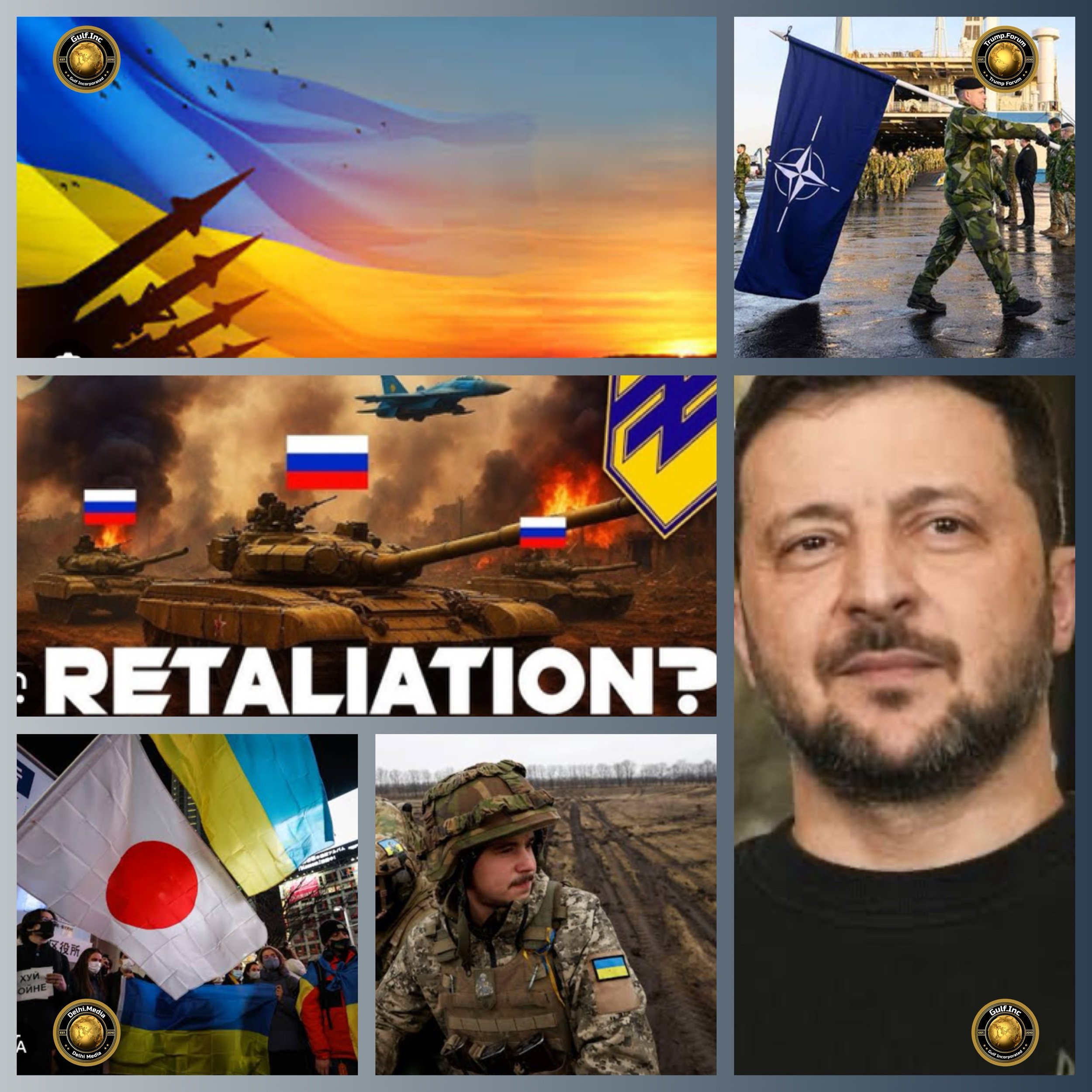
Japan responded by becoming one of Ukraine’s most significant financial backers, contributing $12.1 billion in aid and nonlethal military equipment.
Tokyo joined the “AP4” (Australia, Japan, New Zealand, and South Korea) at NATO summits, signaling an unprecedented integration of trans-Atlantic and Indo-Pacific security concerns.
This represented a fundamental shift from Japan’s traditional post-war pacifism toward active participation in defending the rules-based international order.
Ukraine template for accommodating territorial aggression
The when the costs of resistance—military and political—are deemed too high by the international community.
FAF Arguments
Failure of Deterrence & Eroded Security Guarantees
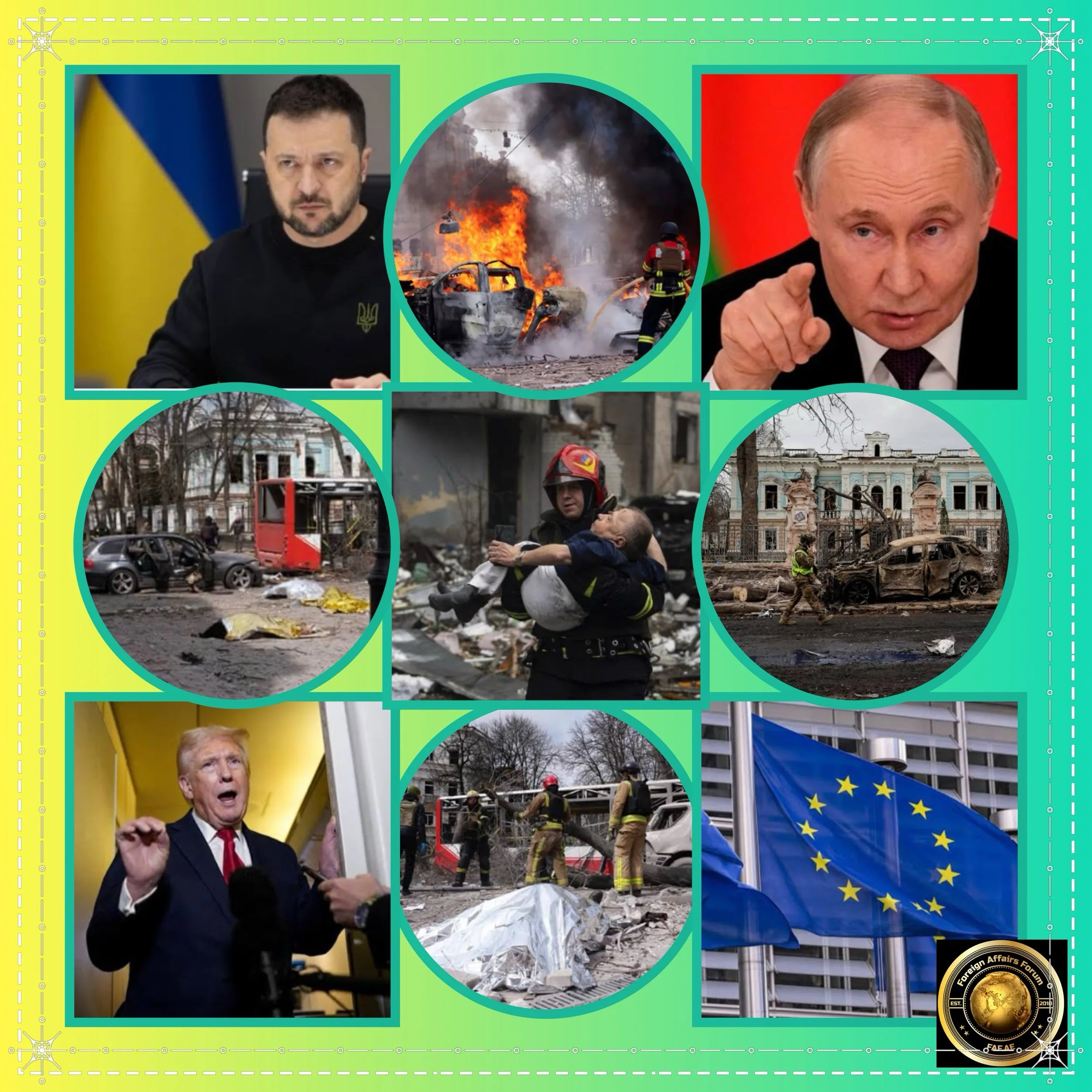
FAF highlight the Russian invasion of Ukraine as a clear failure of post-Cold War deterrence.
Despite security assurances (notably the 1994 Budapest Memorandum in which Ukraine gave up its nuclear weapons in exchange for promises of sovereignty), Western responses have fallen short of restoring Ukraine’s territorial integrity.
This undermines the credibility of future non-treaty security commitments, signaling to aggressors that, if the adversary is strong enough and the costs are high, they may get away with violating borders.
The symposium proceedings from the National Institute for Public Policy stress: “What we see in Ukraine today is a clear failure of deterrence.”
Deterrence mechanisms broke down when leadership announced in advance what limits they would not cross, thus emboldening aggression.
Challenge to International Order and Law
Legal scholars argue that Russia’s war is a direct assault on the post-World War II international order that prohibits changing borders by force.
The war is thus a watershed: the world is watching whether this precedent—that a powerful state can seize territory through war and ultimately negotiate to keep at least part of it—will stand unpunished, eroding faith in the UN charter and rules-based order.
Russian legal arguments invoking self-determination to justify aggression are broadly dismissed by the scholarly community: “Russia’s formal recognition of Donetsk and Luhansk violated Ukraine’s sovereignty and territorial integrity and constituted interference in Ukraine’s internal affairs.
The United Nations General Assembly reaffirmed…the sovereignty, independence, unity and territorial integrity of Ukraine within its internationally recognized borders”.
Broader Lessons for Deterrence and Armed Conflict
Analysts point out that Ukraine’s surrender of its nuclear arsenal, which was intended to guarantee its sovereignty, instead led to its vulnerability.
FAF analysis suggest this may have chilling effects on nonproliferation and disarmament elsewhere: states may be less willing to trust great power guarantees.
The case is viewed as especially alarming for smaller or less powerful states—if the Ukraine model becomes a norm, countries may conclude they must rely solely on self-help, increasing insecurity and arms races.
Debate on Accommodation vs. Escalation
Some commentary notes that both Russia and the West are acting with mutual caution due to nuclear weapons, resulting in a situation where neither side achieves a decisive outcome—and where a negotiated settlement involving territorial compromise becomes the least dangerous, if unsatisfactory, solution.
Academics point out historic parallels: when international stakeholders do not or cannot provide robust support for a victim of aggression, aggressors may learn that with sufficient strength and resolve—especially in the face of nuclear escalation risks—costs can be imposed on those seeking to resist, leading to normalization or acceptance of territorial changes in later negotiations.
FAF warns that the Ukraine conflict risks establishing a template for future territorial aggression—one where the world’s response to the costs of resistance is to ultimately tolerate, or even formalize, changes enforced by force of arms.
Trump’s Transactional Diplomacy: A New Precedent
The current trajectory under Trump’s administration has fundamentally altered the strategic landscape that Kishida originally warned about.
Recent diplomatic developments reveal a stark shift toward accommodating territorial acquisition through force.
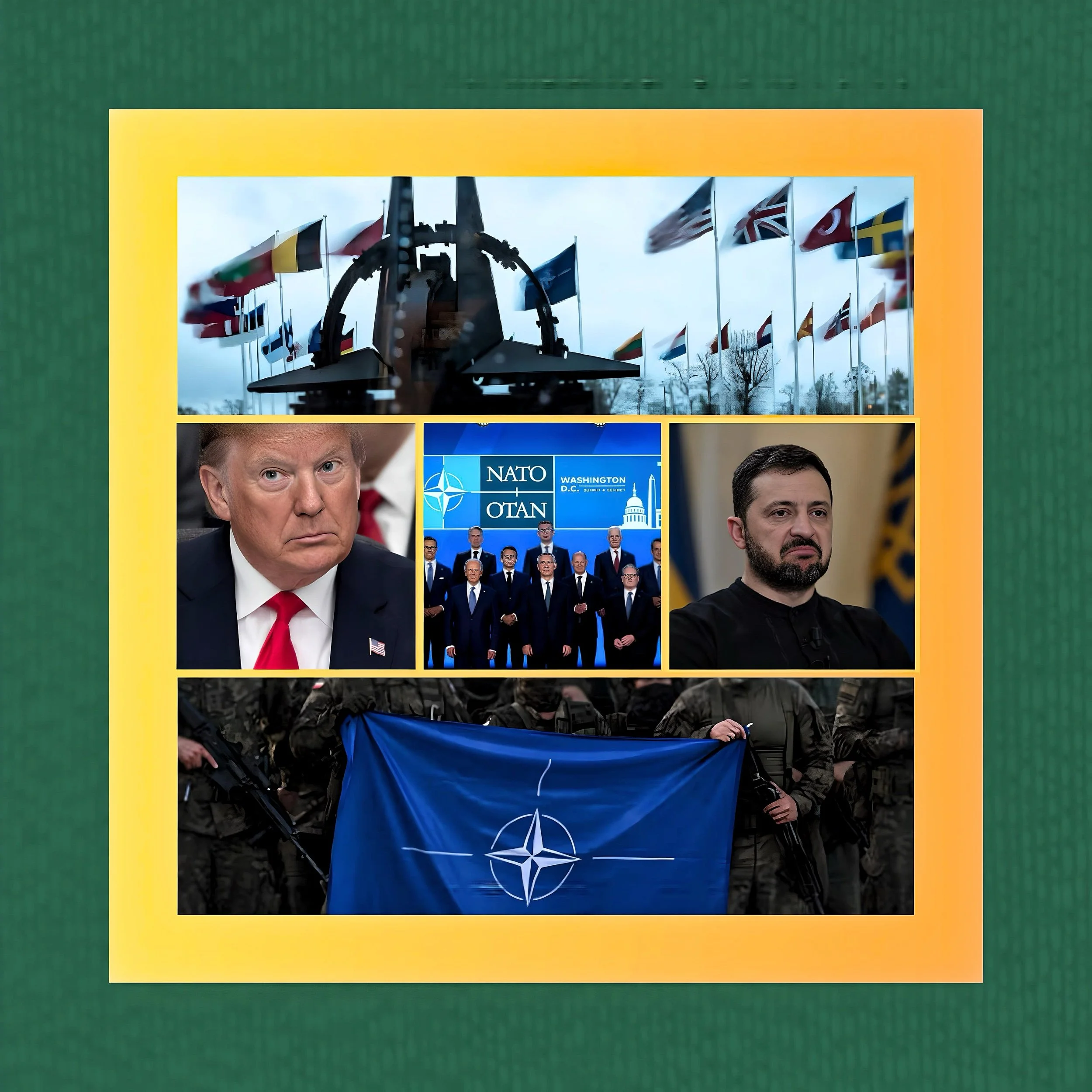
Trump has explicitly stated that Ukraine will not join NATO and that Crimea will not be returned, while pressuring Ukrainian President Zelensky to cede territory in exchange for peace.
During Trump’s meeting with Putin in Alaska, his administration abandoned demands for a ceasefire in favor of what officials termed a “comprehensive peace agreement”.
Trump’s envoy indicated that Putin had made “some concessions” regarding territorial swaps, though the specifics remain vague.
The fundamental issue is that Ukraine possesses no Russian territory to exchange, making any “land swap” effectively a one-sided concession of Ukrainian sovereignty.
Implications for Asian Security Architecture
Bilateral vs. Multilateral Vulnerabilities
The implications for Asia are particularly stark given the region’s reliance on bilateral rather than multilateral security arrangements.
Unlike Europe, which benefits from institutional frameworks like NATO and the EU, Asian allies operate through individual partnerships with the United States.
This structural difference creates greater vulnerability to shifts in American policy.
As one analysis notes: “Asian allies operating in bilateral or informal minilateral formats are far more exposed to shifts in Washington’s policies”.
The fragility of this system has become apparent as Trump negotiates Ukraine’s fate “over the heads of America’s allies,” compelling them not only to accept the settlement but to underwrite it.
The Limits of Minilateral Arrangements
The future of arrangements like AUKUS and the Quad remains uncertain under Trump’s transactional approach.
While Secretary of State Marco Rubio has convened Quad meetings and spoken favorably of AUKUS, these cannot be viewed in isolation from broader policy trends.
Trump’s emphasis on “America First” principles raises fundamental questions about whether regional security institutions can demonstrate they make America “safer,” “stronger,” and “more prosperous”—Rubio’s three criteria for State Department initiatives.
The challenge is compounded by Trump’s apparent willingness to sacrifice alliance interests for bilateral gains with major powers.
His administration’s focus on economic nationalism has already manifested in tariffs against allies, while his diplomacy with Putin suggests that even security concerns may be subordinated to his vision of stable ties with China and Russia.
China’s Strategic Position: Strengthened by American Accommodation
Military Pressure and Coercive Tactics
China’s position in Asia has strengthened considerably as American commitment appears increasingly transactional.
Beijing has intensified military pressure around Taiwan, with 70 Chinese warships and 75 aircraft conducting operations in May 2025 alone.
Chinese officials have indicated their military could switch from peacetime to wartime operations “at any time” without warning.
The pattern of Chinese coercion follows a calculated approach: Beijing uses force primarily to establish a reputation for resolve while considering the geopolitical costs of American retaliation.
However, with Trump’s accommodating stance toward territorial changes in Ukraine, China may perceive reduced risks from challenging the status quo in Asia.
The South China Sea Testing Ground
China has perfected what analysts call “gray-zone coercion” in the South China Sea, using coast guard and maritime militia vessels to assert control without triggering direct military confrontation.
In 2024, China markedly stepped up intimidation against Philippine vessels, surging up to 207 Chinese vessels into contested waters.
The above approach mirrors Russia’s gradual territorial acquisition strategy, now validated by American acquiescence in Ukraine.
Regional Responses: Toward Greater Self-Reliance
Defense Spending Increases
Asian allies are responding to reduced American reliability by dramatically increasing defense capabilities.
Japan has committed to spending 2% of GDP on defense by 2027, breaking its traditional 1% ceiling. South Korea already spends 2.7% of GDP on defense, while calls grow for Asian allies to match NATO’s new 5% target.
Taiwan faces particular urgency, currently spending 2.4% of GDP on defense while confronting direct Chinese military threats.
A move to 5% could provide an additional $30-33 billion annually for area-denial systems, drone swarms, and infrastructure hardening.
The Search for Alternatives
The concept of an “Asian NATO” remains elusive despite growing interest.
Japanese Prime Minister Shigeru Ishiba initially proposed such an arrangement but quickly backed away after regional skepticism.
ASEAN countries fear that formal military alliances could increase tensions with China and disrupt their traditional non-alignment.
Instead, the region is developing what some analysts call a “web of alternatives”—overlapping bilateral partnerships, technology-sharing arrangements, and informal security cooperation that stops short of collective defense guarantees.
This reflects the reality that few Asian countries are willing to commit to collective defense when faced with a nuclear-armed China.
Conclusion
The Strategic Reckoning
Trump’s approach to Ukraine has indeed made it “the future of Asia”—but not in the way Kishida originally intended.
Rather than serving as a rallying cry for defending international norms, Ukraine has become a template for accommodating territorial aggression when the costs of resistance appear too high.
The precedent being set is particularly troubling given China’s superior position relative to Russia.
As one analysis notes: “China’s power in its region dwarfs Russia’s in Europe. Unlike Russia, situated on Europe’s edge, China sits at Asia’s core, sharing long land borders and strategic waters with many states”.
Asian allies must now prepare for a future where American commitments are “uncertain and transient,” requiring them to shoulder greater responsibility for regional security.
The question is no longer whether Ukraine represents Asia’s future, but whether Asia can develop sufficient self-reliance to avoid Ukraine’s fate.
The harsh reality is that Trump’s “America First” worldview treats alliance commitments as conditional and transactional.
For Asia’s democracies, this represents a fundamental shift from the security architecture that has underpinned regional stability for decades.
The challenge ahead is building new forms of deterrence and cooperation that can function with reduced—and less reliable—American support.
In this context, Kishida’s warning has proven prophetic, albeit in ways he likely never intended.
Ukraine has indeed become Asia’s future—a cautionary tale about the fragility of security guarantees and the price of depending too heavily on a distant patron whose priorities may shift with changing administrations.