Impact of Gaza Famine Images on Israeli Public Opinion and the Trajectory of Israeli Politics
Introduction
The emergence of catastrophic humanitarian conditions in Gaza has started to significantly weaken the support for ongoing military operations within Israel.
This shift in public sentiment is reminiscent of the “Sabra and Shatila moment” from 1982, a crucial point in Israeli history marked by widespread outrage following revelations of atrocities.
At the same time, the landscape of Israeli politics is undergoing a transformation under the complex influences of collective moral reflection, a growing fear of rising global antisemitism, and an increase in fervent messianic rhetoric surrounding land ownership.
This confluence of factors has the potential to profoundly reshape the national identity and policy direction of Israel.
Broadcast Images and Shifting Public Opinion
First-Time Visual Evidence
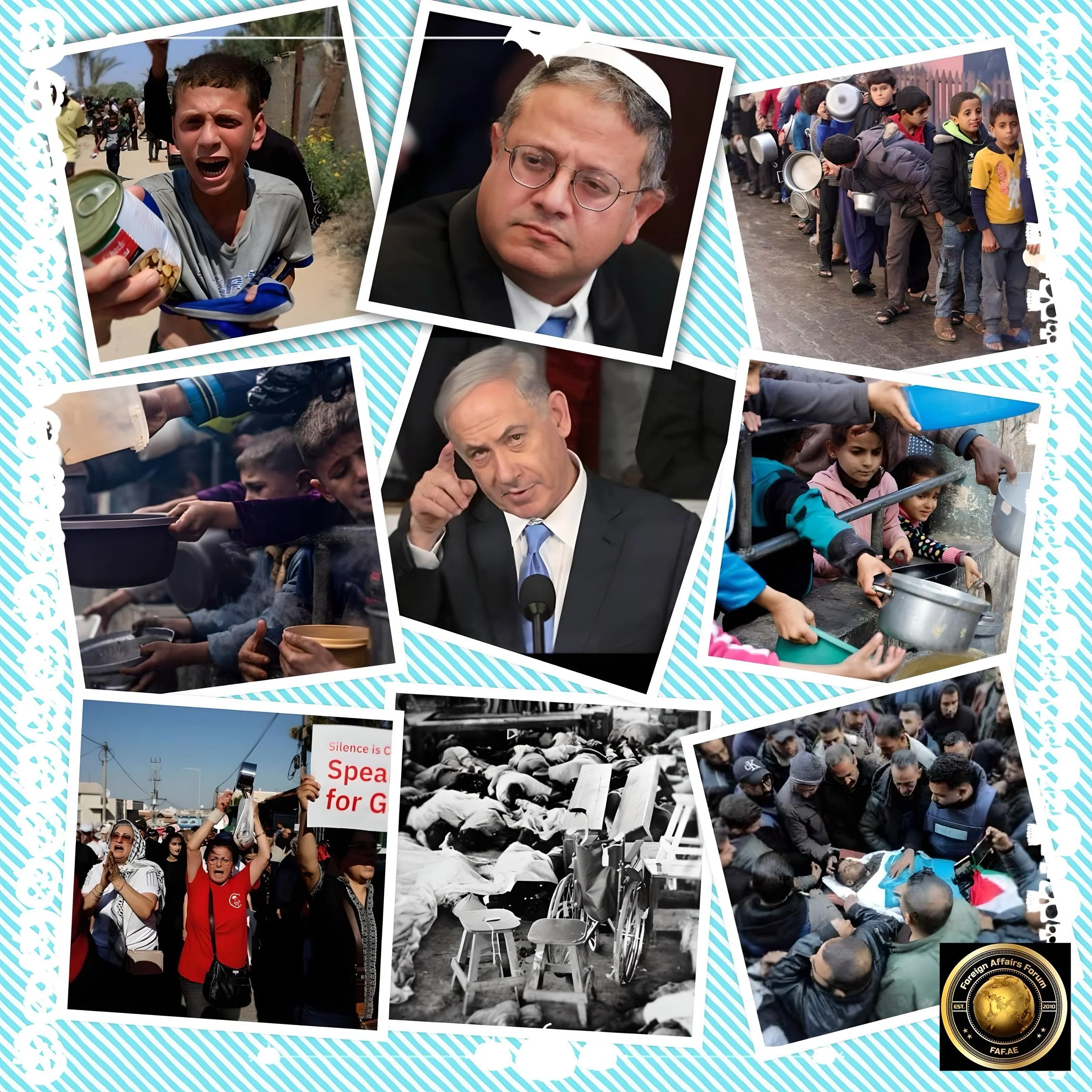
A groundbreaking moment occurred when Israeli Channel 12 aired distressing footage depicting the dire situations faced by Gazan children suffering from starvation and mothers visibly in anguish. This marked a significant shift in how the plight of Gazans is presented in Israeli media.
Historical Parallel—Sabra and Shatila
The airing of such graphic footage has drawn comparisons to the “Sabra and Shatila moment,” a time in 1982 when disturbing imagery of violence against Palestinians reshaped public opinion and led to calls for a policy change.
The weight of these images holds the potential to catalyze similar reactions today.
Polling Evidence of Waning Trust
Recent surveys conducted by the Israel Democracy Institute in July 2025 revealed a concerning trend: only 34.5% of Israeli Jews felt that the domestic media was accurately reporting on the realities of life in Gaza.
This statistic underscores a deep-rooted skepticism across Israeli society, including among those on the political right, toward the media's portrayal of the conflict.
Rising Desire to End the War
According to polling data from the Institute for National Security Studies in June 2025, 53% of Israeli Jews expressed a growing desire to see an end to the military campaign in Gaza.
This sentiment appears to be fueled more by feelings of futility and the exhaustion of soldiers rather than a newfound empathy for the Palestinian people.
Dynamics of Israeli Political Discourse
Deep Atonement and Moral Reckoning
Moral Framing by Media Figures
Channel 12's anchor, Yonit Levi, made headlines by stating that recognizing the hunger crisis in Gaza is “not merely a public relations failure but a profound moral failure.”
Her remarks sparked widespread public discourse, highlighting the ethical dilemmas facing Israeli society in light of the ongoing humanitarian disaster.
Emerging Dissent within Society
A noteworthy, albeit small, antiwar movement is beginning to gain traction, advocating for universal human rights and ethical responsibility.
This resurgence echoes the anti-occupation activism seen in earlier decades, calling for a reassessment of Israel's role in the Israeli-Palestinian conflict.
Fear of Global Antisemitism
Perceived Double Standards
Many Israelis perceive that international criticism of their actions, particularly from Europe and North America, often has antisemitic undertones.
This perception has reinforced a siege mentality among some Israelis, deepening their resolve for a strong national defense amidst heightened scrutiny.
Political Leverage of Antisemitism Fears
Prime Minister Benjamin Netanyahu and his coalition partners have strategically invoked fears of renewed antisemitic violence abroad, using this narrative to justify the continuation of military operations while attempting to limit the scope of domestic debate on the issue.
Resurrection of Biblical-Prophetic Narratives
Messianic Settlement Rhetoric
Figures such as Finance Minister Bezalel Smotrich have taken to openly advocating for the annexation of Gaza, framing such actions as part of the divine promise inherent to the “land of Israel.” This messianic language is gaining momentum within certain segments of Israeli politics, further entrenching territorial claims.
Prophecy-Driven Policy Proposals
Proposals advocating for the resettlement of Jews in Gaza—rationalized through selective interpretations of biblical prophecy—are gathering substantive support within right-wing factions and are significantly influencing coalition negotiations.
Strategic Outlook
Continued Polarization
Israeli society remains deeply divided, with a fervent right wing largely unmoved by the troubling images from Gaza, while a significant portion of the population's support for military actions now hinges on short-term military successes instead of long-term moral or humanitarian values.
Potential Tipping Points
Increased graphic media coverage, combined with rising protests across Europe and potential diplomatic repercussions, could tilt public opinion decisively towards demands for a ceasefire, echoing the pivotal shifts seen during the 1982 Lebanon war.
Evolution of National Narrative
The interactions between calls for atonement, fears of antisemitism, and prophetic land assertions are likely to propel Israel towards a more introspective and identity-driven politics. This evolution may intertwine ethical considerations with the imperatives of national security.
Conclusion
The historic airing of footage showcasing the dire famine conditions in Gaza is starting to fracture the previously stable public support for military operations, potentially setting the stage for significant political shifts.
Israeli politics is now confronted with a complex interplay of moral introspection, anxiety concerning global antisemitism, and the influence of religious-nationalist prophecy—factors that will undoubtedly shape policy decisions and the nation’s understanding of itself in the months ahead.