Nigeria's Firm Stance Against U.S. Third-Country Deportations and Potential Reactions from the Trump Administration
Executive Summary
In a recent move, Nigeria has categorically rejected the United States' proposal for third-country deportations.
This approach would have involved relocating deportees to a third nation, circumventing their direct return to Nigeria.
This refusal underscores Nigeria's concerns about sovereignty and the implications for the treatment of its citizens.
Amid intensified immigration discussions and shifting international relations, the Nigerian government advocates for a more humanitarian framework concerning immigration matters.
Given Nigeria's firm position, former President Donald Trump may explore various avenues to mitigate the diplomatic repercussions.
Possible strategies could include enhancing economic pressure through sanctions, public rebukes, or reassessing existing aid and cooperation arrangements between the two countries.
Historically, Trump's administration has maintained a stringent immigration policy, which may influence his advocacy for more rigorous immigration regulations to deter illicit crossings and bolster border security.
Introduction
Nigeria's rejection of accepting deportees from third countries marks a departure from the highly transactional and pressure-driven diplomatic engagements that have characterized recent U.S.-Africa relations.
This situation challenges former President Trump, whose strategic recourse is confined mainly to economic coercion tactics such as tariff impositions, heightened visa restrictions, and targeted sanctions.
However, such measures could exacerbate distrust between the nations and potentially undermine U.S. influence across the African continent.
Understanding the Context
The U.S. Approach to “Third-Country” Deportations
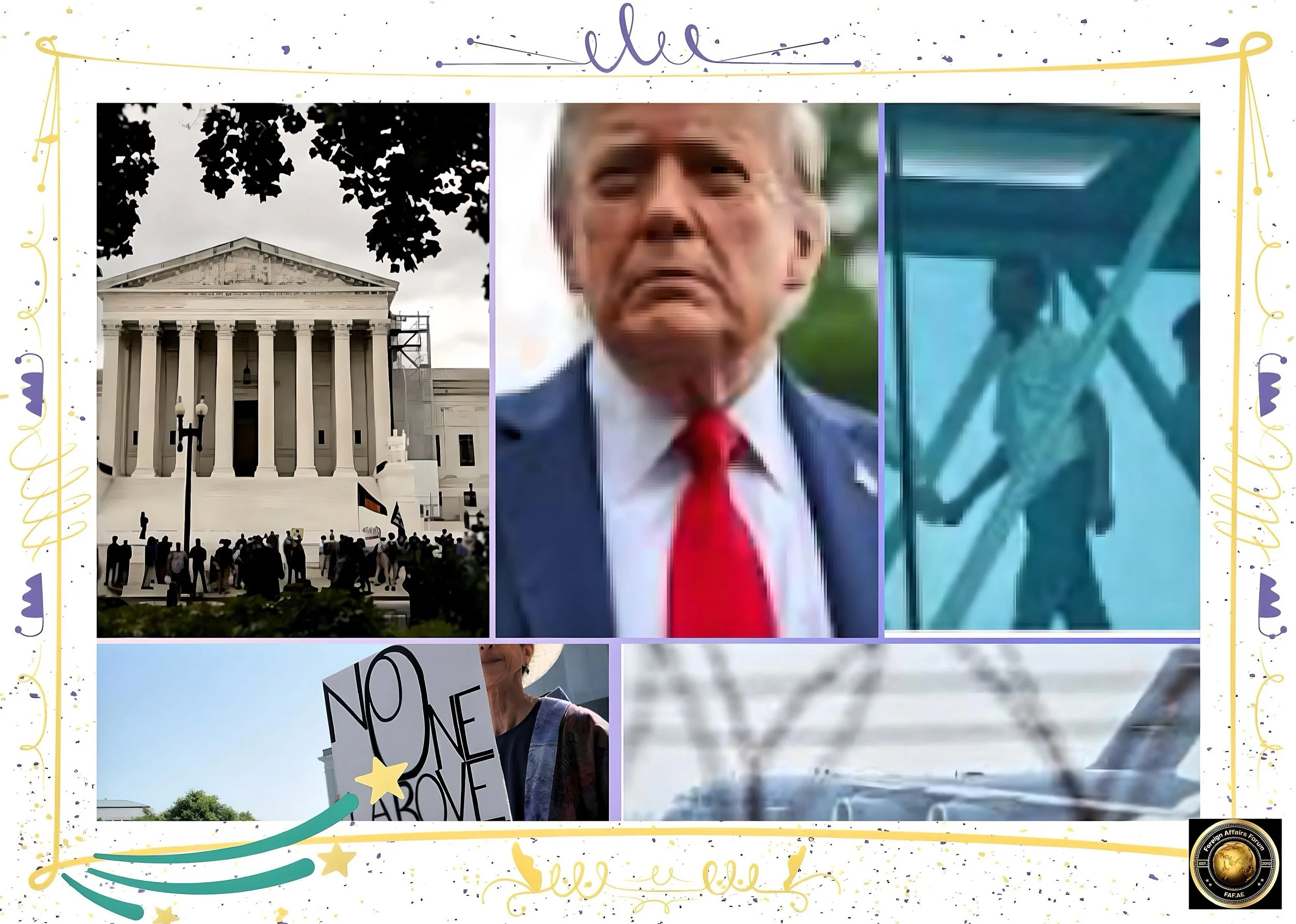
In June 2025, a pivotal ruling by the U.S. Supreme Court overturned limitations imposed by lower courts, thereby permitting the federal government to deport noncitizens to nations other than their countries of origin.
This ruling aligned with Trump’s stringent immigration agenda. Following the decision, the administration initiated deportation flights directed towards South Sudan—hosting deportees from diverse nationalities, and Eswatini, which received individuals from countries including Vietnam, Jamaica, Laos, Cuba, and Yemen.
An internal memorandum from U.S. Immigration and Customs Enforcement (ICE) indicated that deportations could be enacted with minimal notice—ranging from 24 hours to as little as six hours for urgent cases—contingent upon diplomatic assurances against the torture of those deported.
A critical observation here is that many deportees often lack substantive connections to the countries they are being sent to.
Nigeria’s Defiant Stance
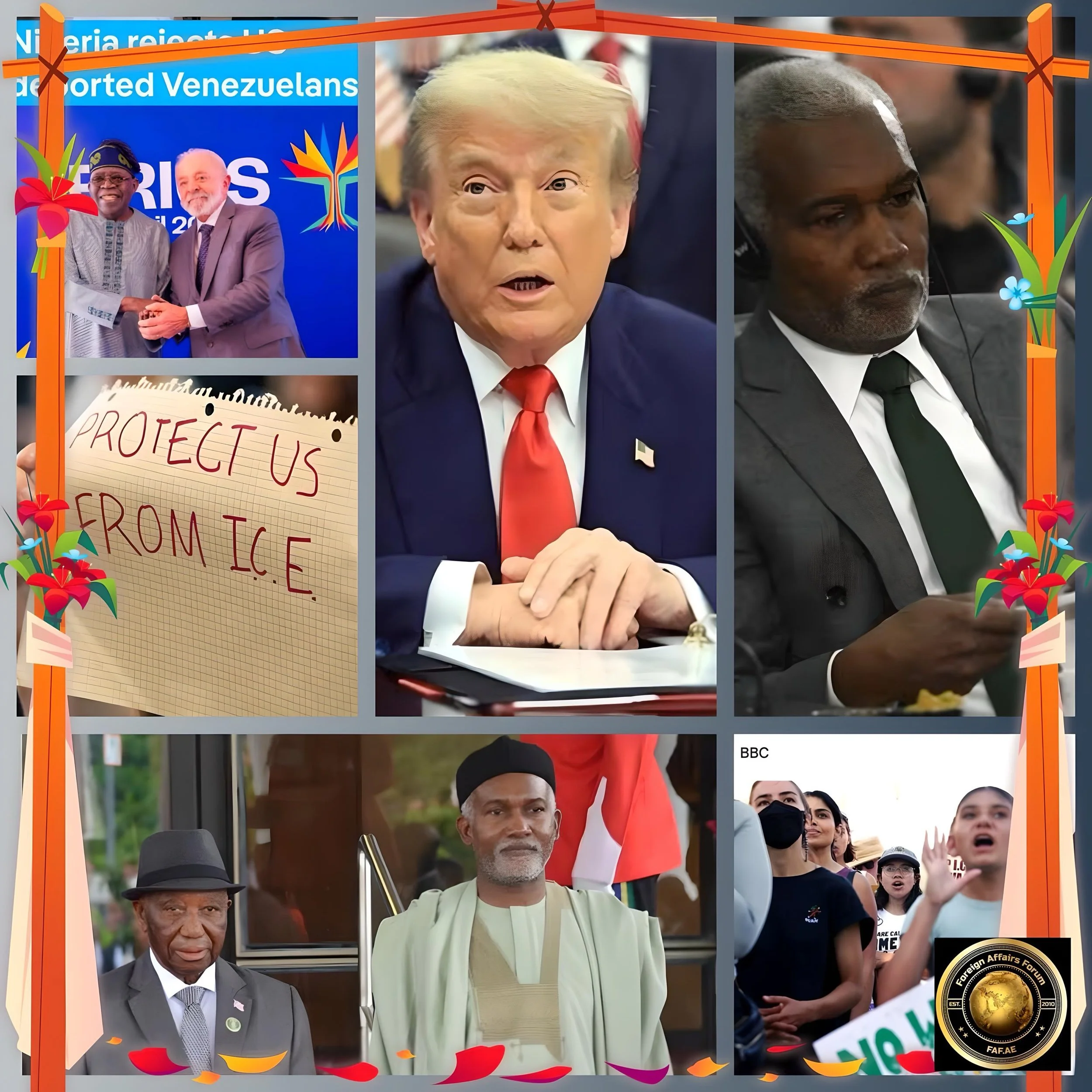
On July 10, 2025, Nigeria’s Foreign Minister, Yusuf Tuggar, firmly articulated Nigeria's position, stating, “We have enough problems of our own,” in response to U.S. requests to accept Venezuelan deportees, among others.
This rejection is consistent with Nigeria’s broader resistance to U.S. practices that utilize visa compliance and tariff threats as compliance tools—evidenced by the recent introduction of new single-entry Nigerian visas valid for only three months.
Following its accession to the BRICS-plus coalition in January 2025, Nigeria has perceived the U.S. approach as an affront to its sovereignty and an impediment to its status as a regional power.
This sentiment reflects Nigeria's unwillingness to acquiesce to perceived coercive demands from Washington.
Responses from Other African Nations
While countries such as South Sudan and Eswatini have reluctantly consented to accept U.S. deportees, they have encountered significant domestic backlash centered around issues of secrecy and potential human rights violations involved in these deportations.
Moreover, several nations, including Benin, Libya, Rwanda, Ethiopia, and Cameroon, have postponed or declined American requests for deportees, indicating a broader continental resistance.
Trump’s Policy Strategies Moving Forward
Imposing Tariffs
During the BRICS summit held from July 6-7 in Rio, Trump warned about imposing an additional 10% tariff on nations perceived to endorse “anti-American policies of BRICS,” explicitly calling out Nigeria.
These tariffs are set to launch on August 1, pending successful bilateral trade negotiations aligned with U.S. demands by Trump’s self-imposed deadline of July 9.
Increasing Visa Restrictions
The U.S. State Department has already narrowed the range of non-immigrant visas available to Nigerian nationals, confining them to single-entry visas valid for three months as part of a “global reciprocity realignment.”
Further restrictions could target visa categories for diplomats or investors. However, these measures may elicit retaliation from Nigeria and incite negative sentiments towards the U.S. among Nigerian elites and the business community.
Enforcing Targeted Sanctions
In addition to tariffs and visa constraints, Trump retains the option of implementing Magnitsky-style sanctions aimed at individuals involved in human rights abuses or corrupt practices, further complicating an already tenuous bilateral relationship.
Evaluating Diplomatic Isolation versus Engagement in U.S.-Nigeria Relations
The Trump administration might contemplate reducing diplomatic engagement with Nigeria by suspending bilateral summits or cutting foreign aid.
However, such actions could undermine critical U.S. strategic interests in West Africa, particularly in counter-terrorism operations and maritime security initiatives.
Complete diplomatic isolation of Nigeria could potentially create a geopolitical vacuum, which nations such as China, Russia, and the BRICS coalition could exploit, capitalizing on Nigeria's apparent desire for a diversified set of international alliances.
Projected Implications and Strategic Recommendations
Nigeria's unequivocal dismissal of U.S. pressures signifies its strategic intent to diversify its foreign partnerships and resist coercive diplomacy.
If the Trump administration were to advance its agenda of implementing stricter tariffs and enhanced visa restrictions, Nigeria would likely further deepen its engagement with BRICS and other non-Western partners.
Such a pivot could severely erode American influence in the region.
Conclusion
An overly punitive U.S. approach, grounded in harsh economic sanctions, is unlikely to produce effective outcomes.
A more pragmatic strategy would involve integrating conditional incentives—such as targeted development assistance and trade facilitation under the African Continental Free Trade Area (AfCFTA)—coupled with respectful dialogue that honors Nigeria's sovereignty.
By transforming the U.S.-Nigeria relationship into one predicated on mutual strategic interests rather than exclusively transactional pressure, the United States could restore its constructive influence within Nigeria and across the wider African continent.