Macron and the UK to save Europe: Amid unity and division
Introduction
Macron and UK’s European Security Partnership
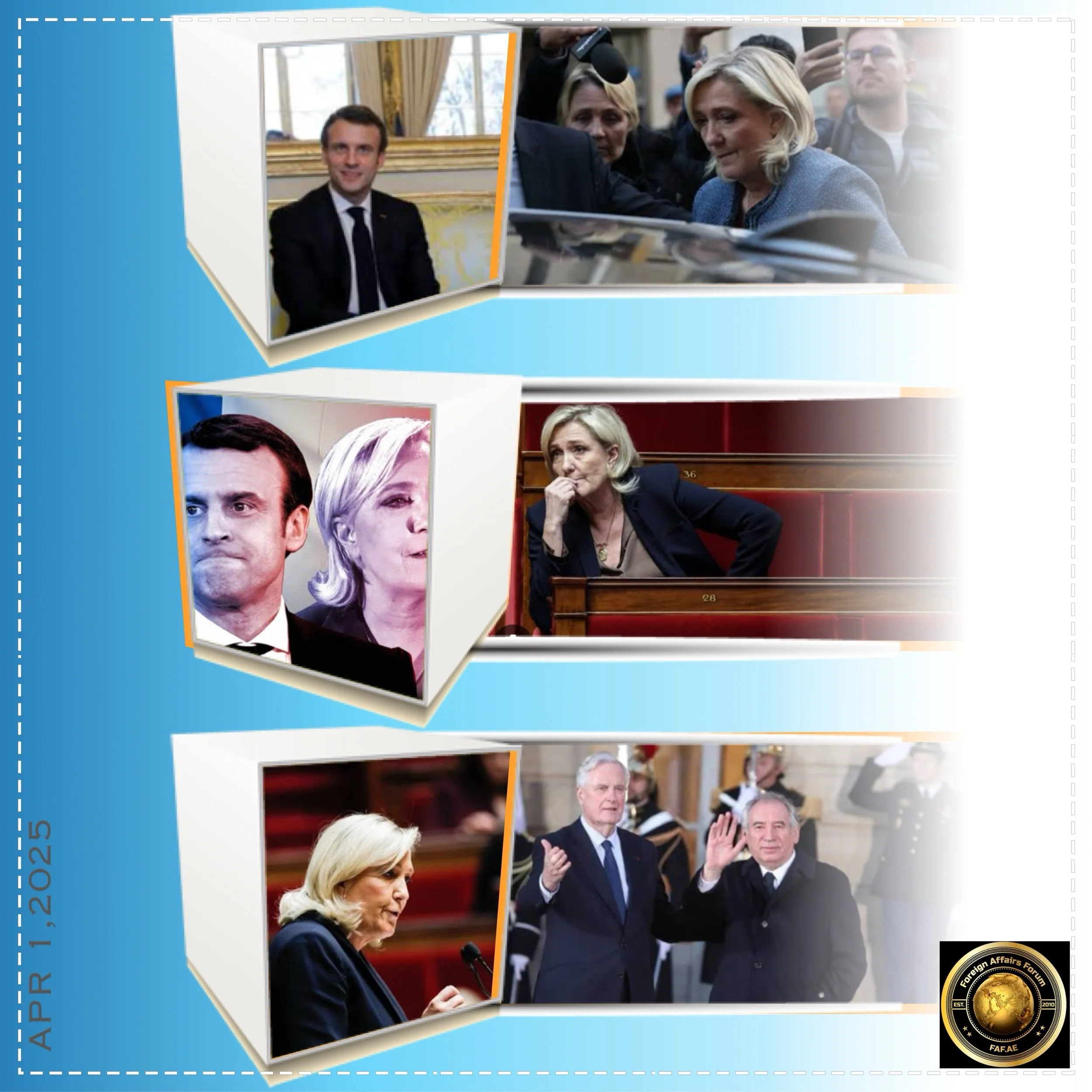
Macron’s vision for UK-France cooperation to “save Europe” has materialized through an unprecedented state visit and new security partnership, while Marine Le Pen remains legally barred from the 2027 presidential election despite her appeals
UK-France Alliance
A New Era of European Security
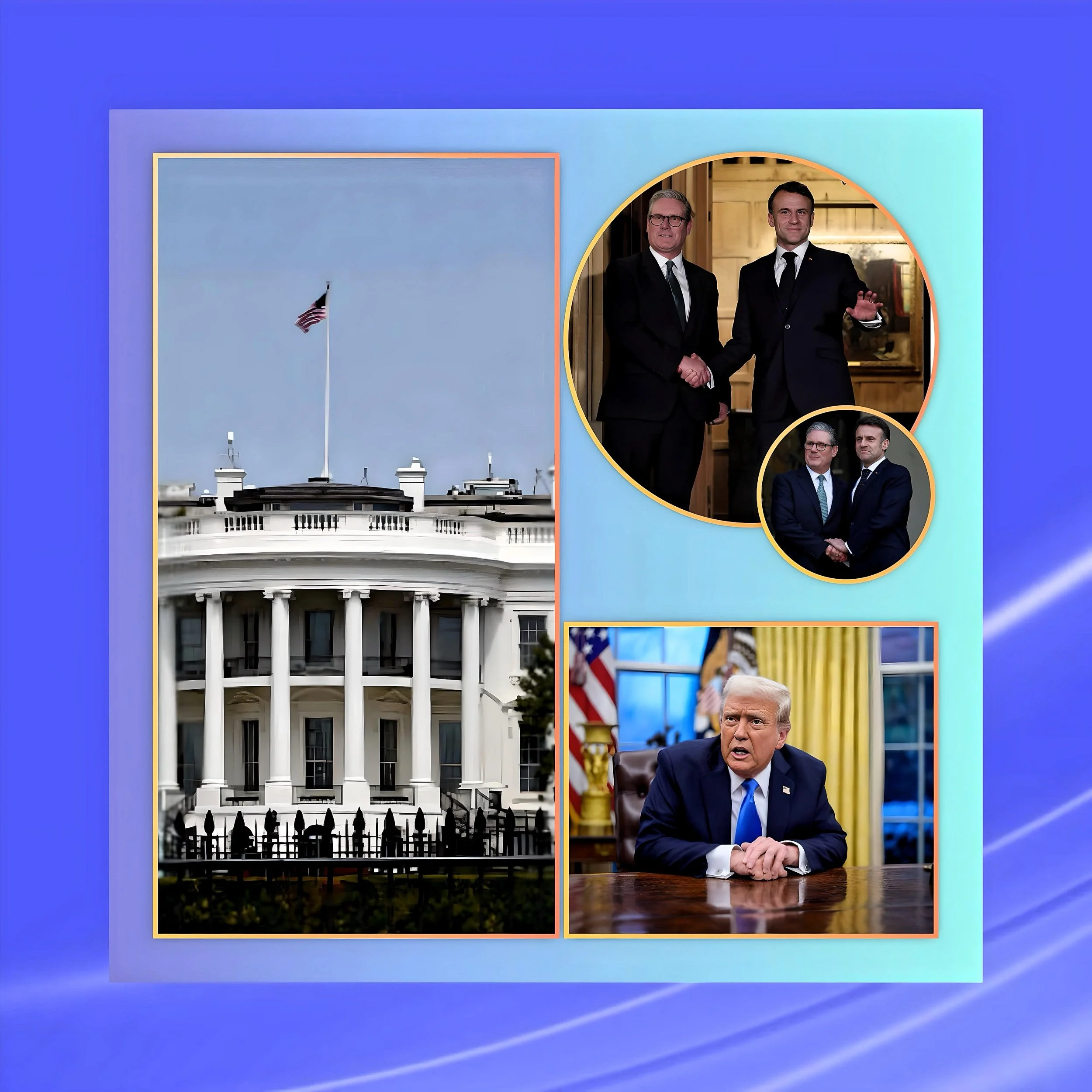
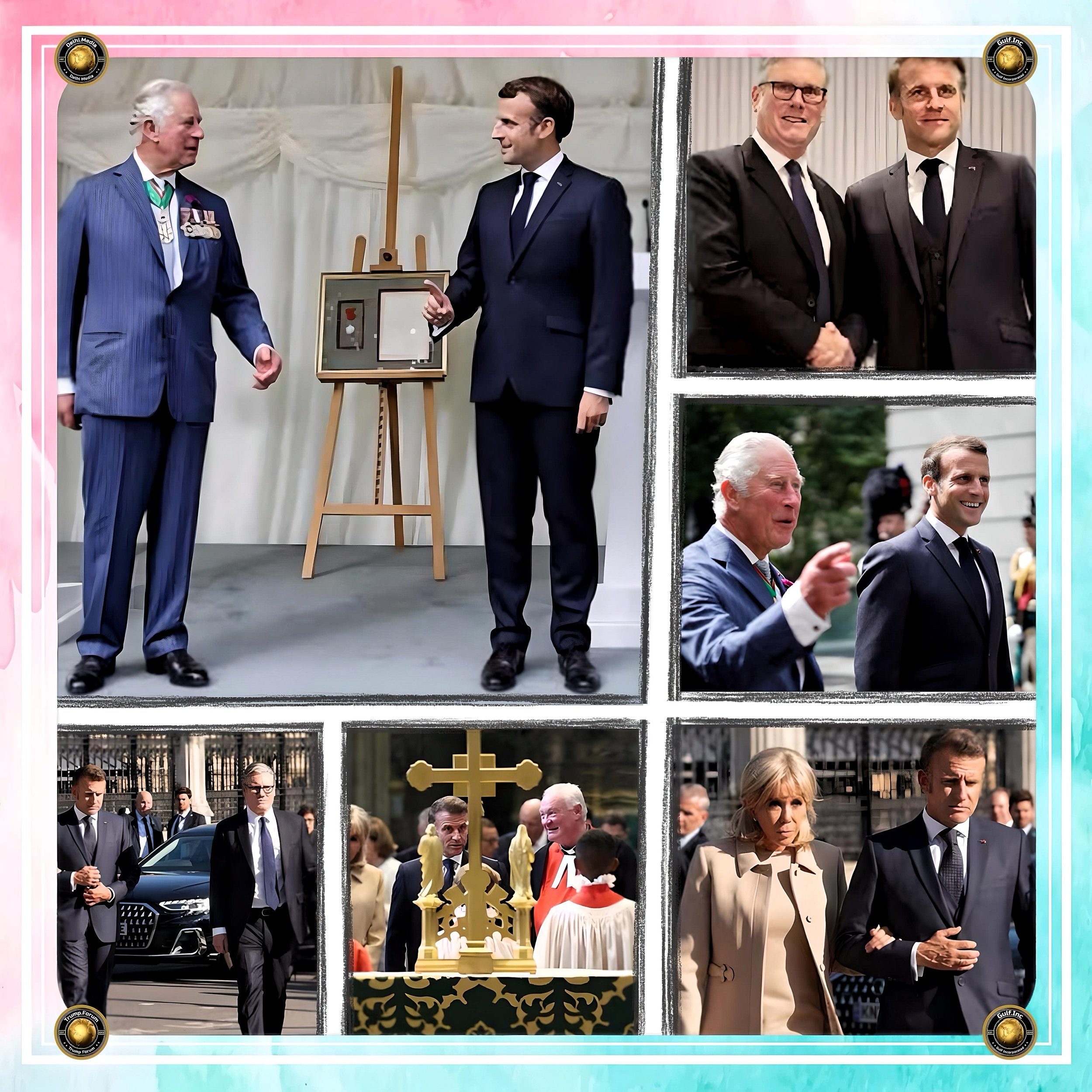
Emmanuel Macron’s historic state visit to the UK in July 2025 marked a pivotal moment in post-Brexit European relations.
During his address to Parliament - the first by an EU leader since Brexit - Macron declared that France and Britain must “save Europe by our example and our solidarity”.
The French President emphasized that the two nuclear-armed European powers have a “special responsibility for the security of the continent” in the face of unprecedented challenges.
The visit culminated in significant agreements between Macron and Prime Minister Keir Starmer, including plans for a European peacekeeping force for Ukraine and enhanced cooperation on defense, migration, and nuclear energy.
The leaders announced the 37th Franco-British Summit scheduled for Thursday, where they will co-host discussions with a 30-nation coalition on supporting Ukraine and potentially deploying peacekeeping forces.
EU-UK Security Partnership
Formal Framework Established
In May 2025, the EU and UK concluded a Security and Defence Partnership at the first EU-UK Summit since Brexit.
This agreement provides a structured framework for cooperation across multiple domains:
Peacebuilding and crisis management
Maritime and space security
Cyber threats and emerging technologies
Countering hybrid threats
Critical infrastructure resilience
EU High Representative Kaja Kallas emphasized that this partnership reflects “shared responsibility for security in Europe and beyond” and demonstrates determination to “increase cooperation in an increasingly dangerous and hostile global environment”.
Ukraine Peacekeeping Initiative
European Leadership
The UK-France coalition has been developing plans for a European peacekeeping force to support any future ceasefire in Ukraine.
Military chiefs from over 30 countries have been meeting to discuss deployment of tens of thousands of troops, with Britain and France each signaling willingness to contribute 5,000-10,000 personnel.
However, the initiative faces significant challenges. Major European nations including Germany, Italy, Spain, and Poland have indicated they will not send soldiers from their own armies.
Military analysts suggest that an effective peacekeeping force would require 80,000 troops plus reserves to be strategically relevant.
Marine Le Pen’s Legal Status
Conviction and Appeals
Marine Le Pen remains barred from running for office following her March 2025 conviction for embezzling EU funds.
The Paris Criminal Court sentenced her to four years in prison (two suspended, two under house arrest with electronic monitoring) and imposed a five-year ban on holding public office.
Key aspects of her legal situation
Immediate enforcement
The ban took effect immediately despite her appeal, preventing her from running in 2027 unless overturned
Appeal timeline
The Paris Court of Appeal will deliver its verdict by summer 2026, well before the 2027 presidential election
Current status
Le Pen is not under house arrest - the prison sentence is suspended pending appeal, but the political ban remains in effect
European Court appeal
In July 2025, Le Pen filed an appeal with the European Court of Human Rights challenging the immediate enforcement of her ban
Jordan Bardella
The Heir Apparent
With Le Pen’s political future uncertain, Jordan Bardella, the 29-year-old president of the National Rally, has emerged as the likely 2027 presidential candidate.
Le Pen explicitly stated in June 2025: “I accept that I cannot run. Jordan accepts that he must step in”.
Bardella has been positioning himself as a credible alternative, undertaking foreign visits to the US, Israel, and UAE to build international experience.
Recent polls show him nearly tied with Le Pen in hypothetical first-round voting, suggesting voters may not see her as indispensable.
Current Political Dynamics
The conviction has created a “seismic political event” in French politics, as described by political analyst Arnaud Benedetti.
While Le Pen’s supporters have organized protests and denounced the ruling as “tyranny of judges”, public opinion appears divided, with 57% of French respondents supporting the court’s decision according to an Elabe poll.
The National Rally remains the largest single party in the French National Assembly, and Le Pen retains her parliamentary seat until 2029 unless early elections are called.
The party has maintained its political momentum despite the legal setback, with Bardella leading efforts to prepare for 2027.
The convergence of UK-France security cooperation and the transformation of France’s far-right leadership represents a significant realignment in European politics, with implications extending far beyond the 2027 French presidential election.
Conclusion
The emerging European Security Order under President Macron seeks to establish a more autonomous Europe, with France playing a pivotal role in advancing a new European defense framework.
This initiative involves collaborative military projects and the enhancement of the European defense industrial base.
Notably, France has identified the UK as a key intermediary or "bridge" in this strategic landscape.
Labour leader Keir Starmer aims to position the UK as a connector between continental Europe and the United States, while simultaneously asserting an independent British stance on European security issues.
The overarching goal is to foster interdependence between these entities within Europe, navigating the dual themes of Division and Unity.
However, as France and the UK take the lead, certain EU member states—particularly those facing domestic opposition to deeper military engagement—find themselves relegated to a secondary role in this evolving security paradigm.
This situation may generate friction, yet it also highlights the varied national priorities and operational capacities among EU countries.
Under Macron and Starmer's leadership, the future framework for Europe will likely hinge on a Franco-British alliance that shapes the continent's approach to the Ukraine crisis, emphasizing peacekeeping efforts and a quest for strategic autonomy.
While various EU states provide support to Ukraine, many are opting for a less prominent role, either due to strategic choice or political constraints, as observed in figures such as Marine Le Pen.
This trend signifies a shift towards a more assertive and self-sufficient European security posture, albeit amidst ongoing discussions and challenges regarding the overarching direction of European security and coherence.