Trump’s Diplomatic Engagements with Macron and Starmer: Strategic Implications for US-Europe Relations
Introduction
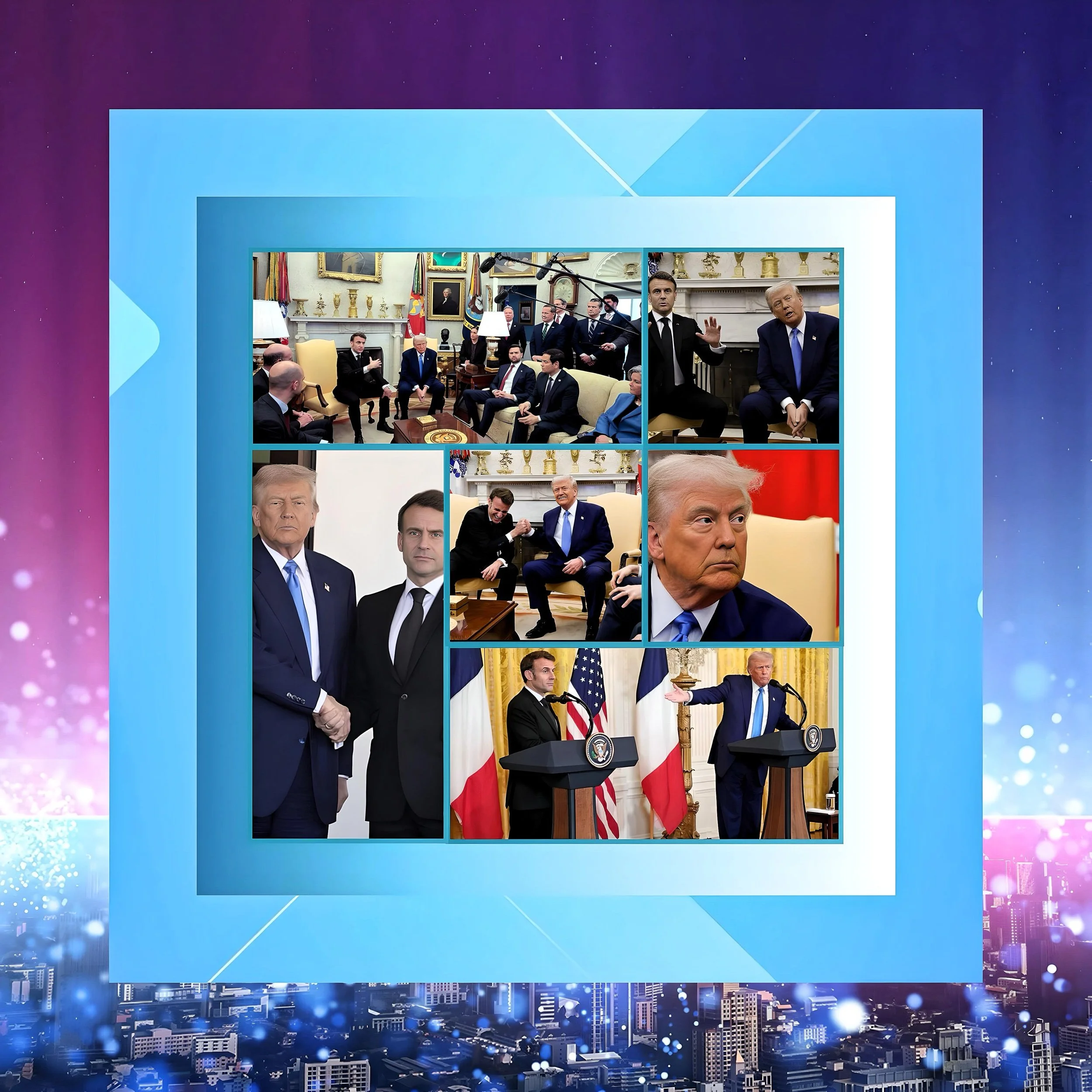
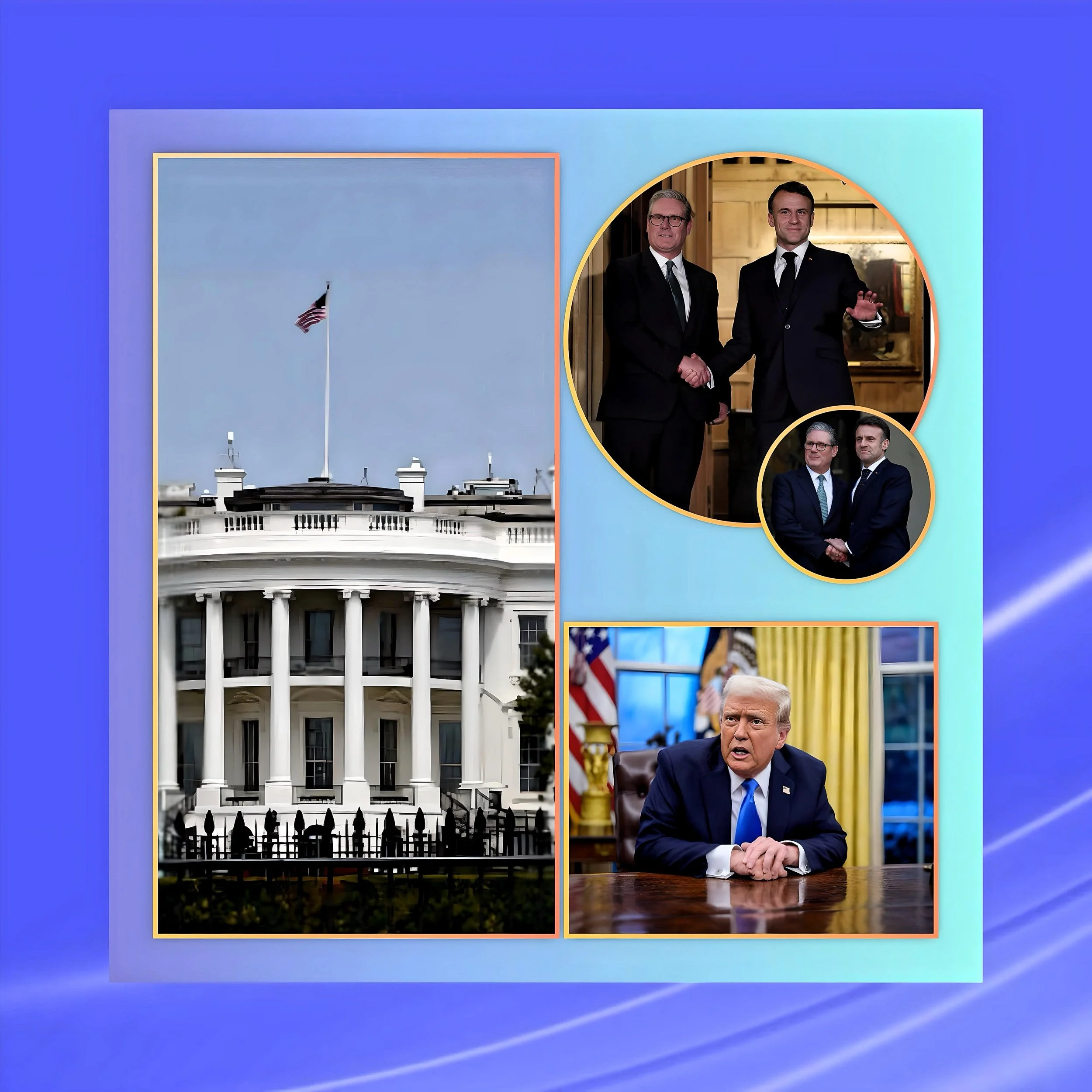
The upcoming meetings between US President Donald Trump and European leaders Emmanuel Macron and Keir Starmer—scheduled for Monday and Thursday of next week, respectively—highlight critical junctures in transatlantic relations.
These engagements occur against a backdrop of escalating trade tensions, divergent approaches to the Ukraine conflict, and Europe’s struggle to assert strategic autonomy amid US-Russia negotiations.
This articles analyzes the geopolitical significance of these summits, the agendas of key stakeholders, and their potential to reshape US-Europe dynamics.
Context: Trade Tensions and Strategic Realignments
US-EU Trade Disputes and Reciprocal Tariffs
Trump’s focus on addressing the $202.5 billion trade deficit in goods with the EU (2022 data) will dominate discussions with Macron.
The US president has criticized Europe’s VAT system and consumption taxes, framing them as unfair trade barriers.
His February 13 executive order mandating reciprocal tariffs aims to pressure the EU into concessions, particularly targeting France’s agricultural exports and Germany’s automotive sector.
However, the EU counters that US service trade surpluses ($70 billion in 2022) and higher FDI inflows ($210 billion) offset goods imbalances.
Macron is expected to advocate for maintaining the EU-US Trade and Technology Council, while resisting tariffs that could escalate into a broader trade war.
Europe’s Security Dilemma Post-Trump
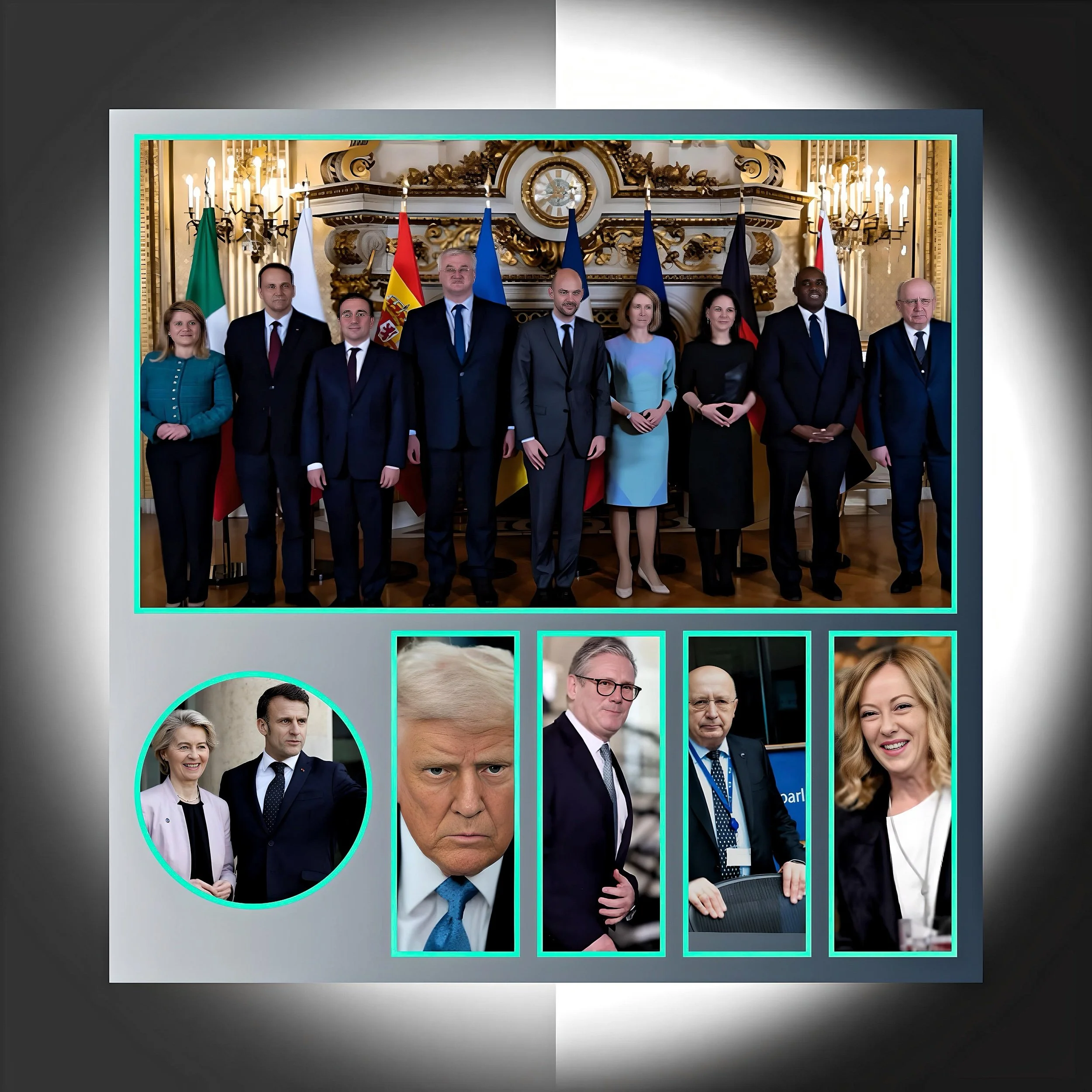
Trump’s unilateral engagement with Russia on Ukraine—exemplified by Secretary of State Marco Rubio’s talks with Sergei Lavrov in Riyadh—has sidelined European allies, prompting Macron’s emergency summit in Paris.
The absence of EU representation in US-Russia negotiations underscores Europe’s diminished influence, with Macron positioning France as a counterweight through “strategic autonomy” initiatives.
However, divisions persist: Germany’s Scholz opposes troop deployments to Ukraine, Italy’s Meloni favors pragmatic ties with Trump, and Poland’s Tusk advocates for NATO-centric solutions.
Macron’s Agenda: Balancing Sovereignty and Alliance Management
Defense Industrial Cooperation
Macron will seek US commitments to joint defense projects, including Next-Generation Fighter Jet (FCAS) co-development and missile defense integration.
France’s push for EU defense consolidation clashes with Trump’s “America First” procurement policies, which prioritize US contractors.
A key ask: exemptions from Buy American clauses for critical minerals used in French arms manufacturing.
Ukraine and NATO Burden-Sharing
Despite Macron’s call for European-led peacekeeping forces in Ukraine, Trump has dismissed the idea, stating Europe must provide the “overwhelming share” of future aid.
Macron will likely propose EU-funded security guarantees for Kyiv, contingent on US intelligence-sharing and sanctions enforcement against Russian oligarchs.
However, Trump’s skepticism of multilateral frameworks raises doubts about sustained alignment.
Starmer’s Peacekeeping Proposal: Bridging the Transatlantic Divide
The Anglo-French “Reassurance Force” Plan
Starmer’s central proposal—deploying 30,000 European troops to Ukraine under a NATO-adjacent framework—aims to secure US backing for a post-ceasefire security architecture. Key elements include:
Technical Monitoring
Surveillance drones and satellites to enforce compliance, reducing frontline troop presence.
Strategic Positioning
Troops stationed in Odesa, Lviv, and nuclear facilities, avoiding Donbas frontlines.
US Backstop
Fighter jets in Romania/Poland and missile systems in Eastern Europe to deter Russian breaches.
Challenges to Implementation
Russian Opposition
Kremlin spokesman Dmitry Peskov denounced the plan as a “direct threat”, while Lavrov warned of escalation risks.
EU Fragmentation
Germany, Spain, and Italy oppose troop deployments, fearing entanglement in a “forever war”.
Funding Gaps
The projected €8 billion annual cost exceeds current EU pledges, requiring US logistical support.
Trade and Security Linkages: Leverage Points
Energy and Critical Minerals
Macron will likely tie trade concessions to US investments in Nigerian uranium supplies (to reduce EU dependence on Russian nuclear fuel) and joint ventures in Congo’s cobalt mines.
Starmer, meanwhile, may offer UK access to Cornish lithium reserves in exchange for tariff exemptions on British steel.
Sanctions Coordination
Both leaders will press Trump to maintain sanctions on Russia’s Central Bank and Rosatom, leveraging US financial hegemony.
However, Trump’s transactional approach risks prioritizing short-term deals (e.g., LNG exports to Germany) over cohesive strategies.
Conclusion: Pathways to a Fractured Partnership
The Macron and Starmer summits represent Europe’s bid to salvage influence in a Trump-dominated world order. Three scenarios emerge:
Coalition of the Willing
France and the UK bypass EU dissenters, deploying peacekeepers with tacit US support. Risks: Balkanized European security, Russian retaliation.
Transactional Detente
Trump secures agricultural/auto concessions from Macron and defense spending hikes from Starmer, delaying tariffs. Risks: Erosion of multilateral institutions.
Strategic Decoupling
Failed negotiations trigger US-EU trade wars and NATO’s marginalization.
Likelihood: 40%, per Brookings modeling.
Ultimately, Europe’s ability to project unity—not just in Paris but in subsequent Brussels negotiations—will determine whether these meetings mark a recalibration of transatlantic ties or their irreversible decline.
As Macron noted, “The world is changing; so must our alliances”—but the price of adaptation remains uncertain.