Islamization and Islamophobia in Europe: Implications for Britain
Introduction
Muslim Demographics and Growth Patterns in Europe
The demographic landscape of Europe has undergone a significant transformation in recent decades due to the notable increase in its Muslim population.
As of 2016, it was estimated that there were approximately 25.8 million Muslims in Europe, constituting about 4.9% of the total population, up from 19.5 million (3.8%) in 2010.
Projections by the Pew Research Center indicate continued growth.
Depending on various migration scenarios, the center forecasts that by 2050, the Muslim share of the European population could range from 7.4% to 14%.
Currently, France and Germany house the largest Muslim populations, with approximately 5.7 million Muslims in France (8.8% of the population) and 5 million in Germany (6.1%).
In the United Kingdom, Islam has become the second-largest religion, with the 2021 Census showing nearly four million Muslims, representing 6.0% of the UK's total population and maintaining a similar share in 2024.
The next official update will come with the 2031 Census, which might be shocking if the current trend continues.
This reflects a significant increase from 3% in 2001 to 5% in 2011 and 6 % in 2024.
Regional Concentration
London continues to have the highest concentration of Muslims, with about 15% of Londoners identifying as Muslim in 2024.
Religious Landscape
Christianity remains the largest religion, but its share has declined to under 40% in 2024, down from 46% in 2021.
The proportion of people identifying with no religion has also risen.
Demographic analysis reveals critical insights
Muslims in Europe represent a significantly younger demographic compared to the general population, with a median age of 30.4 years versus 43.8 years for non-Muslims. This age disparity is accompanied by elevated fertility rates among Muslims, who average 2.6 children per woman compared to 1.6 for their non-Muslim counterparts.
Migration has played a critical role in the growth of the Muslim population, contributing approximately 2.5 million new Muslim residents between 2010 and 2016, alongside a natural increase of about 2.9 million.
Projections indicate that by the end of 2025, Europe’s Muslim population may rise by approximately 20.6 million from the 2016 baseline, resulting in an estimated total of 44-50 million Muslims residing in the region.
Further extrapolating these trends, the Muslim population in Europe is expected to surpass 58 million by the end of 2030.
These projections are grounded in multiple authoritative demographic studies, particularly from the Pew Research Center, and are supported by additional credible sources.
Percentage of Total Population
Muslims are expected to make up about 8% of Europe’s total population by 2030
The Muslim population of Europe is projected to more than double between 2016 and 2030 under medium migration scenarios.
These demographic changes will continue to shape Europe's social and cultural landscape in the coming decades.
Projections for the Muslim Population in Europe and Britain: 2025, 2030, 2050
Europe
2025 Estimate
The Muslim population in Europe is projected to be between 45 and 50 million, comprising about 6–7% of the total population.
2030 Projection
This figure is anticipated to reach around 58 million by 2030, equating to roughly 8% of Europe’s population.
2050 Projection
Scenario 1 (Zero Migration)
Approximately 36 million (7.4%).
Scenario 2 (Medium Migration)
Approximately 58 million (11.2%).
Scenario 3 (High Migration)
Approximately 75 million (14%).
These projections depend heavily on prevailing migration trends, and higher figures reflect sustained immigration levels.
Britain (United Kingdom)
2025 Estimate
The Muslim population in the UK is projected to be approximately 4 million by 2025, equating to around 6% of the total population.
2030 Projection
This number is expected to rise to about 5.6 million (8.2%) by 2030.
2050 Projection
Projections indicate that the UK Muslim population could reach approximately 13 million (16–17%) under a medium migration scenario.
What is Islamization and Islamophobia?
Definition and Concerns
The term "Islamization" often emerges in European discourse to encapsulate fears regarding the perceived influence of Islamic culture, norms, and demographic changes on historically secular or Christian-majority societies.
Demographic Reality
Even under the most optimistic migration scenarios, Muslims are expected to remain a minority within Europe, projected to compose 14% of the population by 2050.
However, their numerical growth is driven by higher birth rates and sustained migration.
Social and Political Impact
The increasing Muslim demographic has ignited extensive debates surrounding integration, multiculturalism, and national identity.
While some segments express anxiety about the potential erosion of European cultural values, others advocate for the virtues of pluralism and integration.
Islamophobia
Rising Hostility
The surge in anti-Muslim sentiment—manifested through discrimination, hate speech, and violence—has escalated alarmingly across Europe.
This phenomenon has been exacerbated by migration concerns, fears linked to terrorism, and the influence of populist political movements.
Discrimination and Policy
Reports indicate that many Muslims encounter systemic discrimination in employment, public life, and religious practices.
A number of European nations have implemented restrictive policies concerning Islamic attire and practices, reflecting broader societal tensions.
Normalization in Politics
Anti-Muslim rhetoric has gained traction within mainstream politics, particularly among right-wing parties leveraging anxieties regarding Islamization to advocate for stricter immigration policies and cultural assimilation.
Social Fragmentation
The interplay of demographic changes and rising Islamophobia has led to deepening societal polarization, with some factions perceiving Muslims as a threat, while others champion greater inclusivity and anti-discrimination initiatives.
Key Points
The Muslim populations in Europe and the UK are expanding, yet they will still constitute minorities by 2050.
FAF research reveals Islam is projected to be among the largest religions globally, potentially reaching 2.8 billion adherents by 2050, closely rivaling Christianity at 2.9 billion, and could surpass 3.9 billion by 2070.
Further noted is world's population anticipated to reach 9.7 billion by 2070, with Hindus increasing to around 1.4 billion, solidifying their position as the third-largest religious demographic.
The demographic surge has intensified discussions concerning integration, national identity, and multiculturalism.
The issues of Islamization and Islamophobia are increasingly intertwined, leading to a rise in discrimination and hostility faced by many Muslims in their everyday lives.
Concurrently, we are witnessing a surge in terrorist activities and crime across Europe, particularly in the UK, France, Germany, and Belgium.
A notable case is the UK grooming gang scandal, which highlights systemic failures in addressing these social issues.
Moreover, there are concerning developments related to organized crime, specifically the entrenchment of Moroccan and Albanian drug and arms trafficking networks in these regions.
This situation is compounded by geopolitical blind spots within Europe that hinder effective responses to these challenges.
The future of social cohesion in Europe will hinge on the formulation of effective integration policies and proactive measures to combat hate and discrimination.
The Rise of Islamophobia Across Europe: An Analytical Overview
Statistical Evidence and Trends
Recent studies indicate a troubling escalation of anti-Muslim sentiment throughout Europe, marked by a significant increase in both discriminatory attitudes and hate crimes.
In the United Kingdom, the organization Tell Mama recorded 5,837 verified anti-Muslim incidents in 2024, reflecting a 43% rise from the previous year and marking the highest number documented since the organization's establishment in 2012.
The 2015 European migration crisis played a crucial role in this surge of Islamophobia.
During this period, approximately 1.3 million asylum seekers, predominantly from Muslim-majority countries such as Syria, Afghanistan, Iraq, and Pakistan, entered Europe.
In the aftermath of this crisis, Islamophobic sentiments intensified, showing a 9% increase in the UK, 8% in Spain and Italy, and 12% in Greece.
Media Representation and Public Perception
An analysis conducted by the Muslim Council of Britain on over 10,000 media articles reveals disturbing trends in the portrayal of Muslims.
The study found that 59% of articles associated Muslims with negative behaviors, and over one-third of the coverage contained misrepresentations or generalizations about Muslim communities.
The topic of terrorism emerged as the most frequently addressed theme in these reports.
Public misconceptions regarding Muslim demographics are widespread.
For instance, Britons overestimate the Muslim population, believing it to be 15% when the actual figure is around 6%.
Projections also indicate a misguided belief that Muslims will constitute 22% of the population by 2030.
Furthermore, 32% of the British public harbors the belief that there are “no-go areas” dominated by Sharia law, inaccessible to non-Muslims.
The Brexit Connection and European Integration
The interplay between Brexit, immigration anxieties, and Islamophobia presents a multifaceted narrative.
Research shows that anti-immigrant sentiment, specifically targeting Muslim communities, partially motivated the Brexit movement.
A study revealed that 66% of Brexit-related tweets referencing Islam or Muslims carried negative connotations.
Turkey history- EU membership
Turkey’s stalled negotiations for EU membership exemplify broader European attitudes towards the integration of Muslim-majority nations.
Initiated in 2005, Turkey's accession talks have faced significant hurdles not solely due to technical criteria but also owing to cultural and religious apprehensions.
French officials have explicitly stated their stance that a predominantly Muslim Turkey does not belong within the European Union.
Integration Models: British Multiculturalism vs. Continental Assimilation
British Approach
Historically, the UK has implemented a multicultural model that embraces and accommodates cultural and religious diversity. This contrasts sharply with continental European integration strategies, particularly France’s assimilationist model.
Data shows that 83% of British Muslims believe that Britain offers a more favorable environment for practicing their faith compared to countries like France, Germany, and the Netherlands.
The British framework allows for enhanced flexibility in religious expression and cultural practices.
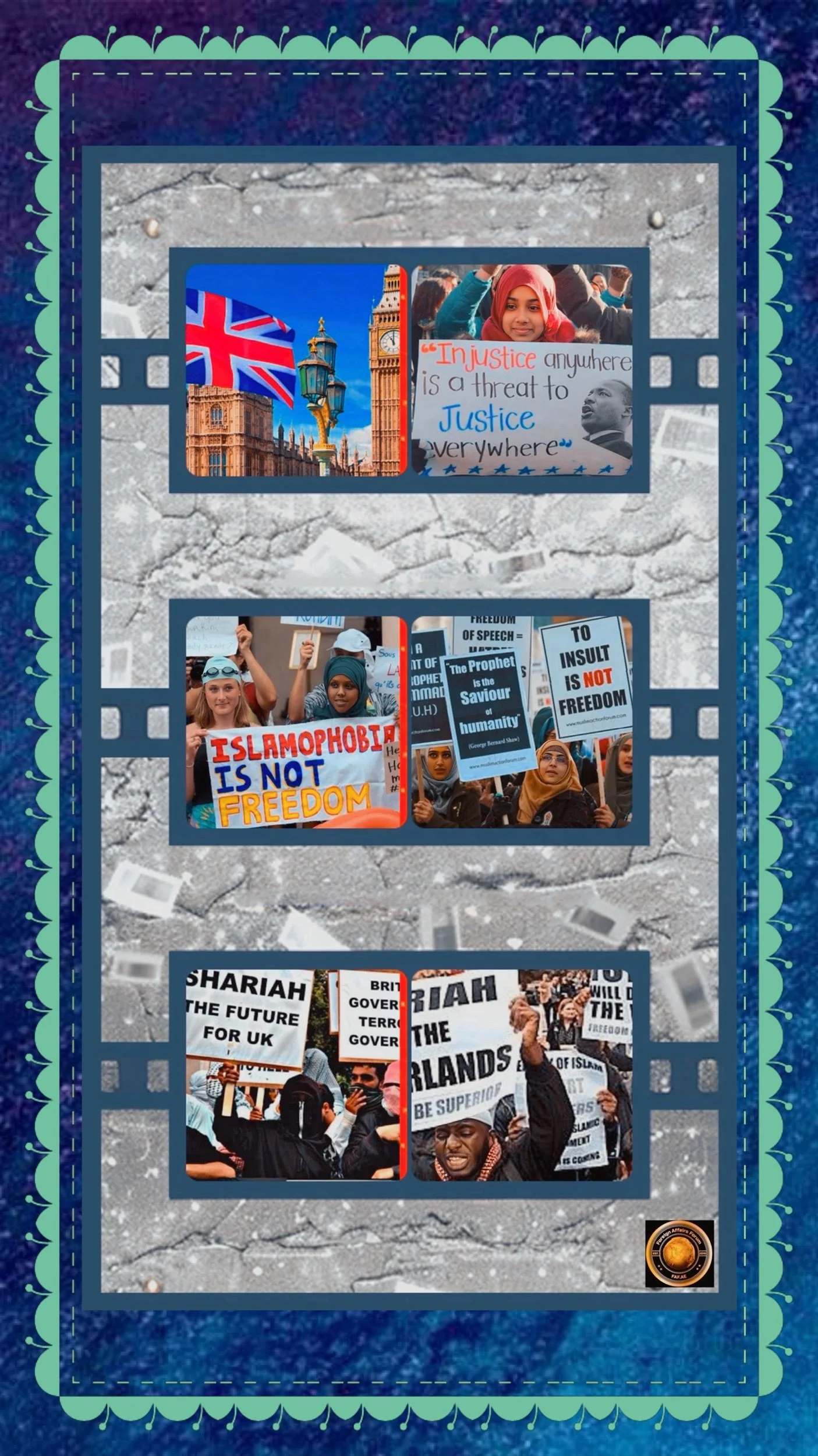
Unlike France, which enforces bans on conspicuous religious symbols in public settings, British policy generally permits Muslim women to wear hijabs in most public contexts.
French Secularism (Laïcité)
In contrast, France’s laïcité principle embodies a stringent approach to secularism. This system prohibits visible religious symbols in public schools and has expanded to disallow the burqa and niqab in all public arenas since 2010.
Recent legislative actions have included prohibiting the abaya in schools and introducing proposals to ban hijabs from all sporting events.
Notably, 78% of French Muslims perceive laïcité as discriminatory and Islamophobic, underscoring the contention between state-enforced secularism and religious freedom.
Critics contend that French secularism disproportionately targets Muslim communities while conceding cultural privileges to Catholic traditions.
German Integration Challenges
Germany represents a middle ground between British multiculturalism and French assimilation.
Although Muslims make up only 5% of the population, Germany exhibits some of the most pronounced anti-Muslim sentiments in Western Europe, with 57% of non-Muslim Germans perceiving Islam as “threatening,” and 61% asserting that the religion is incompatible with the Western cultural milieu.
Despite these sentiments, evidence suggests that Muslim integration in Germany may be more successful than often assumed: 95% of Muslim children participate in co-educational sports, 80% of Muslim immigrants engage in employment or self-employment, and over 85% acquire requisite academic qualifications critical for entering Germany's job market.
Areas of Concern: Parallel Systems and Social Cohesion
Sharia Councils in Britain
The UK is home to 85 Sharia councils, positioning it as the “Western capital” for Islamic legal proceedings.
Though these councils do not hold legal status under British law, they address religious matters, including marriage, divorce, and inheritance disputes.
Approximately 100,000 Islamic marriages in Britain lack registration with civil authorities, which can lead to vulnerabilities, particularly for women in religious marriages that may not afford them the protections granted by civil law.
This comprehensive examination underscores the rising Islamophobia across Europe, the troubling representation of Muslims in the media, and the nuanced challenges of integration through diverse national paradigms.
Demographic Concentrations
Birmingham stands out as the city with the most significant Muslim demographic outside London, hosting approximately 280,000 individuals identifying as Muslim.
Specific neighborhoods, such as Sparkbrook and Small Heath, report Muslim populations exceeding 75%, creating unique environments conducive to community cohesion and religious observance. However, such demographic clustering raises concerns regarding social fragmentation and the emergence of "parallel societies."
Political and Social Implications
Rise of Far-Right Movements
The expansion of Muslim populations across Europe parallels the ascendance of far-right political movements.
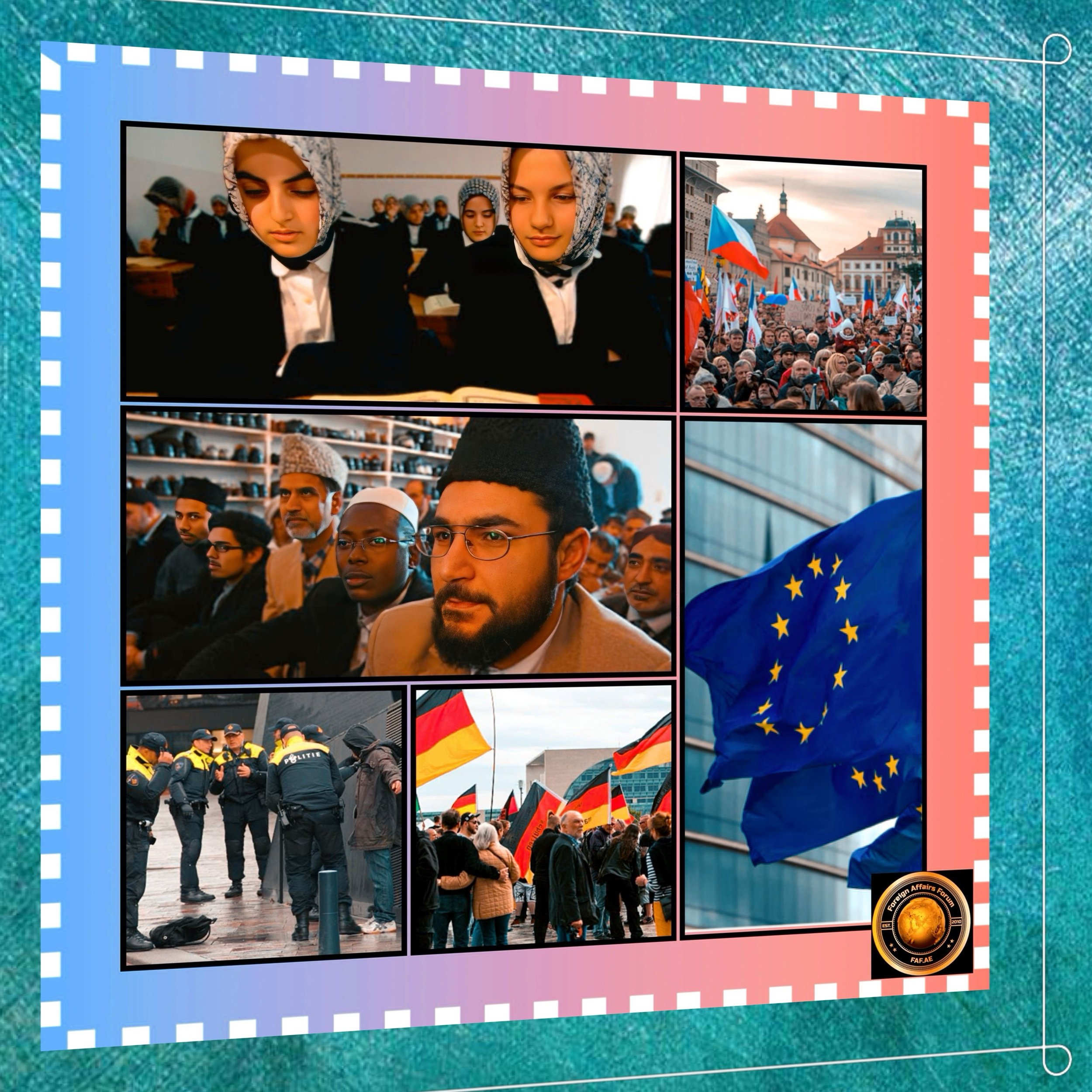
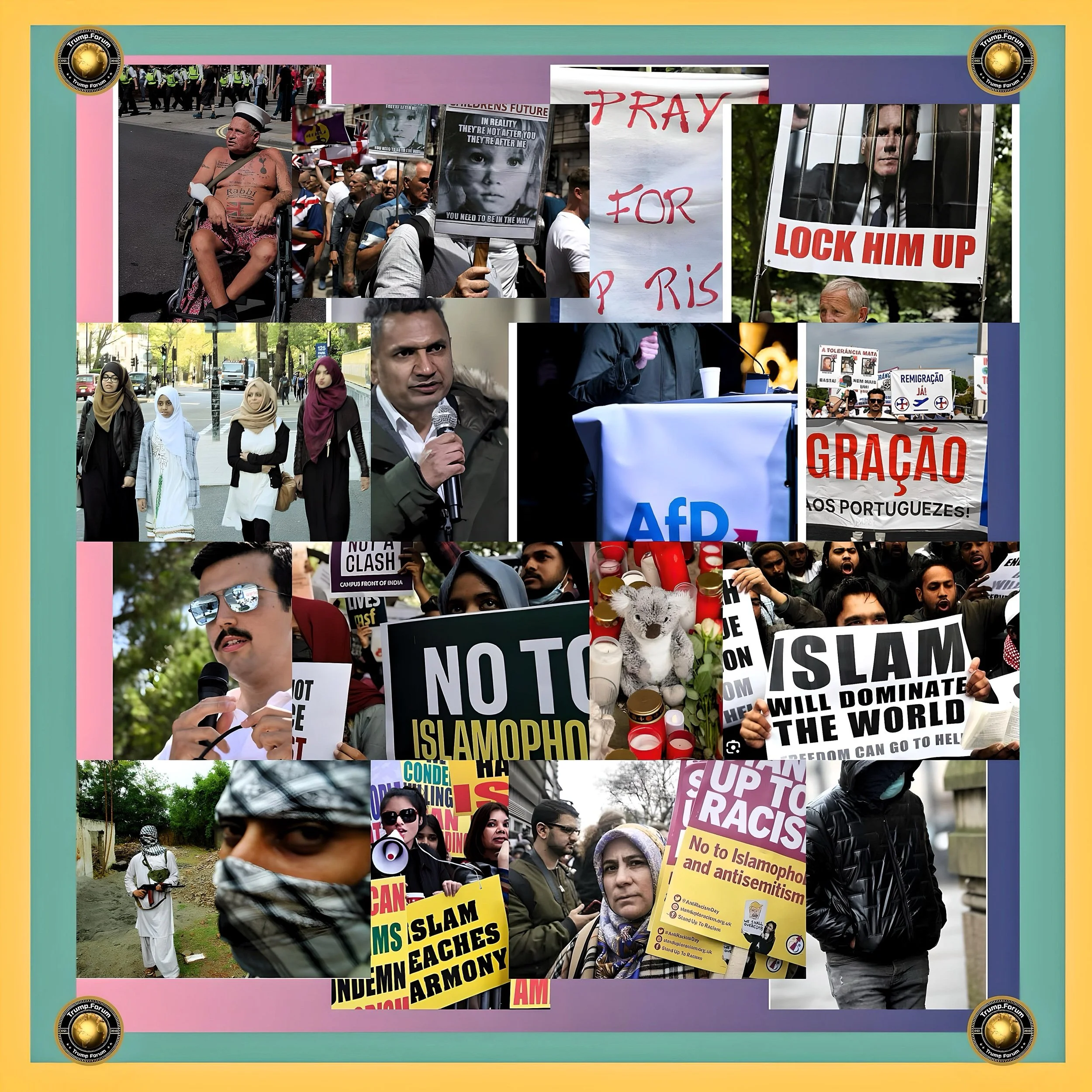
Parties like the Alternative for Germany (AfD), France's National Rally, the Party for Freedom in the Netherlands, and Austria's Freedom Party have leveraged anti-Muslim immigration platforms to secure electoral support.
Noteworthy is the AfD, which garnered 26% in recent polling, while far-right factions saw significant advancements in the 2024 European Parliament elections.
Impact on European Unity
Disunity within the European Union has intensified over immigration policies and the integration of Muslim populations.
The 2015 migrant crisis notably highlighted this tension, with Eastern European states like Hungary, Poland, Slovakia, and the Czech Republic rejecting the resettlement of Muslim refugees.
This resistance has led to legal confrontations and potential ramifications for EU funding allocations.
Hungarian Prime Minister Viktor Orbán has framed the migration issue through a religious lens, asserting the need to fortify EU borders against perceived threats to European Christianity.
Counter-Narratives and Positive Developments
Despite the prevailing challenges, several positive trends are noteworthy.
British Muslims exhibit high levels of civic participation: 86% express confidence in Britain as a land of opportunity, 75% have contributed to charitable initiatives within the last year (outpacing the general population at 68%), and 51% report a strong sense of belonging to their local communities.
In Germany, over 50% of Muslims engage in native associations, with a mere 4% solely associated with organizations connected to their countries of origin.
These statistics suggest a degree of successful structural integration, notwithstanding ongoing societal prejudice.
Policy Responses and Future Challenges
Government Initiatives
In response to rising extremism and discrimination, various European nations have enacted targeted initiatives.
Germany's establishment of the Deutsche Islamkonferenz in 2006 aimed to foster dialogue between state entities and Muslim communities. In the UK, investments in security measures for places of worship and comprehensive police assessments on hate crime responses have been undertaken.
Ongoing Debates
The struggle to reconcile religious freedom with secular principles continues to elicit contentious debate.
France's recent sports hijab prohibition and Germany's classification of the AfD as a right-wing extremist entity exemplify the diverse policy responses in play.
Additionally, defining and combating Islamophobia remains an area of contention; while numerous organizations have proposed definitions, governmental reluctance to formalize frameworks persists, primarily due to concerns surrounding freedom of speech and the complexities of practical enforcement.
Conclusion
Navigating Complex Realities
The dynamic between Islamization and Islamophobia in Europe, particularly within the UK context, underscores the complex challenges that contemporary multicultural democracies encounter in the 21st century.
The growing Muslim demographic is making notable advances towards social integration; however, persistent biases and systemic discrimination present formidable barriers that obstruct progress toward authentic social cohesion.
This phenomenon is not simply rooted in individual prejudices but reflects deeper societal structures that necessitate comprehensive and thoughtful engagement.
Demographic projections suggest that by 2070, Islam may ascend to the position of the world’s predominant religion, with adherents expected to outnumber those of Christianity.
By 2050, both faiths are anticipated to account for approximately 30-31% of the global population, indicating a profound demographic shift with significant implications for societal frameworks and interfaith dynamics.
In this regard, the UK’s multicultural framework appears to offer a more viable pathway for the integration of Muslims relative to the often rigid assimilationist approaches observed in various European nations.
Nonetheless, substantial challenges remain evident across multiple societal domains, including employment, education, and public discourse.
Addressing these critical issues necessitates navigating a convoluted landscape characterized by socio-economic and political complexities.
This landscape includes the presence of parallel legal systems, which may engender fragmentation, as well as pervasive media misrepresentations that unjustly stereotype entire Muslim communities. Furthermore, the alarming rise of far-right rhetoric exacerbates societal divisions and cultivates an atmosphere of fear.
The troubling emergence of drug and weapons cartels, alongside cases of exploitation associated with so-called ‘grooming gangs’ within Muslim communities, poses significant risks to British youth and complicates public perceptions of these communities.
Should Europe continue to overlook pressing social issues, the rich cultural tapestry risks deterioration into a monochromatic narrative devoid of diversity, where race, color, and religious conflicts prevail.
As these demographic shifts transpire, the future of European integration will depend heavily on the ability of diverse societies to reconcile religious freedoms, cultural adaptations, and shared civic values.
Policymakers across Europe must embrace nuanced strategies that safeguard the rights of minority communities while concurrently addressing the concerns of the broader populace, with the aim of fostering genuine social cohesion.
Empirical evidence indicates that successful integration transcends simplistic dichotomies framing a conflict between “Islam” and “Europe.” It necessitates a nuanced understanding of the intricate realities of contemporary multicultural environments.
This perspective demands dual acknowledgment: first, the legitimate concerns related to the existence of parallel systems and systemic discrimination within society; and second, an appreciation for the substantial contributions that Muslim communities offer to the vibrant and diverse fabric of European society.