The Importance of International Legal Institutions and the American Challenge
Introduction
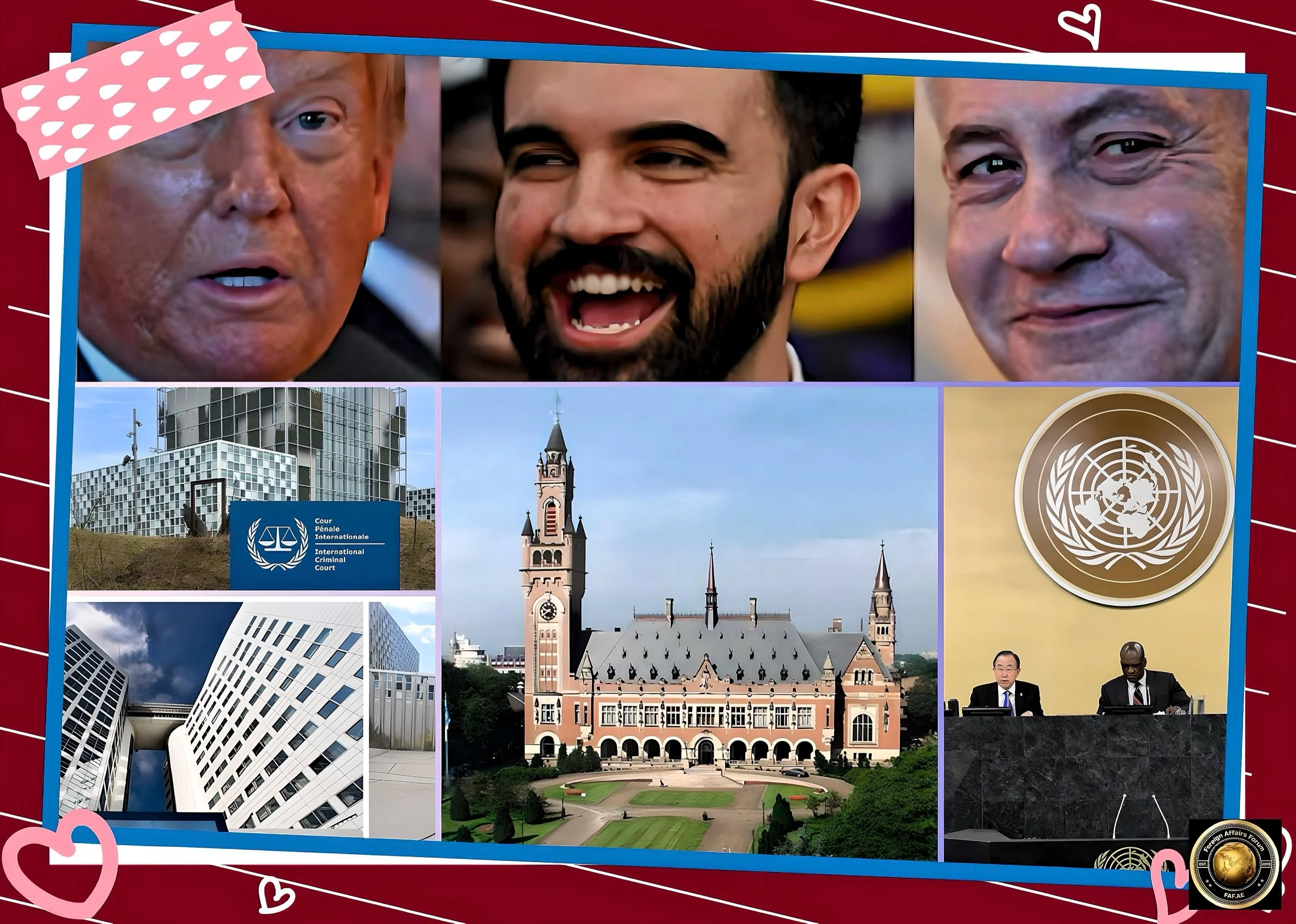
The cornerstone institutions of the international legal order—namely, the United Nations (UN), the International Criminal Court (ICC), and the International Court of Justice (ICJ)—are designed to promote peace, justice, and accountability on a global scale.
Nonetheless, these institutions are facing significant challenges, particularly from the United States, which raises important questions regarding their effectiveness and future sustainability.
The Critical Role of International Legal Institutions
United Nations
The Foundation of International Order
The UN, established in 1945, serves as the principal platform for international diplomacy and cooperation. Its role in maintaining international peace and security is augmented by its commitment to promoting human rights and facilitating global collaboration across economic, social, and humanitarian domains.
The universal membership of the UN provides a unique forum for nations to collectively address emergent global challenges.
The Charter of the UN articulates its foundational mission, emphasizing the necessity to “establish conditions under which justice and respect for the obligations arising from treaties and other sources of international law can be maintained.”
This legal framework has substantial practical implications, enabling peaceful resolution of conflicts, promotion of trade, and accountability for leadership, thereby upholding universal standards of equality, justice, and human rights.
International Criminal Court: Fighting Impunity
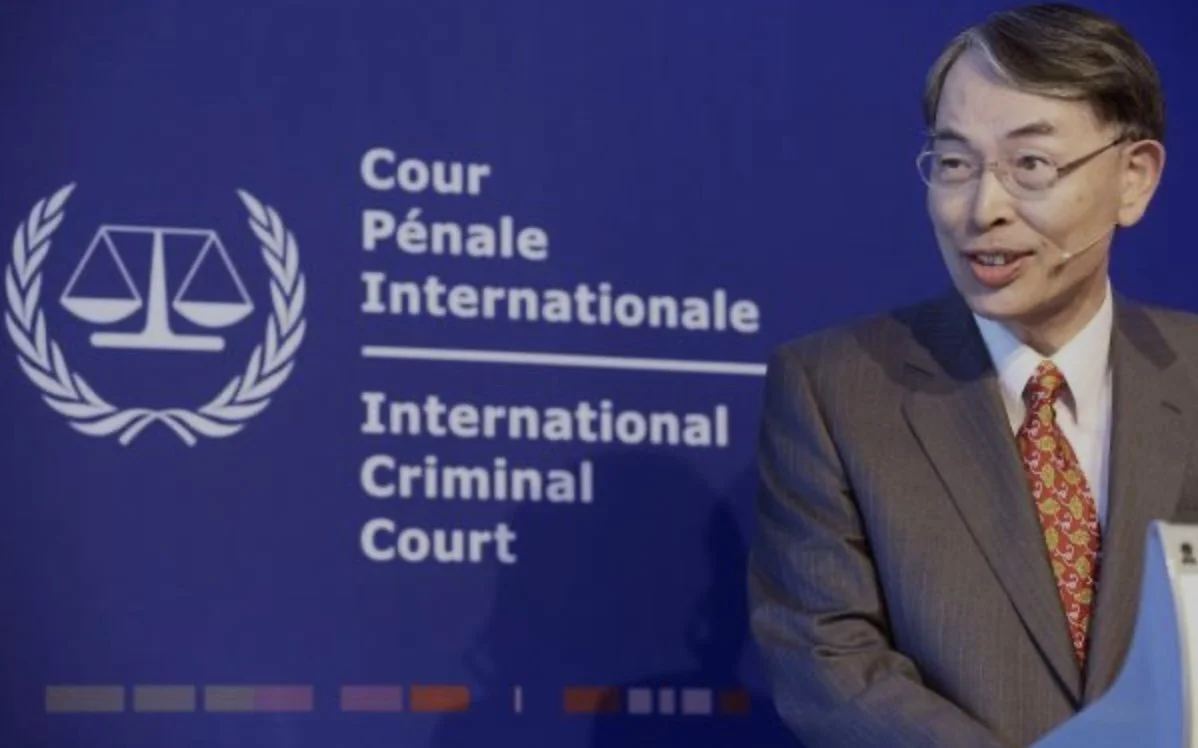
The ICC symbolizes a significant advancement in the realm of international criminal justice. Established in 2002 under the Rome Statute, it is the world's first permanent international criminal tribunal empowered to prosecute individuals for genocide, war crimes, crimes against humanity, and aggression.
Its primary mission is to combat impunity for severe international crimes and to ensure justice for victims who lack access to national legal remedies.
Operating as a court of last resort, the ICC intervenes only when national jurisdictions are either unable or unwilling to prosecute these egregious crimes.
This complementary jurisdiction is crucial to ensuring that the gravest offenses are not left unpunished, even when committed by prominent state actors or in contexts where national legal frameworks have disintegrated.
International Court of Justice: Peaceful Settlement of Disputes
Established in 1946, the ICJ functions as the principal judicial arm of the UN and represents the only international court adjudicating general disputes between sovereign states.
Its core importance lies in providing a structured and peaceful mechanism for resolving international disputes, alongside delivering authoritative interpretations of international law.
The ICJ’s consistent jurisprudence and its methodical approach to legal interpretation make it a stabilizing component in international relations.
Through its rulings, the ICJ not only contributes to the development of international law but also ensures its uniform application as a quasi-global "supreme court."
The Historical Foundation of These Institutions
Formation of the United Nations (1945)
The UN was formed in the aftermath of World War II, driven by a consensus among world leaders on the necessity for a more effective international organization than the erstwhile League of Nations.
This evolution began with the Atlantic Charter in 1941, was followed by the Declaration by the United Nations in 1942, and culminated in the San Francisco Conference in 1945.
On June 26, 1945, the UN Charter was signed by representatives from 50 nations, with Poland joining later, leading to a total of 51 founding members.
The Charter was officially enacted on October 24, 1945, after ratification by the five permanent members of the Security Council and a majority of the initial signatories.
Establishment of the International Court of Justice (1946)
The ICJ was constituted concurrently with the UN, its statute being an integral part of the UN Charter.
The court’s foundation drew from the legacy of the Permanent Court of International Justice, which functioned under the League of Nations from 1922 until 1946. The first judges of the ICJ were elected on February 5, 1946, and the court held its inaugural session on April 6 of the same year.
Creation of the International Criminal Court (2002)
The development of the ICC followed a protracted trajectory that traced back to the post-World War II acknowledgment of the need for a permanent international criminal tribunal.
This idea gained momentum post-Cold War, particularly after the establishment of ad hoc tribunals for the former Yugoslavia and Rwanda in the 1990s.
The Rome Conference, convened from June 15 to July 17, 1998, brought together representatives from 160 countries to negotiate the Rome Statute.
On July 17, 1998, the proposed statute was adopted with 120 affirmative votes, thereby establishing the ICC.
The court officially became operational on July 1, 2002, following the entry into force of the Rome Statute upon ratification by 60 countries.
The American Challenge to International Legal Institutions
Historical Pattern of American Exceptionalism
The United States exhibits a multifaceted relationship with international legal institutions, defined by the notion of "American exceptionalism."
This concept manifests in three principal behaviors: the signing of international treaties while pursuing reservations or opting for non-ratification, the application of double standards in the enforcement of international law, and the outright rejection of the jurisdiction of international law within the domestic legal framework.
The roots of American exceptionalism in the sphere of international law are diverse, deriving from beliefs in constitutional uniqueness, global military responsibilities, and a professed moral superiority.
This position underscores a fundamental tension, wherein the U.S. acts as a principal architect of international institutions yet remains reluctant to adhere to the jurisdiction and directives of those very entities.
Contemporary Threats to International Justice
Under the Trump administration, we have witnessed an unprecedented escalation in the attack on international legal institutions.
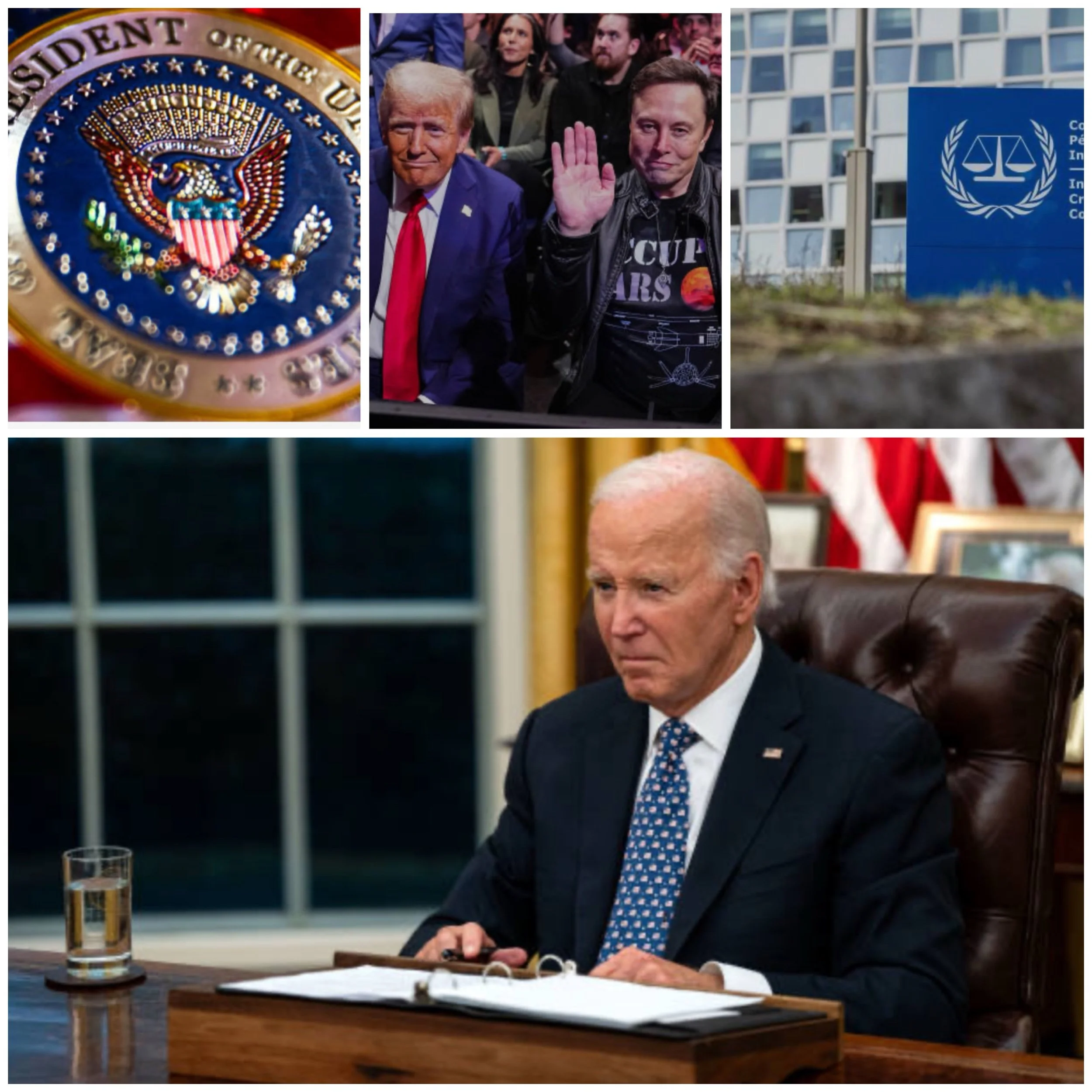
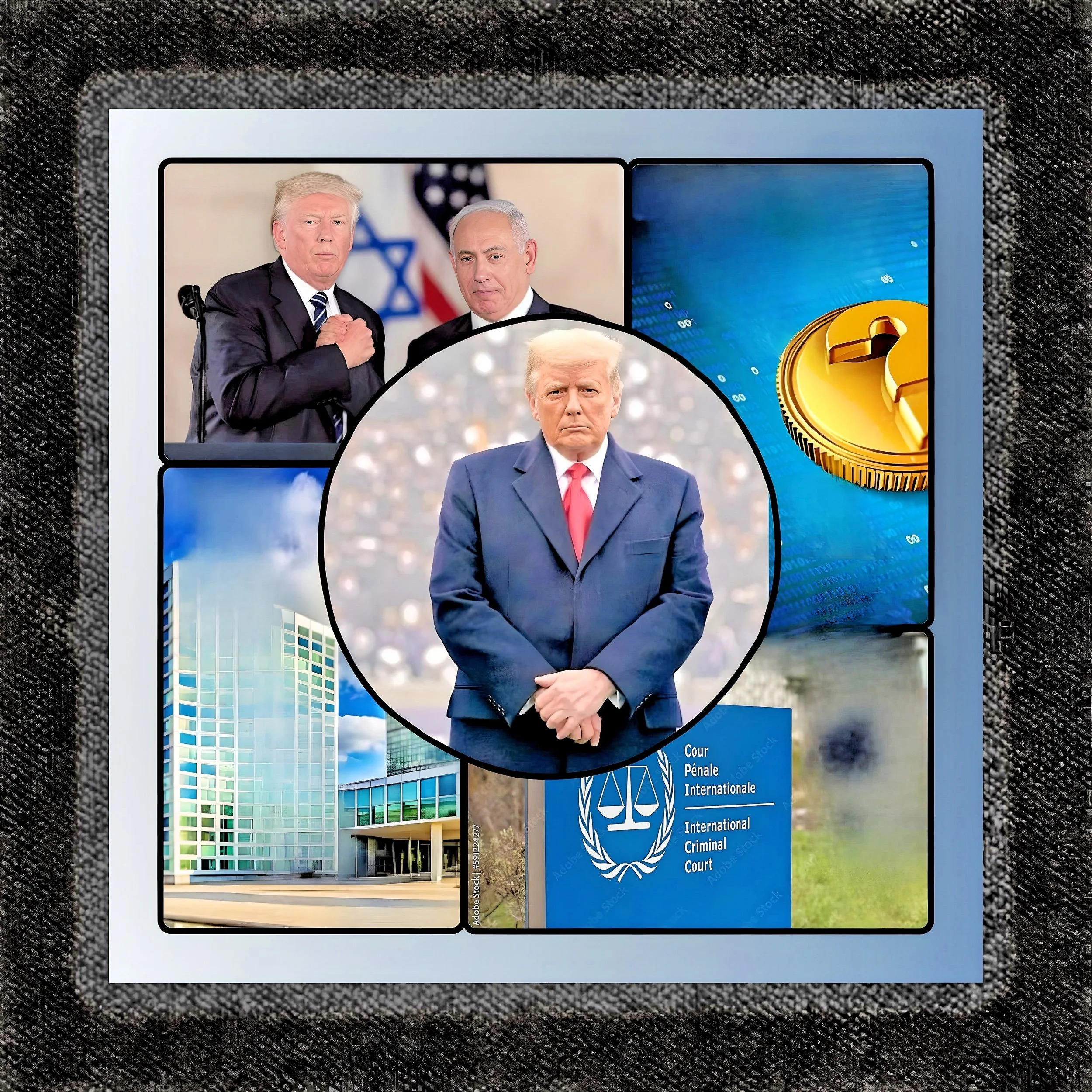
Notably, in February 2025, President Trump executed an executive order that imposed sanctions on officials from the International Criminal Court (ICC), branding their actions as an "unusual and extraordinary threat to the national security and foreign policy of the United States."
These sanctions not only target ICC personnel but extend to any individuals or entities collaborating with the court.
The administration's actions included the sanctioning of four ICC judges who were involved in cases concerning Israel and Afghanistan.
This represents a significant affront to the autonomy of international judicial institutions, particularly as it involves judges who authorized investigations into alleged war crimes by U.S. forces in Afghanistan, as well as those who approved arrest warrants for high-ranking officials like Israeli Prime Minister Benjamin Netanyahu.
Impact on the International Legal Order
The ramifications of these American actions are profound, considerably undermining the integrity of the international legal system. United Nations experts have condemned these sanctions as "an attack on the global rule of law," fundamentally undermining international criminal justice.
The practical implications are severe, hampering the ICC's ability to conduct essential operations and investigations.
The broader consequences extend far beyond the ICC. By disregarding international legal frameworks, the United States sets a perilous precedent that emboldens other powerful states to flout international law when it conflicts with their strategic interests.
This behavior jeopardizes the legitimacy of the rules-based international order that the U.S. itself played a pivotal role in establishing.
Signs of Institutional Decline
Effectiveness Challenges
International legal institutions are confronting increasing skepticism regarding their efficacy. The ICC has struggled with protracted legal proceedings, limited enforcement capabilities, and vulnerability to political pressures.
Its dependence on state cooperation for arrests and evidence acquisition presents significant challenges, particularly with regard to powerful states and their allies.
Similarly, the UN Security Council is paralyzed by great power rivalries, as the veto powers of permanent members inhibit decisive action on substantial global conflicts.
This dysfunction raises serious questions about the UN’s capability to fulfill its foundational mandate of maintaining international peace and security.
Credibility Crisis
The international legal framework faces an overarching credibility crisis. The apparent inability of international law to resolve major geopolitical conflicts—such as the ongoing Russian aggression in Ukraine or the persistent Israel-Palestine disputes—has engendered doubts concerning the relevance and effectiveness of international legal institutions.
Moreover, the selective application of international law exacerbates this crisis. When dominant nations like the United States overtly disregard international legal frameworks, it undermines the universal applicability of legal principles that are essential to the coherence of the international legal order.
Institutional Survival Concerns
Interest in the potential demise of international legal institutions is growing among observers. The ICC, in particular, is under serious threat as American sanctions pose significant operational challenges.
The court's ability to function effectively amidst sustained assaults from one of the world’s most influential powers is now in question.
The UN, too, faces existential threats as its authority and relevance come under increasing scrutiny.
Its inability to engage effectively with pressing global challenges has prompted calls for fundamental reforms; however, such changes encounter formidable political obstacles.
Conclusion
The United Nations (UN), the International Criminal Court (ICC), and the International Court of Justice (ICJ) stand as humanity’s foremost attempts to establish a structured international framework that fosters peace, promotes justice, and upholds accountability among nations.
These vital institutions have made remarkable strides in fulfilling their designated roles, including mediating conflicts to prevent escalation, prosecuting individuals accused of war crimes and crimes against humanity, and providing definitive interpretations of international law that guide nations in their diplomatic and legal interactions.
Nevertheless, these institutions are now confronted with unprecedented challenges, particularly from the United States.
Over recent years, the U.S. government has intensified its attacks on international legal bodies, marking a concerning trend that threatens the very foundation of global governance.
This phenomenon, often referred to as American exceptionalism, reveals itself through actions such as imposing unilateral sanctions on judges of international courts and outright rejecting legal norms that seek to constrain its behavior. Such actions represent a grave threat to the integrity of the international legal order.
This current crisis is not merely a matter of differing policy preferences; it embodies a profound challenge to the fundamental principle that international law should apply uniformly to all nations, irrespective of their size, influence, or military capabilities.
The way in which international legal institutions respond to these incursions will be pivotal to the future trajectory of a rules-based global order, one that has been the cornerstone of international stability and development for over seventy years.
The implications of this struggle extend far beyond theoretical debates. As experts from within the UN have cautioned, the United States’ aggressive stance toward these institutions not only jeopardizes justice for victims of war atrocities but also sends a chilling signal that nations on the global stage may believe they can operate without repercussions or accountability.
This erosion of legal norms emboldens those with nefarious intentions, fostering an environment where impunity reigns.
In light of these challenges, it is imperative for the international community to unite in defense of these crucial institutions.
If we are to maintain any semblance of a legal order that prioritizes justice over raw power dynamics, collective action and steadfast commitment to the principles of international law are essential.
The stakes have never been higher, and the future of global justice hangs in the balance.