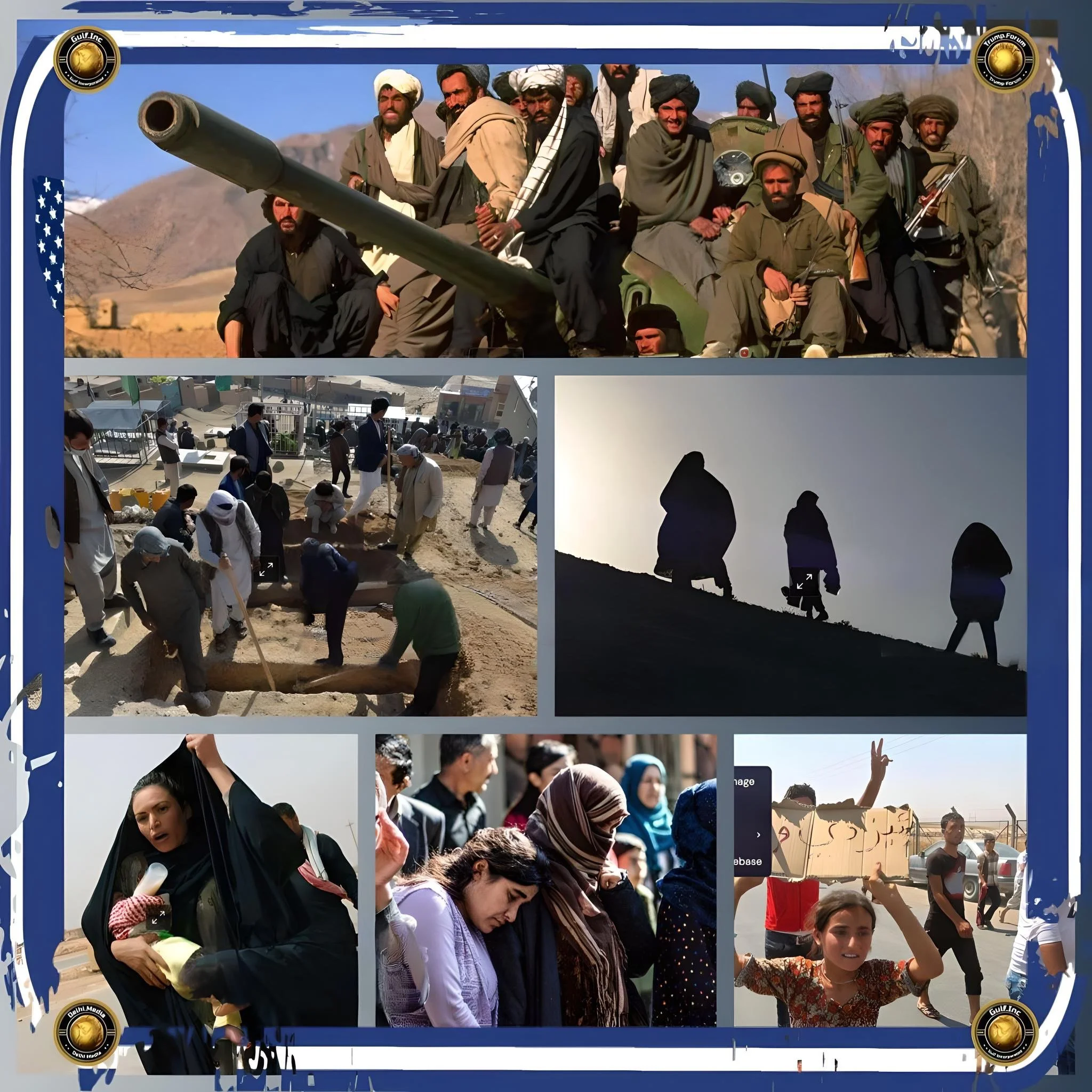
The Afghanistan War (2001-2021): A Critical Analysis of Western Military Intervention and Its Consequences
Executive Summary
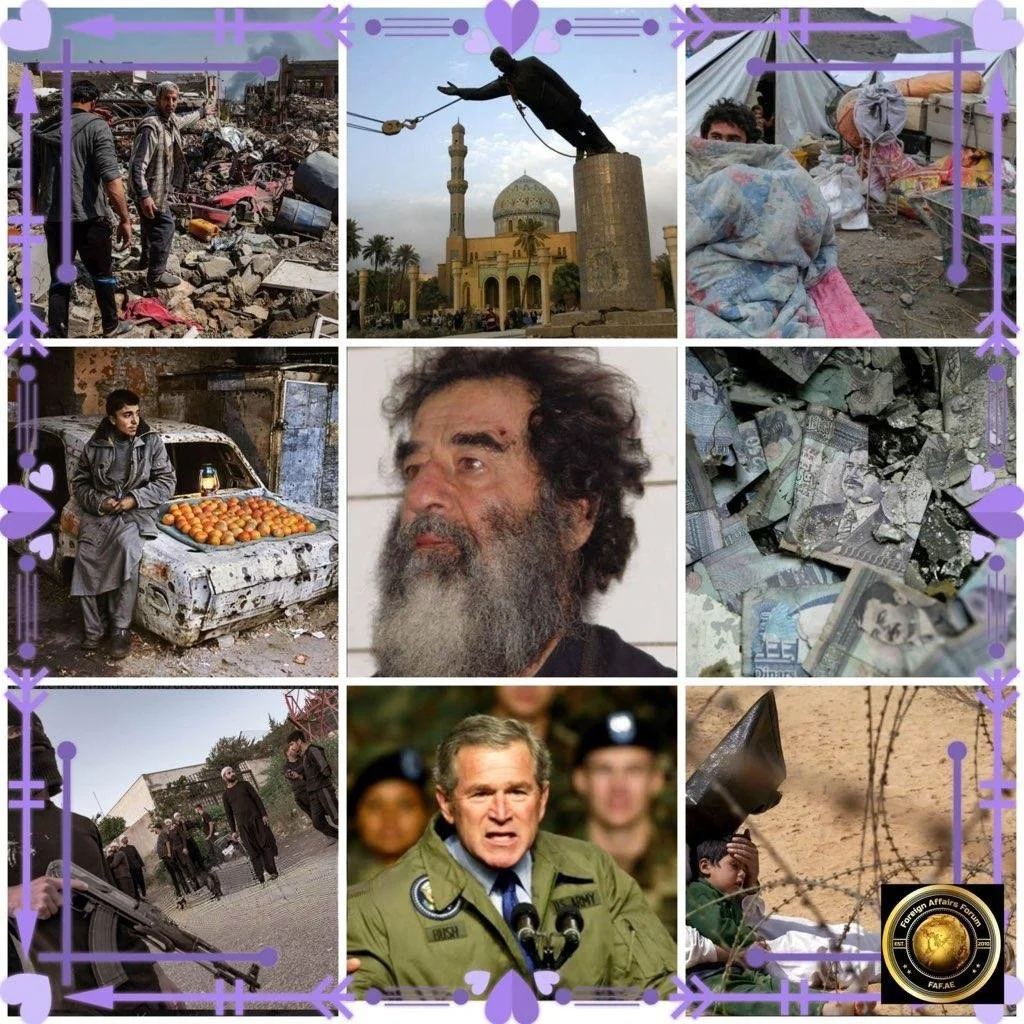
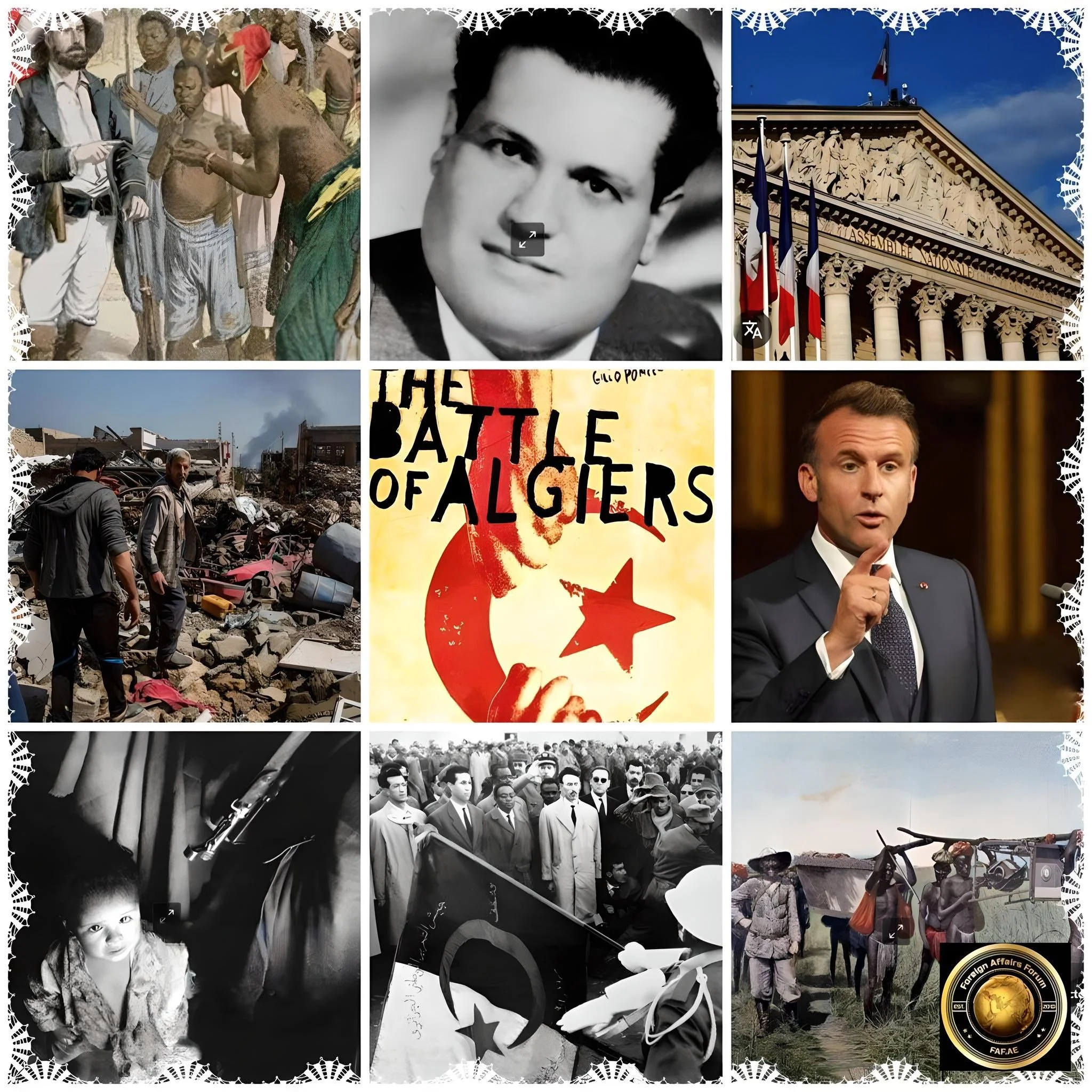
The Afghanistan War, which unfolded between 2001 and 2021, serves as a complex and multifaceted case study on the consequences of Western military interventions and their enduring repercussions.
Triggered as a direct response to the tragic events of September 11, 2001, the United States, along with a coalition of allied nations, launched a comprehensive military campaign aimed at dismantling the Taliban regime, which had provided crucial sanctuary to the Al-Qaeda terrorist network responsible for the attacks.
Over two decades, this intense conflict transitioned through various phases, marked by significant initial military accomplishments, profound challenges in reconstruction and governance, and a resilient insurgency that complicated efforts towards stability.
The early years highlighted rapid military advancements, leading to the swift and dramatic overthrow of the Taliban government in late 2001.
Nevertheless, this initial military success quickly became overshadowed by increasing complications, as the Taliban regrouped, leveraging local grievances to mount an increasingly determined resistance against both foreign forces and the nascent Afghan governmental structures.
Western powers embarked on this military venture with aspirations that transcended mere military objectives; they aimed to eradicate the threats posed by terrorism while simultaneously fostering democracy, promoting human rights, and facilitating economic development within Afghanistan.
However, these lofty goals frequently collided with the stark realities. Tribal dynamics, endemic corruption, and an underdeveloped infrastructure presented formidable obstacles that hampered progress.
As the conflict extended, the situation deteriorated into a cyclical pattern of violence and instability, culminating in a significant loss of both life and resources.
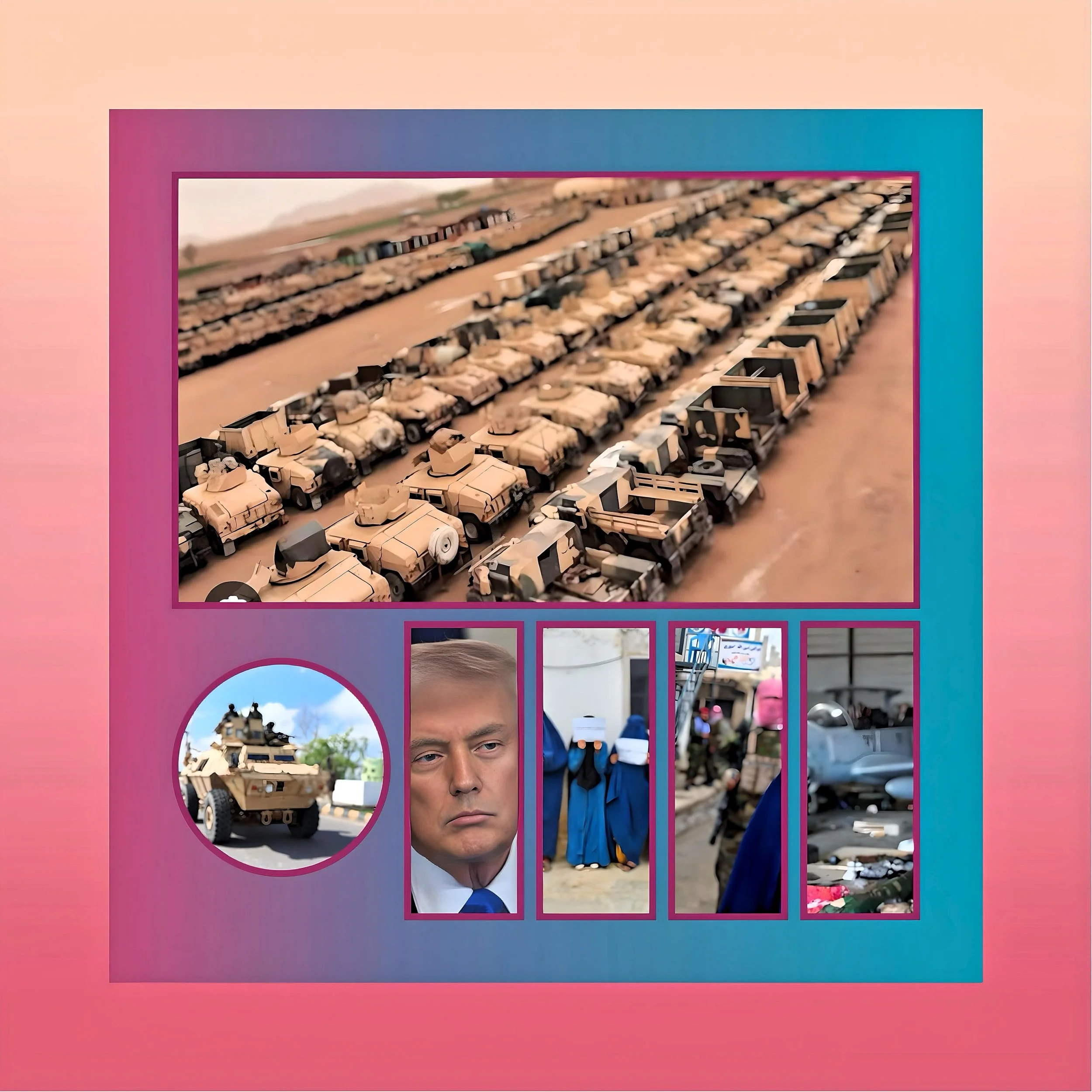
The withdrawal of Western troops in August 2021 resulted in the swift and dramatic resurgence of the Taliban, raising critical questions about the effectiveness and ethical implications of the preceding interventions.
This unexpected shift in power dynamics provoked a rigorous reassessment of the war’s implications for Afghanistan’s political structure, social norms, and the daily lives of its citizens, whose ambitions for a stable and prosperous future remained shrouded in uncertainty amidst ongoing turmoil.
The Afghanistan War thus stands as a poignant testament to the complexities involved in military intervention, the inherent challenges of post-conflict reconstruction, and the unpredictable outcomes of geopolitical engagements in regions engulfed in conflict.
Introduction
Overview and Financial Cost
The Afghanistan War, stretching over two decades from 2001 to 2021, exemplifies one of the most significant and financially draining military interventions in recent history.
The United States alone incurred an astounding expenditure exceeding $2.3 trillion throughout the conflict, translating to a staggering average of approximately $300 million daily for two decades.
When factoring in the interest associated with war-related debt, projections estimate that the total financial burden could be an eye-watering $6.5 trillion by 2050.
Such prohibitive economic costs illustrate Western nations' commitment to pursuing strategic goals, even amidst mounting fiscal constraints.
The contributions from NATO allies added to this financial strain, with countries like the United Kingdom alone dedicating approximately $444 billion and deploying around 457 military personnel during their involvement in the conflict.
These financial figures spotlight the immense resources expended by Western powers on what many critics have interpreted as an imperialistic endeavor veiled as a humanitarian mission.
Human Cost and Civilian Impact
Casualty Statistics
The human toll of the Afghanistan War reveals a devastating impact on civilian populations, with casualty statistics offering a harrowing insight into the war’s effects.
According to findings from the Costs of War Project, the conflict led to approximately 176,000 recorded deaths within Afghanistan; this included 46,319 civilians, along with 69,095 military and police personnel, and 52,893 opposition fighters.
However, these numbers do not encompass the indirect fatalities stemming from factors such as disease, destruction of infrastructure, and other war-related consequences, leading many to consider them significant underestimates.
Estimates from Brown University's Costs of War Project place the direct death toll at around 243,000, with potentially hundreds of thousands more fatalities linked to indirect causes.
The United Nations documents indicate that civilian casualty figures remained alarmingly high, with more than 100,000 recorded civilian deaths occurring between 2009 and 2020 alone.
Psychological Trauma and Mental Health Crisis
The pervasive violence of the war has engendered a profound mental health crisis in Afghanistan, creating what researchers define as a “trauma state,” where an astounding 85% of the population has either experienced or witnessed at least one traumatic event—averaging four traumatic experiences per individual.
This widespread exposure to violence has translated into significant mental health repercussions:
- Approximately 67.7% of Afghans exhibit symptoms of depression.
- Around 72.2% report experiencing anxiety symptoms.
- An estimated 42% suffer from post-traumatic stress disorder (PTSD).
The repercussions of the conflict are particularly pronounced among vulnerable demographics.
A chilling report indicates that among children, 73% of parents observe signs of anxiety and depression in their offspring, with many children too fearful to venture outside their homes due to threats of explosions, kidnappings, and violence.
Women enduring the adversities of this conflict face disproportionately higher rates of mental health issues, which are exacerbated by systemic discrimination and violence.
Displacement and Refugee Crisis
The prolonged conflict has precipitated a catastrophic level of population displacement, with millions of Afghans either becoming refugees or being internally displaced.
The tumultuous Taliban takeover in 2021 alone resulted in a staggering 9 million Afghans being uprooted from their homes, with over 122,000 individuals evacuated during the chaotic withdrawal of foreign troops.
This mass displacement adds another layer of complexity to the already dire humanitarian situation, underscoring the urgent need for sustained international attention and assistance for the affected populations.
Geopolitical Implications and Imperial Ambitions
Strategic Motivations
The military intervention in Afghanistan must be contextualized within a larger narrative often critiqued as Western imperialism and the relentless pursuit of geopolitical power.
This multifaceted conflict served various strategic purposes beyond the official rationale of combating terrorism.
Energy Geopolitics
Afghanistan’s geographical positioning as a critical nexus between Central and South Asia has made it essential for managing energy transit routes.
This includes the ambitious Turkmenistan-Afghanistan-Pakistan-India (TAPI) pipeline project, which is envisioned as a key artery for transporting natural gas from the resource-rich Central Asian region to emerging South Asian markets.
Control over such energy pathways is vital for economic stability and regional influence.
Great Power Competition
One of the principal objectives of the intervention was to curtail the expanding influence of rival powers, particularly Russia and China, in Central Asia.
The intervention sought to reinforce American interests while counterbalancing those of major global adversaries by establishing a formidable Western military foothold in such a strategically important area.
Regional Hegemony
For the United States, the endeavor in Afghanistan aligned with broader ambitions of maintaining global dominance.
This included efforts to manage and limit influence from regional adversaries that could threaten U.S. interests, ultimately contributing to a palpable atmosphere of strategic rivalry.
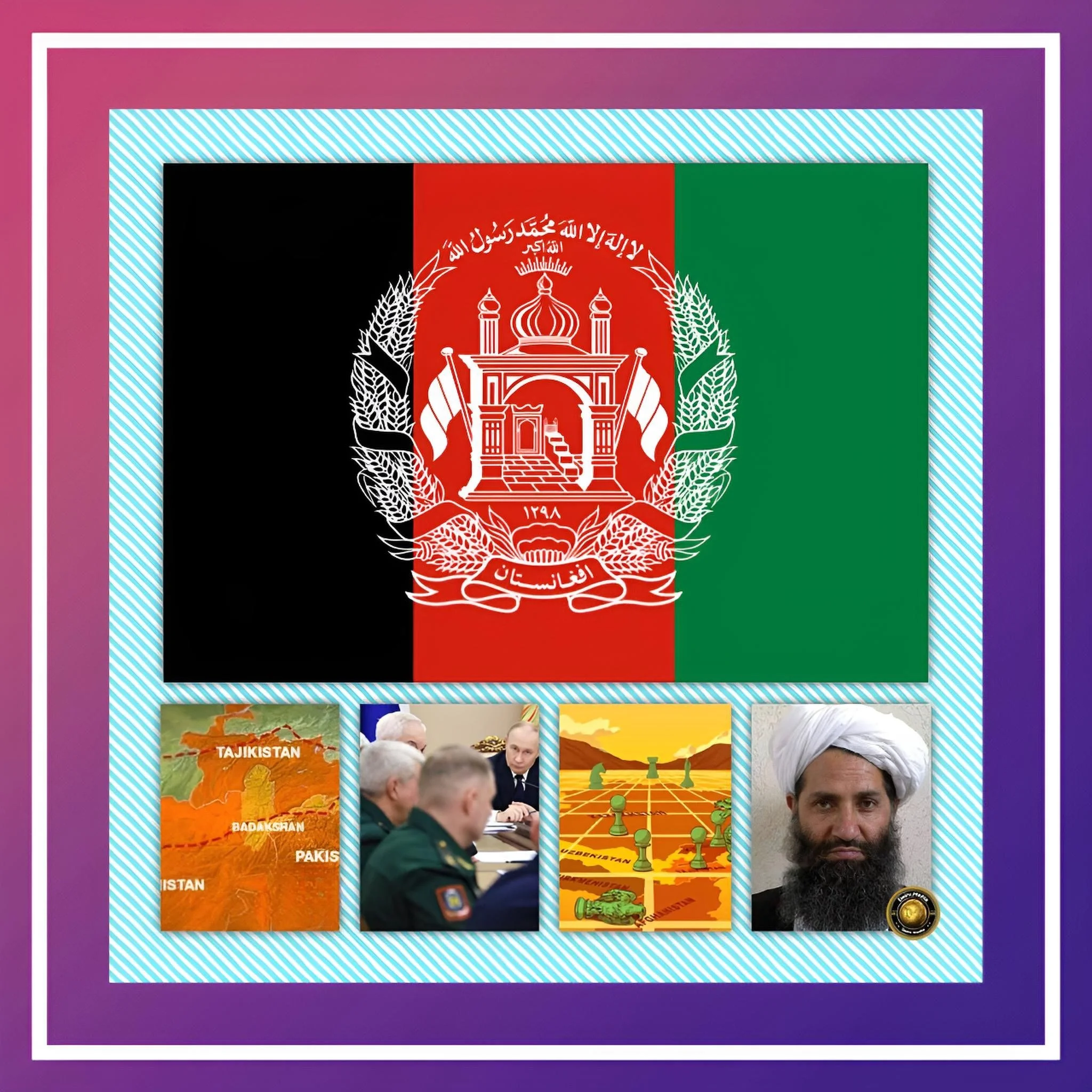
The “Great Game” Continues
Afghanistan’s historical role as a theater of great power rivalry continues to echo through recent conflicts.
Historically viewed as a coveted territory by empires—from the British and Russian quarrels of the 19th century to the American and Soviet standoffs during the Cold War—Afghanistan's strategic significance remained unchanged into the 21st century.
The 2001 invasion perpetuated this legacy as Western powers endeavored to reshape the geopolitical landscape in line with their strategic priorities.
Democracy Building and Nation-Building Failures
Imposed Political Structures
The Western approach to nation-building in Afghanistan was fundamentally flawed from the outset.
Rather than collaborating with existing social structures and traditional governance practices, foreign actors imposed a centralized Western-style political framework that starkly contrasted Afghanistan's inherently diverse and decentralized society.
The 2004 constitution birthed a highly centralized government, alienating significant ethnic and regional groups and placing meaningful participation out of reach for many.
Corruption and Clientelism
The considerable influx of foreign aid and military resources transformed Afghanistan into a rentier state, heavily reliant on external contributions yet lacking in internal legitimacy.
This dependency bred rampant corruption, where both Afghan officials and Western contractors misappropriated billions of dollars, resulting in inadequate public services.
This pervasive corruption eroded governmental credibility, bolstering perceptions of foreign dominion rather than facilitating legitimate governance.
Cultural Imperialism
The overarching narrative of democracy-building often resembled "cultural imperialism," where Western powers endeavored to export their values and political institutions without a nuanced understanding of local contexts.
This approach naively presumed that military force could foster democratic conditions, failing to recognize the intricate social, cultural, and historical cues that dictate political evolution.
Ignoring Local Context and Culture
Disconnect from Afghan Realities
A significant shortfall of the Western intervention was the pervasive neglect of Afghanistan's unique cultural heritage, historical complexities, and social dynamics.
International stakeholders and their Afghan counterparts consistently favored external models over internal ones, indigenous insights, and local governance strategies.
This oversight was particularly glaring given Afghanistan's diverse ethnic landscape, where no single ethnic group constituted more than one-third of the population.
The predominantly Pashtun-led political system established post-2001 exacerbated long-standing ethnic tensions and historical grievances that had fueled conflicts for decades.
Military vs. Political Solutions
The disproportionate emphasis on military solutions overshadowed the importance of political dialogue and reconciliation, thereby proving counterproductive to long-term stability.
The U.S. and its allies operated under the misguided belief that military victories could lay the groundwork for political resolutions, a contention that ultimately revealed itself to be fundamentally flawed.
Reliance on military alliances with warlords only deepened fragmentation and violence, counteracting the objectives the intervention aimed to correct.
Civilian Suffering and Crossfire
Caught Between Forces
Afghan civilians have borne the brunt of the violence emanating from all sides of the conflict.
While the Taliban and various insurgent factions were significant contributors to civilian casualties, coalition forces also played a part, leading to substantial loss of innocent lives.
In a stark revelation in 2019, coalition forces were reported to have killed more civilians (717) than insurgent groups (531), underscoring the escalation of military operations and the increased peril faced by non-combatants.
The United Nations documented over 10,000 civilian casualties annually in multiple years, with a heartbreaking proportion of those victims being children.
Long-term Consequences
The repercussions of the war on civilians stretch far beyond immediate physical injuries and losses.
The extensive damage to infrastructure, economic systems, and social institutions has laid the groundwork for long-lasting instability.
The fabric of daily life—encompassing education, healthcare, and community security—was severely frayed, continuing to pose challenges for the recovery and future stability of Afghanistan.
International Relations and Conflict Resolution in Afghanistan
Complexity of Actors
The conflict in Afghanistan unfolded against a backdrop of myriad international actors, each driven by diverging interests, complicating the path to a peaceful resolution.
Significant regional powers—including Pakistan, Iran, Russia, and China—navigated their strategic agendas, which often clashed with the objectives of Western countries, particularly the United States.
This intricate interplay transformed Afghanistan into a proxy battleground, where the fierce competition between global powers manifested in ways that ultimately undermined the welfare of the Afghan population.
Challenges of Multilateral Approaches
Although the intervention carried a façade of multilateral cooperation, the overarching influence of U.S. strategic priorities severely constrained the effectiveness and cohesion of international efforts.
NATO allies frequently operated under strict caveats that circumscribed their military engagement and limited their operational flexibility.
Concurrently, the involvement of the United Nations and other international organizations was significantly downplayed, relegating them to peripheral roles in crucial decision-making processes.
This lack of a unified and cohesive strategy hindered the ability to forge a collaborative approach that could adapt to the complexities on the ground.
Importance of Inclusive Solutions
The collapse of the Western-supported Afghan government in August 2021 starkly illustrated the futility of seeking lasting peace without inclusive political frameworks that address fundamental causes of conflict.
Future endeavors in conflict resolution must prioritize Afghan ownership of the peace process, fostering regional dialogue, and being sensitive to local dynamics rather than imposing externally drawn solutions.
Engaging all relevant stakeholders, including marginalized groups, is essential for establishing a solid foundation for reconciliation and stability.
Key Lessons and Consequences
The Limits of Military Power
The Afghan experience underscores the inherent limitations of using military force to induce political and social transformation.
Despite Western nations' overwhelming military dominance and substantial financial investments, their forces were unable to cultivate conditions for lasting peace or establish a functional, democratic governance structure.
This reality raises profound questions about the efficacy of military interventions in complex sociopolitical landscapes.
Risks of Imperial Overstretch
The considerable financial burden of the Afghanistan intervention contributed to a phenomenon known as "imperial overstretch."
This term describes a scenario in which the demands of maintaining global dominance surpass a leading power's available resources and political resolve.
The war's staggering costs, strategic failures, and the ensuing humanitarian crises have prompted analysts to reassess the viability of interventionist policies in contemporary international relations.
Humanitarian Fallout
The humanitarian rationale that underpinned the intervention—in particular, the purported commitment to safeguarding women’s rights—was critically undermined by the exclusion of Afghan women from vital peace negotiations.
The eventual resurgence of the Taliban further underscored the exploitative use of humanitarian discourse as a pretext for strategic interventions, while neglecting the voices and autonomy of those purportedly being “rescued.”
This highlights the troubling trend of prioritizing geopolitical strategies over genuine human welfare.
Conclusion
The War in Afghanistan, spanning from 2001 to 2021, marks a profound failure of Western military intervention and attempts at nation-building.
Despite unprecedented financial commitments and nearly two decades of military engagement, the intervention fell short of achieving its established objectives and exacted a heavy toll on both the intervening nations and, most tragically, the Afghan populace.
The war's legacy serves as a potent reminder of the limitations inherent in military solutions to complex political dilemmas and the perilous consequences of neglecting local contexts and cultural realities in international interventions.
The systematic sidelining of Afghan voices from critical decision-making processes, paired with the prioritization of Western strategic imperatives over the needs of the Afghan people, forged a landscape that failed to benefit either the interveners or the Afghan citizens.
Moving forward, it is imperative for the international community to learn from these significant missteps and to cultivate more nuanced, culturally sensitive approaches to conflict resolution.
Such approaches must prioritize the empowerment of local communities, demonstrate genuine commitment to human welfare, and eschew opportunistic geopolitical calculations.
The staggering human and economic toll of the Afghanistan War must sound a clarion call against future interventions founded on similar misapprehensions and assumptions.
The lasting trauma experienced by the Afghan populace—manifesting in psychological, social, and economic hardships—will take generations to heal.
This sobering reality creates a moral imperative urging the international community to engage in Afghanistan's long-term recovery and development, employing strategies that respect Afghanistan and emphasize authentic humanitarian assistance over strategic manipulation.
Only through these considered approaches can the profound repercussions of two decades of failed intervention be effectively addressed.