Trump’s Approach to Afghanistan: Constraints and Consequences
Introduction
President Donald Trump’s policies toward Afghanistan, marked by abrupt troop withdrawals, aid freezes, and transactional diplomacy with the Taliban, have created a landscape of instability and diminished U.S. influence.
With Afghanistan’s humanitarian crisis deepening, regional adversaries expanding their footholds, and the Taliban consolidating authoritarian rule, Trump’s strategy—rooted in short-term political gains and “America First” rhetoric—faces severe limitations.
This article analyzes the structural flaws in Trump’s approach, its humanitarian and geopolitical repercussions, and the narrowing options for U.S. engagement in a nation still reeling from decades of conflict.
Historical Context: From Withdrawal to Disengagement
The 2020 Doha Agreement and Its Aftermath
The cornerstone of Trump’s Afghanistan policy remains the 2020 Doha Agreement, which mandated a complete U.S. troop withdrawal in exchange for Taliban assurances to prevent terrorist activities.
However, the deal excluded the Afghan government, emboldened the Taliban, and set conditions for the collapse of the U.S.-backed republic in 2021.
By prioritizing expediency over inclusive negotiations, Trump’s team sidelined critical stakeholders, leaving Afghanistan’s democratic institutions vulnerable to Taliban coercion.
The agreement’s fatal flaw—lack of enforcement mechanisms—allowed the Taliban to renege on counterterrorism pledges while accelerating their military campaign.
The Legacy of Sudden Troop Reductions
Trump’s November 2020 order to halve U.S. troops in Afghanistan to 2,500, followed by President Biden’s chaotic 2021 withdrawal, created a security vacuum that the Taliban swiftly exploited.
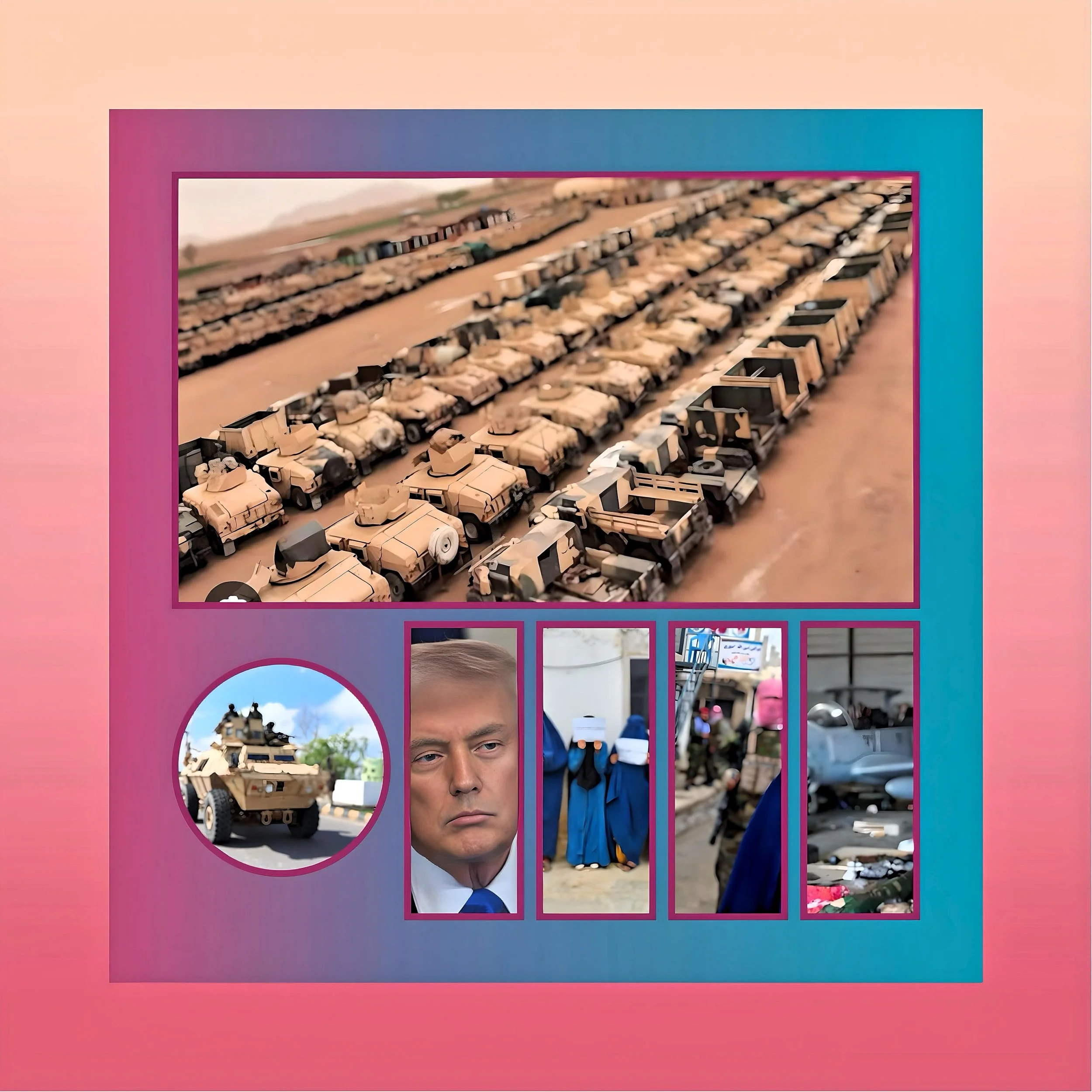
This unilateral disengagement, criticized by Republican leaders like Mitch McConnell as a gift to militants, left $7 billion in U.S. military equipment in Taliban hands, including aircraft and advanced weaponry.
Despite Trump’s 2025 demands for the Taliban to return this equipment, the group has refused, citing the need to combat ISIS-K—a stance underscoring the futility of post-hoc negotiations without leverage.
Humanitarian Catastrophe and Aid Freezes
The Toll of Suspended Assistance
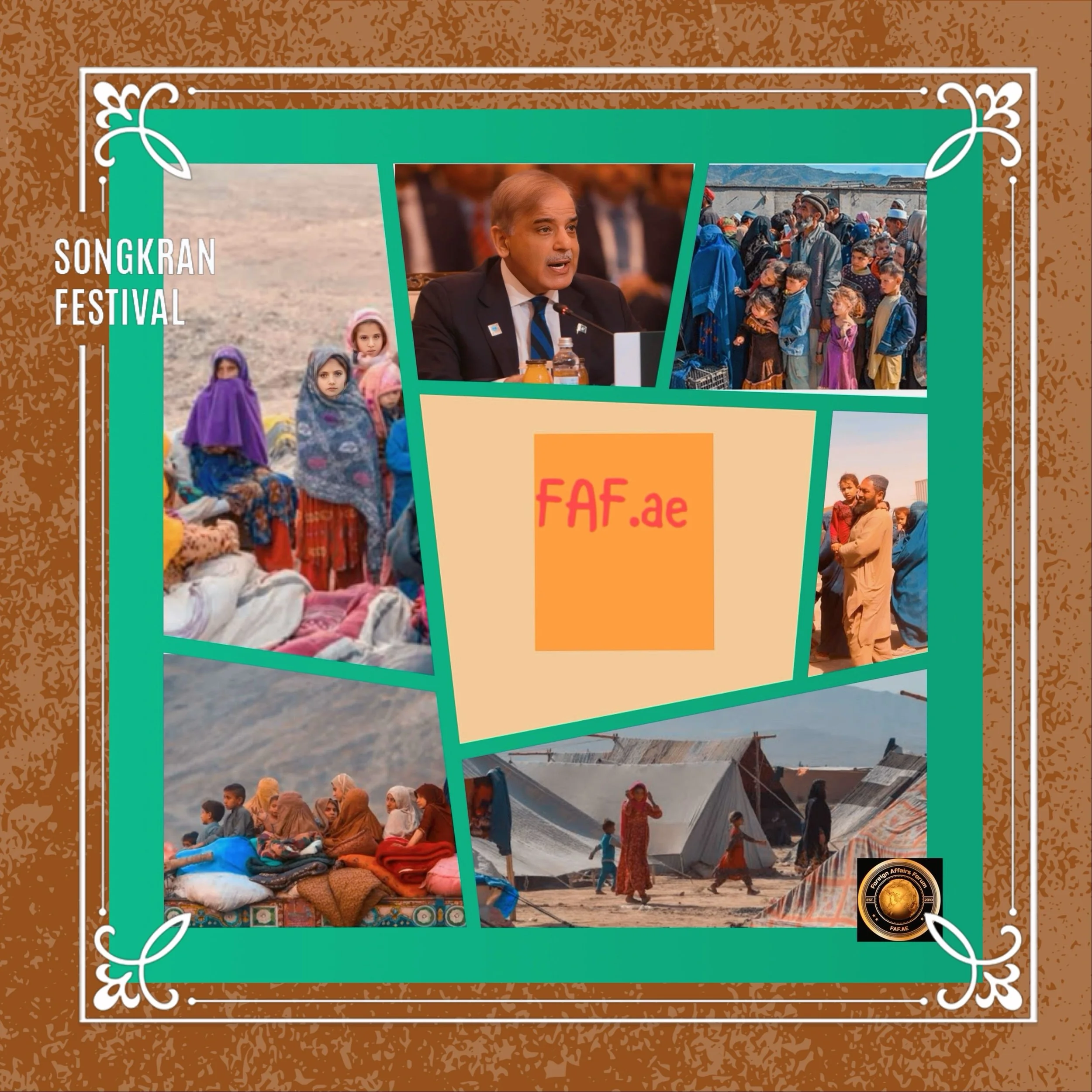
In January 2025, Trump’s executive order freezing foreign aid for 90 days—ostensibly to align programs with U.S. interests—worsened Afghanistan’s humanitarian emergency.
Over 40% of Afghans face acute food insecurity, with 15 million reliant on international aid. The suspension halted critical healthcare, education, and infrastructure projects, forcing NGOs like the Norwegian Refugee Council to warn of “catastrophic” consequences.
Even before the freeze, U.S. aid had dwindled, with Trump conditioning assistance on the return of military gear—a demand the Taliban dismissed.
Erosion of Soft Power and Civil Society
By deprioritizing nation-building and governance, Trump’s policies accelerated the Taliban’s repression of women, minorities, and dissenters.
Girls’ education bans, public executions, and the closure of civil society organizations have intensified since 2021, yet Trump’s focus on transactional deals (e.g., prisoner swaps) has ignored these systemic abuses.
The lack of a U.S. diplomatic presence in Kabul—the embassy remains shuttered—has further isolated Afghan activists and undermined America’s moral authority.
Geopolitical Realities: Competing Influences
China and Russia’s Expanding Roles
As the U.S. disengages, China has deepened ties with the Taliban, investing in mining, oil extraction, and infrastructure under the Belt and Road Initiative.
Beijing’s acceptance of a Taliban ambassador and security cooperation with the group contrasts sharply with Trump’s erratic demands, highlighting the strategic void left by U.S. withdrawal.
Similarly, Russia and Iran have increased political and economic engagement, leveraging Afghanistan’s instability to challenge Western norms.
Regional Security Dilemmas
Trump’s confrontational stance toward Pakistan—a historical Taliban ally—has yielded little progress, while his calls for India to “fight” in Afghanistan risk exacerbating Indo-Pakistani tensions.
Meanwhile, ISIS-K’s resurgence in Afghanistan’s northeast underscores the limitations of Taliban governance, yet Trump’s aid freezes have stripped local forces of resources to counter this threat.
Strategic Limitations and Domestic Constraints
Incoherent Policy Formulation
Trump’s approach lacks a cohesive strategy, oscillating between threats (e.g., placing bounties on Taliban leaders) and concessions (e.g., prisoner exchanges).
His 2025 demand to reclaim military equipment, paired with aid suspensions, reflects a transactional mindset that ignores Afghanistan’s complex realities.
This inconsistency has alienated regional partners and weakened U.S. credibility, as noted by former Pentagon officials who criticized the Doha Agreement as “deeply injurious to U.S. interests.”
Domestic Opposition and Legal Challenges
Within the U.S., Trump’s policies face bipartisan skepticism. Senators like Lindsey Graham (R-SC) condemn moral equivalence with the Taliban, while Democrats highlight the betrayal of Afghan allies left stranded by refugee admission pauses.
Legal battles over aid freezes, including lawsuits from NGOs and Congress, further constrain Trump’s ability to reshape Afghanistan policy unilaterally.
Conclusion
A Narrowing Path Forward
Trump’s Afghanistan strategy, constrained by myopic priorities and geopolitical shifts, has relegated the U.S. to a marginal role in shaping the country’s future.
The Taliban’s entrenched rule, China’s ascendancy, and the humanitarian collapse demand a recalibration—one that balances pragmatic engagement with principled demands. To mitigate further erosion of U.S. influence, policymakers must:
Restructure Aid Flows
Condition humanitarian assistance on Taliban concessions, such as reopening girls’ schools and permitting UN oversight.
Reestablish Diplomatic Channels
Reopen a limited U.S. presence in Kabul to monitor security threats and advocate for human rights.
Leverage Regional Partnerships
Collaborate with Central Asian states and India to counterbalance Chinese and Russian influence.
Support Grassroots Resistance
Fund covert networks aiding anti-Taliban dissenters and ISIS-K targets, ensuring U.S. tools do not bolster authoritarianism.
Without such measures, Trump’s approach will remain a case study of disengagement's perils—a legacy of diminished global leadership and unlearned lessons from America’s longest war.